About this place
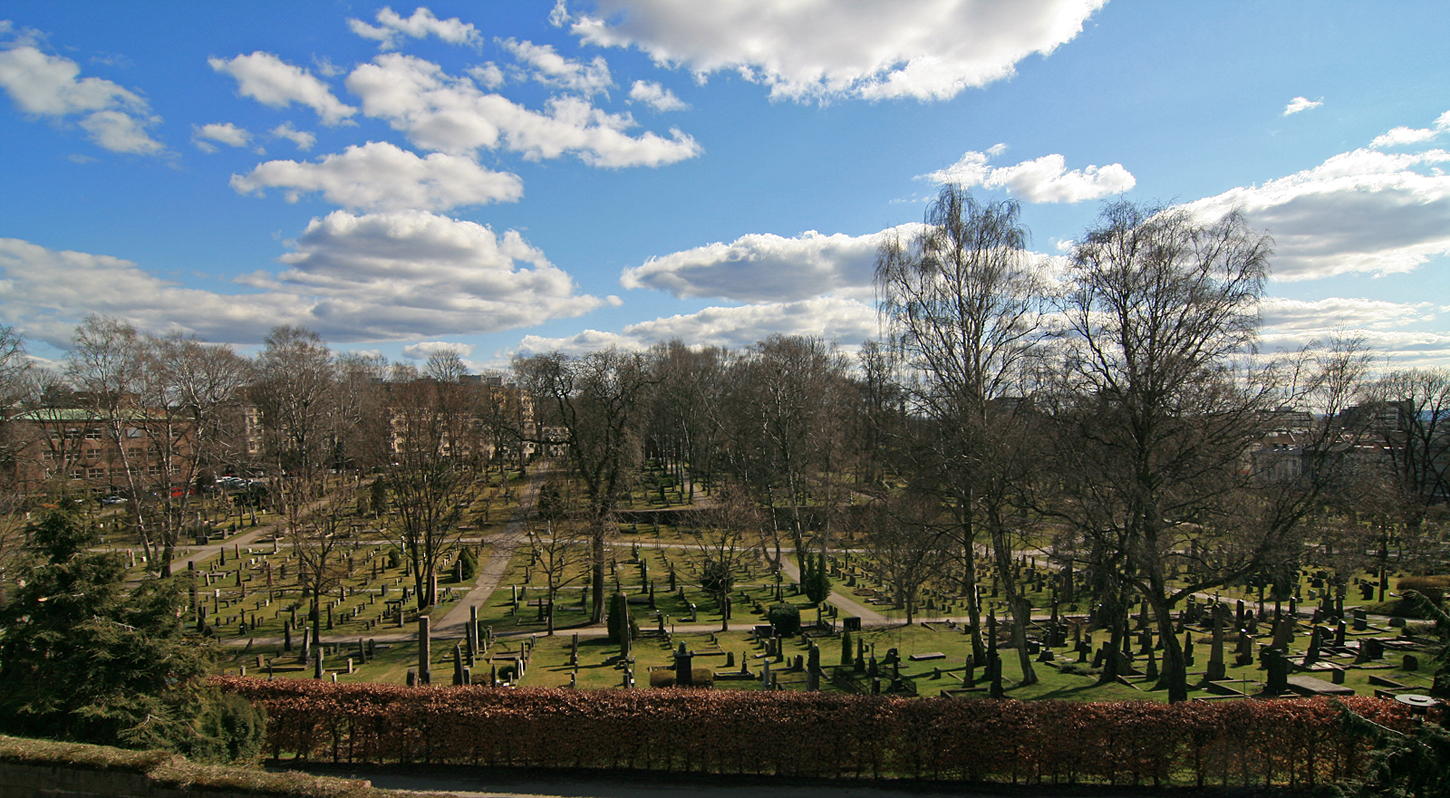
Krist kirkegård is a protected memorial park in central Oslo, on Grubbegata in the Hammersborg area. Today it is a quiet green pocket of the city, but in the 17th century it was a burial ground for plague victims. It suits visitors who enjoy Oslo's history and prefer calmer spots to the usual sightseeing stops.
How did Krist cemetery begin?
After the great fire of 1624, the city was moved to the area around Akershus Fortress. In 1626 a small wooden chapel, Christkirken, was built there. The cemetery beside it was established in 1654, during a plague epidemic. The first person buried was a soldier, Arne Sigvaldssøn from Vang.
Because the cemetery mostly served the military, locals called it "Krigs kirkegård", the War Cemetery. The nickname stuck and reflects the garrison link.
What can you see here?
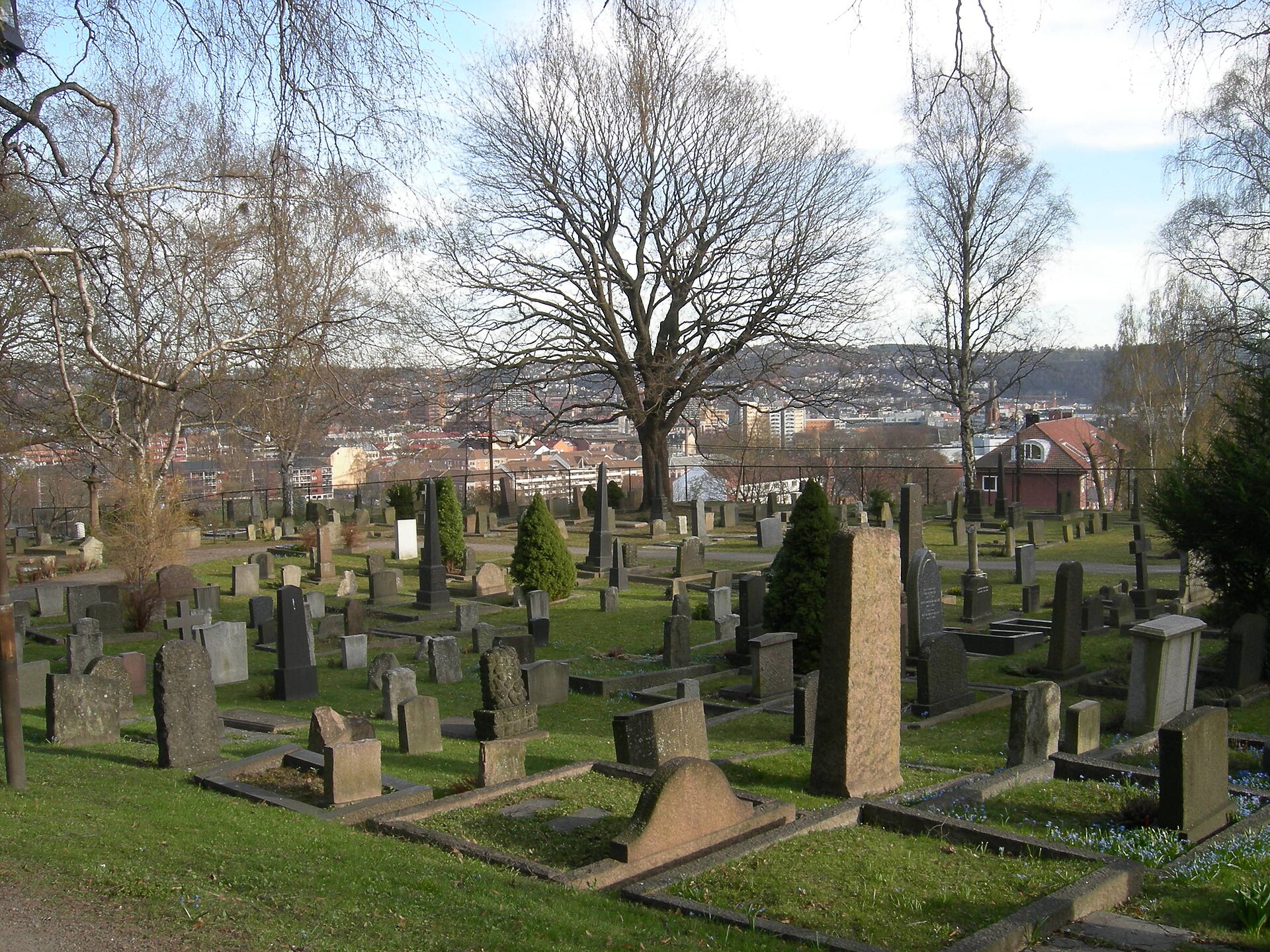
The key monument is the Peststøtten, a 1654 memorial to those who died of the plague. It is the oldest public monument in Oslo. Around it you will find old gravestones, mature trees and short paths that make a small, intimate space amid dense urban buildings.
Those buried here include Nicolay Johan Krog, Andreas Samuel Krebs, August Friedrich von Wackenitz, Niels Treschow and Palle Rømer Fleischer. Edvard Munch's mother is also buried here.
How did it change over time?
The cemetery was enlarged in 1835, 1840 and 1856, eventually reaching Møllergata. Burials ended in 1924. In 1946 Grubbegata was built and split the grounds in two. The lower part became Kristparken in 1964. In 1999 the small cemetery was restored and reopened as a memorial park.
Frequently asked questions
Are burials still held at Krist kirkegård? No. It stopped being a burial site in 1924 and is now a memorial park.
What is the Peststøtten? A monument from 1654 honouring plague victims, regarded as the oldest public monument in Oslo.
Where exactly is it? On Grubbegata in Hammersborg, close to Margaretakyrkan church and the former Deichman library.
How long does a visit take? A short walk of a quarter of an hour is usually enough, and it combines easily with a stroll through the city centre.
Is there an entrance fee? No. It is an open public park, where quiet and respect for the dead are expected.
Who is it for?
History lovers, travellers looking for a quiet moment in the city, and anyone curious about a less obvious side of Oslo will enjoy it. With a little attention you can read traces of several eras here, from the 17th-century plague to 20th-century city building. Keep in mind that it remains a place of remembrance for the people who rest here.
Nearby places

Earn badges for the places you visit
Download NextOnTrip, discover new places and check off your trails.