About this place
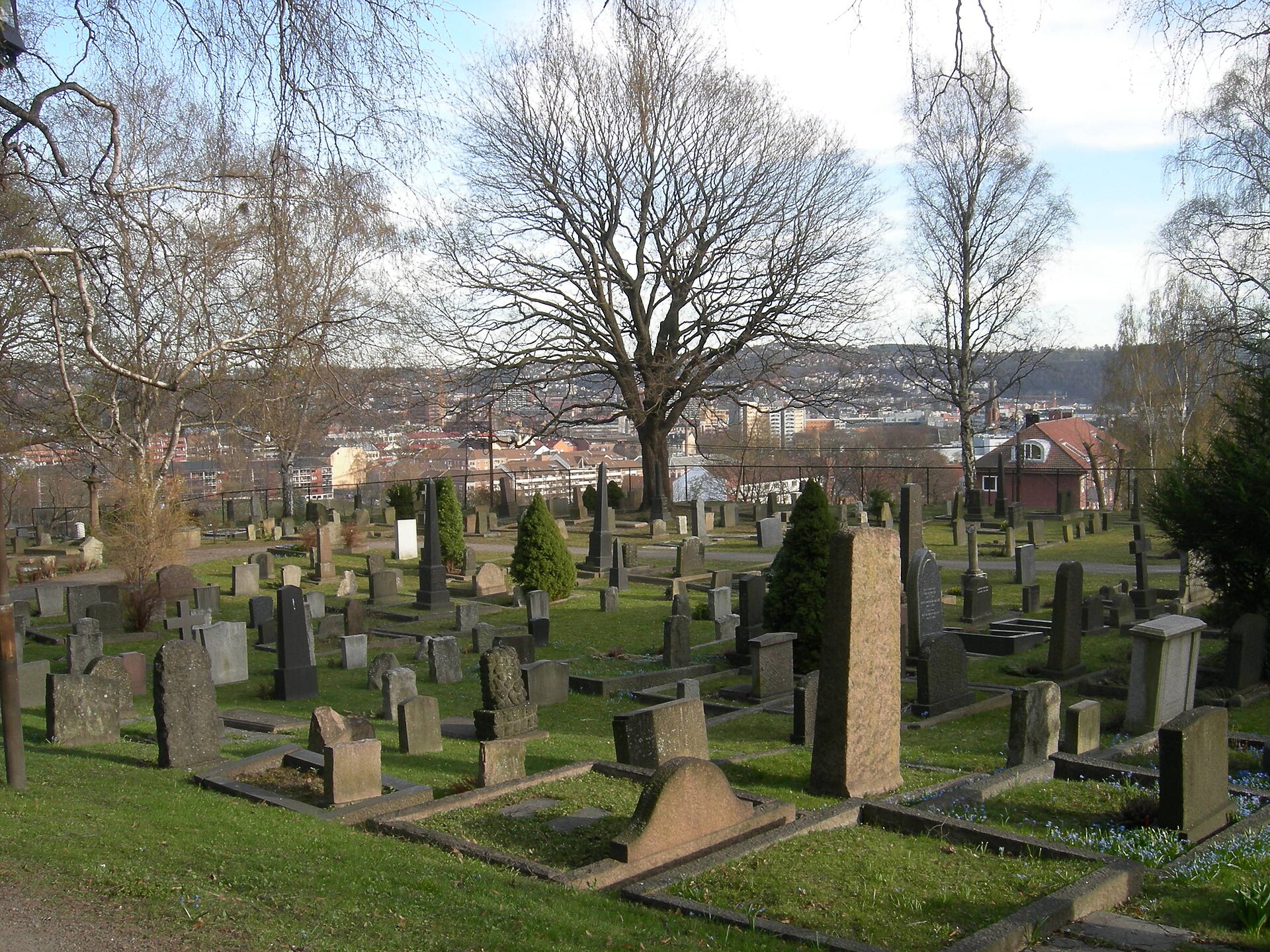
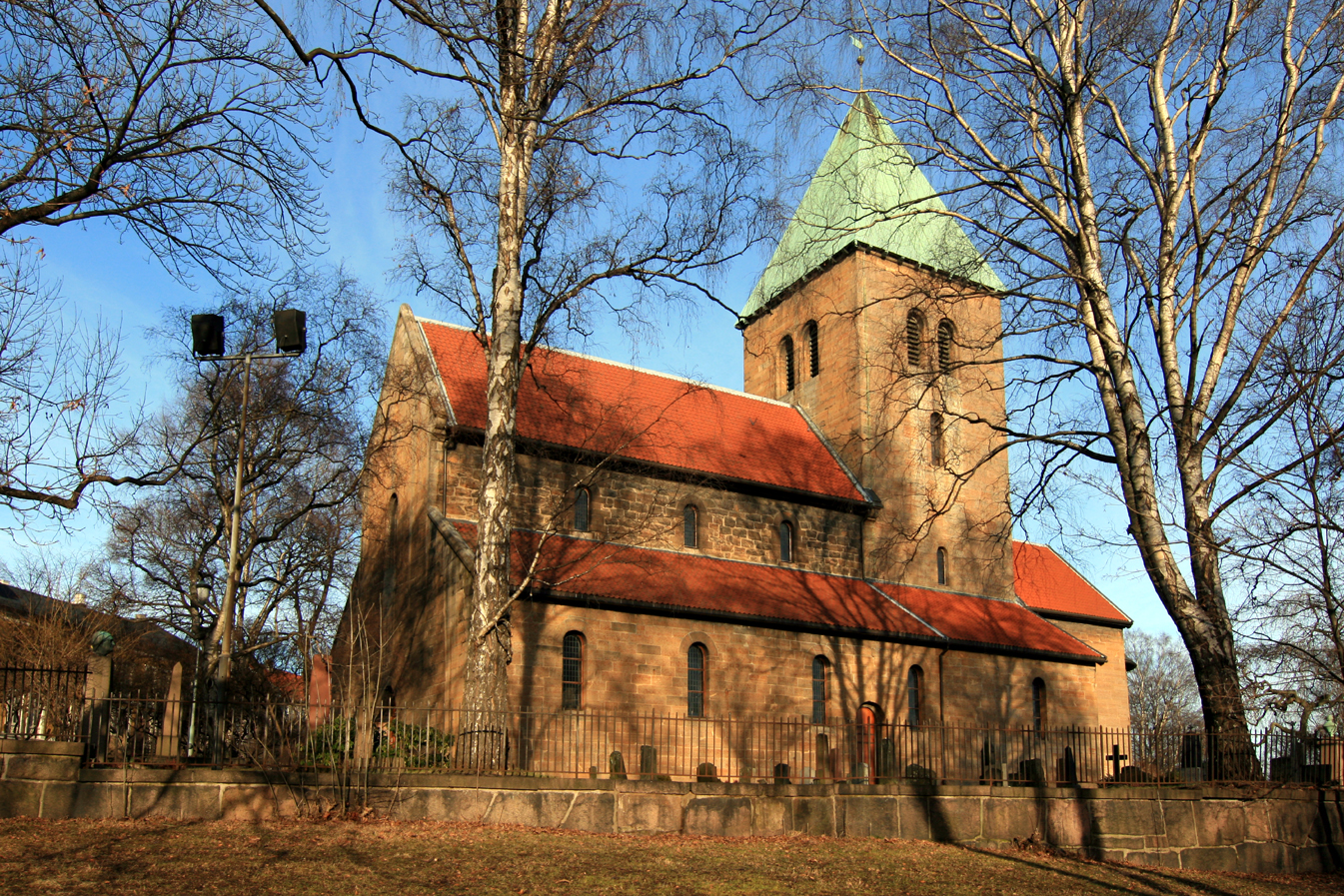
Old Aker Cemetery (Gamle Aker kirkegård) is one of the quietest historic corners of central Oslo. It surrounds Old Aker Church, the oldest surviving building in the Norwegian capital, and both the burial ground and the church trace their origins to the Middle Ages.
What is Old Aker Cemetery?
The cemetery is an active churchyard that wraps around a medieval parish church. The church is still used by its parish, so the site feels like a living part of the city rather than a closed monument. Walking among the graves, you move through several centuries of Oslo's history, with the old stone church as the anchor of the whole area.
Why is it worth visiting?
Few places in Oslo let you stand beside a building that has outlasted nearly everything else from the medieval period. The combination of the ancient church, old gravestones and mature surroundings makes it a good stop for anyone interested in history, architecture or simply a calm break from the busy streets. It is a short, easy visit and works well as part of a wider walk through the city.
How did the cemetery grow?
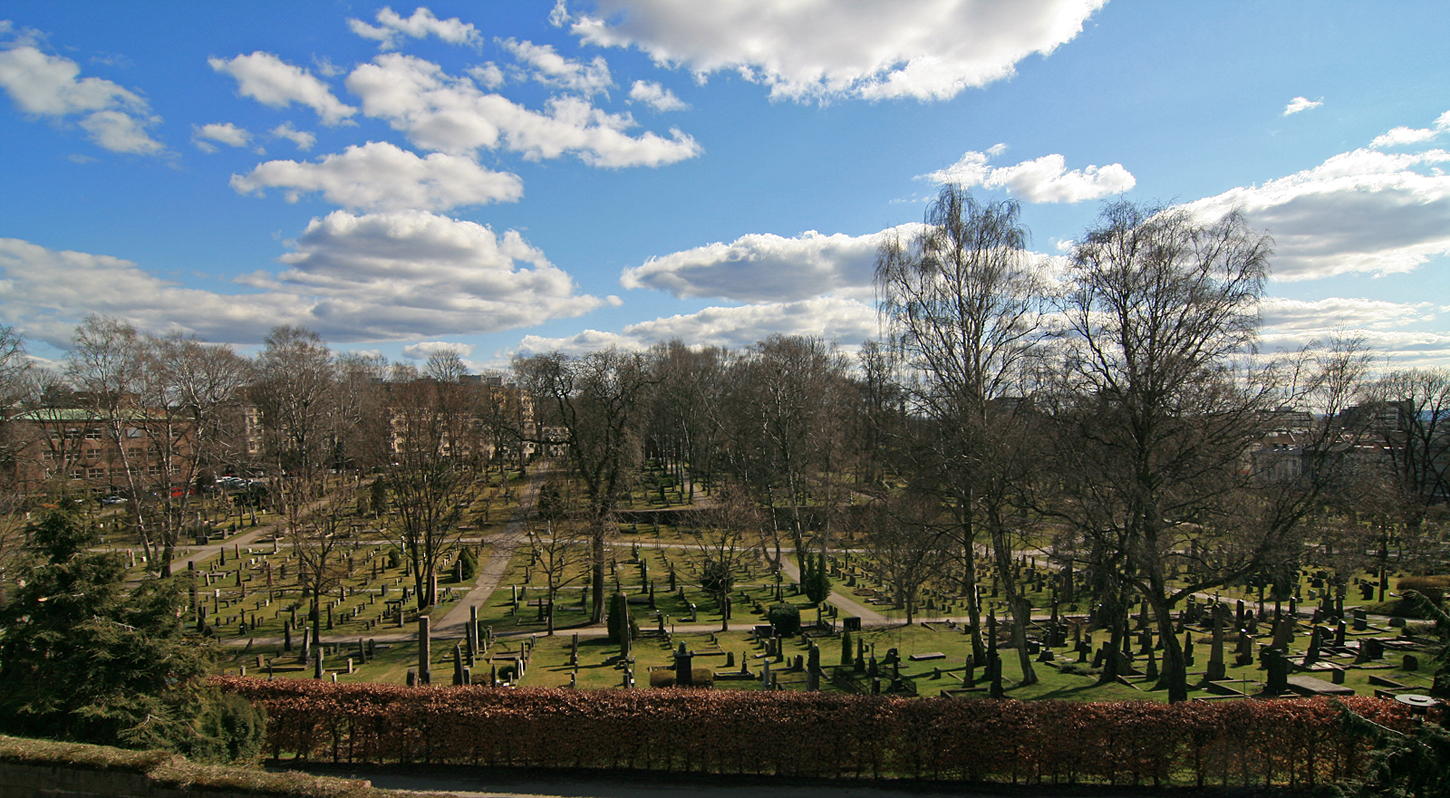
The oldest part lies around the church. A southern section was added later: in 1837 the municipality of Aker set aside land there for people who died in a cholera outbreak. The cemetery was expanded in 1918 and again in 1929, and its newest burial grounds date from the 1940s. Next door lies the Cemetery of Our Saviour, which opened in 1808, so two historic burial grounds sit side by side.
Who is buried here?
Several well-known Norwegians rest in Old Aker Cemetery. Examples include:
- Axel Aubert (1873-1943), a chemical engineer who served as director-general of Norsk Hydro from 1926 to 1941.
- Theodor Hesselberg (1885-1966), for many years director of the Meteorological Institute.
- Lars Holst (1848-1915), editor-in-chief of the newspaper Dagbladet from 1883 to 1898.
- Johannes Haarklou (1847-1925), a composer, organist and conductor.
- Petter Moen, a member of the resistance whose urn was placed here in autumn 1945. He is remembered for his diary, published after his death as Petter Moens dagbok.
These names are examples, not a complete list of those buried here.
Can people still be buried here?
Burial is now restricted. Only people with a connection to someone already buried in the cemetery, or to the Gamle Aker parish, can be interred, and only as urn burials. This keeps the grounds peaceful and limits change to the historic site.
Visiting tips
- Treat it as a place of remembrance: keep voices low and stay on the paths.
- Combine the visit with a look at Old Aker Church itself, the oldest existing building in Oslo.
- The neighbouring Cemetery of Our Saviour makes a natural addition to the same walk.
- The cemetery is easy to reach from the city centre, so no special planning is needed.
Frequently asked questions
Is Old Aker Cemetery still in use? Yes, but only for urn burials of people connected to existing graves or to the Gamle Aker parish.
What is next to the cemetery? Old Aker Church stands in the middle of it, and the Cemetery of Our Saviour, opened in 1808, lies alongside.
How old is the site? Both the church and the cemetery date back to the Middle Ages.
Are there famous graves? Yes. Among others, the industrialist Axel Aubert, the editor Lars Holst, the composer Johannes Haarklou and the resistance member Petter Moen are buried here.
Is it a good place for a short visit? Yes. It is compact, calm and rich in history, which makes it ideal for a short stop in Oslo.
Nearby places

Earn badges for the places you visit
Download NextOnTrip, discover new places and check off your trails.