About this place
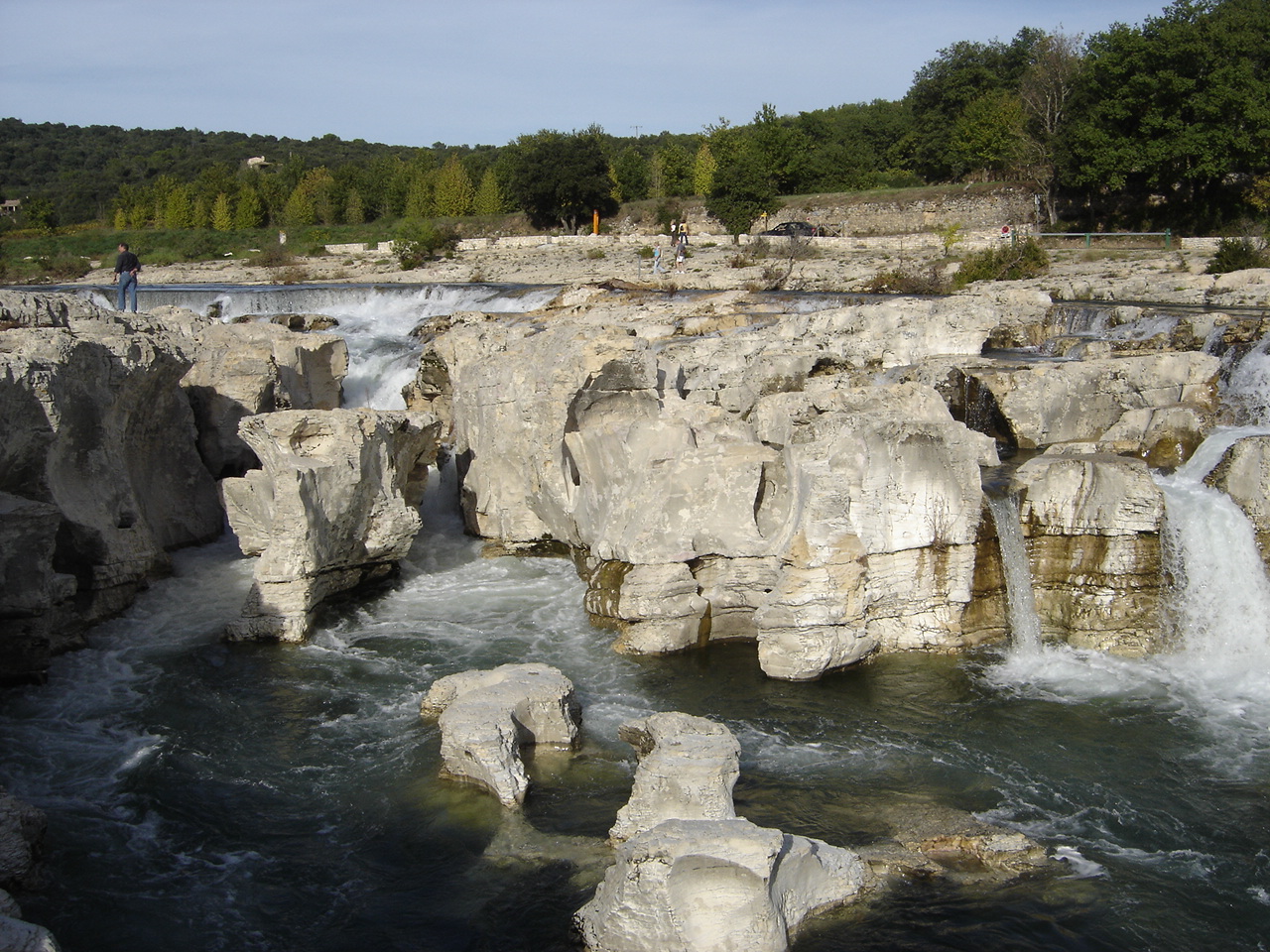
Grotte de la Salpêtrière is a deep rock shelter in the commune of Remoulins, in the Gard department, right on the bank of the Gardon river — just 200 meters downstream from the famous Pont du Gard aqueduct. Its size is modest, but its scientific weight is not: this is one of the reference sites for Ice Age archaeology across the whole Mediterranean south of France.
Why does this site matter?
The shelter preserves one of the most complete stratigraphic sequences of the Upper Paleolithic found anywhere in Mediterranean France. Its layered deposits form an unbroken record stretching from the Aurignacian, roughly 28,000 years ago, through successive phases of occupation, down to the Azilian, one of the last hunter-gatherer cultures before the arrival of farming. Sequences this continuous are rare, which is why the site has drawn prehistorians for decades.
It was here that archaeologists first identified and named the Salpêtrian culture (Salpêtrien), a distinct late Upper Paleolithic phase dated to around 19,000 years ago, recognized in layers sitting between the Solutrean below and the later Magdalenian above. Within those same layers, excavators also found traces of hut structures — the remains of shelters built by people who camped periodically beneath the rock overhang.
How do you get there?
The shelter sits right next to Pont du Gard, one of the region's most visited landmarks, so most visitors combine the two into a single outing. By car, local roads through the Gard department lead toward Remoulins; from the parking areas near the aqueduct, the shelter can be reached on foot along the right bank of the Gardon. Sturdy footwear is worth packing — the ground near the river is uneven, and the limestone can turn slippery after rain.
What will you actually see?
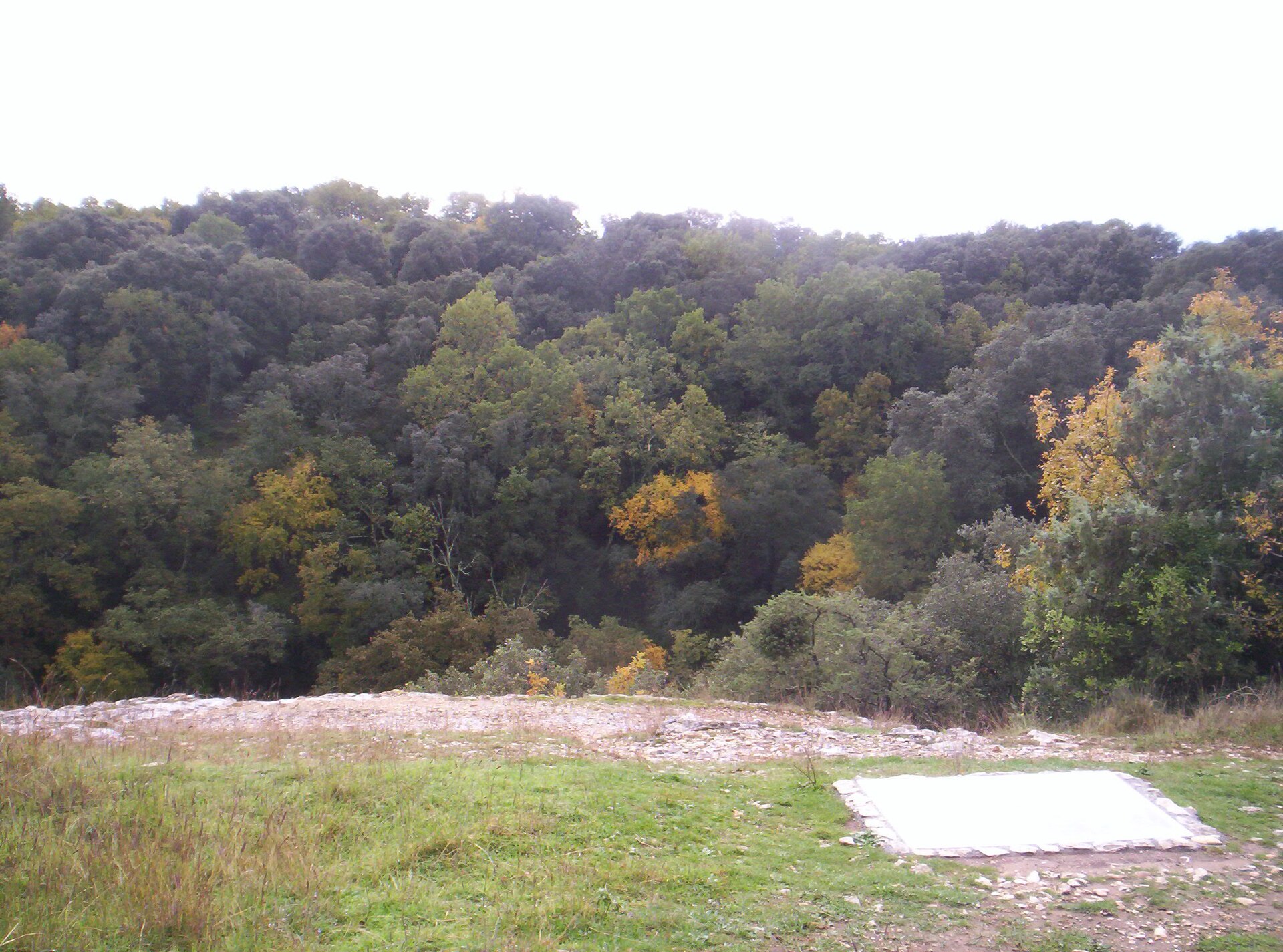
The cave itself is a modest but deep recess cut into the rock face, tucked into the limestone cliffs typical of this stretch of the Gardon valley. Don't expect a museum-style visitor setup — the draw here is context rather than spectacle: standing at a single point on the map where people lived, on and off, for tens of thousands of years, leaving layer after layer of evidence behind. For anyone interested in deep prehistory, the site carries real symbolic weight, serving as a reference point for the entire late Paleolithic chronology of the Mediterranean region.
The shelter was formally listed as a monument historique by decree on 19 June 1931, granting it legal protection and a permanent place in France's national heritage register.
When is the best time to visit?
Spring and early autumn are the most comfortable seasons, when temperatures in the Gardon valley are milder than at the height of summer and the riverside paths near Pont du Gard are less crowded. Provençal summers can get punishingly hot in this part of Gard, particularly at midday, so a morning visit is the more sensible plan during that season.
Frequently asked questions
Where exactly is the Grotte de la Salpêtrière? In the commune of Remoulins, Gard department, on the right bank of the Gardon river, about 200 meters downstream from the Pont du Gard aqueduct.
Why is this site archaeologically important? It is the type site of the Salpêtrian culture and holds one of the most complete Upper Paleolithic stratigraphic sequences in Mediterranean France, spanning from the Aurignacian to the Azilian.
Can you visit the shelter on your own? It is a protected archaeological site rather than a developed museum attraction, so it's best visited with respect for its heritage status — most people see it as part of a Pont du Gard visit.
Did people actually live at this site? Yes — within the Salpêtrian layers, archaeologists found the remains of hut structures, evidence that hunter-gatherer groups occupied the shelter periodically.
Nearby places

Earn badges for the places you visit
Download NextOnTrip, discover new places and check off your trails.