About this place
Forat del Gel is a cave in Llimiana, a small municipality in the Pallars Jussà region of Catalonia. It sits on the northern slope of the Montsec de Rúbies massif, between the peaks of Tossal de la Torreta and Tossal de Mirapallars. The Catalan name translates to "Hole of Ice," a fitting label for the phenomenon that draws cave enthusiasts here throughout the year.
What will you see inside?
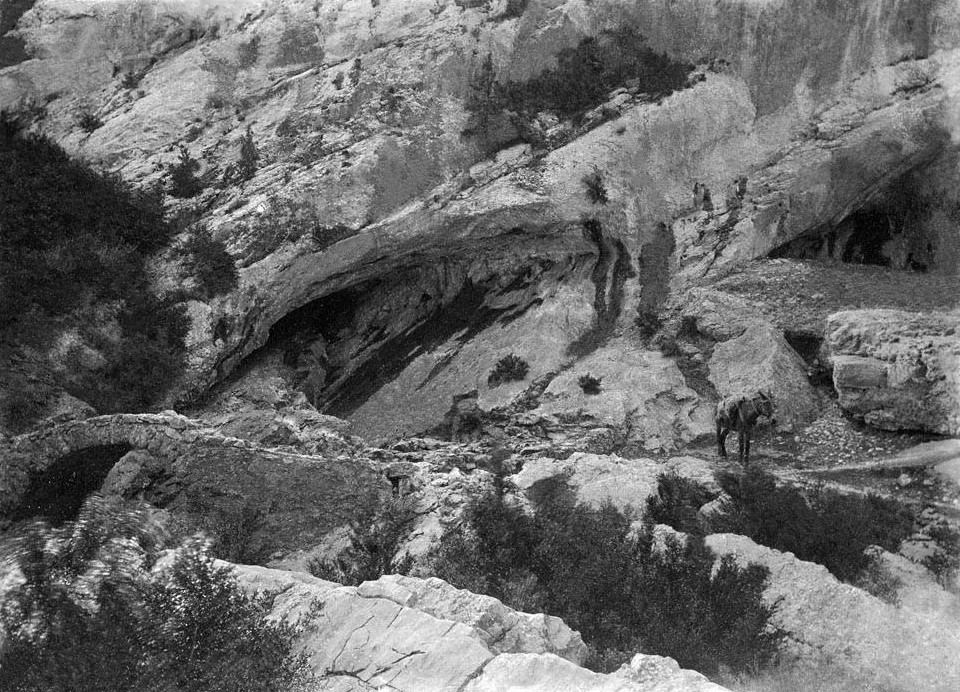
The entrance to Forat del Gel is marked by a striking portal roughly 10-12 meters high, visible from a good distance away. Behind it stretches a single wide, elongated gallery that descends steeply into the hillside — the whole system runs about 200 meters in length and reaches nearly 60 meters in depth.
The main draw is the ice formations that give the cave its name. Water seeping through the rock walls freezes wherever cold air stays trapped at a consistently low temperature, building up ice stalactites and flowstone-like formations. They are most visible in winter, on the right side of the main gallery, where dripping water hardens into distinctive icicles and columns.
The cave also carries a layered history. Archaeological work has uncovered remains from the Neolithic, Bronze Age, Roman, and Medieval periods, evidence of human presence here across many millennia. During wartime, the cave served as a natural hideout, adding a lesser-known chapter to its story.
Near the entrance grows Timmia megapolitana, a critically endangered moss species. This is the only confirmed location of the species on the entire Iberian Peninsula, making Forat del Gel a site of real interest for botanists and conservationists as well as hikers.
How do you get to Forat del Gel?
The cave lies within the Montsec massif, in the municipality of Llimiana in Lleida province. Access is usually on foot, via a trail crossing the slopes of Montsec de Rúbies — the route forms part of loops popular with local hikers that link nearby summits such as Tossal de la Torreta and Tossal de Mirapallars. Given the steep approach and rocky terrain, sturdy trekking boots and enough time in your schedule are worth planning for.
When should you visit?
Winter and early spring are the best times to visit, when the ice formations deep inside the cave are at their most developed and dramatic. In summer, the interior stays cool regardless of the season outside, making it a pleasant stop during hikes across the sun-exposed slopes of Montsec. Keep in mind that exploring the deeper sections requires proper caving preparation and equipment, so for most visitors the entrance area — with its distinctive rock portal — is the highlight worth seeing.
Frequently asked questions
What is Forat del Gel? It's a cave in Llimiana within the Montsec massif, known for the ice formations that build up inside it and for archaeological finds dating back to the Neolithic period.
How big is the cave? The system measures about 200 meters in length and reaches almost 60 meters in depth, forming a single wide, descending gallery.
Is there always ice inside? The ice formations are most visible in winter and early spring, when dripping water freezes in the consistently cold air trapped deep inside the cave.
Is the cave ecologically important? Yes — near the entrance grows the only confirmed Iberian Peninsula population of Timmia megapolitana, a critically endangered moss species.
Nearby places

Earn badges for the places you visit
Download NextOnTrip, discover new places and check off your trails.