About this place
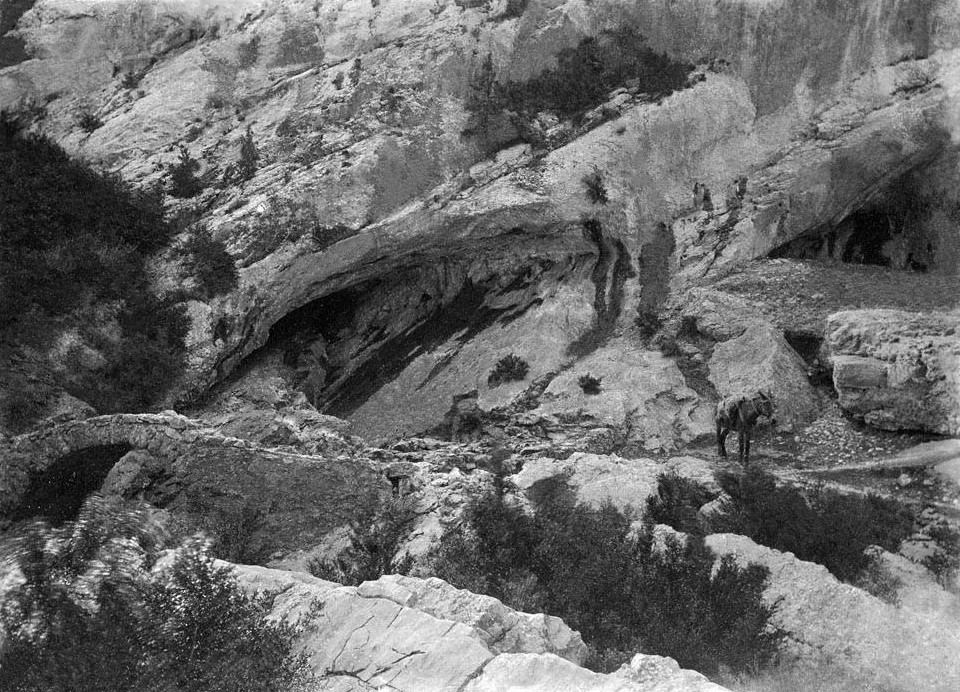
Cova Negra de Mata-solana is a cave in the municipality of Llimiana, in the Pallars Jussà region of Catalonia. It sits on the northern slope of the Montsec de Rúbies range, in the Vall de Barcedana, a short distance from the small hamlet of Mata-solana, which gives the cave its name.
How do you get there?
The cave is reached on foot from Mata-solana, along a route of moderate difficulty — the walk demands reasonable fitness but doesn't require caving experience or technical gear. The surrounding Montsec massif is known for its limestone landscape, scattered caves, and hiking trails that connect the quiet villages of Pallars Jussà, making it a rewarding stop for both casual walkers and anyone drawn to the region's karst scenery.
What will you find inside?
Cova Negra has a strikingly distinctive layout. A half-moon-shaped entrance, roughly 28 metres long and 4 metres wide, opens into a single large main chamber. That chamber is close to circular in plan, topped by a parabolic ceiling, and spans somewhere around 60 to 70 metres across — dimensions that make an immediate impression once you're inside. From the entrance down to the cave floor the ground drops steeply, with a vertical difference of around 23 metres, so exploring the interior calls for care and sturdy footwear.
The walls and ceiling are lined with stalactites, while stalagmites rise from the floor below, some of them notably large. The contrast between the cathedral-like scale of the main chamber and the finer detail of the mineral formations is what makes the cave worth the walk, even for visitors who wouldn't otherwise call themselves cave enthusiasts.
Why does the cave matter archaeologically?
Cova Negra de Mata-solana is more than a geological curiosity — it's a significant archaeological site. During the Bronze Age, roughly between 1800 and 650 BC, the cave served as a cremation necropolis. Funerary urns once filled much of the chamber's floor, evidence that the site was used over a long period by communities settled around the Montsec range in prehistoric times. In a region like Pallars Jussà, where traces of ancient settlement are common, this cave stands out as a well-documented example of a natural cavity used for ritual burial.
Who is this visit for?
A trip to Cova Negra blends hiking, nature, and history, which makes it appealing both to travellers looking for an active day in the mountains and to anyone with an interest in archaeology or geology. Given the uneven terrain and the steep drop inside the cave, a torch and solid hiking boots are worth bringing along. Spring and autumn tend to be the best seasons for the walk, when temperatures across Pallars Jussà are comfortable for a longer approach, avoiding the harsher summer heat on the exposed, rocky slopes of Montsec.
Frequently Asked Questions
Where exactly is Cova Negra de Mata-solana located? The cave lies within the municipality of Llimiana in Pallars Jussà, on the northern slope of Montsec de Rúbies, close to the hamlet of Mata-solana.
How difficult is the route to the cave? The walk from Mata-solana is rated as moderately difficult — it requires reasonable fitness but no specialised caving skills.
What can you see inside? A near-circular main chamber with a parabolic ceiling covered in stalactites, and stalagmites — some quite large — rising from the cave floor.
Why is the cave historically significant? During the Bronze Age (roughly 1800–650 BC) it functioned as a cremation necropolis, with funerary urns once covering much of the interior, making it a valuable archaeological site.
Nearby places

Earn badges for the places you visit
Download NextOnTrip, discover new places and check off your trails.