About this place
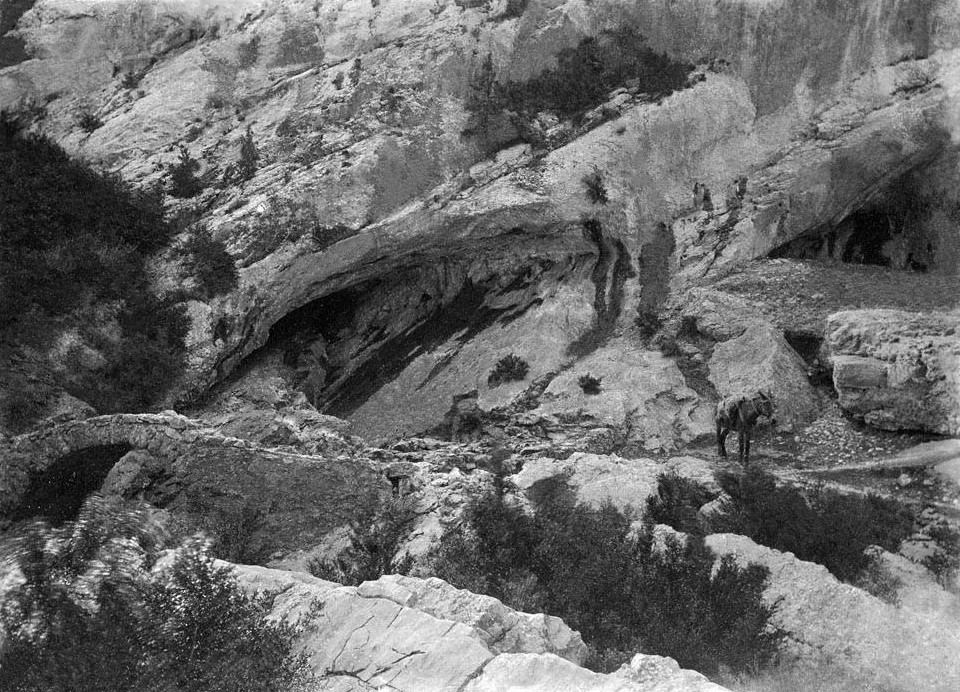
Cova de la Platja is a small cave in the municipality of Castell de Mur, in the Pallars Jussà district of the Catalan Pyrenees. It sits inside the Congost de Terradets, the narrow gorge where the Noguera Pallaresa river cuts through the Serra del Montsec range. The name comes from the small sandy beach ("platja" in Catalan) that the river forms on its right bank at this exact spot — the origin of the cave's everyday name.
Where is it and how do you get there?
The cave lies right beside the C-13 road that runs along the Terradets gorge, just south of the point where a stream from the Bosc ravine joins the Noguera Pallaresa. It sits in the same stretch of valley as Castell de Mur, the best-preserved 11th-century Romanesque fortress in all of Catalonia, perched on a hilltop above the river next to the ruins of the Santa Maria monastery. Access is via the C-13, the road linking Tremp and Balaguer through the gorge; the cave itself is marked by a visible opening in the rock face just above the riverbed.
What will you see inside?
Cova de la Platja formed from an ancient spring that drained water from the Serra del Montsec massif over thousands of years. Inside, an ascending gallery leads to a shaft (a well-like drop) at its end, while a second, descending passage branches east toward another chamber that sits only a few metres above the river. Higher up the cliff face, above the main cave, is a smaller cavity known as Cova de Té-do'm, and lower down, closer to the water, a spring resurgence called the Cova de la Platja surgència still flows — a remnant of the same underground system that carved out the main cave. This cluster of three connected karst features packed into a small stretch of rock is what makes the site interesting for anyone curious about geology or caving.
When is the best time to visit?
Spring and autumn are the best seasons: river levels in the Noguera Pallaresa are moderate and temperatures in the Terradets gorge are comfortable for walking along the C-13. Summer brings strong sun and more river traffic through the gorge, while winter can make the riverbank harder to reach after heavy rain raises water levels. Going inside the cave itself calls for basic caving experience and equipment, but the gorge setting and the view of the rock face are accessible to anyone who stops along the road.
Frequently asked questions
What is Cova de la Platja? It's a natural cave in the municipality of Castell de Mur, carved out by an ancient spring draining the Serra del Montsec, with an ascending gallery ending in a shaft and a second chamber just above the river.
Where does the cave's name come from? "Platja" means beach in Catalan — the name refers to the small sandy beach the Noguera Pallaresa river forms on its right bank at this point in the Terradets gorge.
Is the cave connected to other features nearby? Yes. Directly above it is the smaller Cova de Té-do'm cave, and lower down, right at the river, a spring resurgence known as the Cova de la Platja surgència emerges from the same underground system.
What else is worth seeing close by? A short distance along the C-13 stands Castell de Mur, the best-preserved 11th-century Romanesque fortress in Catalonia, overlooking the Noguera Pallaresa next to the ruined Santa Maria monastery.
Nearby places

Earn badges for the places you visit
Download NextOnTrip, discover new places and check off your trails.