About this place
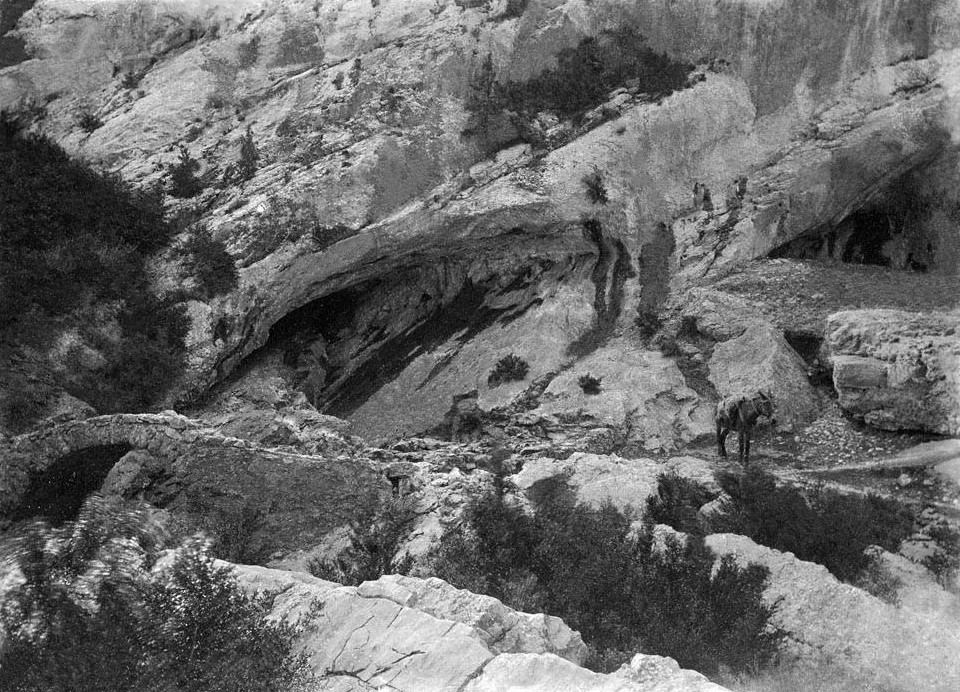
Cova de Grabiel is a small cave in the municipality of Castell de Mur, in the Pallars Jussà comarca of Catalonia, in northeastern Spain. It sits at roughly 630 metres of altitude, on the north slope of the Roca Regina ridge, close to a ravine known as the Barranc del Bosc and not far from the headwaters of the Sant Pere stream. It's a destination for travellers drawn to the quieter, wilder corners of the Pyrenees — rugged, uncrowded, and far from the usual tourist trail.
Where is Cova de Grabiel located?
The cave lies within the municipality of Castell de Mur, in an area historically linked to the former municipality of Guàrdia de Tremp. It sits near the southeastern edge of the municipality, close to the Congost de Terradets — a striking gorge carved by the Noguera Pallaresa river, one of the most recognisable landmarks in this part of Pallars Jussà. Its coordinates are approximately 42.0474° N, 0.8848° E.
How do you get there?
The usual starting point for exploring the area is Castell de Mur itself — a small village with a medieval castle and a Romanesque church, perched scenically on a hilltop overlooking the valley. From the village or the surrounding local roads, tracks lead toward Roca Regina and the Congost de Terradets. Since the terrain is rocky and mountainous, it's worth carrying a good hiking map of the Pallars Jussà area and checking locally on current access conditions — the cave sits in wild terrain with no marked tourist infrastructure.
What will you see nearby?
Cova de Grabiel itself is a modest rock cave, known mainly to caving enthusiasts — it's listed in the Catalan speleological catalogue (Catàleg Espeleològic de Catalunya). The real draw of this corner of the Pyrenees is the surrounding landscape: the steep limestone walls of Roca Regina, visible from a distance, and the Congost de Terradets itself — a deep rock gorge cut by the river, popular with climbers and landscape photographers. It's classic Pallars Jussà scenery — rugged and rocky, with views toward the Pyrenean peaks and the Pantà de Terradets reservoir down in the valley.
When is the best time to visit?
Spring (April to June) and early autumn (September to October) are the best times to visit, when temperatures are mild and the trails aren't baking under the summer sun typical of inland Catalonia's Mediterranean climate. Summers can get very hot, while in winter the higher ground can be harder to reach due to rain and the cooler mountain microclimate.
Frequently asked questions
Is Cova de Grabiel accessible to casual visitors? The cave sits in wild terrain with no prepared infrastructure, so it's mainly a target for those interested in caving or off-trail trekking. Most travellers will find more to see in the village of Castell de Mur itself and the views over the Congost de Terradets.
Is it worth combining with other sights in the region? Yes — the Pallars Jussà area also offers the castle and church at Castell de Mur, the Congost de Terradets gorge, and the Pantà de Terradets reservoir, popular with kayakers and climbers.
Do you need a guide to reach the cave? Since there are no marked trails leading directly to the cave, it's worth asking locally or hiring a caving guide, especially if you plan to go inside.
How far is Castell de Mur from major towns? The area lies deep in the Catalan Pyrenees, within a reasonable drive of Tremp and other towns in the valley — a typical stop for a road trip through rural Catalonia.
Nearby places

Earn badges for the places you visit
Download NextOnTrip, discover new places and check off your trails.