About this place
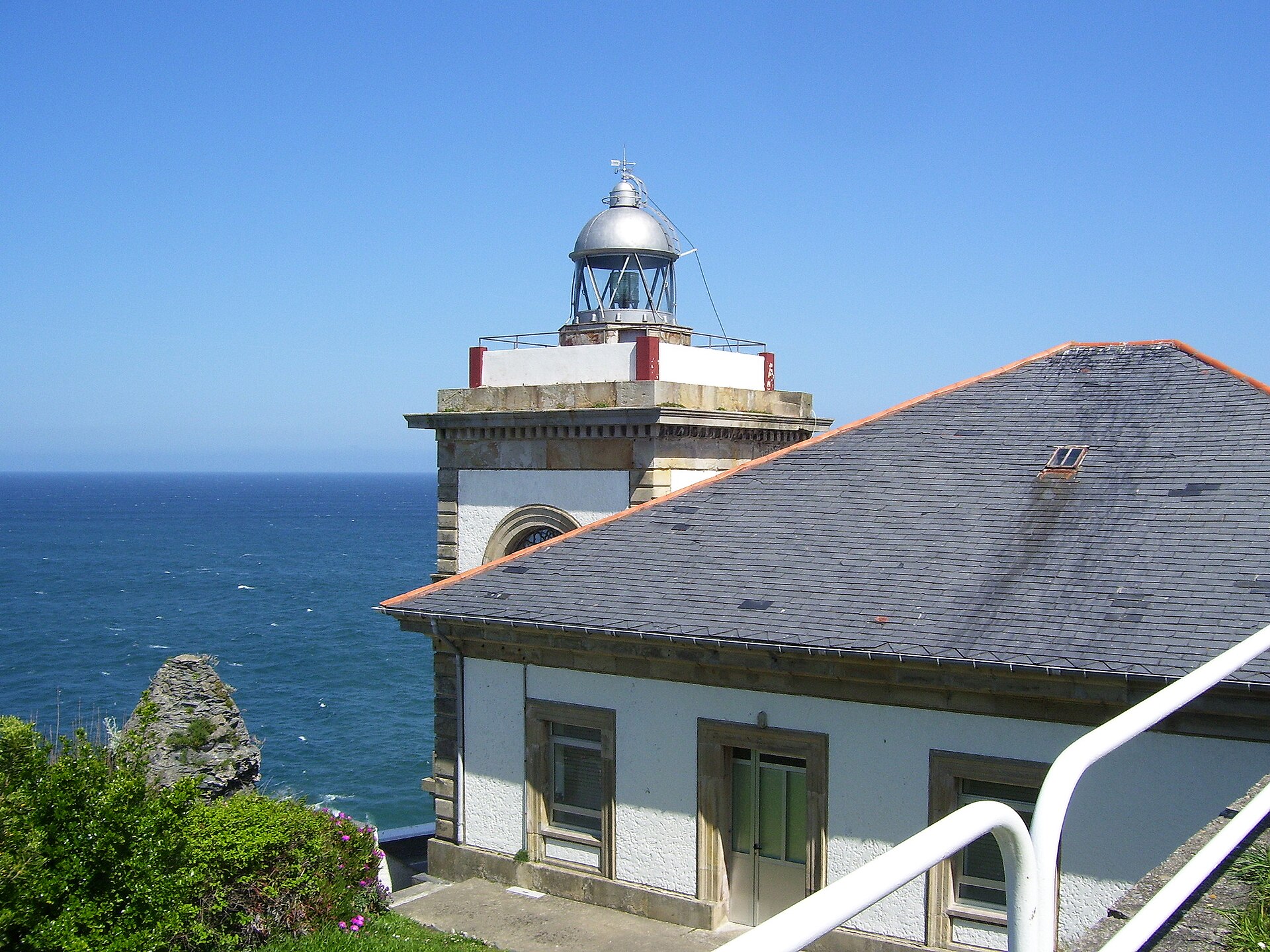
Faro de Cabo Vidío is a lighthouse perched on the cliffs of Cape Vidío, near the village of Oviñana, in the municipality of Cudillero, Asturias. It's one of the most striking viewpoints on the Cantabrian coast, with the light standing on a cliff edge nearly 100 meters above the sea and open views stretching for miles along the shoreline in both directions.
Why was a lighthouse built here?
This stretch of coast had a long reputation for dangerous sailing conditions — strong winds, jagged rocks, and frequent fog contributed to a string of shipwrecks over the years. After sustained requests from local sailors and port authorities, the project for the lighthouse was finally approved in 1942. Construction began in 1948 and was completed in 1950. Faro de Cabo Vidío is one of the last lighthouses built on mainland Spain and the most recent one in Asturias, which makes it a notable example of the final wave of Spain's maritime signal network.
What will you see there?
The lighthouse complex consists of two separate buildings enclosed by a wall, a layout typical of Spanish lighthouses from that era. The tower itself is relatively modest in height — around 9 meters — but because it sits at the edge of a tall cliff, the light reaches a focal height of about 101 meters above sea level, making it one of the highest-positioned lights on this coast. The real draw for visitors is the surrounding scenery: sweeping views over the cliffs, the open Atlantic, and nearby coves, especially striking at sunset when the light hits the rock and water.
Today the lighthouse operates fully automatically and is monitored remotely by maritime signal technicians. The traditional lighthouse keeper, who once lived on site and ran the equipment by hand, is a thing of the past — the buildings next to the tower are no longer permanently inhabited.
How do you get there?
Faro de Cabo Vidío sits in the municipality of Cudillero, close to the village of Oviñana, on the Asturian coast. Getting there by car means following local roads that branch off the main coastal route toward the cape — the final stretch is usually a narrow access road ending at a small parking area near the lighthouse. The spot is a popular stop on coastal hiking routes in this part of Asturias, connecting with other cliffside trails around Cudillero.
When should you visit?
Because the site sits exposed on an open cliff top, wind can be strong here — it's worth checking the forecast before heading out, especially in autumn and winter. Spring and summer generally offer the best conditions for visiting and photography, with longer daylight hours and typically better visibility. Sunset is a particular favorite among photographers and anyone looking for a quiet spot overlooking the Atlantic.
Frequently Asked Questions
Can you go inside the lighthouse? No, the lighthouse is an active, remotely operated facility, so the interior isn't open to visitors. You can, however, walk freely around the surrounding grounds and cliffs.
How high above the sea is the light? The light's focal point sits at roughly 101 meters above sea level, even though the tower itself is only about 9 meters tall — the height comes from its position on top of a tall cliff.
Are there other attractions nearby? Cabo Vidío is part of the Cudillero coastline, known for its dramatic cliffs and hiking trails. It's easy to combine a visit with a coastal walk or a trip into the town of Cudillero itself.
Do you need a car to get there? Yes, a car is the most practical option, since the site lies off the main public transport routes and the final approach follows a local access road.
Nearby places

Earn badges for the places you visit
Download NextOnTrip, discover new places and check off your trails.