About this place
Ermita de Santa Agnès is a small hermitage chapel in the municipality of Benifallet, set within the Serra de Cardó mountain range in the Baix Ebre region of Catalonia.
What is this place?
The building was constructed in 1622 in the Sant Roc ravine, funded by the friar Gabriel de la Santíssima Trinitat. It belonged to a group of hermitages built between 1613 and 1622 around the former convent of Sant Hilari de Cardó. These were home to hermits who chose isolated living over shared monastic life — each occupied a modest hut set apart from the main chapel and from one another. The whole settlement lasted until 1835, when Spain's ecclesiastical confiscation (desamortización) forced the secularization of church properties and the hermitages were abandoned. Today the Ermita de Santa Agnès is listed in Catalonia's Inventory of Architectural Heritage and protected as an asset of local cultural interest.
What does the building look like?
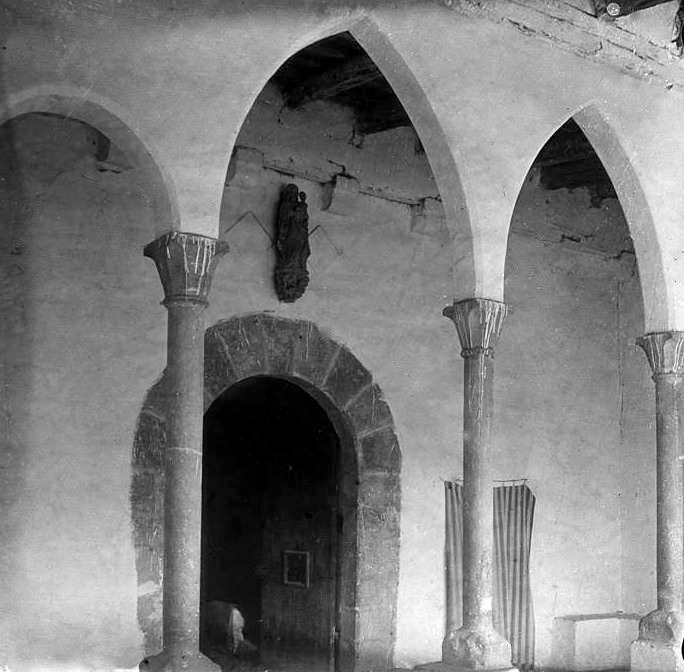
It is a rectangular, single-story structure of modest size, topped with a two-slope roof. One of its walls carries a characteristic espadaña — an open bell gable typical of religious architecture in this part of Catalonia. The walls were built from irregular stone blocks bound with mortar, complemented by brick and wood. The plain construction reflects the austere character of the hermit life the building served: there is little ornamentation, and the form is entirely subordinated to prayer and shelter.
Where is it and how do you get there?
The chapel sits in the Cardó valley, surrounded by centuries-old cypress and yew trees that create a distinctive microclimate and landscape in this part of Catalonia. It forms one stop on the trail known as the Route of the Hermitages, which threads through the site of the old Cardó hermit settlement. The route is walked on foot — trails set out from Benifallet and climb through the hilly terrain of the Serra de Cardó, linking several similar chapels scattered across the surrounding hills. Sturdy hiking shoes and water are recommended, since stretches of the path can be steep and offer little shade.
When should you visit?
Spring and autumn are the best times to come, when temperatures in Baix Ebre are moderate and hiking through the Serra de Cardó is most comfortable. Summer heat can be intense, particularly on exposed sections of the trail, so an early morning start is worth planning for. The cypress and yew forest around the hermitage keeps its character year-round, giving the site appeal regardless of season.
What else is worth seeing nearby?
A visit to Santa Agnès pairs well with the other hermitages of the Cardó complex and the ruins of the Sant Hilari convent, which served as the spiritual center of the whole hermit settlement. The broader Serra de Cardó area offers views over the Ebro river valley and is valued by hikers and anyone interested in the region's religious architecture.
Frequently asked questions
When was the Ermita de Santa Agnès built? It was built in 1622, part of a group of hermitages raised around the Sant Hilari de Cardó convent between 1613 and 1622.
Why was the hermitage abandoned? The hermits left in 1835 as a result of Spain's ecclesiastical confiscation, which secularized church-owned properties across the country.
How do you reach the hermitage? On foot, via the Route of the Hermitages trail starting from Benifallet and running through the Serra de Cardó.
Is it worth combining with other sights? Yes — nearby are the other hermitages of the Cardó complex and the ruins of the Sant Hilari convent, making it easy to plan a full day of hiking through this historic area.
Nearby places

Earn badges for the places you visit
Download NextOnTrip, discover new places and check off your trails.