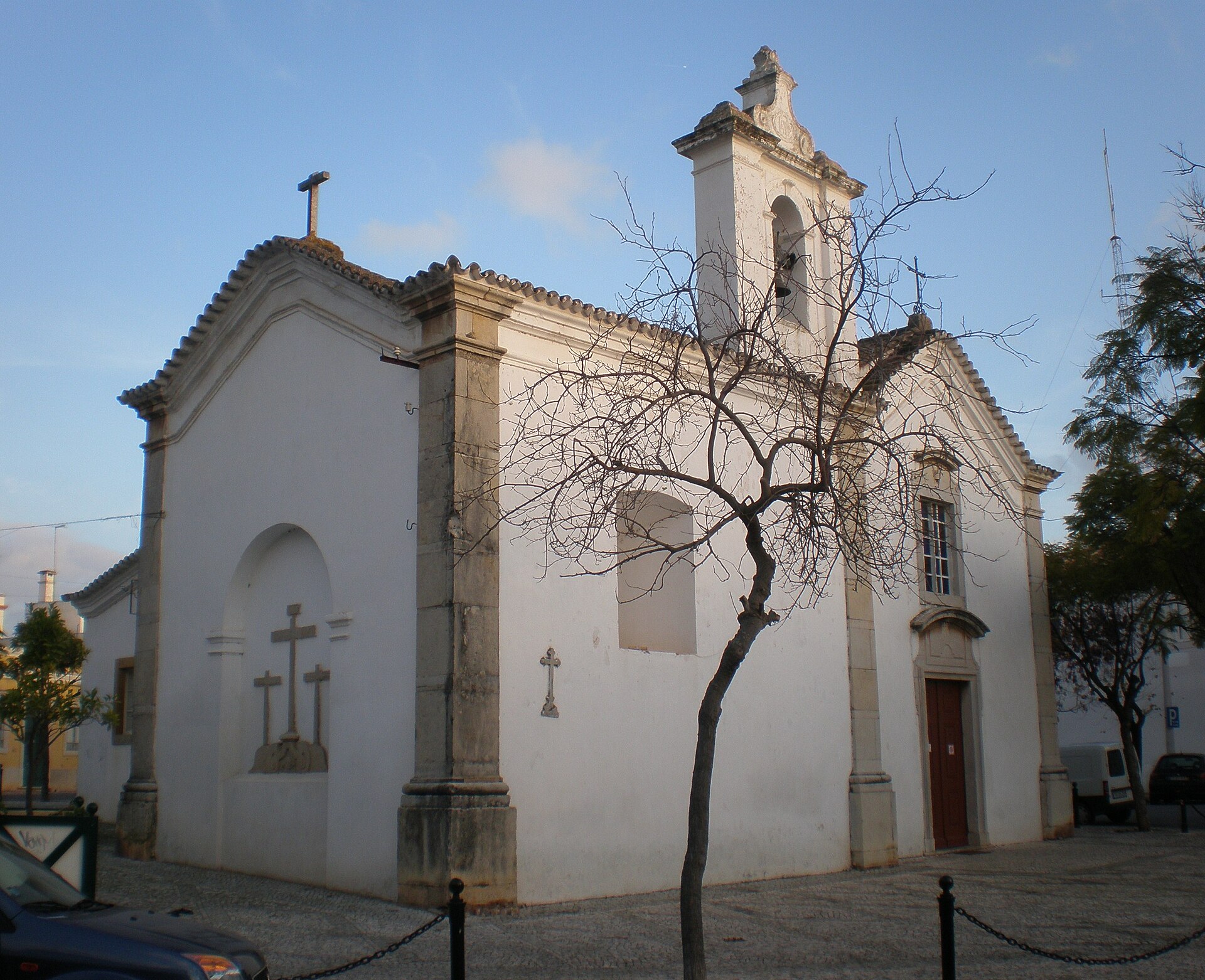
About this place
Ermida de São Sebastião is a historic chapel in Faro, in Portugal's Algarve, listed as a cultural heritage monument. Its story reaches back to the turn of the 16th century, and successive rebuilding has turned it into a layered example of sacred architecture in southern Portugal.
How did the chapel come about?
It was built in the late 15th or early 16th century, outside the city walls, as was customary for sanctuaries dedicated to Saint Sebastian. He was regarded as a protector against epidemics, so chapels bearing his name were placed on the edge of town, away from dense housing.
Franciscans and visitations
In 1516 a Franciscan community began using the chapel. The friars planned to found a convent in Faro, which was built nearby and became known as the Convento dos Capuchos. In 1534 the chapel appears in records of visitations by the Military Order of Santiago, which note that another, smaller chapel stood inside it.
Damage in 1596
In 1596 the building was badly damaged by English forces under Robert Devereux, 2nd Earl of Essex, who took Faro. Bishop Fernando Martins de Mascarenhas ordered the repairs and paid for them.
Azulejos and altarpiece
Between the late 17th and early 18th centuries the interior was decorated with glazed azulejo tiles, covering the nave, the main chapel and a side chapel. The main altarpiece was completed in 1720. The result is a Baroque interior typical of Portuguese churches of the period.
The Chapel of Saint Roch
Of the original building only a side chapel survives, dedicated to Saint Roch and built in the Manueline style. That style, characteristic of Portugal around 1500, sets it apart from the later changes. Many building campaigns reshaped the structure considerably, so the chapel records several eras at once.
Heritage status
In 2013 the chapel was classified as a Monument of Public Interest. Wikidata describes it as a cultural heritage monument in Faro.
Frequently asked questions
Where is Ermida de São Sebastião?
In Faro, the capital of the Algarve in southern Portugal, at roughly 37.0205 N, 7.9376 W.
Why does the chapel stand outside the old city walls?
Saint Sebastian was seen as a protector against plague, so chapels dedicated to him were usually built beyond the walls.
What is worth seeing inside?
Azulejos from the late 17th and early 18th centuries, the main altarpiece of 1720, and the Manueline side chapel of Saint Roch.
Is it a protected monument?
Yes. Since 2013 it has held the status of Monument of Public Interest.
Is the chapel tied to the city's history?
Yes. It was damaged in 1596 during the English attack on Faro and then repaired at a bishop's expense.
Who should visit?
The chapel suits lovers of history and azulejos, and anyone who wants to see something in Faro beyond the main routes. Combine it with a walk around the city and pay attention to the decorative details: the tiles, the altarpiece and the Manueline side chapel. Before you go, check current opening arrangements with the tourist office or the Faro municipality website.
Nearby places
-

Ermida de Nossa Senhora do Repouso
Faro
-
Igreja Nossa Senhora do Rosário, matriz de Olhão, e Capela de Nosso Senhor dos Aflitos
Olhão
-
Igreja Paroquial de Estoi
Faro
-
Porta e cruzeiro da Misericórdia de Loulé
Loulé
-
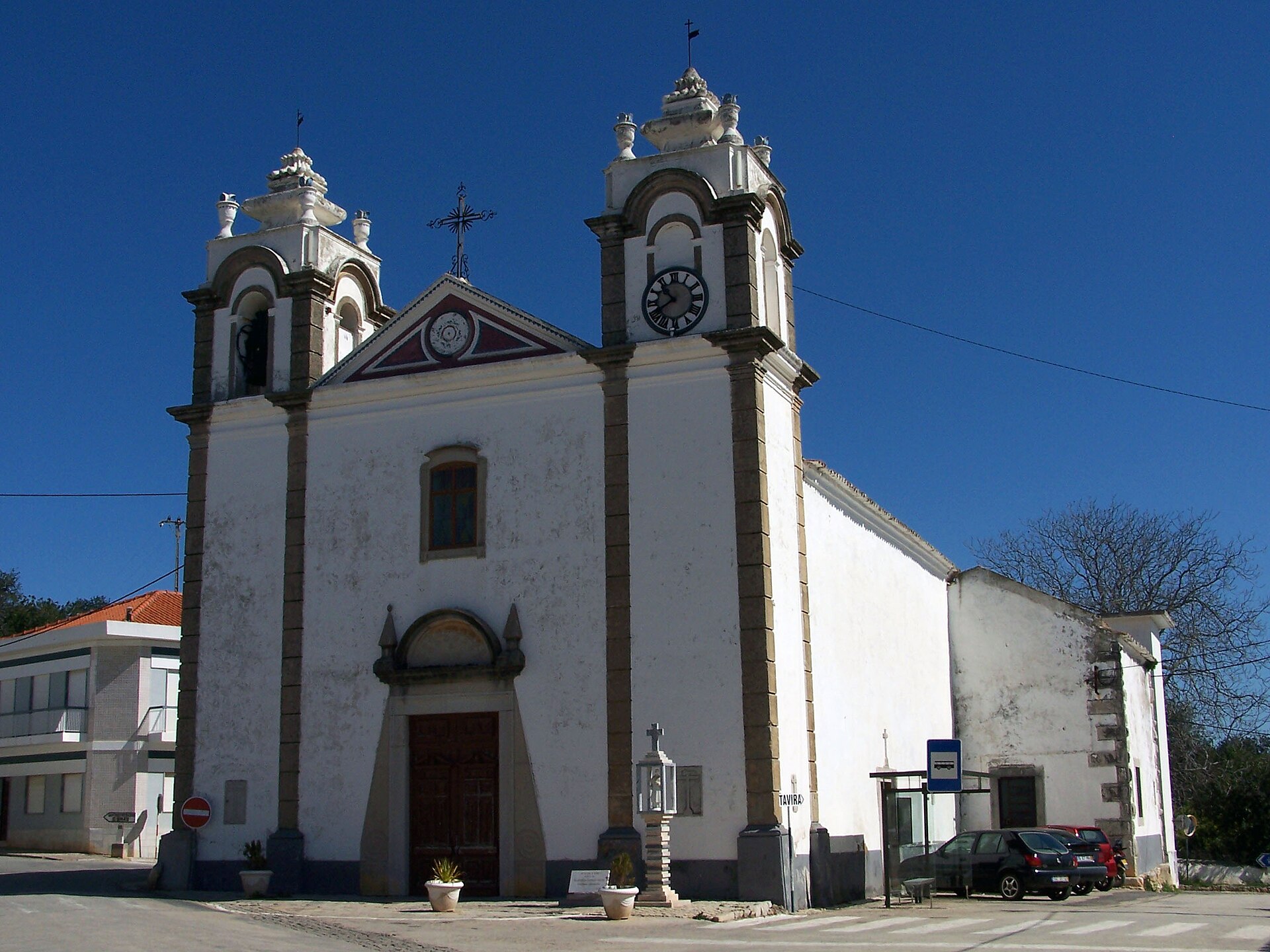
Igreja de Santo Estêvão
Tavira
-
Igreja de Nossa Senhora da Assunção, matriz de Alte
Loulé
Earn badges for the places you visit
Download NextOnTrip, discover new places and check off your trails.