About this place
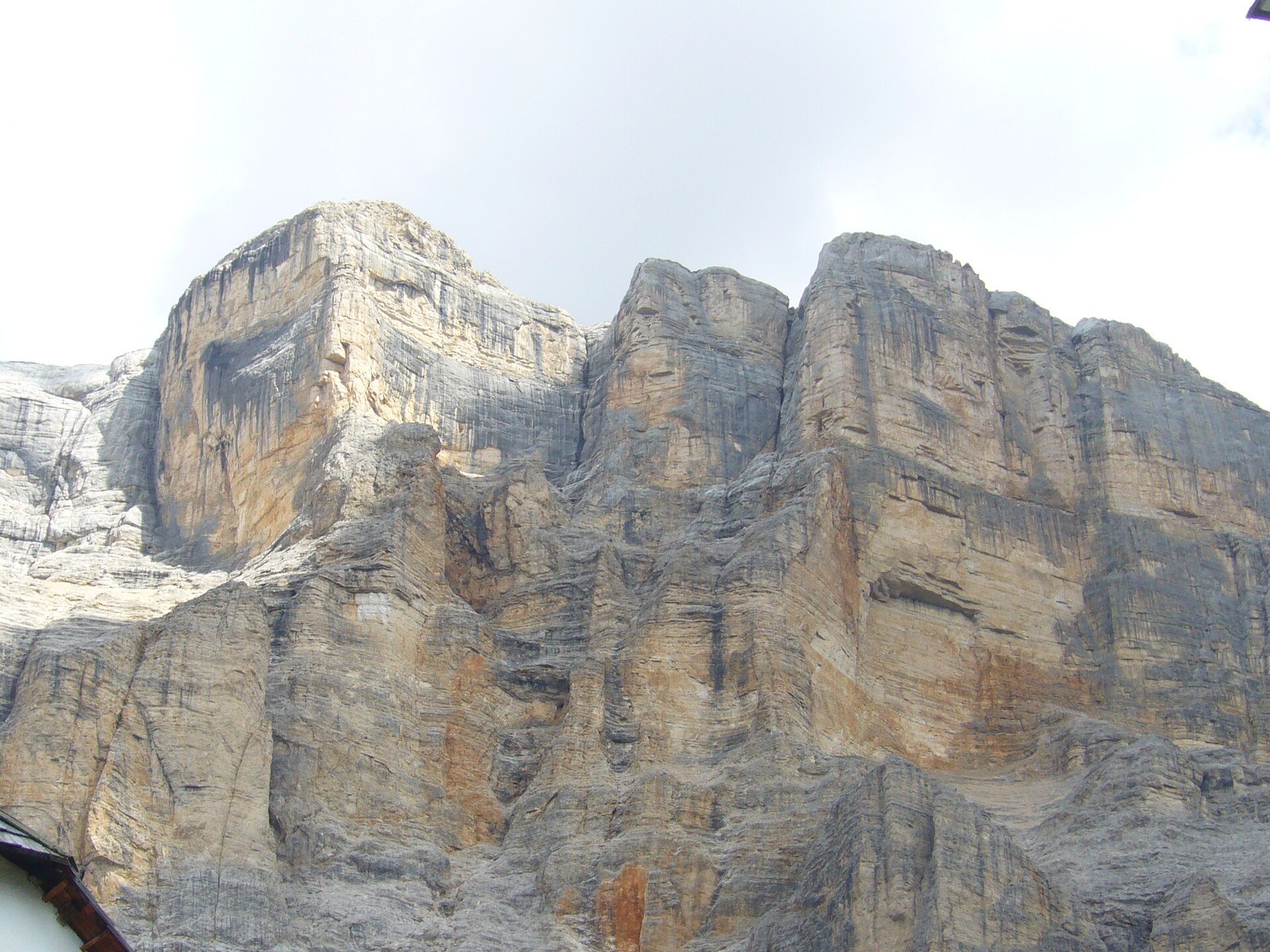
Croda Rossa d'Ampezzo is one of the striking peaks of the Dolomites, rising above the Prags - Braies area in the province of Belluno, northern Italy. Also known by its German name, Hohe Gaisl, the massif is famous for the reddish tone of its rock faces, which glows most intensely at sunrise and sunset — the very feature that gave the mountain its name.
Where exactly is Croda Rossa d'Ampezzo?
The peak sits at the edge of two valleys, bordering the Fanes-Sennes-Braies Nature Park. This location places it close to one of the region's best-known landmarks, Lake Braies (Pragser Wildsee), which lies at the foot of the surrounding ridges. The summit's coordinates are roughly 46.63°N, 12.13°E, putting it right in the heart of the Dolomite range between the Ampezzo and Prags valleys.
How do you reach the area around the peak?
The usual starting point for hikes toward the massif is the village of Prags (Braies) or the neighboring valleys on the Ampezzo side. Trails leading into the nature park start from the car park by Lake Braies, offering views of the distinctive red wall that dominates the skyline. Longer routes are also accessible from mountain passes and refuges closer to the base of the massif — it's worth planning ahead and checking trail conditions, since the terrain is high-alpine in character.
What will you see in this part of the Dolomites?
The landscape around Croda Rossa d'Ampezzo combines rocky ridges, alpine meadows, and spruce forests typical of the Dolomites. The massif is built of dolomite rock, which shifts from pale grey to a vivid red depending on the light — a shift best observed in the early morning or during the evening hours. Below the ridges stretch the grounds of the Fanes-Sennes-Braies Nature Park, one of the best-preserved protected areas in the region, home to chamois and other alpine wildlife.
When is the best time to visit?
Summer, from June through September, is the best season for hiking in this part of the Dolomites, when trails are fully accessible and the meadows are in bloom. In spring and autumn, the higher sections can still hold snow or ice, making approaches to the base of the rock faces more difficult. In winter, the surrounding valleys, including Prags, shift into ski mode, offering downhill and cross-country routes, while the massif itself remains a high-alpine destination reserved mainly for experienced mountaineers.
Frequently asked questions
Can you climb Croda Rossa d'Ampezzo without mountaineering experience? The upper sections of the massif are technical and require proper preparation and equipment. Visitors without climbing experience can still enjoy the lower trails through the Fanes-Sennes-Braies Nature Park, which offer clear views of the mountain's red wall.
Is Lake Braies close to the peak? Yes, Lake Braies (Pragser Wildsee) lies right next to the massif and serves as a natural starting point for exploring this part of the Dolomites.
What is the mountain's German name? In this bilingual Italian-German region, the peak is also known as Hohe Gaisl, alongside its Italian name, Croda Rossa d'Ampezzo.
Are there mountain huts nearby? Yes, the valleys surrounding the massif host several mountain refuges (rifugi) that serve as bases for hikers and climbers planning longer routes through the Dolomites.
Nearby places

Earn badges for the places you visit
Download NextOnTrip, discover new places and check off your trails.