About this place
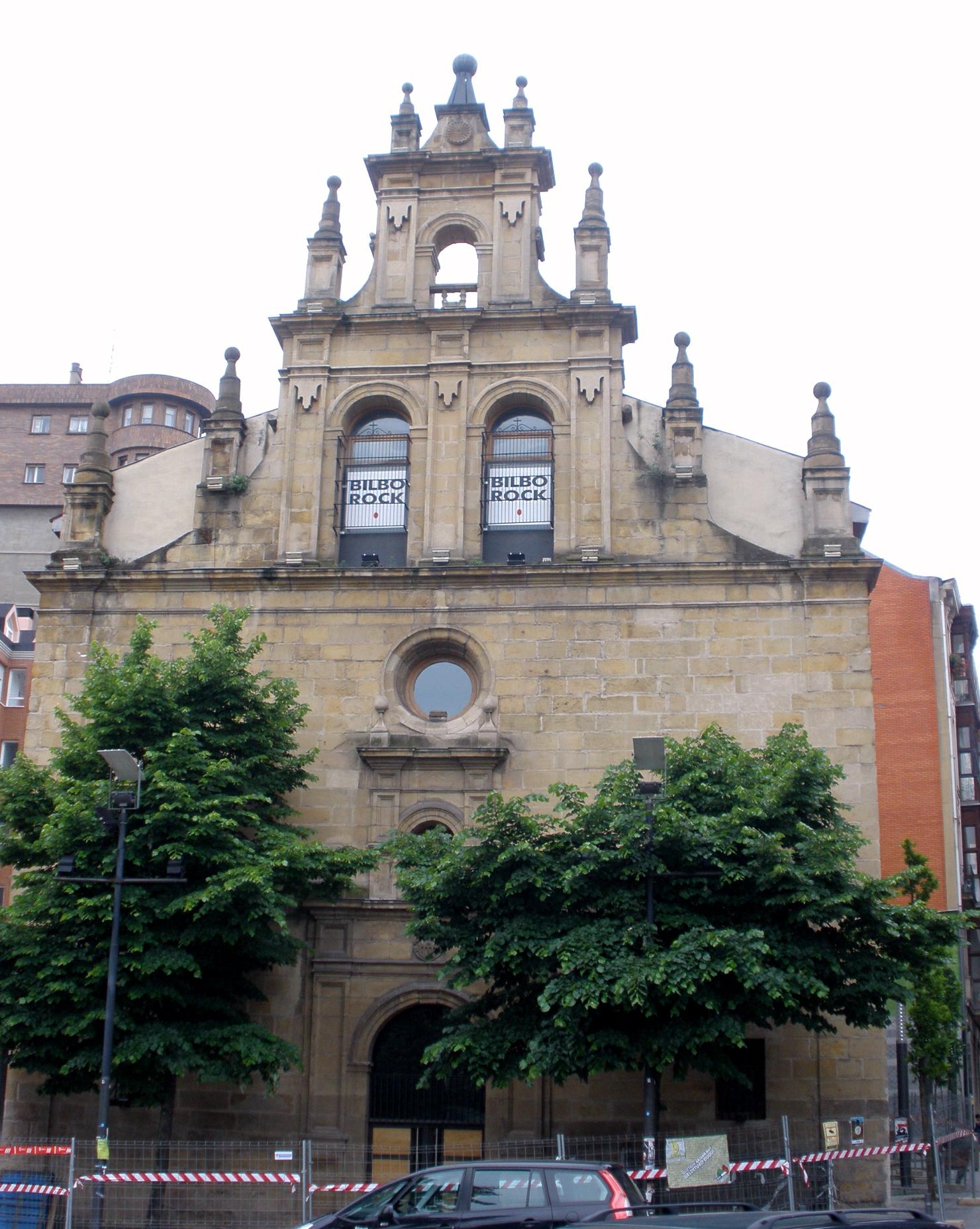
Convento de la Merced is a former Mercedarian convent on the bank of the Nervión river in Bilbao, a building that traded centuries of monastic silence for a second life as one of the city's best-known concert venues, Bilborock.
Where is it and how do you get there?
The building stands on the left bank of the estuary, right by the wharf and bridge that share its name, facing the Casco Viejo, Bilbao's historic old town. That makes it an easy stop on foot: cross the bridge from the Seven Streets and the former convent is right there. The surrounding area belongs to Bilbao la Vieja, one of the oldest districts in the city, so a walk here pairs naturally with exploring the old town's historic core.
Where did the convent come from?
The community's roots go back to the 15th century, tied to a beaterio — a lay community of devout women — active in an area known as La Naja. Over time this group evolved into an enclosed convent, a transition formalized in 1621. Some sources point to an even earlier beaterio on what is now Calle Somera, which shows how tangled the early history of religious life in this part of the city really was. The first documented reference to a "convent of San José de Abando" dates from 1619, and it most likely refers to this same Merced community, since its dedication was to San José.
How has the building changed over time?
The structure visitors see today is not the original one. It was built between 1663 and 1673, designed by architects Antonio Ortiz de Colina and Francisco de Elorriaga. In 1750 the building underwent a substantial reconstruction. This convent church is now the only surviving example of the second wave of conventual architecture that flourished in Bilbao during the 17th century — most of the other convents built in that period have not survived to the present day.
What will you see today?
Mercedarian nuns occupied the building continuously until 1970, when the community relocated to a new monastery in Lañomendi, in the municipality of Loiu. The city of Bilbao purchased the property in 1989, turning it into public land. Since 1997, following a renovation carried out by the municipal company SURBISA, the former convent church has operated as a performance venue known as Bilborock (or Bilbo Rock – La Merced). The building covers roughly 1,330 square meters across three floors and can hold up to 300 seated spectators or 500 standing. Baroque walls once filled with prayer now host concerts, theater performances, puppet shows, film screenings, seminars, and literary or music presentations — making it one of the key cultural landmarks in the Basque capital of Biscay.
When is the best time to visit?
Since Bilborock functions as an active venue with a constantly changing lineup, it's worth checking the current events calendar before you go — that way you can combine a walk through the old town with an evening concert or show inside the historic walls. The riverside area itself looks especially striking at sunset, when the light reflects off the Nervión.
Frequently asked questions
Does Convento de la Merced still serve a religious purpose? No. The nuns left the building in 1970, and since 1997 it has operated as a secular cultural and concert venue.
What is housed in the former convent today? The municipal cultural center Bilborock (La Merced) — a concert and performance hall with a program spanning music, theater, film, and literary events.
How old is the current building? The structure visible today was built between 1663 and 1673, though the religious community's roots trace back to the 15th century, and the building itself was reconstructed in 1750.
Can you visit the interior outside of scheduled events? Access to the interior is generally tied to attending an organized event, so it's best to check the current program and box office hours before planning your visit.
Nearby places

Earn badges for the places you visit
Download NextOnTrip, discover new places and check off your trails.