About this place
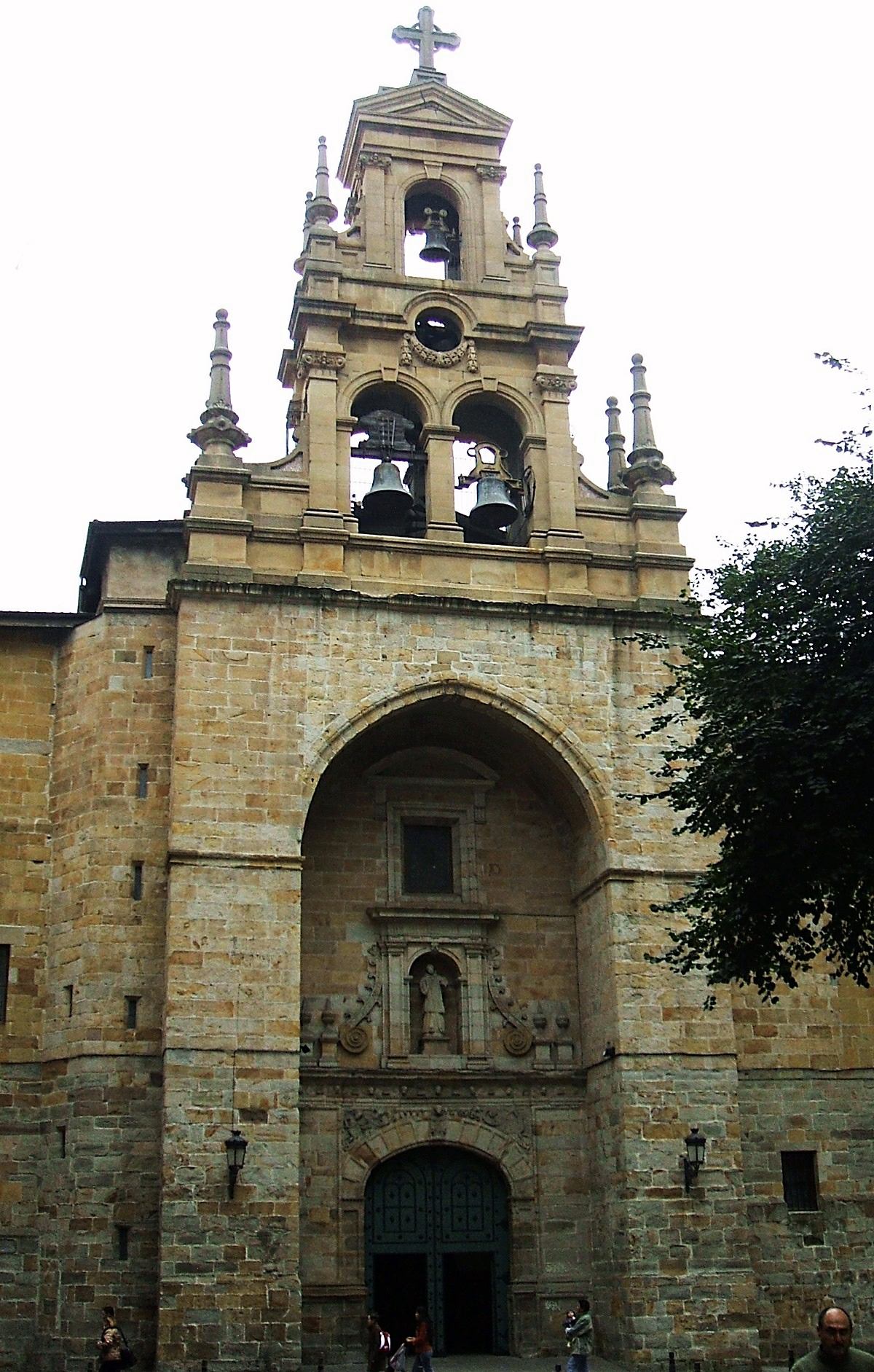
Church of San Vicente de Abando is a Gothic parish church in the Abando district, in the heart of Bilbao, in Spain's Basque Country. The building stands on Plaza de San Vicente, just steps from the city's main thoroughfares, and ranks among Bilbao's oldest surviving religious buildings.
What is the history behind the church?
According to historical tradition, the first church on this site was founded as early as 1190 by Garci Galíndez, a descendant of the first Count of Ayala, together with his wife Alberta Sánchez. That early, modest church did not survive unchanged — around 1550 the building was substantially enlarged and rebuilt, taking on the form that is largely still recognizable today. Work on the current structure continued in stages from the late 16th century through the mid-17th century, which explains why Gothic elements sit alongside Renaissance details typical of that transitional period in Basque architecture.
What architectural style does it represent?
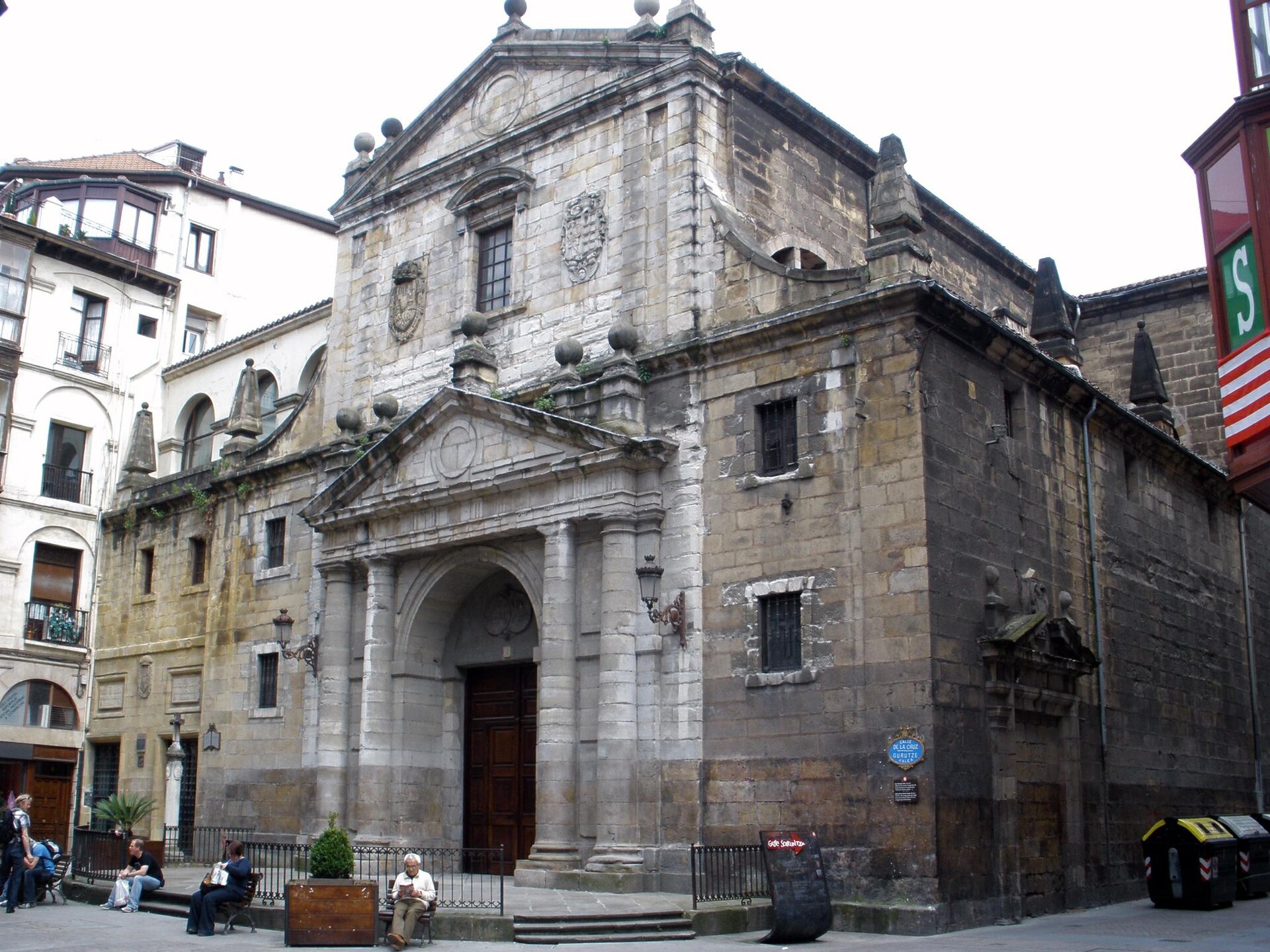
The church belongs to what is known as Basque Gothic, sometimes called the "second Gothic" — a regional variant of the style that persisted through the 16th and 17th centuries even as the Renaissance was already taking hold elsewhere. The interior is divided into three naves, each made up of five bays, separated by columns with classical, Doric-order capitals. The ceiling is covered by ribbed vaulting typical of Gothic construction. On the outside, the Renaissance facade was designed in the shape of a triumphal arch, and the whole composition is crowned by a slender bell tower visible from many points nearby.
What can visitors see inside?
Inside, the church houses several altarpieces, with the main altarpiece standing out, along with a historic organ. One of the side chapels holds the remains of Antonio de Trueba, a well-known 19th-century Basque writer and poet, which makes the church a site of literary as well as religious memory. The chapels and the richness of the furnishings give a sense of how important this church has been to the community of Abando over the centuries.
Where is the church located and how do you get there?
The church stands on Plaza de San Vicente, in Abando — one of Bilbao's central districts, close to the old town and the city's main transport routes. It is a convenient stop for visitors exploring the center on foot, since the surrounding area concentrates several other historic landmarks. As an active parish, the church continues to serve its congregation, so exact visiting hours and mass times are best checked locally or through parish sources before a visit, since they can vary with the season and the liturgical calendar.
Frequently Asked Questions
When was the Church of San Vicente de Abando founded? Tradition traces the origins of the church to 1190, though the building took its current Gothic form after being enlarged between the mid-16th and mid-17th centuries.
What architectural style does the church represent? It is an example of 16th–17th century Basque Gothic, with three naves divided into five bays, Doric columns, ribbed vaulting, and a Renaissance facade shaped like a triumphal arch.
Who is buried in the church? One of the chapels holds the remains of Antonio de Trueba, a Basque writer and poet.
Where is the church located, and can it be visited? The church is located on Plaza de San Vicente in the Abando district in central Bilbao. As an active parish, it is generally open to visitors outside of mass times — it's best to confirm current hours locally before visiting.
Nearby places

Earn badges for the places you visit
Download NextOnTrip, discover new places and check off your trails.