About this place
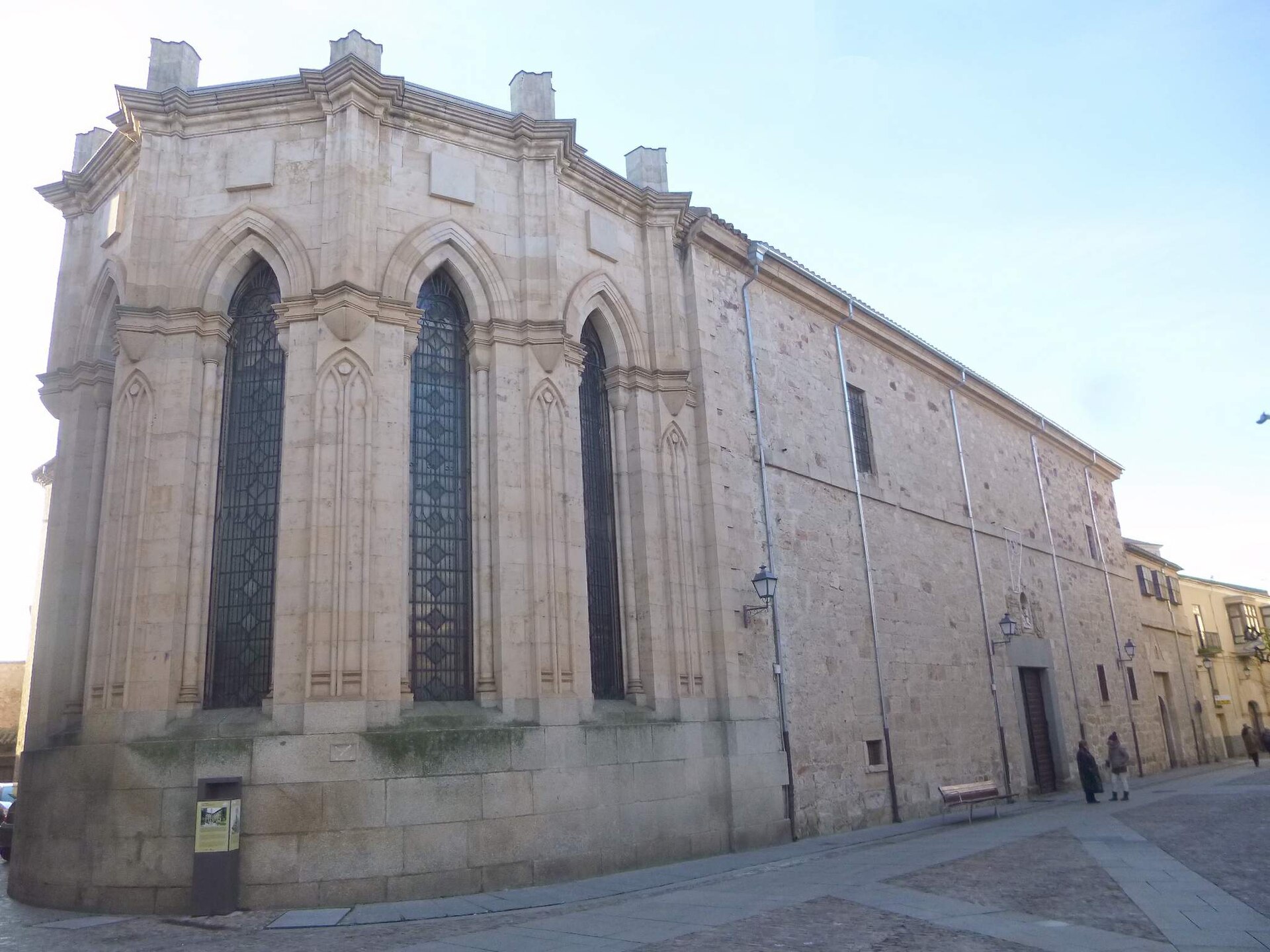
Church of Santiago del Burgo in Zamora is one of the city's best-preserved Romanesque churches, standing in the El Burgo district, just outside the line of the old city walls.
Where is the Church of Santiago del Burgo located?
The church stands in Zamora, in northwestern Spain, in an area that grew during the Middle Ages as the city's first expansion beyond its defensive walls. That district was known as El Burgo, which explains the second part of the church's name. Since the second half of the 20th century, the building has stood almost on its own — the structures that once crowded around it were demolished, exposing its Romanesque stonework on every side.
What is the history behind the church?
Construction began at the turn of the 11th and 12th centuries and was completed later, in the late Romanesque period toward the end of the 12th century. The church's origins are tied to the rebuilding of Zamora after the destruction caused by Almanzor's raids: King Ferdinand I set the city's repopulation and growth in motion, and a new parish was needed to serve residents settling in the El Burgo district. Until 1888 the church fell under the jurisdiction of the diocese of Santiago de Compostela, which is why it was dedicated to Saint James — hence the name Santiago, sometimes rendered as Santiago el Burgo.
What should visitors know about the architecture?
The church retains its original three-nave layout, typical of Spanish Romanesque churches of the period. That detail matters: alongside Zamora's cathedral, it is the only Romanesque church in the city that has kept this three-nave plan intact. That layout still lets visitors read the builders' original design clearly, even though the long construction period left its own traces on the structure over the following decades.
Why is the Church of Santiago del Burgo worth a visit?
Zamora is known for one of the densest concentrations of Romanesque architecture in Europe, and Santiago del Burgo is a representative example of it — notable both for its age and for how much of its original plan survives. The demolition of the surrounding buildings in the 20th century left it standing free, making it easier to view the stone façades from every angle, something rarely possible with Romanesque parish churches hemmed in by later construction elsewhere in the city.
Frequently Asked Questions
Is the Church of Santiago del Burgo still in use? Yes, the building operates as a parish church and continues to serve a religious function for the local community.
Where does the name "del Burgo" come from? It refers to El Burgo, the district that formed Zamora's first expansion beyond the city walls and for which the church was originally built as the parish church.
Why is it called Santiago if it isn't in Santiago de Compostela? Until 1888 the parish was under the jurisdiction of the diocese of Santiago de Compostela, which is why the church was dedicated to Saint James (Santiago).
How does this church differ from other Romanesque churches in Zamora? Together with the cathedral, it is the only Romanesque church in the city that has preserved its original three-nave layout — most other Romanesque churches in Zamora were altered in this respect over time.
Nearby places

Earn badges for the places you visit
Download NextOnTrip, discover new places and check off your trails.