About this place
The Church of Santa María de la Horta is a Romanesque church in Zamora, in northwestern Spain, and one of the city's oldest surviving religious buildings. Its origins trace back to the second half of the twelfth century, and for centuries the site was closely tied to one of medieval Europe's most influential military-religious orders.
What is the history behind the church?
Construction is generally dated to around 1163, although the earliest written record confirming the church's existence dates from 1232. The church, together with an adjoining convent built in the fourteenth century, belonged to the Knights Hospitaller — the Order of the Hospital of Saint John of Jerusalem. This complex served as the main house of the order's Castilian branch, underlining its importance within the regional structure of that military-hospitaller community.
In 1535, care of the church passed to nuns of the same hospitaller order, who had previously been based in Fuentelapeña. The building's historical and artistic value was formally recognized on 3 June 1931, when it was granted the status of Monumento Nacional, Spain's national monument designation.
What architectural style does the church show?
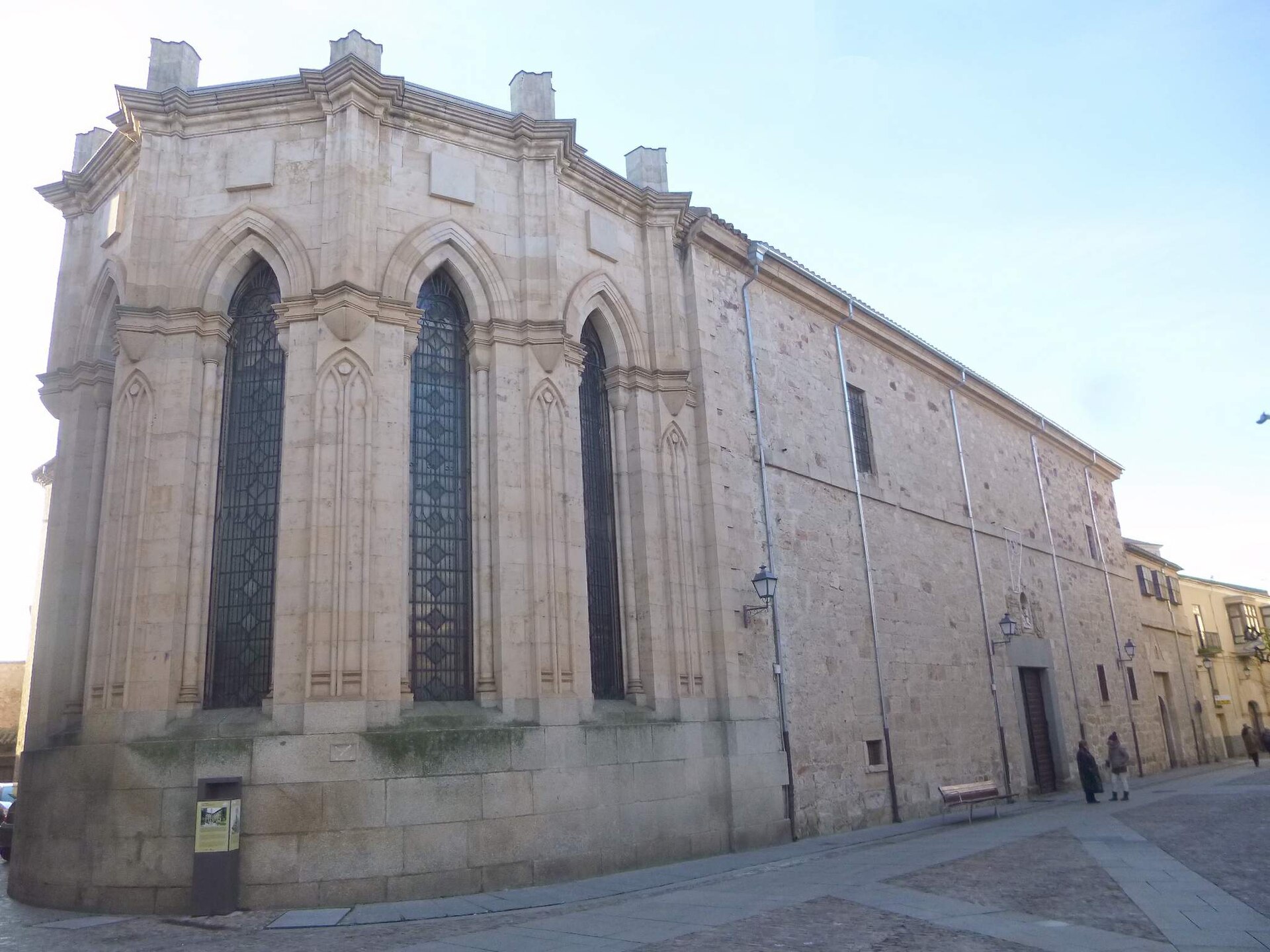
The church blends Romanesque features with elements of the emerging Gothic style, a mix typical of buildings raised at the turning point between the two periods. The structure consists of a single nave divided into three bays, continuing into a further straight section that leads to a semicircular apse enclosing the sanctuary. On the south side, an additional aisle was added in the form of a covered portico, with chapels attached to it.
What should visitors look out for inside?
The church's richly varied capitals draw the most attention from visitors — the carved tops of the columns supporting the interior. Medieval stonemasons decorated them with plant motifs and animal figures, including fantastical creatures such as dragons. This decorative stone carving ranks among the most valuable elements of the church's interior and offers a glimpse into the skill of medieval craftsmen working in the Zamora region, an area renowned for its dense concentration of Romanesque monuments.
The fact that the building has survived for nearly eight centuries while still preserving its original spatial layout makes it an important witness to the sacred architecture of medieval Castile.
Why is Santa María de la Horta worth visiting?
Zamora is known for having one of the largest concentrations of Romanesque architecture in Europe, and Santa María de la Horta is a significant part of that legacy. Its connection to the Knights Hospitaller adds further context — this is not simply a place of worship but also a trace of a military-hospitaller order that played a notable role across medieval Europe, well beyond the Holy Land. The combination of architectural, artistic, and historical value makes this church a compelling stop for anyone interested in Romanesque art or the history of the crusading orders.
Frequently Asked Questions
When was the Church of Santa María de la Horta built? Construction is dated to around 1163, while the oldest surviving document confirming the church's existence is from 1232.
Which religious order is linked to the church's history? The church and its fourteenth-century adjoining convent belonged to the Knights Hospitaller and served as the main house of the order's Castilian branch.
What architectural style does the building represent? The church combines Romanesque elements with early Gothic features, visible in the layout of the nave and the shape of the apse.
Is the church a protected historic monument? Yes, it has held the status of Monumento Nacional, Spain's national monument designation, since 3 June 1931.
Nearby places

Earn badges for the places you visit
Download NextOnTrip, discover new places and check off your trails.