About this place
The Church of San Andrés stands in Zamora, a city in Castile and León renowned for hosting one of the largest collections of Romanesque churches in Europe. Although most of what visitors see today dates from the 16th and 18th centuries, the building's roots go back to the Middle Ages — a church under the same dedication already stood on this spot in the 12th century.
How do you get there?
The church sits within Zamora's old town, close to several other historic churches, so it fits naturally into a walking tour of the historic centre. Zamora is around 60 km from Salamanca and well connected by regional buses; once in the city, the easiest way to find San Andrés is on foot from the main square or the cathedral, using its tower as a landmark visible from a distance.
What will you see?
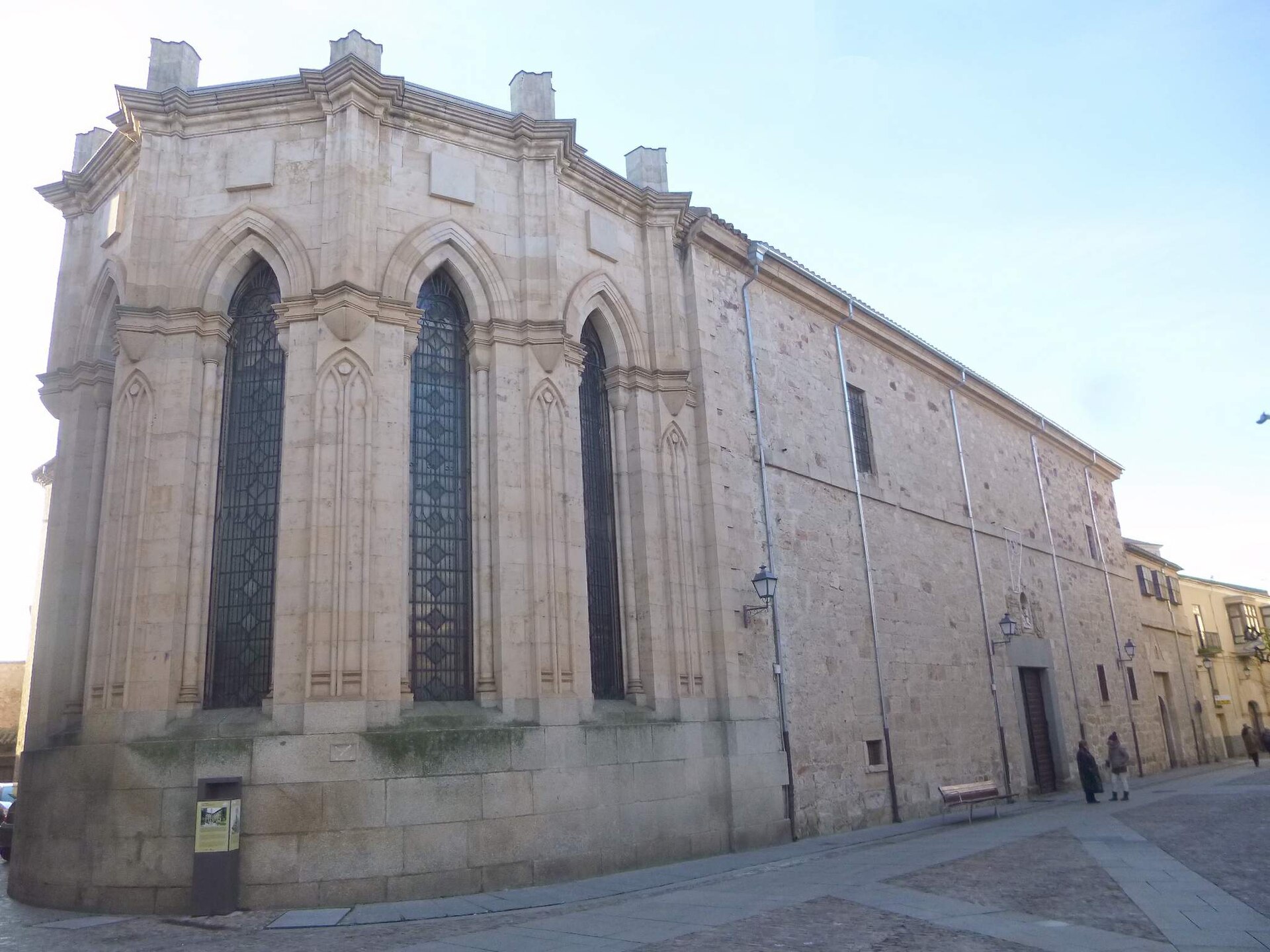
Part of the original Romanesque structure survives in the north façade and the tower — the clearest physical evidence of the church's medieval origins. Its current form, however, comes largely from a major rebuild carried out between 1550 and 1570, funded through the will of Antonio de Sotelo Cisneros, one of Hernán Cortés's captains during the conquest of Mexico. The Salamanca-based architect Martín Navarro was responsible for the 16th-century design.
The interior holds a surprise: a single, generously sized nave with an unusual feature — twin chapels joined together at the head of the church, each with its own apse and altar. This layout is uncommon among churches in the region, making San Andrés stand out among Zamora's other Romanesque-rooted buildings.
In the 18th century, architect Ventura Vicente completed further work, giving the church the form it retains today. As a result, the interior mixes Gothic details — echoes of the earlier medieval structure — with Baroque additions from this later phase, making San Andrés a compact case study in how a single building can carry several centuries of architectural change.
When should you visit?
Spring and autumn are the most comfortable seasons to explore Zamora, avoiding the peak heat of the Castilian summer. Consider timing a visit around Holy Week (Semana Santa): Zamora is known for some of Spain's most highly regarded Easter processions, and the processional routes often pass close to the city's historic churches, including the area around San Andrés. Outside that period, the city is quieter, which makes for a more relaxed, unhurried visit to its Romanesque heritage.
Frequently asked questions
Is the Church of San Andrés a fully Romanesque building? No — only a section of the north façade and the tower survive from the original 12th-century Romanesque church. The rest of the structure was shaped by rebuilding campaigns in the 16th and 18th centuries, which explains the mix of Gothic and Baroque elements visible today.
Who paid for the 16th-century rebuild? The 1550–1570 reconstruction was funded through the will of Antonio de Sotelo Cisneros, a captain who served under Hernán Cortés during the conquest of Mexico. The design was entrusted to architect Martín Navarro of Salamanca.
What makes the church's architecture unusual? Its chancel layout: twin chapels connected to one another, each with its own apse, a configuration not typically found in other churches of this part of Castile and León.
Is it worth combining with other Zamora landmarks? Yes — Zamora holds one of Europe's richest concentrations of Romanesque architecture, so a walk through the old town lets you visit several similar churches within a short distance of each other.
Nearby places

Earn badges for the places you visit
Download NextOnTrip, discover new places and check off your trails.