About this place
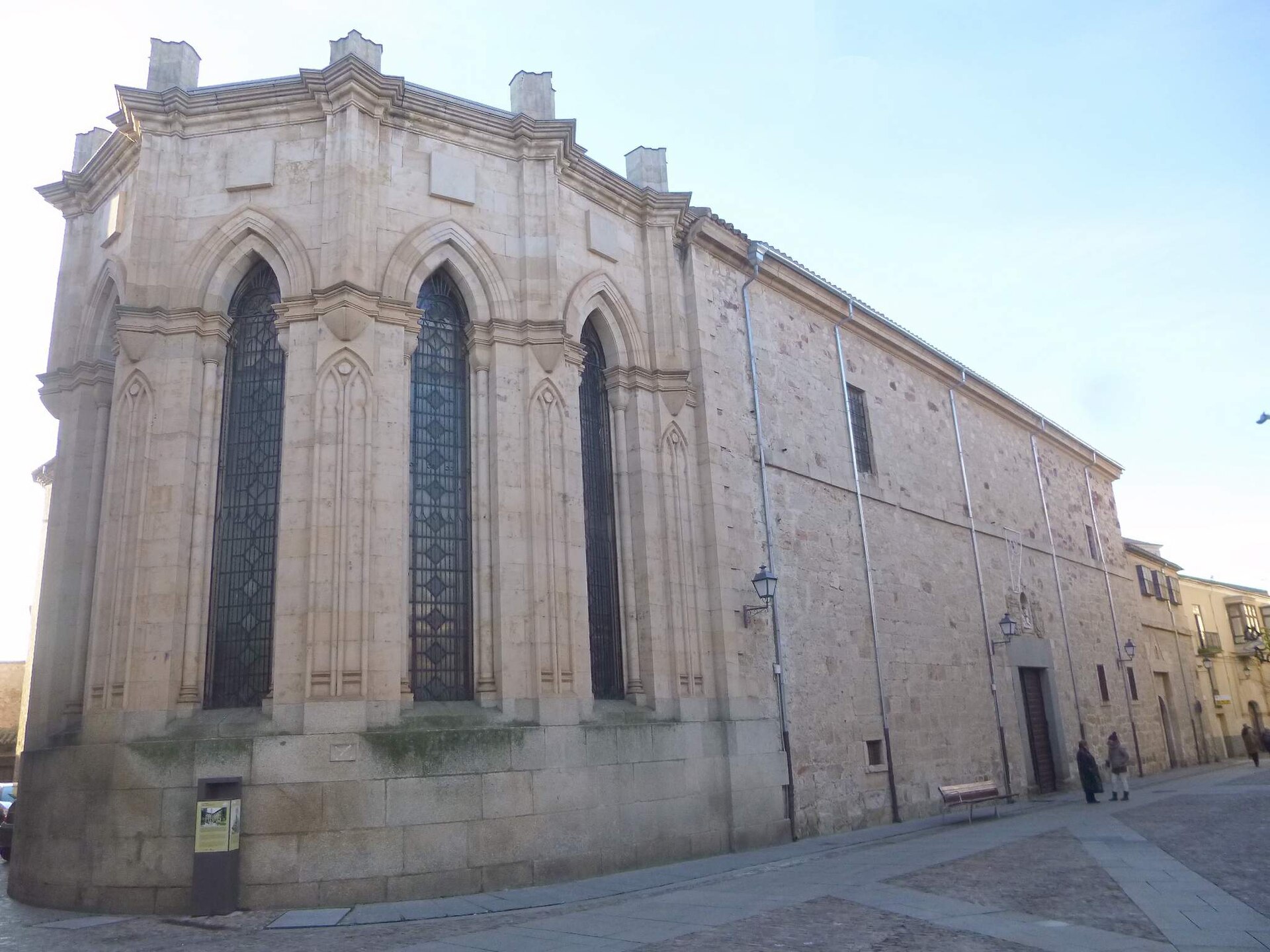
The Church of Saint Vincent (Iglesia de San Vicente) in Zamora stands among the city's most notable Romanesque churches, in a place famed for one of Europe's densest clusters of 12th- and 13th-century religious architecture.
When was the Church of Saint Vincent built?
Construction dates to the late 12th or early 13th century. Over the following centuries the building was repeatedly extended and altered to match the needs and tastes of each era, which is why its current appearance reflects several architectural layers rather than a single unified style.
From the original Romanesque structure, the north, west, and south walls survive along with their doorways, as does the bell tower. The tower is the church's standout feature: art historian Manuel Gómez-Moreno described it as the most graceful and complete in Zamora, and it is generally regarded as the slenderest among the city's church towers.
What can visitors see on the exterior?
The west doorway is the most significant surviving element of the original facade. Together with the tower, it was declared a National Monument (Monumento Nacional) in 1961, a formal recognition of its architectural and historical value. The side walls, though modified over time, still show traces of the original Romanesque stonework.
What does the interior look like?
The interior in its present form dates largely from the 17th century, topped by a spire added in the 18th century — a visible marker of the building's long history of alteration. Inside, a Baroque altarpiece has been preserved, with an image of the Virgen de las Angustias (Our Lady of Sorrows) at its center, a figure venerated locally.
Among the interior's notable features is a stone pulpit decorated with an eagle with outspread wings on its bowl. According to local tradition, it was from this pulpit that Saint Vincent Ferrer preached during his visit to Zamora in 1412 — a story tied to the church's dedication and to its place in the city's religious memory.
Why is this church worth including on a visit to Zamora?
Zamora is known for one of the densest networks of Romanesque monuments in Europe, and the Church of Saint Vincent is part of that heritage route thanks to its well-preserved tower and west doorway, both protected as a National Monument. The building layers several periods together: an original Romanesque structure, Baroque interior furnishings, and an 18th-century spire, giving visitors a clear sense of how the church evolved over time while keeping its most distinctive feature, the slender tower, intact.
Frequently Asked Questions
From which period does the Church of Saint Vincent in Zamora date? The church was built at the turn of the 12th and 13th centuries in the Romanesque style. The side walls, doorways, and tower survive from that period, while the interior was largely rebuilt in the 17th century.
What part of the church holds National Monument status? The National Monument designation, granted in 1961, covers the tower and the west doorway — the best-preserved elements of the original Romanesque building.
What is inside the church? The interior houses a Baroque altarpiece featuring the Virgen de las Angustias and a stone pulpit carved with an eagle motif, linked to the tradition of Saint Vincent Ferrer preaching there in 1412.
What makes the church's tower notable? The tower is described as one of the most graceful and slenderest in Zamora, a city known for its unusually large number of Romanesque church towers.
Nearby places

Earn badges for the places you visit
Download NextOnTrip, discover new places and check off your trails.