About this place
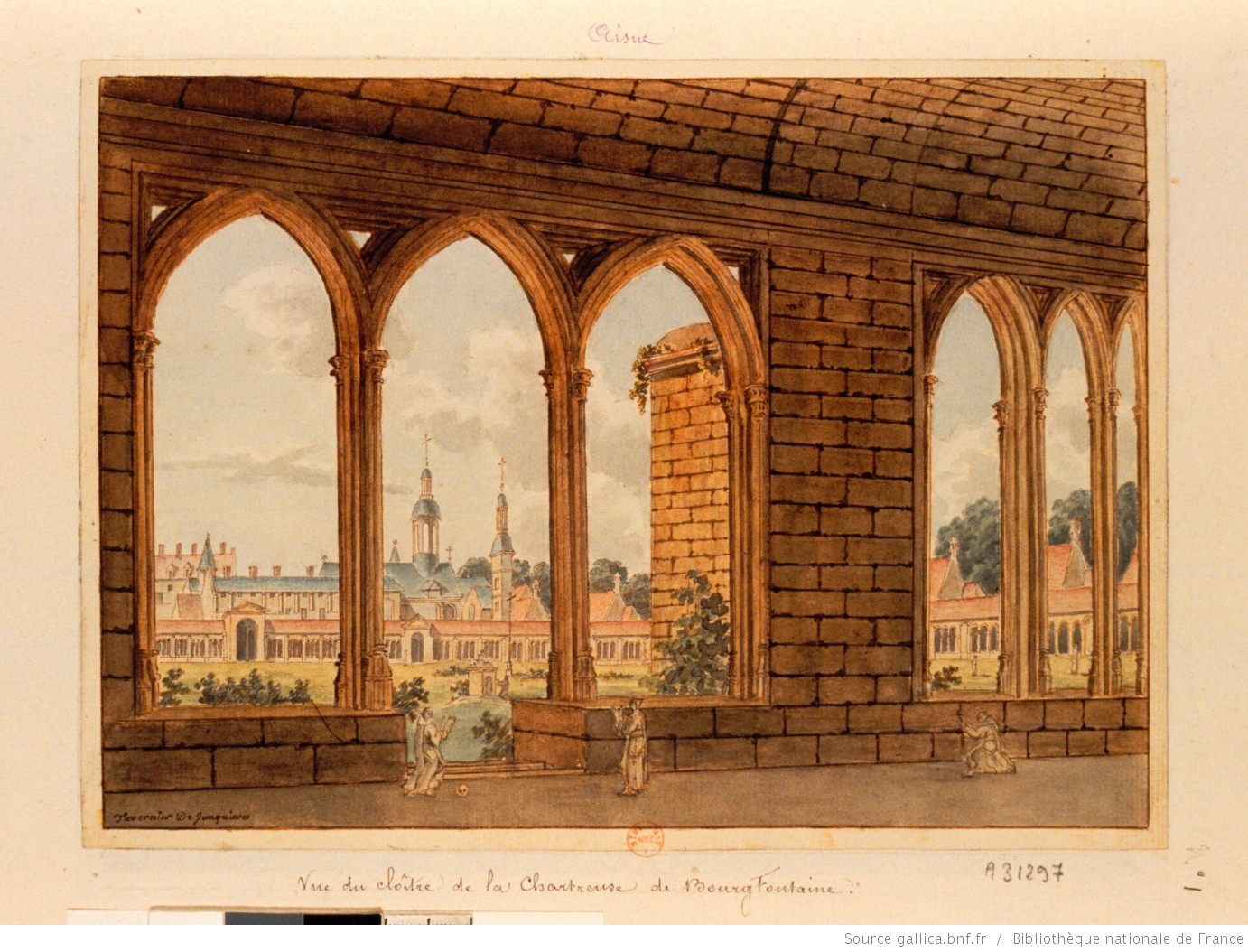
Chartreuse de Bourgfontaine is a former Carthusian monastery tucked away inside the Forêt de Retz, a short distance from the town of Villers-Cotterêts in the Aisne department of northern France. For anyone interested in medieval French history away from the main tourist routes, this quiet forest site offers a rare glimpse into a monastic community founded by royalty.
Who founded the monastery, and when?
The founding charter was signed in 1316 by Charles of Valois, brother of King Philip IV the Fair, at Villers-Cotterêts itself. His goal was twofold: to establish a place of religious retreat and to reinforce his family's presence in the surrounding Valois territory. Construction began in 1323, but Charles died before the monastery was finished. The project was completed by his son Philip, who became King Philip VI of France in 1328, with the buildings finished by 1330.
What was Philip VI's connection to Bourgfontaine?
Philip VI kept a lasting attachment to the monastery his father had started. When he died on 22 August 1350, he asked in his will that his heart be placed at the Chartreuse de Bourgfontaine rather than buried with the rest of his body — a striking sign of how much the site meant to the first Valois king of France.
How did the buildings change over the centuries?
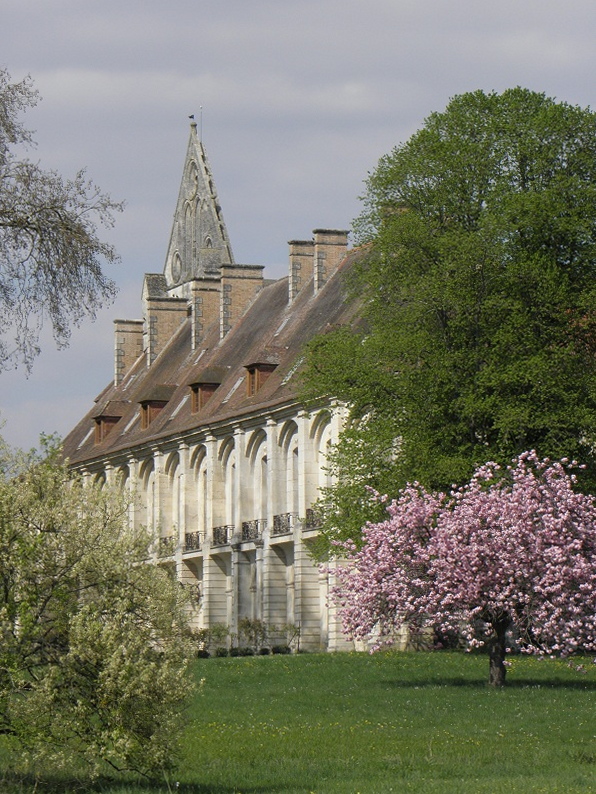
The monastery was not built in a single phase, and its surviving structures reflect several distinct periods of construction. Elements dating from the 15th or 16th century include a guest chapel and an entrance gate. The 17th century added a building on the eastern side of the courtyard along with the prior's residence, while the 18th century contributed the church façade and a passage linking the two courtyards. This layered building history makes Bourgfontaine a useful case study in how a monastic complex evolved architecturally over roughly four hundred years.
What happened to the monastery after the French Revolution?
Like many religious communities across France, the Carthusians of Bourgfontaine did not survive the Revolution. The property was sold in 1793, and much of the religious quarters, along with part of the outbuildings, were demolished. What remained was repurposed as an ordinary farm for a long stretch of the 19th and 20th centuries. Restoration work only began in earnest during the second half of the 20th century, and the site has been open to visitors since October 1997.
Where exactly is Bourgfontaine located?
The monastery sits in a large clearing within the Forêt de Retz, one of the largest forest areas in France at around 13,000 hectares, shaped like a crescent with Villers-Cotterêts at its center. Reaching the site typically means driving into the forest and then continuing on foot along woodland tracks — a quiet, unhurried approach that suits the setting.
Frequently asked questions
Can you visit Chartreuse de Bourgfontaine today? Yes. The site has been open to the public since 1997, though only a portion of the original monastic buildings has survived.
When was the monastery built? The founding charter dates to 1316, construction started in 1323, and the buildings were completed in 1330 under Philip VI.
Why is Philip VI connected to this specific site? He felt a strong personal attachment to the monastery founded by his father, and specified in his will that his heart be interred there after his death in 1350.
How do you get to the site? Bourgfontaine lies within the Forêt de Retz, in the commune of Villers-Cotterêts in the Aisne department; visitors usually drive to the edge of the forest and walk the final stretch along forest paths.
Nearby places

Earn badges for the places you visit
Download NextOnTrip, discover new places and check off your trails.