About this place
Castell de Passanant is a medieval fortress standing on a small hill above the village of Passanant, within the municipality of Passanant i Belltall, in the Conca de Barberà region of Catalonia.
Where exactly is the castle and why is it here?
The castle takes its name directly from the village it once watched over. It sits on a rise at the northern edge of Passanant, overlooking the settlement below and commanding views across the valley and surrounding hills of Conca de Barberà. Its approximate coordinates are 41.532144, 1.195901, useful for anyone planning to walk or drive up from the village center.
How old is the site?
Passanant itself first appears in written records dating to 1079-1080, while the castle is documented for the first time in 1123. A surviving agreement from that year records an arrangement between the brothers Ponç and Ramon de Cervera, who settled how they would share residence in the fortress — living there in alternating years. It is one of the earliest documented examples of this kind of shared-lordship arrangement in the region, and it offers a rare window into the customs of Catalonia's minor nobility at the time.
Who controlled the castle through the centuries?
The fortress's history is closely tied to the great religious and military orders of the period. In 1261, Gueraua, prioress of the convent of Alguaire, transferred all her rights over Passanant to the Order of the Hospital (the Hospitallers), and her mother Marquesa handed over her own rights at the same time. Full ownership and jurisdiction did not pass to the order until 1380, however, when the purchase was finalized by Guillem de Guimerà, the Grand Prior of Catalonia.
From that point until 1406, the castle and its lands belonged to the commandery of Cervera. Afterward, they were folded into the commandery of Barcelona, where they stayed until feudal lordships were abolished in the nineteenth century — a span of several hundred years under the same institutional umbrella. That kind of administrative continuity is unusual and reflects how firmly this small but strategically placed site was embedded in the regional power structure.
What happened to it, and what can still be seen today?
The fortress did not survive intact. Records from 1661 already describe it as destroyed, meaning the decline must have set in well before that, likely tied to the armed conflicts that swept through Catalonia during the seventeenth century.
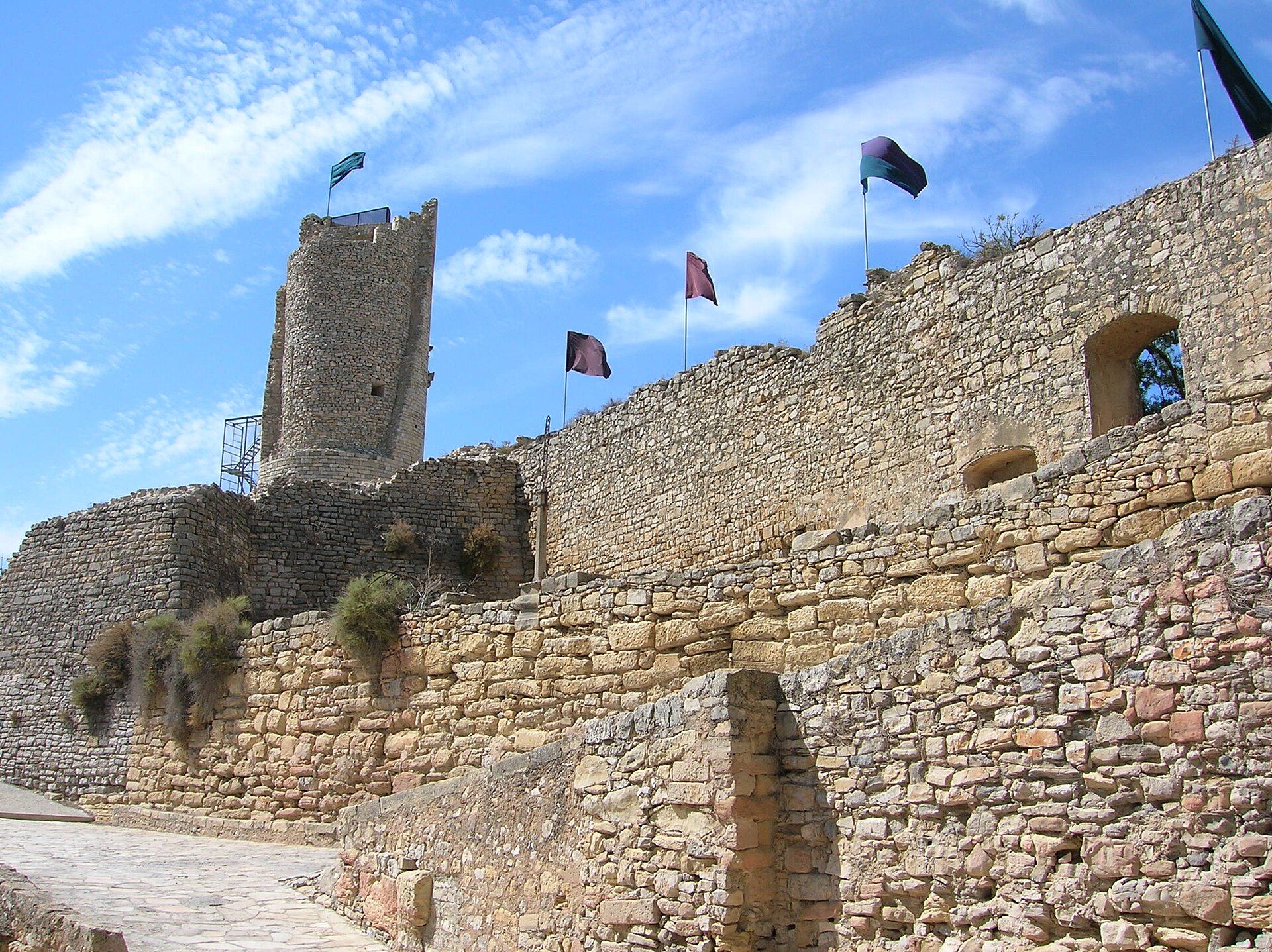
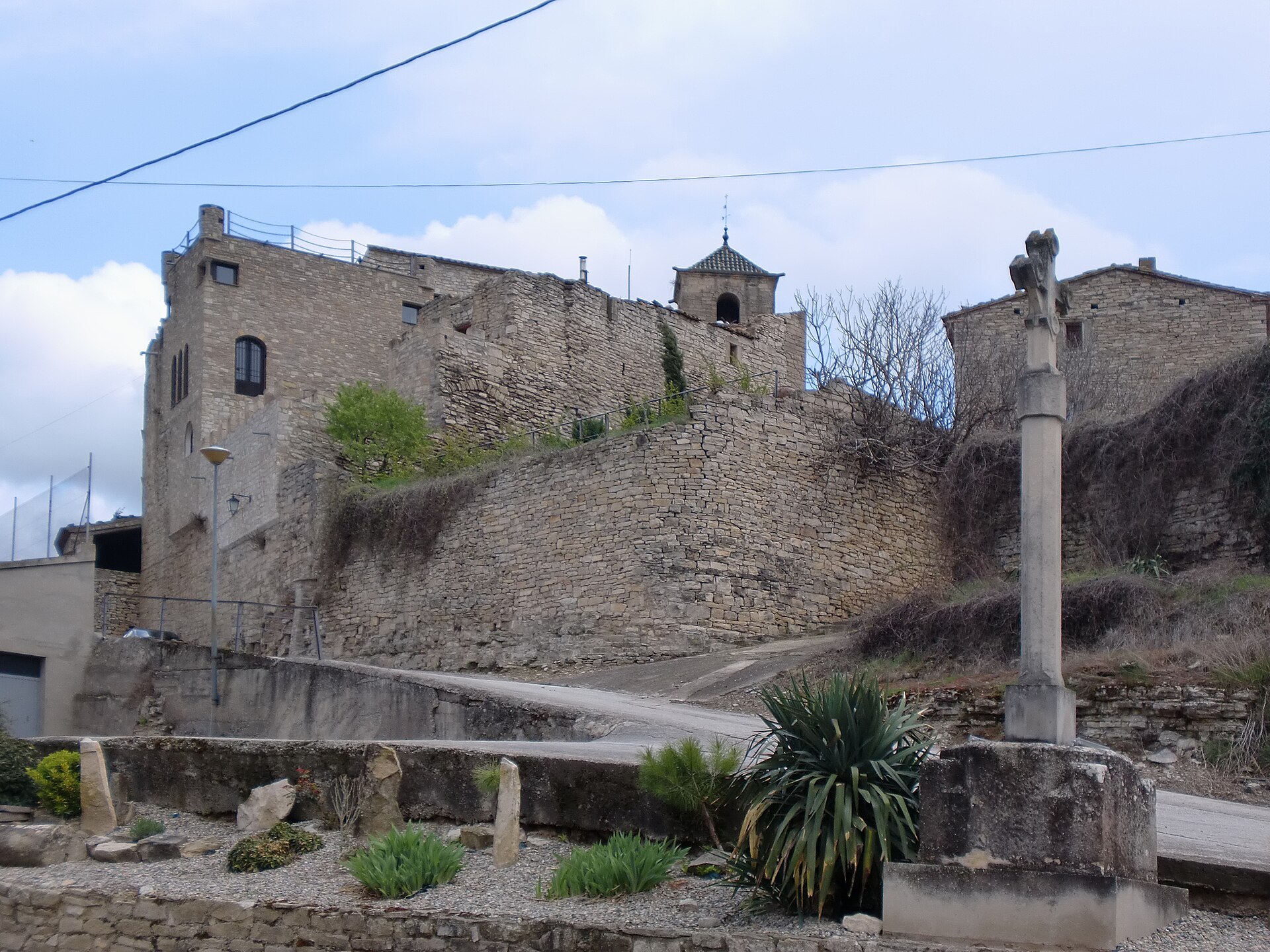
Visitors today can still make out the foundations of the former walls, remnants of a tower, a cistern, and an old storage pit once used to keep provisions. Consolidation and restoration work carried out in 2008 helped stabilize what remains. Because of its historical value, the site has been listed as a cultural property of national interest.
Frequently asked questions
Can you still visit Castell de Passanant? Yes, the site is accessible, and you can see the surviving foundations, tower wall fragments, the cistern, and the storage pit. Expect a ruin rather than a restored building, so plan for a walk through remnants rather than a fully reconstructed castle.
When was the castle built? The exact construction date is unknown, but the earliest reliable written record dates to 1123, pointing to early medieval origins.
Who owned the castle? For centuries it belonged to the Order of the Hospital, which secured full ownership in 1380 and administered it through the commanderies of Cervera and later Barcelona until the nineteenth century.
Why is the castle in ruins today? Sources already describe it as destroyed by 1661, suggesting it lost its defensive role and fell into disrepair earlier, likely as a result of the armed conflicts of that century.
Nearby places

Earn badges for the places you visit
Download NextOnTrip, discover new places and check off your trails.