About this place
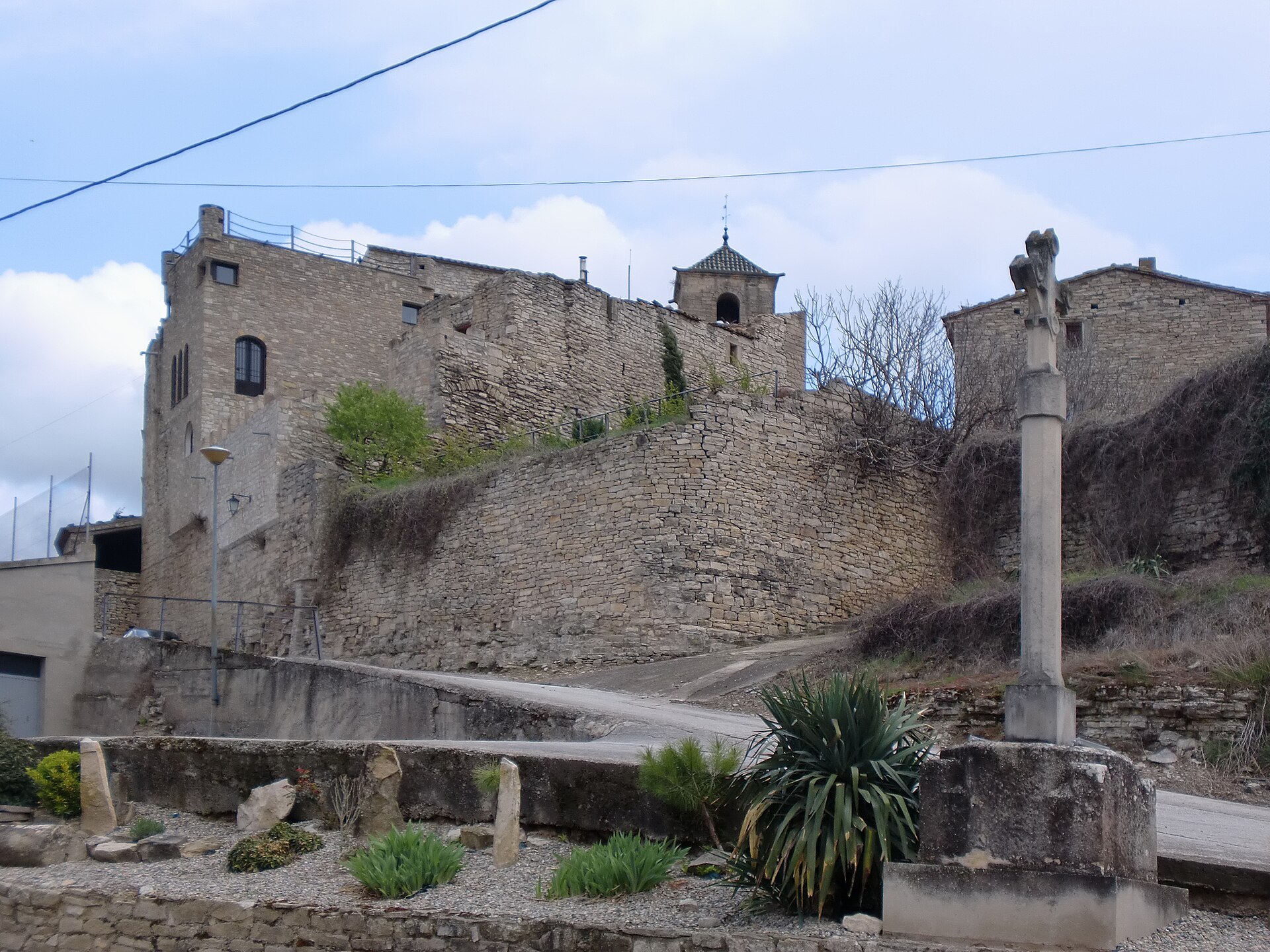
Castell de la Sala is a medieval defensive tower in Passanant i Belltall, a small municipality in the Conca de Barberà region of Catalonia. The site stands in La Sala de Comalats, one of several hamlets that make up the municipality, far from the main tourist routes — which makes it a rewarding stop for travelers looking for authentic, lesser-known traces of Catalan medieval history.
Where exactly is the castle located?
Castell de la Sala de Comalats — its full name in Catalan heritage records, taken from the hamlet of La Sala de Comalats where it stands — sits in the heart of Conca de Barberà, among the hills that separate the provinces of Tarragona and Lleida. La Sala de Comalats today is a small, partly depopulated hamlet, and the castle's tower dominates the settlement, visible from a distance thanks to its exposed position. The site's coordinates are 41.518983, 1.217598.
What is the history behind the castle?
Settlement at this location is documented as far back as the late 11th century, the earliest recorded mention of La Sala de Comalats. During the 12th century the land belonged to the Cervera family, while the Comalats family held it in fief — the origin of both the hamlet's and the castle's name. In the 14th century ownership passed to the Gener family. A decisive turning point came in 1384, when Castell de la Sala came under the authority of the monastery of Santes Creus, one of Catalonia's most important Cistercian houses, and it remained under the monastery's lordship until the abolition of the seigniorial system in the 19th century. This long dependence on a powerful abbey is largely why a small, peripheral fortification like this one left a documented paper trail across so many centuries.
What does the structure look like today?
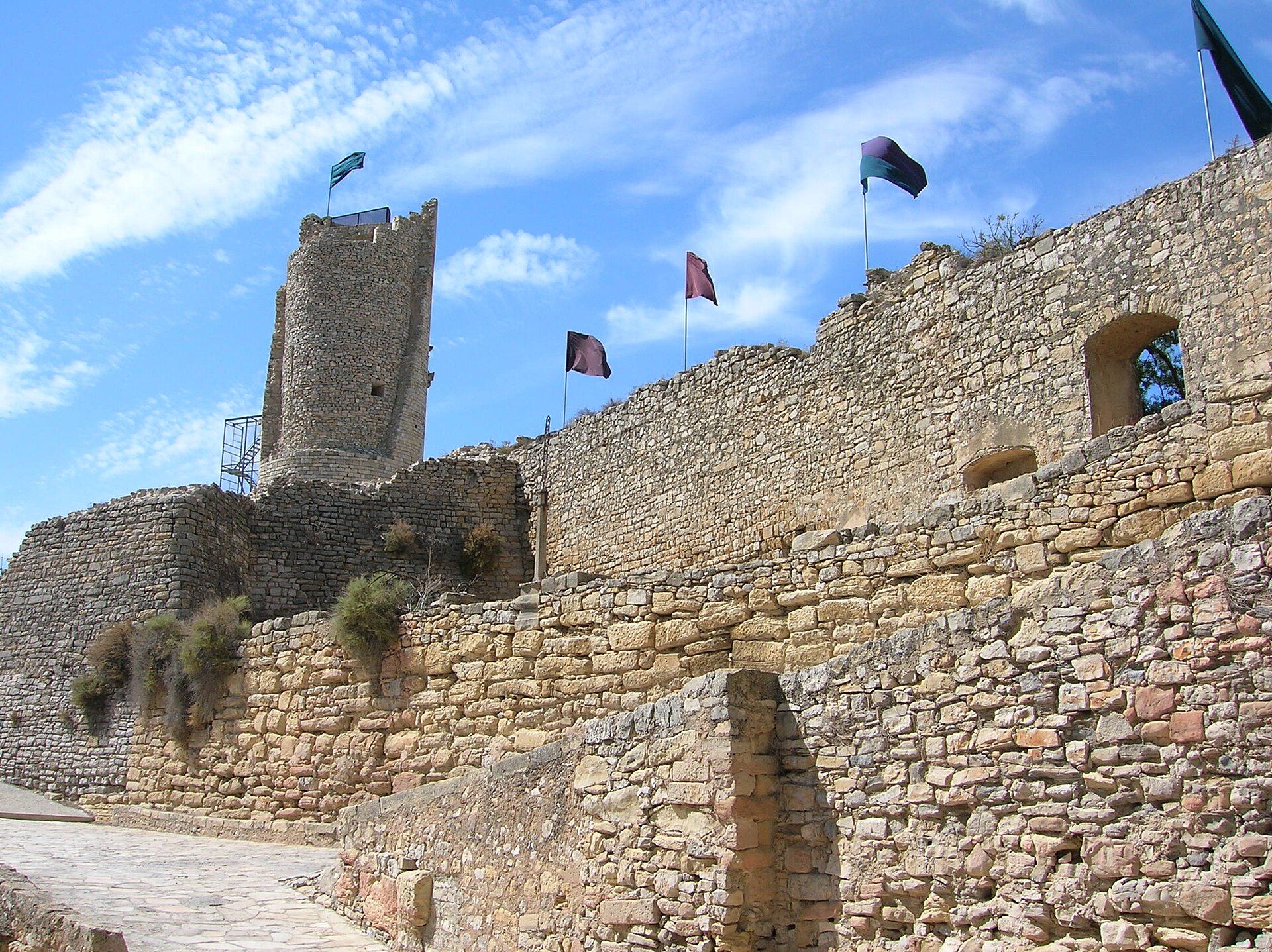
The core of the complex is a rectangular tower built in the 12th or 13th century, divided into three storeys separated by barrel vaults — a solution typical of Catalan defensive architecture of the period. The tower stands roughly 17 metres tall and is the best-preserved element of the ruins, still dominating the site. Beside it once stood a hall (the "sala" that gives the site its name), probably dating from the 14th century and now almost entirely in ruins, though fragments of pointed (ogival) arcades survive, pointing to the Gothic character of this later addition. The contrast between the massive, early medieval defensive tower and the later, more residential hall reflects how the site's function shifted over the centuries, from purely military to a mix of residence and estate administration.
Who is this site for?
Castell de la Sala is not a fully restored castle with visitor infrastructure — it is an authentic ruin set in the rural Catalan countryside. Visitors value it for its quiet, uncrowded character, typical of the lesser-known monuments scattered across Conca de Barberà. It makes a worthwhile stop for anyone exploring the area around the monastery of Santes Creus or traveling between Tarragona and Lleida, especially those interested in medieval defensive architecture and the history of Catalonia's feudal families.
Frequently asked questions
What is the full, original name of the castle? Its full Catalan name is Castell de la Sala de Comalats, taken from the hamlet of La Sala de Comalats where it stands.
How old is the castle? The main tower dates from the 12th or 13th century, and the adjoining hall probably from the 14th century. Settlement at the site, however, is documented as early as the late 11th century.
Who owned the castle throughout history? It belonged in turn to the Cervera family (as lords) and the Comalats family (as vassals) in the 12th century, then to the Gener family in the 14th century, and from 1384 until the abolition of seigniorial rights, to the monastery of Santes Creus.
What can visitors see on site today? Mainly a well-preserved, roughly 17-metre rectangular tower with three barrel-vaulted storeys, along with the ruined remains of the adjoining hall, where pointed arcades are still visible.
Nearby places

Earn badges for the places you visit
Download NextOnTrip, discover new places and check off your trails.