About this place
Capela de Ánimas is a small Neoclassical chapel in Santiago de Compostela, in Spain's Galicia region. It stands right in the heart of the old town, along a route walked daily by pilgrims and visitors heading to the cathedral, and its restrained classical façade stands out clearly against the Baroque richness of the surrounding historic buildings.
Where is the chapel and how do you get there?
Capela de Ánimas sits in the historic centre of Santiago de Compostela, within easy walking distance of the cathedral and the main landmarks along the Camino de Santiago. Its coordinates (roughly 42.8817 N, 8.5418 W) place it squarely inside the old town, so the simplest way to reach it is on foot — most of the historic quarter is closed to car traffic, and its narrow stone streets naturally guide visitors from one landmark to the next. Santiago de Compostela has its own airport plus rail and bus connections across Galicia and the rest of Spain, making the city a convenient base for exploring the wider region.
What is the history behind this chapel?
Construction began in April 1784 under the direction of architect Miguel Ferro Caaveiro, one of the notable figures of Galician architecture in that period. Work progressed at a pace typical of religious buildings funded through donations and local contributions at the time — the chapel was consecrated in 1788, allowing it to serve its core religious purpose even though the building was not yet entirely finished. The façade, its most visible architectural feature, was only completed at the turn of the century, illustrating how decorative and structural work on churches of this era often continued long after the main structure was already in use.
What makes the chapel's architecture distinctive?
Capela de Ánimas is Neoclassical in style, which sets it apart within Santiago de Compostela — a city otherwise dominated by Baroque and Romanesque architecture tied to the cathedral and its pilgrimage tradition. Neoclassicism's restraint, symmetry, and references to classical antiquity introduce a different architectural rhythm into the old town's skyline compared to the ornate façades of nearby churches. That contrast alone offers a small lesson in art history, showing how tastes and priorities among religious patrons shifted over the centuries within the same city.
Why is Capela de Ánimas worth a visit?
The chapel is not a headline attraction in Santiago de Compostela, and that is precisely its appeal — it offers visitors a quiet break from the crowds gathered around the cathedral. Sitting directly on the pilgrimage route, it fits naturally into a walk through the old town, without requiring a separate trip to see it. For anyone interested in 18th-century religious architecture, it is also a chance to see a work by Miguel Ferro Caaveiro standing alongside other buildings from the same period.
Frequently Asked Questions
What is Capela de Ánimas? It is a Neoclassical chapel in Santiago de Compostela, built in the second half of the 18th century and consecrated in 1788.
Who designed the chapel? Architect Miguel Ferro Caaveiro directed its construction, which began in April 1784.
Is the chapel's façade original to its consecration date? Not entirely — the chapel itself was consecrated in 1788, but its façade was only finished at the turn of the century.
How do you get to Capela de Ánimas in Santiago de Compostela? It stands in the city's historic centre, within walking distance of the cathedral — the easiest way to reach it is on foot through the old town.
Nearby places
-

Church of San Bieito do Campo
Santiago de Compostela
-
Church of Sant Mary of the Way
Santiago de Compostela
-
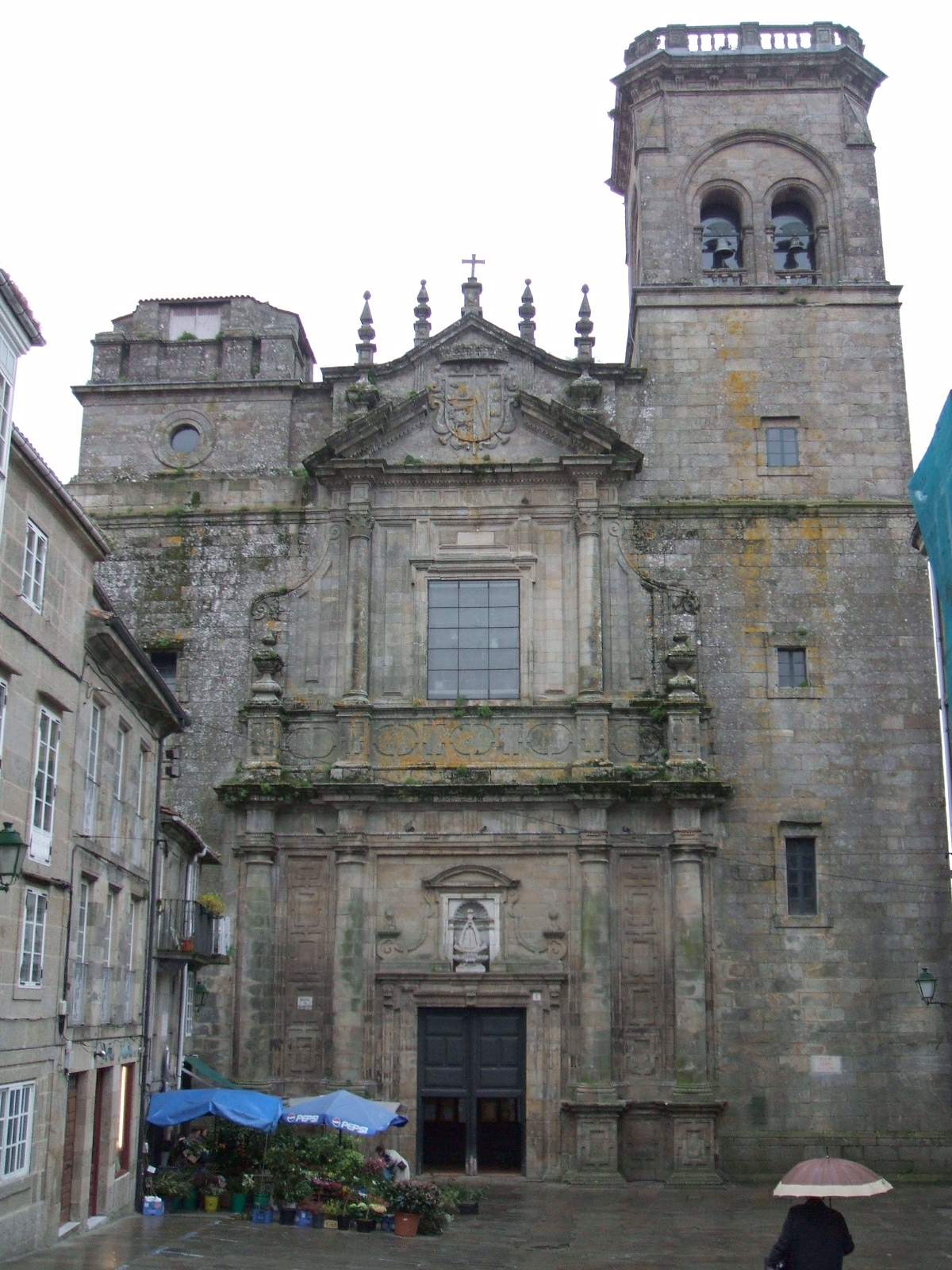
Church and Convent of Saint Augustine
Santiago de Compostela
-
Monastery of Saint Pelagius of Antealtares
Santiago de Compostela
-
Capela Mondragón
Santiago de Compostela
-
Capela da Comuñón
Santiago de Compostela
Earn badges for the places you visit
Download NextOnTrip, discover new places and check off your trails.