About this place
Cal Comte de la Cova
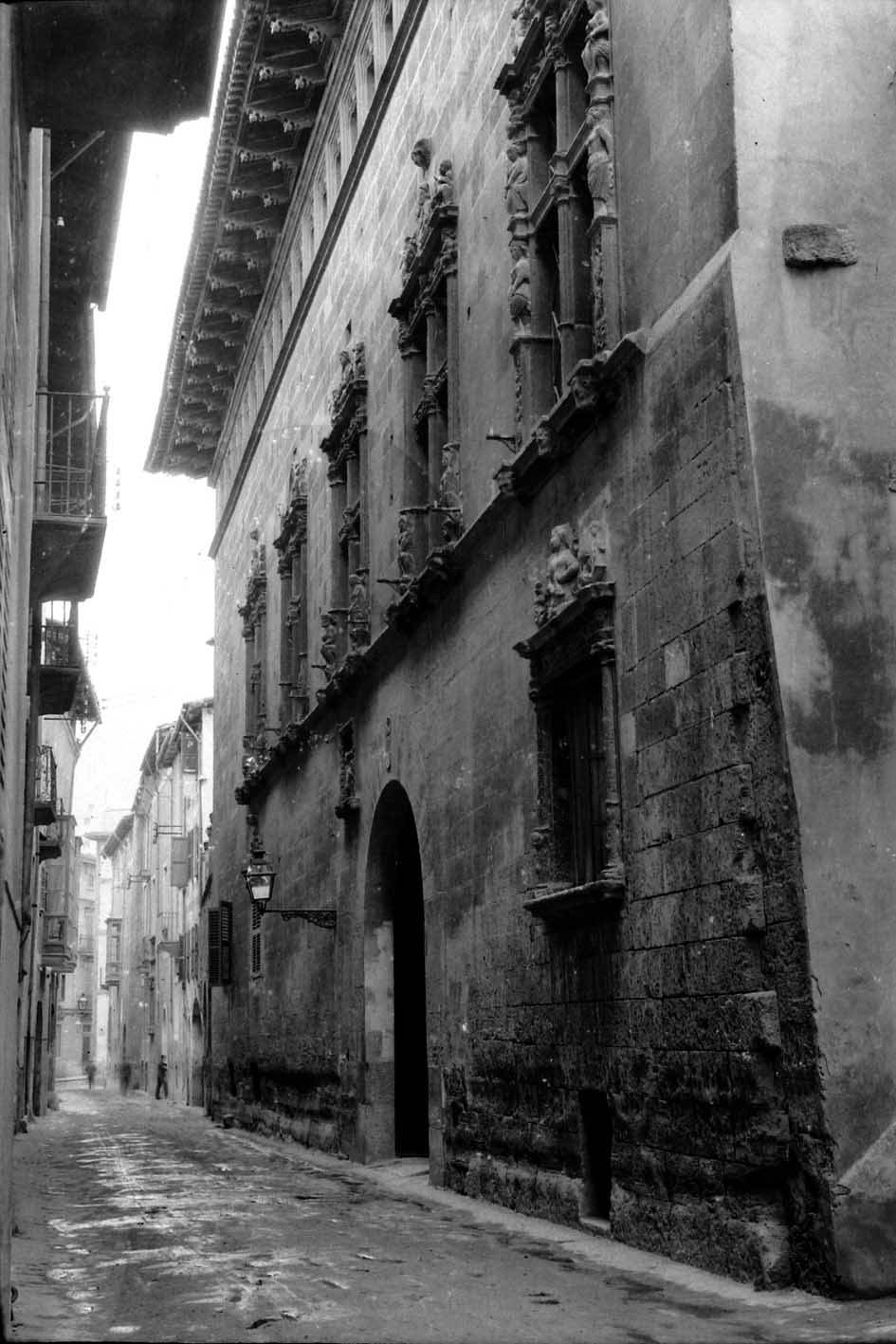
Cal Comte de la Cova is a historic townhouse in Palma, tucked into the narrow lanes of the old town near La Seu cathedral. The building blends Gothic and Renaissance features and today houses a tourism school, which means visitors can get a glimpse of it without needing to book a private tour.
Where is it and how do you get there?
The building stands at carrer del Sol 3, right in the heart of the Casc Antic (Old Town) district, a short walk from the Almudaina Palace and the cathedral. The setting is classic old-Palma: narrow cobbled streets, stone facades, and shade between tall walls even at midday in summer. The easiest way to reach it is on foot, walking from the cathedral or Plaça de Cort toward the eastern part of the old quarter. The nearest bus stops are along Avinguda Antoni Maura and Plaça de Cort, from where it's just a short stroll through the winding alleys to the house. Parking in this part of town is limited, so it's best to leave the car on the edge of the old town and continue on foot.
What will you see?
The house once belonged to wealthy Palma families. In 1576 it was owned by Francesc Desclapés, and in the 17th century it passed to Francesc de Villalonga i Fortuny, who was granted the title Count of Cova by King Philip IV of Spain — the source of the building's name today.
The standout feature is the entrance, which retains a mudéjar coffered ceiling of polychrome wood dating to the 14th century, one of the more notable examples of this craftsmanship in Palma. Beyond it, the courtyard holds a Gothic staircase built in marés stone, the local limestone used throughout Mallorcan architecture, with an ornate late-Gothic tracery railing that has recently been restored and is in excellent condition. The facade is marked by a Renaissance window with richly carved moldings, above which traces of a worn, partly illegible coat of arms are still visible — a reminder of the house's former owners.
The building is now occupied by the Escuela de Turismo de Baleares (Balearic Islands Tourism School), so it functions as an educational institution rather than a conventional museum attraction. Even so, the facade itself, and the possibility of glancing into the courtyard from outside during school hours, make it worth a stop for anyone interested in the architecture of Palma's historic center.
When should you visit?
Morning is the best time to explore this part of the old town, when the streets are quieter and the light flatters the stone facades. In summer, it's worth avoiding early afternoon — the narrow lanes provide shade, but temperatures in the city can still climb. Since the building serves as a school, visiting on a weekday gives a better chance of seeing something of the interior than a weekend or public holiday would.
Frequently Asked Questions
Can you visit the interior of Cal Comte de la Cova? The building now houses a tourism school, so it isn't a standard sightseeing attraction with set visiting hours. The facade and part of the courtyard can be seen from the street along carrer del Sol.
Where does the building's name come from? The name refers to the title Count of Cova, granted in the 17th century by King Philip IV to Francesc de Villalonga i Fortuny, the house's owner at the time.
What's the most notable architectural feature? Chiefly the 14th-century mudéjar coffered ceiling at the entrance and the Gothic staircase in marés stone with its late-Gothic tracery railing in the courtyard.
How do you get to the building from central Palma? On foot is best — it's only a few minutes' walk from La Seu cathedral or Plaça de Cort through the old town's narrow streets.
Nearby places

Earn badges for the places you visit
Download NextOnTrip, discover new places and check off your trails.