- Sacred Monuments
- Religious monuments
Abbaye Sainte-Anne de Bonlieu-sur-Roubion
About this place
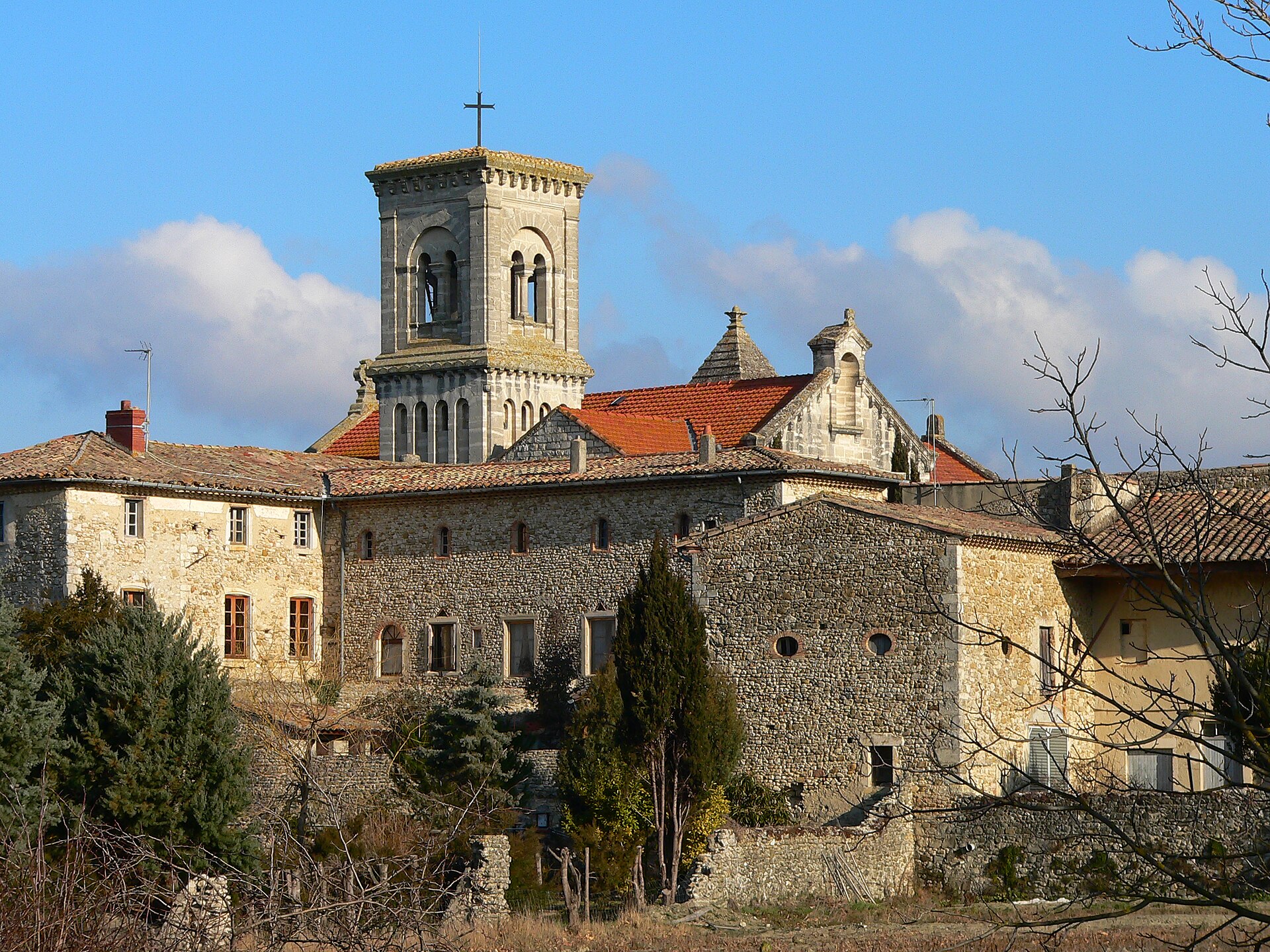
The Abbey of Sainte-Anne in Bonlieu-sur-Roubion is a former Cistercian convent in the Drôme department, in southeastern France. The small village of Bonlieu-sur-Roubion grew up directly around this religious foundation, and its church, later raised to the rank of minor basilica, remains the place's central landmark for anyone travelling through this corner of the Drôme provençale.
Who founded the abbey, and when?
The monastery was founded in 1171 by Countess Véronique de Marsanne, whom tradition links to the house of Poitiers, also known as Valentinois. From the outset it was a women's community, its nuns following the Cistercian rule under the authority of the abbey of Notre-Dame d'Aiguebelle. This kind of dependency was common among Cistercian foundations in the region, and it explains why Bonlieu's architecture and monastic organisation followed patterns established elsewhere in the order.
What architectural style does the church show?
The monastery church belongs to the Provençal Romanesque tradition and is considered a good example of Cistercian architecture that absorbed local Provençal influences. The plain volumes and restrained decoration typical of Cistercian building meet regional stonework solutions common across the south of France, giving the church a distinct, austere character.
What happened to the abbey over the centuries?
At the end of the 14th century, the abbey was devastated by Raymond de Turenne. The attack nevertheless spared part of the Romanesque church's fabric — the walls of the apses, the nave, and the adjoining chapter room. By the early 15th century, the ruined abbey had lost its independent status and become a simple priory attached to the Cistercian abbey of Valcroissant, near Die. Over the following centuries the buildings continued to decay and monastic life there effectively came to an end.
How was the monastery brought back to life?
Revival came only seven centuries after the countess of Marsanne had founded the monastery. In 1871, Marie Odiot de la Paillonne, who came from a family of the Comtat Venaissin, purchased the property, including the old church and the ruined buildings, in order to install a new religious community there. As the site was rebuilt, its religious standing grew too: Pope Leo XIII raised the church to the rank of minor basilica dedicated to Saint Anne, and it was consecrated on 11 October 1899. In the early 20th century, between 1901 and 1903, the sisters were forced to leave the monastery and withdrew to Belgium; they did not return to Bonlieu until the end of 1932.
What is the site used for today?
The former monastery now serves as the parish house of the Sainte-Anne de Bonlieu-sur-Roubion parish. The basilica also keeps its own religious calendar: every year on 26 July, the feast day of Saint Anne, it draws pilgrims who come specifically for the occasion. For visitors, this means the site combines the character of a historic monument with that of an active parish church.
Frequently asked questions
Who founded the abbey at Bonlieu-sur-Roubion? It was founded in 1171 by Countess Véronique de Marsanne as a women's Cistercian community under the authority of the abbey of Notre-Dame d'Aiguebelle.
Why is the church now called a basilica? Because Pope Leo XIII raised it to the rank of minor basilica dedicated to Saint Anne; it was consecrated on 11 October 1899.
What happened to the monastery in the Middle Ages? It was devastated by Raymond de Turenne at the end of the 14th century, and by the early 15th century it had become a mere priory dependent on the abbey of Valcroissant near Die.
Do nuns still live at Bonlieu today? The community that rebuilt the monastery from 1871 left the site in 1901–1903 and only returned in 1932; the building today functions as the parish house rather than an active convent.
When does the pilgrimage to Bonlieu-sur-Roubion take place? The annual pilgrimage to Saint Anne is held on 26 July, the liturgical feast day of the basilica's patron saint.
Where exactly is the abbey located? It stands in the Drôme department, in the commune of Bonlieu-sur-Roubion, at coordinates 44.594085, 4.88045.
Nearby places

Earn badges for the places you visit
Download NextOnTrip, discover new places and check off your trails.