Recreation and entertainment in Poland
A guide to 22 Recreation and entertainment in Poland — with descriptions, photos and traveler visits from the NextOnTrip community. Locations spread across 14 cities and towns. Most visited by the community: Park Oliwski, Ogród Zoologiczny w Łodzi, ZOO we Wrocławiu.
-
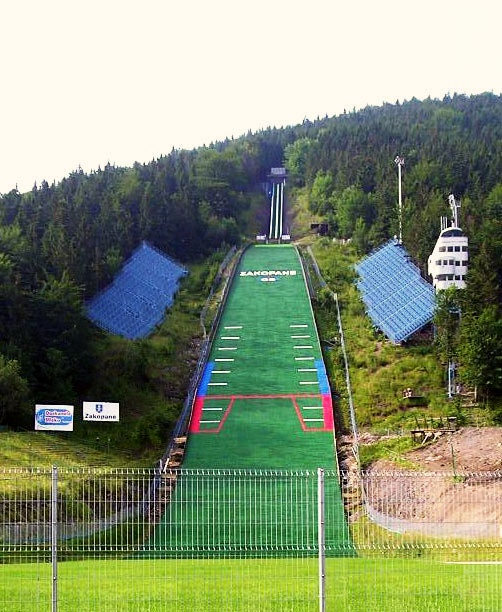
Wielka Krokiew
Zakopane
Wielka Krokiew is Poland's biggest and most famous ski jumping hill, built on the northern slope of Krokiew mountain in Zakopane. For ski jumping fans it is a true temple of the sport, and for visitors it is an impressive landmark with views toward the Tatra Mountains and Giewont. What kind of hill is it? The official name is Wielka Krokiew im. Stanisława Marusarza. It is a large hill with a construction point of K125 and a hill size of HS140, standing at around 1,050 metres above sea level. The in-run and landing slope are visible from many parts of town, which is why Krokiew has become one of Zakopane's symbols alongside Krupówki street and the silhouette of Giewont. How was it built? The hill opened on 22 March 1925. The idea and design came from Karol Stryjeński, a Zakopane town planner and artist who ran the local School of Wood Industry. Opening day was not kind to organisers, with thaw and rain, yet an inaugural competition went ahead with 19 jumpers. At first the hill was associated with its creator's name. Since 1989 its patron has been Stanisław Marusarz, an outstanding Polish skier and one of the key figures in the history of the country's skiing. Major events The first top-level events here took place in 1929, when Zakopane hosted the Nordic World Ski Championships. The world's elite returned in 1939, and further world championships followed in 1962. Since 1980 Wielka Krokiew has also been a venue for the Ski Jumping World Cup, and it still hosts the series regularly. Dozens of World Cup competitions have been held here, and the atmosphere beneath Giewont is among the loudest on the entire calendar. How many spectators can it hold? The stadium below the hill can hold more than 40,000 spectators. That makes it one of the largest facilities of its kind in the world, and on competition days Zakopane turns into a red-and-white celebration. Polish fans are known for their flags, chants and colourful displays, which create a unique mood. Why visit Wielka Krokiew? You can see the place where Polish ski jumping history has been written for almost a hundred years. The area around the hill offers a panorama of Zakopane and the Tatras. It lies close to the centre, so it is easy to combine with a walk around town. In winter you may catch a competition or training session and feel the excitement live. Frequently asked questions Where is Wielka Krokiew? On the northern slope of Krokiew mountain in Zakopane, at roughly 1,050 metres above sea level. When did the hill open? On 22 March 1925. What do K125 and HS140 mean? They describe the size of the hill. K125 is the construction point, and HS140 is the hill size, the distance beyond which jumping becomes risky. Who is the hill named after? Stanisław Marusarz, since 1989. Earlier the hill was associated with Karol Stryjeński, its designer. Does it host World Cup events? Yes. Since 1980 Wielka Krokiew has regularly hosted Ski Jumping World Cup competitions. Is it worth visiting outside the competition season? Yes. The hill makes a pleasant short outing, and the surroundings offer good views over the town and the mountains. If you are planning a weekend in Zakopane, Wielka Krokiew deserves a place on your must-see list, especially if you enjoy sport, history or simply mountain views. It joins nearly a century of tradition with the live excitement of modern competition, so it attracts dedicated fans as well as people who have never seen a ski jump in person.
-
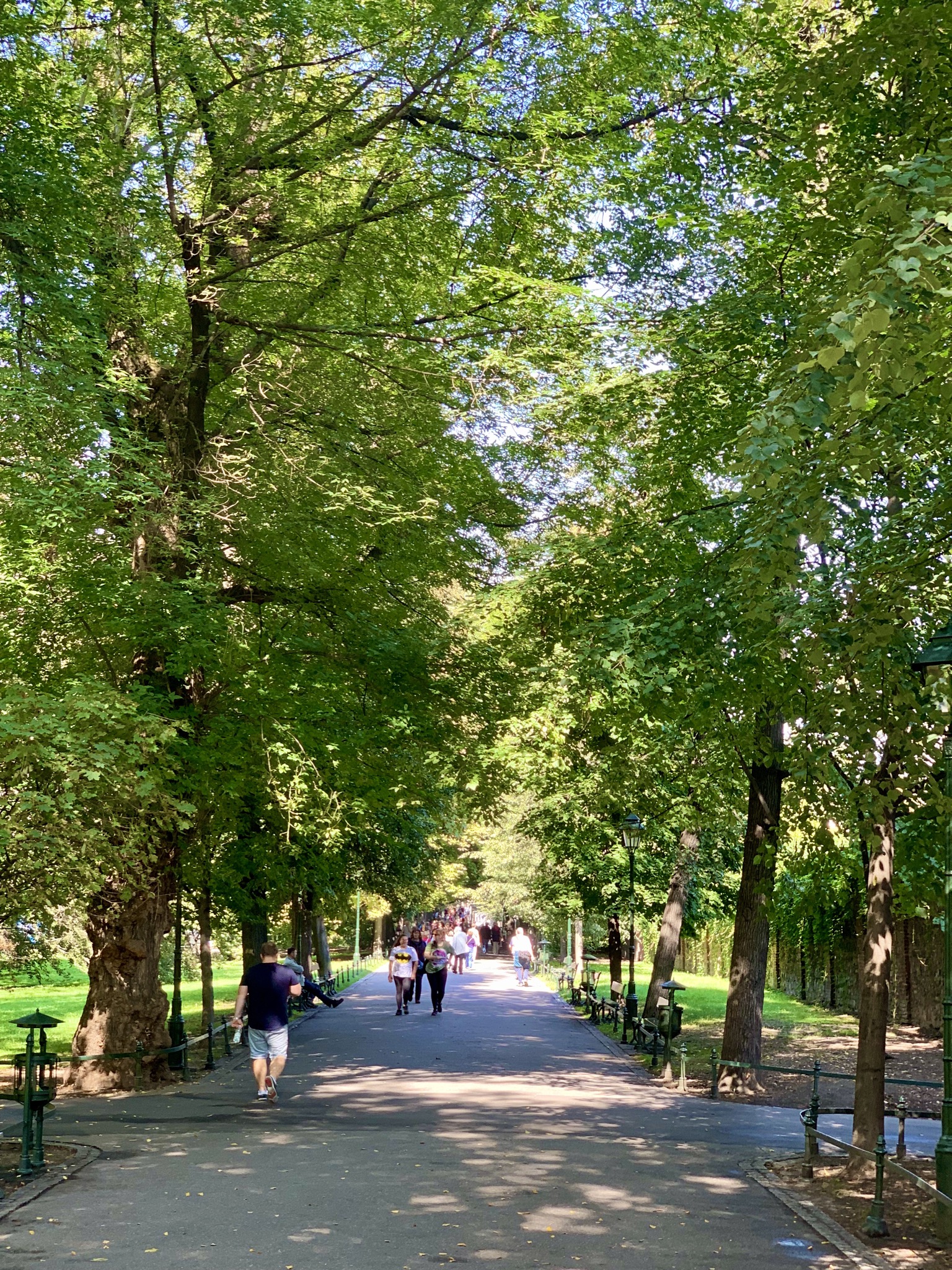
Planty Park
Kraków
Planty is the green ring that wraps around Kraków's Old Town, the city's largest urban park and one of its most loved places to stroll. Over roughly four kilometres of walking paths, a chain of small gardens and squares unfolds, each with its own character. It is where visitors and locals alike slow down, away from the bustle of the Main Square. How did Planty come to be? Until the early nineteenth century, the Old Town was enclosed by medieval defensive walls and a moat. As the fortifications lost their military purpose, the city decided to pull them down. In the 1820s, trees and shrubs were planted and paths laid out on the cleared ground. The result was a public space that grew into the city's showpiece promenade and a favourite walking route for Kraków residents. Remarkable pieces of the old defences survive to this day: the Florian Gate, stretches of wall with towers, and the Barbican, one of the best-preserved structures of its kind in Europe. Walking through Planty, you see historic architecture and greenery woven into a single landscape. What is the park like today? The park is a series of gardens designed in different styles, covering around 21 hectares in total, which makes Planty the largest city park in Kraków. Dozens of species of trees and shrubs grow here, including specimens protected as natural monuments, such as an old plane tree near the end of Wiślna Street. Monuments, sculptures and fountains line the paths, and benches invite you to rest in the shade. Planty encircles almost the entire Old Town, interrupted only near Wawel. That makes it easy to fit into almost any sightseeing route: from the main railway station and the Barbican, past the Jagiellonian University and Collegium Novum, down to the foot of Wawel Hill. What to see nearby The Barbican and Florian Gate – the start of the Royal Route and the most recognisable remnant of the old fortifications. Collegium Novum and university buildings – the neo-Gothic building sits right beside the park's greenery. Sculptures and monuments – scattered along the paths, they commemorate figures from Kraków's history and culture. Views of Wawel – the western stretch of Planty shows the hill from a very different angle than the streets do. Planty in culture From its earliest years, the park inspired artists. Painters depicted the romantic ruins of the medieval walls, and the park itself became the subject of landscapes and studies. Planty is also the backdrop to everyday life in Kraków: young people meet here, students take a break, and families and retirees go for walks. Frequently asked questions Is there an entrance fee? No. It is a public city park, open around the clock, with no gates or tickets. How long does it take to walk the whole ring? The full loop is about four kilometres, so an unhurried walk takes around an hour. With stops and sightseeing along the way, set aside half a day. Is it suitable for children and dogs? Yes. Wide paths, playgrounds in several spots and plenty of shade make Planty comfortable for families. Check the signs for the rules on dogs. When is it most beautiful? In spring, when shrubs and trees bloom, and in autumn, when the canopy turns gold. Summer greenery offers cool shade on hot days, and in winter the park takes on a calm, almost empty feel. Is it accessible for strollers and wheelchairs? Most main paths have an even surface, so getting around is comfortable, though a few street entrances have single steps or kerbs. Why visit? Planty is the simplest way to feel Kraków without queues or tickets. The green ring lets you circle the whole Old Town, pause in the shade, see fragments of the medieval walls and understand what the city looked like before its fortifications came down. For many visitors, a walk through Planty becomes one of the fondest memories of a stay in Kraków.
-
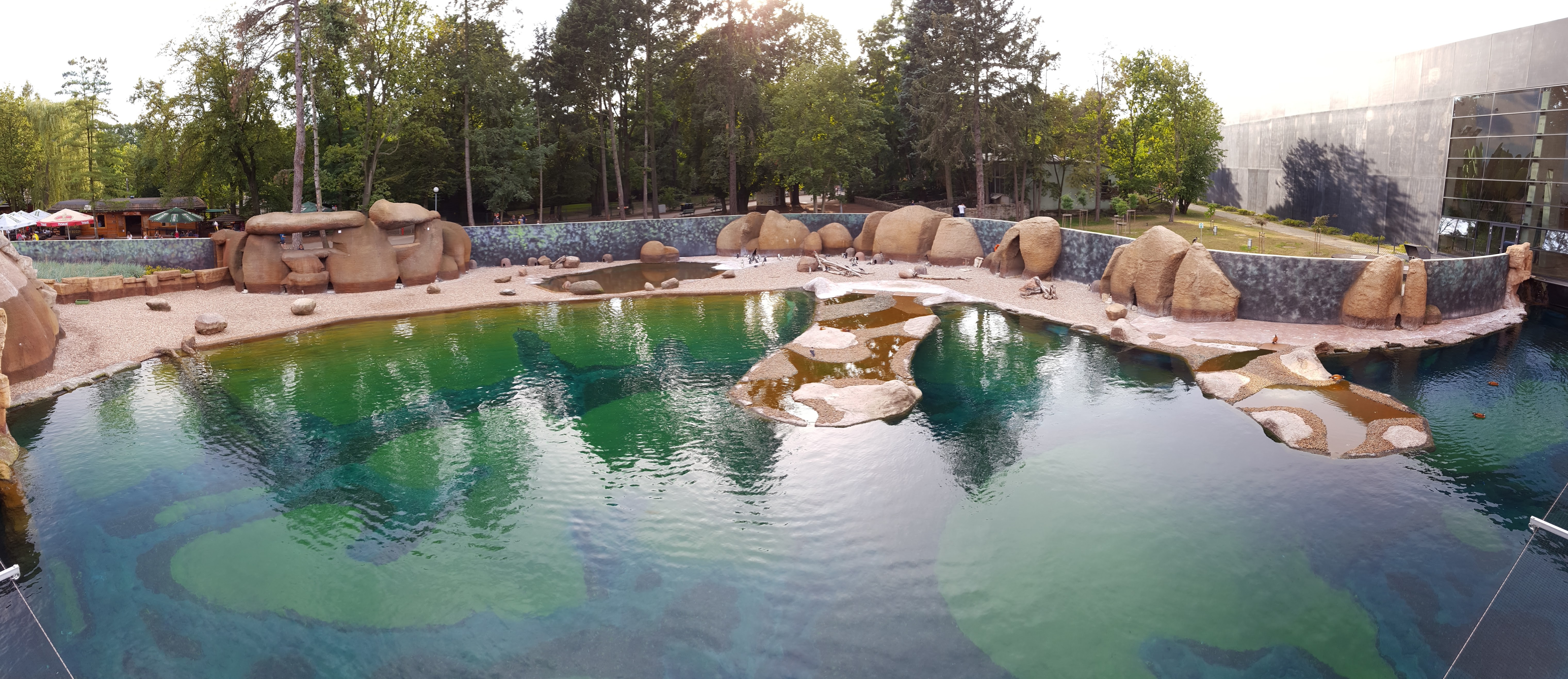
Wrocław Zoo
Wrocław
Wrocław Zoo is the oldest zoological garden in Poland, set close to the city centre and right beside the Centennial Hall, a UNESCO World Heritage Site. Across roughly 33 hectares live around ten thousand animals from more than a thousand species, which places it among the richest zoos in the world by species count. It suits a family outing as well as a full day of animal watching. How old is Wrocław Zoo? The decision to found a zoological garden in what was then Breslau was made in 1863, at the initiative of local residents. The grand opening took place on 10 July 1865, with fireworks and a military band. The garden started with 452 animals from about 50 species. The collection grew steadily. The first elephant arrived from London Zoo in 1873, and a gorilla came from Liverpool in 1897. The zoo also left its mark on animal breeding: the world's first Malayan tapir born in captivity came into the world here, and between the wars a hippopotamus named Anton became well known. The garden's history was far from smooth. After the First World War, an economic crisis forced it to close, its animals went to Berlin, Leipzig and Cologne, and the grounds served as a park. It reopened in 1927. The Second World War brought heavy destruction, but rebuilding began soon after and the zoo reopened in 1948. What animals can you see? The collection spans every continent. Visitor favourites include the rare mouse-deer, okapi, Siberian ibex, Sumatran tigers, clouded and snow leopards, and Indian rhinoceroses. The zoo takes part in dozens of European breeding programmes for endangered species and is a member of the European Association of Zoos and Aquaria (EAZA), so beyond sightseeing it plays a real role in conservation and research. What is the Africarium? The zoo's biggest draw is the Africarium, opened on 26 October 2014. It was the first oceanarium in Poland to present the fauna of a single continent and, as its creators stress, the only one in the world devoted exclusively to Africa. It occupies about 12 percent of the zoo's area and was the largest investment in the garden's history. Around 18 million litres of water circulate through its tanks, pumps and filters, the equivalent of six Olympic swimming pools. Visitors follow a route from African coasts and rivers to its deep waters. Residents include fur seals, penguins, crocodiles, hippopotamuses and manatees, along with moray eels, hammer-headed bats, African dormice and Congo peafowl. Young are born here regularly, among them dik-diks, mongooses and naked mole-rats. How to plan your visit The garden is large, so set aside most of a day, especially if you want to see the Africarium properly. In warmer months, start with the outdoor enclosures and keep the indoor pavilions for the hottest hours or for rainy weather. More than a million people visit each year, so weekends and holidays can be crowded. Weekday mornings are the quietest. What else is nearby? The zoo neighbours the Centennial Hall grounds, the Pergola with its multimedia fountain, and Szczytnicki Park, part of the area Wrocław treats as its leisure zone. After the animals, it is easy to extend your walk to the modernist Hall and the greenery around it. Frequently asked questions Is Wrocław Zoo the oldest in Poland? Yes. It opened in 1865 and is the oldest zoological garden in the country. How many animals live here? About ten and a half thousand individuals from more than a thousand species. What makes the Africarium special? It is an oceanarium dedicated to the fauna of one continent, with around 18 million litres of water in its tanks. Is it a good place for children? Yes. The variety of animals, tropical pavilions and spacious enclosures make it well suited to a family trip.
-
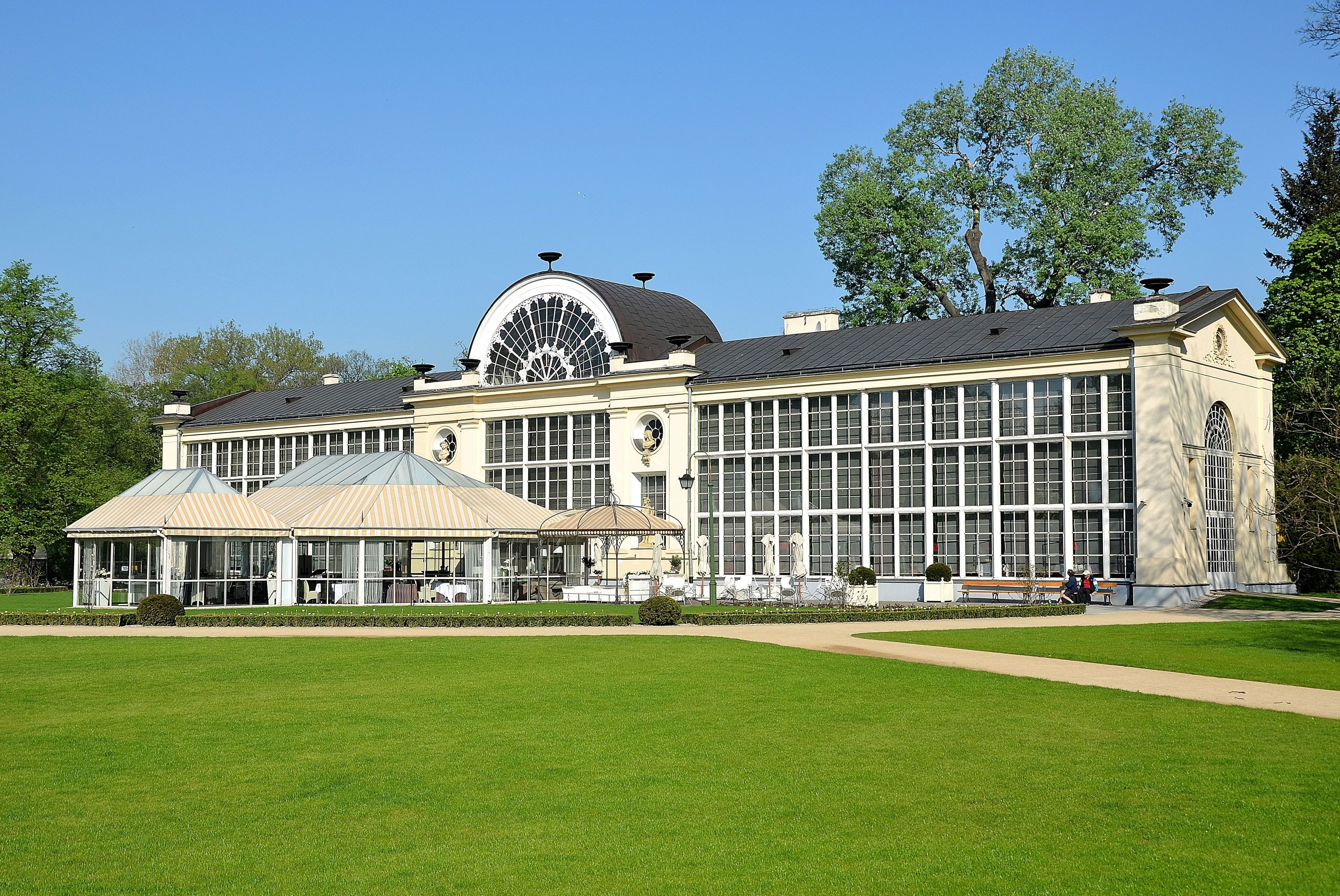
Łazienki Królewskie w Warszawie
Warszawa
Royal Łazienki Park in Warsaw is the capital's largest palace-and-garden complex, founded in the 18th century as the summer residence of Poland's last king, Stanisław August Poniatowski. Today it is the green heart of the city, where peacocks stroll past Neoclassical architecture. The whole estate covers around 76 hectares and stretches along the Royal Route. How did Łazienki come to be? The story starts in the 17th century, when Stanisław Herakliusz Lubomirski ordered a garden pavilion with a bath to be built here. The bath gave the whole estate its name, since "łazienki" means "baths". The real transformation came under Stanisław August Poniatowski. Between 1770 and 1790 the king turned the old property into a summer residence with gardens, Classicist buildings and avenues designed for the court's strolls. Since 1960 the complex has been run by the Royal Łazienki Museum in Warsaw. What to see in Łazienki The Palace on the Isle (also called the Łazienki Palace) is the most famous building in the park. The former bath house was expanded into a Classicist residence surrounded by water, inspired by Italian models. Its white facade reflected in the lake is among the most photographed views in Warsaw. The Amphitheatre makes clever use of the water: the stage sits on an island while the audience gathers on the shore. It shows how the king blended architecture with landscape. The Fryderyk Chopin Monument shows the composer seated beneath a stylised willow, its drooping branches arching over his head. Wacław Szymanowski won the design competition in 1908, the sculpture was unveiled in 1926, and German occupiers destroyed it in 1940. After the war it was rebuilt from the surviving plaster model and unveiled again on 11 May 1958. Concerts at the Chopin Monument One of Warsaw's best-loved traditions is the open-air Chopin recital. Concerts take place on Sundays from May to the end of September. Listeners sit on benches and on the grass around the monument while the music mixes with the rustle of the trees. Arrive early, as the spots closest to the monument fill up fast. Planning your walk The park is large, so allow a few hours for an unhurried visit. You can start in the northern part, head to the Palace on the Isle, and then loop around the ponds and smaller buildings. The paths are flat and comfortable, which suits families with children. Peacocks, squirrels and ducks accompany visitors almost everywhere, and in spring and autumn the park changes colour, making it attractive in every season. Frequently asked questions Who founded Royal Łazienki? Its present form is the work of King Stanisław August Poniatowski, who between 1770 and 1790 turned the earlier estate of Stanisław Herakliusz Lubomirski into a summer residence. Where does the name Łazienki come from? From the garden bath pavilion built here in the 17th century. When are the Chopin concerts held? On Sundays, from May until the end of September, at the Chopin Monument. Can I see peacocks in the park? Yes, peacocks roam freely along the paths, especially around the palace and gardens. What is the monument's connection to the war? Occupiers destroyed it in 1940; it was rebuilt from the original model and unveiled again in 1958. How long should I plan for a visit? A few hours cover the main sights, but the park can easily fill a whole day.
-
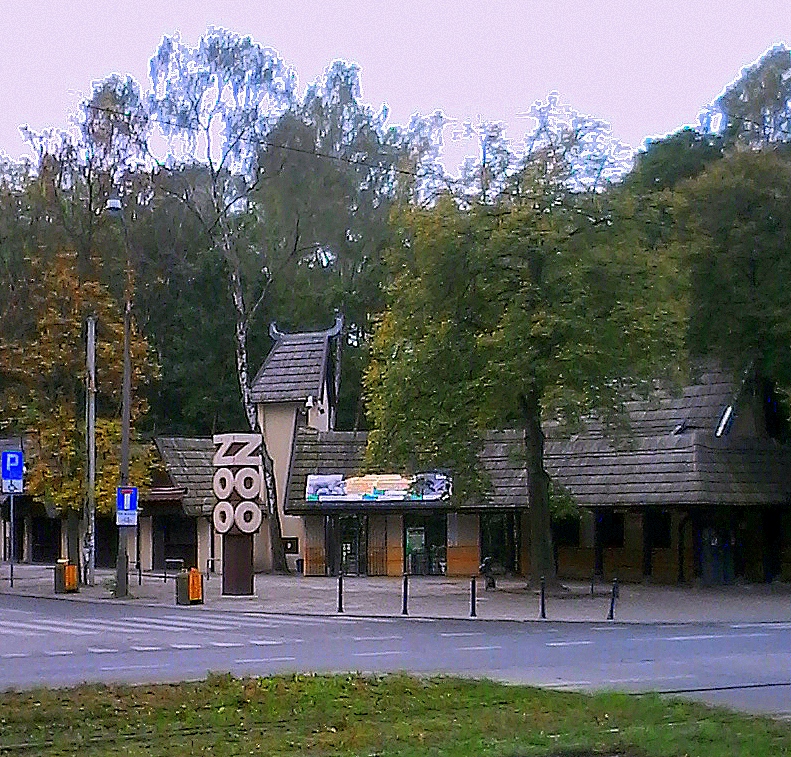
Ogród Zoologiczny w Łodzi
Łódź
Łódź Zoo (Ogród Zoologiczny w Łodzi) is one of the most interesting zoos in Poland, set in a green part of the city on the grounds of the former Łódź Primeval Forest. It opened in 1938 and has since grown from a traditional zoological garden into a modern institution with an international reputation. It is a member of both the European (EAZA) and World (WAZA) zoo associations, which means it takes part in breeding programmes for endangered species. What can I see at Łódź Zoo? The zoo is home to more than three thousand animals from over five hundred species. Alongside the mammals, birds and reptiles familiar from any zoo, there are rare animals that are hard to find elsewhere in the country. It is the only zoo in Poland where you can see giant otters, Sumatran orangutans, false gharials and bush dogs. A visit usually takes several hours. Paths run through the wooded parts of the grounds, and enclosures and pavilions are spread out so that you can make a long loop with breaks in the shade. What is the Orientarium? The biggest addition of recent years is the Orientarium, which opened in 2022. This complex is devoted to Southeast Asia and is regarded as one of the most modern facilities of its kind in Europe. Instead of looking at animals in individual cages, visitors walk through recreated habitats: tropical forests, rivers and water zones. This makes it easier to understand the conditions in which species from the region live and why their habitats are under threat today. The Orientarium also changed the standing of the whole zoo. Once valued mainly by people from the region, it now attracts guests from across Poland and from abroad, and it regularly appears near the top of rankings of Polish zoos. Who is it for? Families with children – lots of animals seen up close, and plenty of places to rest. Nature and photography lovers – rare species, the Orientarium interiors and the greenery of the older part of the zoo. People interested in conservation – the zoo takes part in international breeding programmes and educates visitors about threats to wild species. Practical tips Plan a full day, especially if you want to include the Orientarium. Wear comfortable shoes, and on hot days see the outdoor enclosures in the morning and leave the pavilions for the hottest hours. Weekends and school holidays tend to be busier, so weekdays offer a calmer visit. Frequently asked questions When did Łódź Zoo open? The zoological garden opened in 1938 on the grounds of the former Łódź Primeval Forest. How many animals live here? More than three thousand individuals from over five hundred species. Which species are unique in Poland? Giant otters, Sumatran orangutans, false gharials and bush dogs are shown in Poland only by the Łódź zoo. What is the Orientarium? A modern complex devoted to Southeast Asia, opened in 2022, where animals are presented in recreated natural habitats. Is the zoo a good trip with children? Yes, it is one of the most popular family destinations in the region, with a wide variety of animals and engaging exhibits.
-
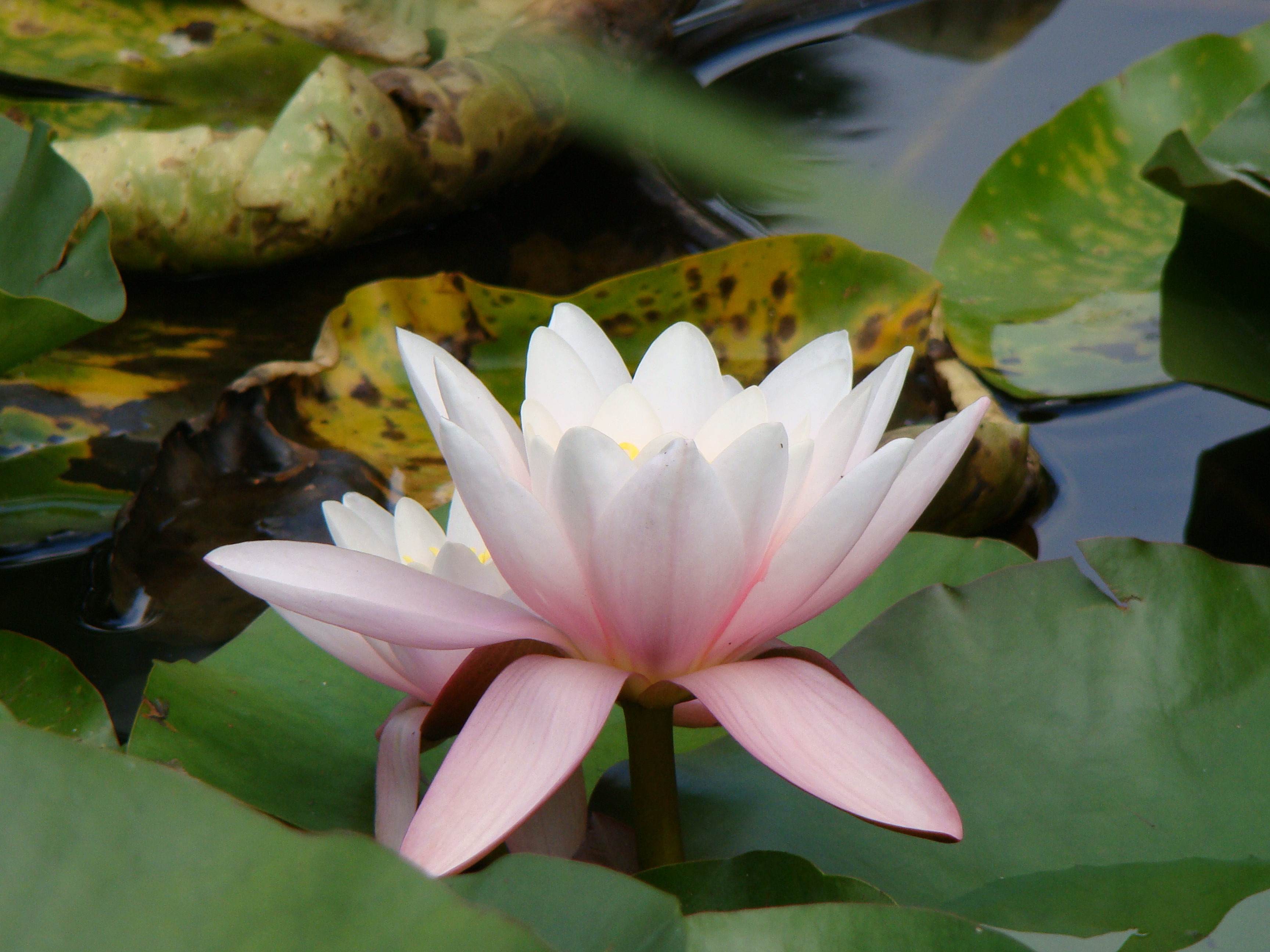
Ogród Botaniczny w Łodzi
Łódź
The Botanical Garden in Łódź is one of the largest botanical gardens in Poland. It covers about 67 hectares and holds more than 3,400 species, varieties and hybrids of land plants. It is officially named after Professor Jakub Mowszowicz, a botanist who helped to create it. It is a good choice for a calm walk, a family outing, or spring and autumn photography. How did the botanical garden in Łódź begin? The story goes back to 1929, when the garden began to take shape in Źródliska Park. After the Second World War, work started on a new site next to the Park na Zdrowiu. That is where the garden grew into the large place visitors know today. Since 1988 its patron has been Jakub Mowszowicz. Who was Jakub Mowszowicz? Jakub Mowszowicz (1901–1983) was a botanist and a professor at the University of Łódź, where he served as dean of the faculty of biology and earth sciences. After the war he settled in Łódź and became closely tied to the university and to the garden, which he helped organise. Together with Professor Jan Muszyński he stood at the origins of its creation. His name is a reminder of the garden's scientific roots: it is not only a park, but also an institution connected with the study and protection of plants. What can you see in the garden? The grounds are divided into nine thematic sections, each presenting different plant communities and collections. This gives a walk a clear rhythm: you move from one type of landscape to another, and each part of the garden looks quite different. With more than 3,400 taxa, every season offers a new picture. Spring brings blossom, summer brings lush greenery and colour, autumn changes the foliage, and winter reveals the structure of trees and shrubs. Is the Palm House nearby? Źródliska Park, where the garden began its history, is home to Łódź's well-known Palm House. It lets you step into a world of tropical and subtropical plants. A visit to the botanical garden is easy to combine with the glasshouses if you plan a whole day around plants. It is worth checking the current opening hours of both places beforehand. Who is this place for? Families with children – lots of space, themed sections and a chance to look at plants up close. Botany and gardening fans – wide variety of species and cultivars, and a good source of ideas for your own garden. Photographers – changing light, colourful beds and natural compositions. Anyone seeking quiet – the large area suits a slow, peaceful walk away from city noise. Practical tips The garden is extensive, so set aside a few hours and wear comfortable shoes. Pick a day with good weather, because most of the attractions are outdoors. If you care about a particular collection or seasonal bloom, check the garden's announcements before you go. Frequently asked questions How big is the Botanical Garden in Łódź? About 67 hectares, making it one of the largest botanical gardens in the country. How many plants grow here? More than 3,400 species, varieties and hybrids of land plants. Since when has the garden carried Mowszowicz's name? Since 1988. When was the garden founded? First work began in 1929 in Źródliska Park, and after the Second World War a new garden was laid out next to the Park na Zdrowiu. Can I combine the visit with the Palm House? Yes, the Palm House stands in Źródliska Park and complements a visit to the garden well.
-
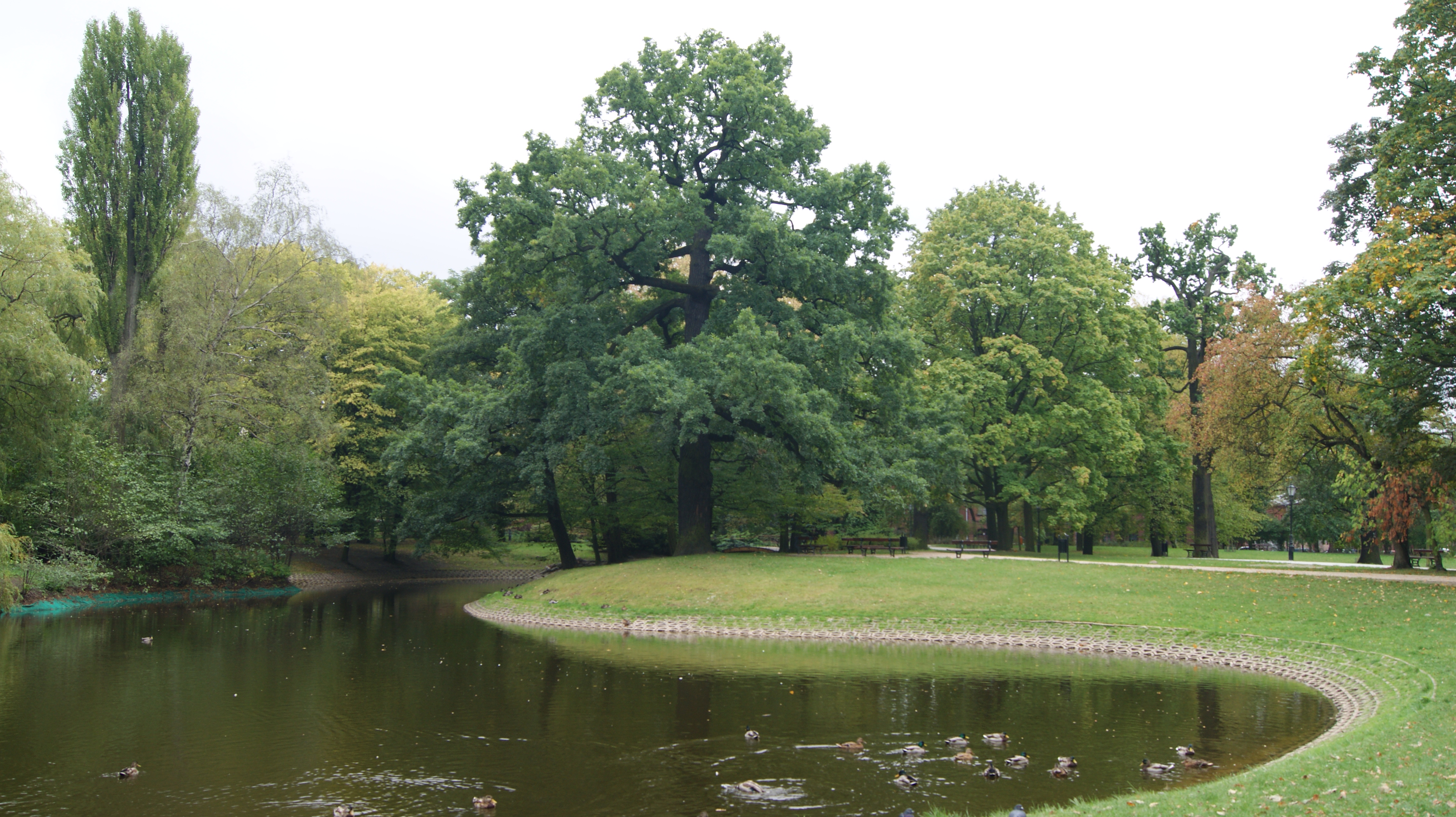
Park Źródliska w Łodzi
Łódź
Park Źródliska in Łódź is one of the oldest city parks in town and one of the most popular places for a stroll close to the center. It covers about 17.2 hectares between Przędzalniana, Fabryczna, Targowa and Piłsudskiego streets, so it is easy to reach on foot from the downtown area. How did Źródliska Park begin? The park dates back to 1840. Forests of the former Łaznów area, which had been absorbed into the growing city, were turned into Łódź's first municipal park, known as the Walking Garden. It was designed by an engineer named Brochocki and followed the principles of the English landscape style: freely winding paths, picturesque groups of trees and open lawns. In 1850 the grounds were split. The western part, today called Źródliska II, was sold to the industrialist Karol Scheibler, while the eastern part, Źródliska I, stayed in private lease for several years. That is why people speak of Źródliska I and II, even though on a map they form one continuous green space. What is there to see? The greatest treasure is the ancient oaks. Some are protected as natural monuments, and their age is estimated at around 300 years. They are among the most valuable trees in all of Łódź and a good reason to slow down and look up at the crowns and trunks. In the south-east of the park are three ponds, and the largest has an island. Paths run around the water, inviting a calm walk, a rest on a bench or a bit of waterfowl watching. In the 1920s, Źródliska I received a new look, with new paths, a pond, a botanical garden, a playground and flowerbeds. In the middle of the 20th century, Źródliska II was opened to visitors together with the Palm House, a favorite of anyone who enjoys exotic plants. Renovation and present-day character For many years the park, and the ponds in particular, was neglected. The turning point came in the 1990s with a comprehensive modernization: the ponds and paths were recreated, a large children's playground was built and the main avenues were lit. Today it is a well-kept, historic green space where locals jog, push strollers, unwind after work and spend their weekends. Frequently asked questions How big is Źródliska Park? The whole complex covers around 17.2 hectares, enough for a long, relaxed walk with a few stops by the ponds. Is the park good for families with children? Yes. It has a large playground, wide lit avenues and plenty of room to rest, which makes it a good choice for a family outing. What is the most valuable feature of the park? Mainly the old oaks, some of them protected natural monuments of roughly 300 years of age, as well as the historic layout dating back to 1840. Why do people talk about Źródliska I and II? It started as a single Walking Garden, but in 1850 it was divided into a western and an eastern part, which still go by separate names today. Is there anything else to see nearby? Yes. The Palm House stands in Źródliska II, and the park lies close to downtown Łódź, so it is easy to combine with sightseeing in the city. Źródliska Park is a great pick for anyone who wants to see a piece of Łódź's green heritage: old trees, ponds with an island and a historic layout, all a short walk from the center.
-
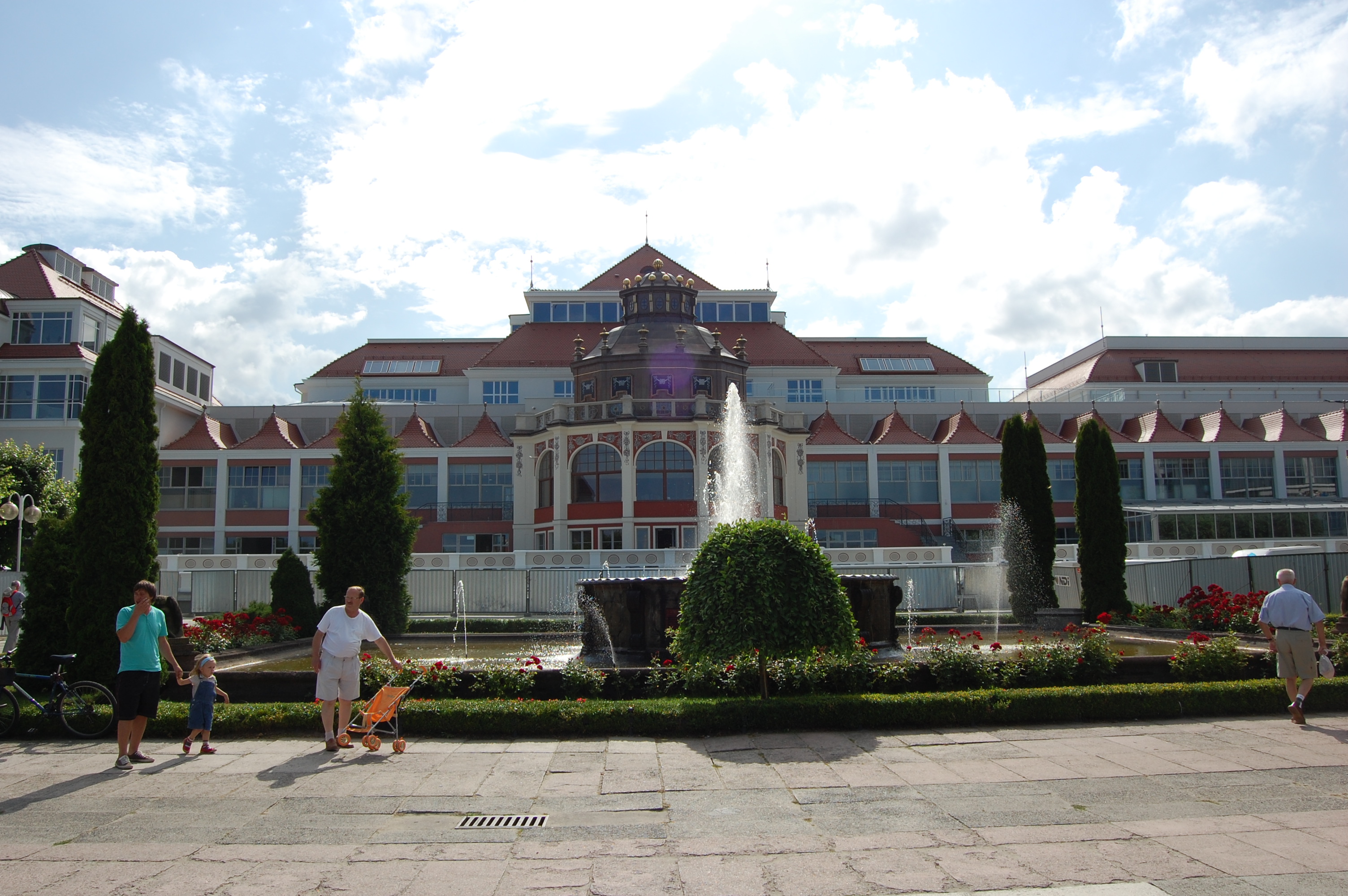
Dom Zdrojowy w Sopocie
Sopot
Dom Zdrojowy in Sopot is one of the city’s most recognizable landmarks and a great place to feel the elegant seaside atmosphere of the Polish coast. Located right by the famous pier and beach, it’s worth visiting for its mix of historic spa-town charm, lively surroundings, and beautiful views of the Baltic Sea. Inside and around the building, you can enjoy a relaxed promenade setting, café stops, local events, and easy access to Sopot’s main attractions. It’s a pleasant place to start a walk along the waterfront, watch people pass by, or simply take in the fresh sea air. Visit in the morning or around sunset for the best light and fewer crowds. Combine it with a walk on the Sopot Pier and nearby Monte Cassino Street. Bring a light jacket, as the seaside breeze can be cool even in summer.
-
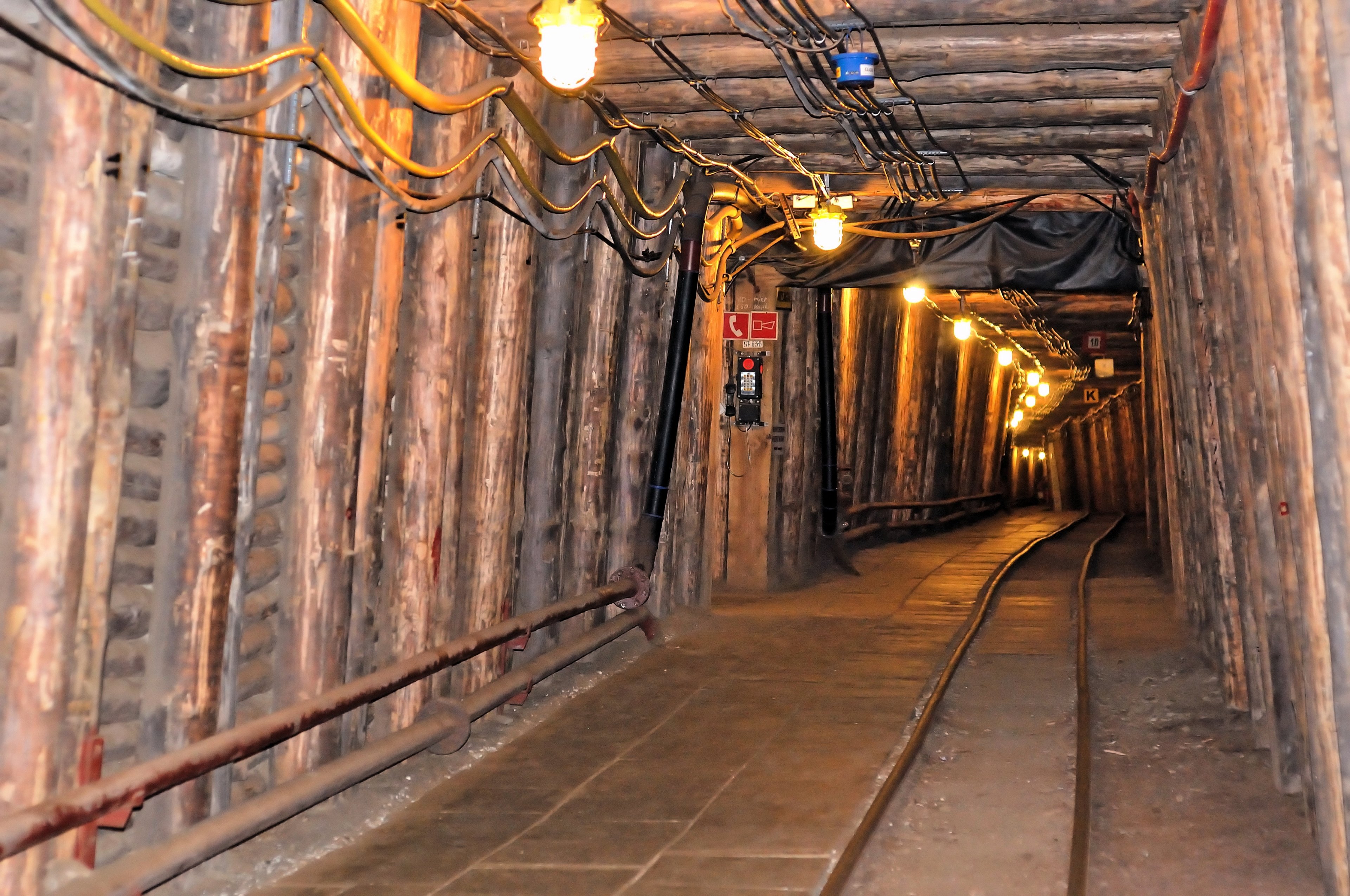
Kopalnia Soli w Bochni
Bochnia
The Bochnia Salt Mine is the oldest salt mine in Poland, worked from 1251 until 1990. Salt is no longer extracted here, but the underground workings remain open to visitors and to people seeking health treatment. The site is a Polish Historic Monument and has been on the UNESCO World Heritage List since 2013. When did mining in Bochnia begin? Salt mining in Bochnia traces back to 1248, when an underground deposit of rock salt was discovered. Extraction began in 1251. The mine was a royal enterprise and played an important part in the economy of the kingdom, bringing the treasury considerable income. For almost seven centuries Bochnia salt fed state finances and trade, and the town itself grew up around the mine. What makes this place special? The mine's emblem is the Sutoris shaft in the town centre. It is regarded as the oldest shaft in Europe in continuous operation since 1251, and it is where visitors begin their journey underground. Below the surface lies a maze of chambers, galleries and inclines that miners carved over the centuries. A visit shows how working methods changed over time and what life underground was like. Which tourist routes are available? The mine offers several routes with different characters. The "Past/Future" route starts at the Sutoris shaft. From ground level you walk down about 70 metres of stairs, then follow passages through the oldest part of the mine, known as the "old workings", to a depth of roughly 170 metres. The "Salt Witness" route also begins at the Sutoris shaft. After descending 70 metres by stairs to the Danielowiec level, it continues down to 212 metres, the August level. The route offer is sometimes updated, so check the mine's website for the current list before you go. Can you take a health cure in the mine? Yes. The site is open for both tourism and therapy. One of the notable chambers is Kołdras, where guests can rest and take brine treatments in an underground laboratory. The salt-rich microclimate has long been used to ease respiratory complaints. Why visit Bochnia? The mine offers something rare: a place where Poland's economic history can be seen in the walls and timbering of the workings. The UNESCO listing confirms the monument's exceptional value. For many travellers it is a quieter alternative to the better-known Wieliczka in the same region, and both can be combined in one trip from the Kraków area. Practical tips The temperature underground is low and stable, so bring warm clothing even in midsummer. Wear comfortable, sturdy shoes, since the routes include many steps. The descent via the Sutoris shaft is on foot, so visitors with limited mobility should ask about accessibility of a given route in advance. In summer and at weekends it is wise to book tickets ahead. Frequently asked questions Does the Bochnia mine still produce salt? No. Extraction ended in 1990, and the site now serves tourism and health treatment. How deep do visitors go? Depending on the route, from about 70 to 212 metres below the surface. Is the mine a UNESCO site? Yes, it was inscribed on the World Heritage List in 2013. Where does the visit begin? At the historic Sutoris shaft in the town centre, from which you descend into the mine. Is it the oldest salt mine in Poland? Yes, it is regarded as the oldest salt mine in the country.
-
1 visits

Adam Mickiewicz Park in Gdańsk-Oliwa
Gdańsk
Park Oliwski (Oliwa Park) is a historic park in the Oliwa district of Gdańsk, set along the Oliwa Stream. It covers 11.3 hectares and is named after the poet Adam Mickiewicz. It is one of the loveliest places to stroll in the Tri-City area, and a living record of several centuries of garden design, from a monastery garden to Rococo and English-style landscapes. How did Oliwa Park come about? The park's beginnings are tied to the Cistercian monastery garden. The form that largely survives today was given to it under the last abbot of Oliwa, Jacek Rybiński (1701–1782). He commissioned the gardener Kazimierz Dębiński, whose French-inspired Rococo layout can still be seen in the southern part of the park. After Rybiński's death the grounds passed to the Hohenzollern-Hechingen family, who kept expanding them. They added a Chinese garden, English-style sections and botanical gardens. In the 19th century the park was opened to visitors. A labyrinth and pavilions from that era have since disappeared. The rock garden appeared around 1910. What to see in the park The French garden in front of the Abbots' Palace. This Baroque layout is the best-known part of the park. Rows of lime trees form a sightline called the Princely View, running around the pond and canal. The Rococo section in the south. Dębiński's work from the days of Abbot Rybiński, preserved to this day. The rock garden. A later addition from the early 20th century, with plants growing among stones. Greenhouses and the Palm House. A modern glass building that complements the historic layout. The Whispering Caves (Dionysus' Ears). Southeast of the Abbots' Palace, a curiosity that children and adults both enjoy. The Oliwa Stream. It flows through the park and shapes its character: water, small bridges and green banks make a calm, picturesque scene. Planning your visit Oliwa Park suits a relaxed walk of an hour or two. It pairs well with Oliwa's other landmarks: the cathedral famed for its organ and the Abbots' Palace. Together they easily fill half a day. In spring and summer the greenery and blooming plants make the strongest impression, in autumn the park turns into an avenue of colourful leaves, and in winter it is quiet and almost empty. The paths are friendly to families with children and to older visitors, and benches in the shade invite a rest. Frequently asked questions How big is Oliwa Park? It covers 11.3 hectares. Where is Oliwa Park? In Gdańsk, in the Oliwa district, along the Oliwa Stream. Who created the park's present layout? Much of it goes back to Abbot Jacek Rybiński and the gardener Kazimierz Dębiński, who designed the Rococo section in the 18th century. What are the Whispering Caves? A park curiosity, also called Dionysus' Ears, southeast of the Abbots' Palace. Is there a palm house in the park? Yes, a modern glass palm house stands on the grounds. Who is a visit for? Lovers of history, gardens and quiet walks, as well as families with children.
-
Gdańsk Arena
Gdansk
Gdańsk Arena is a football stadium in the Letnica district of Gdańsk, at Pokoleń Lechii Gdańsk 1. Its main tenant is Lechia Gdańsk, and the venue also hosts Poland's national teams and large concerts. The amber-coloured shell has become one of the recognisable symbols of modern Gdańsk. Over the years the stadium has also carried sponsor names, including PGE Arena, Energa Arena and Polsat Plus Arena Gdańsk. When was Gdańsk Arena built? The design came from the Düsseldorf studio Rhode Kellermann Wawrowsky, selected on 31 January 2008. Site preparation began in April 2008 and actual construction in May 2009, with the cornerstone laid on 15 July 2009. The venue was built as one of the arenas for Euro 2012. The stadium was put into use on 19 July 2011. The first official match was Lechia against Cracovia on 14 August 2011, which ended in a 1–1 draw. A few weeks later, on 6 September, it staged its first international: Poland drew 2–2 with Germany. For league matches the stands hold 41,620 spectators. Why is it called the amber stadium? The architects based the concept on amber, a material tied to Gdańsk and the Baltic coast. The facade consists of about 18,000 polycarbonate panels in six shades, covering roughly 4.5 hectares. The building is 236 metres long, 203 metres wide and 45 metres high. Thanks to the varied tones of the panels, the stadium stands out clearly from its surroundings. What events has Gdańsk Arena hosted? During Euro 2012, Gdańsk staged four matches: three group games (Spain v Italy, Spain v Ireland, Croatia v Spain) and the quarter-final between Germany and Greece. For the tournament the capacity was reduced to 40,000. On 26 May 2021 the stadium hosted the Europa League final, in which Villarreal beat Manchester United 11–10 on penalties after a 1–1 draw. Since 2024 it has also been the home ground of the Poland women's national football team. The attendance record was set on 1 June 2016, when 40,392 people watched Poland play the Netherlands. The stadium is not only for football. On 19 August 2014 Justin Timberlake performed here. What else is at the stadium? In June 2014 the Fun Arena entertainment and sports centre opened under the eastern stand. Four screens of about 70 square metres each hang in the corners of the stadium, and the sound system uses 308 loudspeakers. The pitch is hybrid turf, natural grass reinforced with synthetic fibres. Where is the stadium? The stadium stands in Letnica, in the northern part of Gdańsk. It is worth seeing both on a match day, when tens of thousands of fans fill it, and on a quieter day, when you can take your time looking at the amber facade. Frequently asked questions Who plays at Gdańsk Arena? Lechia Gdańsk is the main tenant. The stadium also hosts Poland national team matches, including the women's team, which has played its home games here since 2024. Did the stadium host Euro 2012 matches? Yes, four games were played here, including the Germany v Greece quarter-final. How many spectators does it hold? 41,620 for league matches. Why is the facade amber-coloured? It is a deliberate reference to amber, a symbol of Gdańsk and the coast. The effect comes from polycarbonate panels in six shades. Are concerts held here? Yes. Justin Timberlake was among the artists who performed here, in 2014.
-
Neptune's Fountain
Gdansk
Neptune's Fountain is one of the best-known symbols of Gdańsk. It stands on Długi Targ (the Long Market), in the heart of the Main Town, right in front of the entrance to Artus Court. The bronze sea god with his trident has presided over this showpiece square since 1633, and a photo beside the fountain is a fixed point of most walks through the city. Where did it come from? The idea of adorning the Long Market with a monumental fountain came from Mayor Bartłomiej Schachmann and the city council. Work began in 1606. The stone basin and shaft that carry the statue were created by the sculptor and architect Abraham van den Blocke. The model for the figure of Neptune was made by Peter Husen, and the statue was cast in bronze from it in the 1610s. Almost thirty years passed between the start of work and the fountain's installation. The delays were caused by, among other things, the rebuilding of Artus Court, problems with making the water system watertight, the Thirty Years' War and van den Blocke's death in 1628. Water first flowed on 9 October 1633, and the formal inauguration took place on 23 March 1634. That same year a wrought-iron railing was put up around the fountain. What does it look like? Neptune stands on a tall shaft rising from the basin, in a twisting, dynamic pose typical of Flemish Mannerism. The basin is made of dark marble and the shaft of black stone. What you see today is the work of several periods: in 1757–1761 Jan Karol Stender made new parts of the basin and shaft, while the blacksmith Jakub Barren renewed the railing and added Polish eagles and the arms of Gdańsk. Since then the fountain has also shown Rococo features. Originally the whole fountain was painted in colour. The Goldwasser legend The fountain is tied to a tale about Goldwasser, the Gdańsk liqueur with flakes of gold floating in it. In one version, Neptune, surrounded one night by tipsy townsfolk, struck the water with his trident and a golden spirit gushed out. Another version says the sea god smashed the gold coins thrown into the fountain into tiny flakes. These are folk stories, not history. Wartime and restoration During the Second World War the fountain was dismantled and taken out of Gdańsk for safekeeping, which let it survive the destruction of the city, although the trident and one sculptural element were lost. After restoration Neptune returned to the Long Market, and the fountain was switched back on in 1954. The most thorough renovation ran from September 2011 to April 2012: the pedestal and statue were taken apart, and the fountain received a new water treatment system and lighting. It is a listed historic monument. Frequently asked questions Where exactly is Neptune's Fountain? On Długi Targ in Gdańsk, in front of Artus Court and close to the Main Town Hall. The spot lies on the Royal Route, along which Polish kings once entered Gdańsk. Who created the fountain? Abraham van den Blocke made the stone parts, and Peter Husen made the model for the statue of Neptune. When was it switched on? Work began in 1606. Water first flowed in October 1633, and the formal inauguration followed in spring 1634. Can I get close to it? Yes. The fountain stands in an open pedestrian area, so you can view it freely from all sides through its surrounding railing. How long should I plan for? A few minutes are enough for the fountain itself. It pairs well with a walk along the Long Market and a visit to Artus Court, whose facade forms one of the best-known views in Gdańsk together with Neptune.
-
Aquapark Reda
Reda
Aquapark Reda is a water park in Reda, Poland, and it belongs to a wider network of water parks across Europe. It is a practical stop for travelers and families looking for an easy day of aquatic fun in the city. For visitors, it offers a straightforward outing focused on swimming, slides, and relaxation. Na miejscu można liczyć przede wszystkim na: water-based attractions that fit a family visit, including slides and pools mentioned in the original description leisure facilities designed for different ages and interests, so both children and adults can find something to do a convenient option for a summer holiday, a weekend getaway, or a family day out in Reda If you are planning a visit, it is worth bringing swimwear, towels, and the usual pool essentials, and checking the opening times before you go. This is a good choice for families, casual visitors, and anyone wanting a simple break with water activities rather than a full sightseeing program.
-
Water Park Częstochowa
Częstochowa
Water Park Częstochowa is a water park in Częstochowa, Poland, designed for swimming, recreation, and active downtime. It offers indoor pools, slides, and a leisure area, and it stays open all year. It is a good choice for a relaxed visit with a bit of movement and fun. Na miejscu można liczyć przede wszystkim na: indoor pools that make the park usable in any season, so it works well even when the weather outside is less inviting slides and recreation facilities for visitors who want a more active visit rather than just a swim a leisure area that suits both families and people looking for a calmer break between swimming sessions For the best experience, it is worth bringing swimwear, a towel, and flip-flops, and checking opening hours before you go. This is a solid option for families, as well as for anyone in Częstochowa who wants an easy indoor outing with swimming and recreation.
-
Aquadrom
Ruda Śląska
Aquadrom is a swimming and leisure complex in Halemba, in the Ruda Śląska district of Poland. It is designed for recreation, exercise, and water-based fun, making it a convenient stop for both residents and visitors. For tourists, it offers an easy outing focused on swimming and relaxed leisure time. Na miejscu można liczyć przede wszystkim na: swimming facilities where you can spend time in the water and get some exercise leisure-oriented spaces that make the complex suitable for a relaxed family visit a local recreation spot in Halemba, popular with both people from the area and visitors to Ruda Śląska If you are planning a visit, it is worth bringing the usual pool essentials and checking the opening hours before you go. This is a good choice for anyone looking for a short, active break or a calm family outing.
-
Aquapark Wrocław
Wrocław
Aquapark Wrocław is a popular water park in the Huby district of Wrocław, in Poland’s Lower Silesian Voivodeship. It is a well-known leisure spot for families, local residents, and visitors, offering an easy way to take a break in the city. For travelers, it works well as a relaxing stop for swimming and water-based fun. Na miejscu można liczyć przede wszystkim na: a range of water attractions that make it a good choice for swimming and active leisure a convenient urban location in the Huby district, easy to fit into a day of exploring Wrocław a family-friendly atmosphere that appeals to both locals and visitors looking for a simple break from sightseeing If you are planning a visit, it is worth bringing swimwear, a towel, and flip-flops, and checking the opening hours before you go. This is a good option for anyone wanting a short, low-effort outing in the city, especially families and travelers looking for a relaxed pause between attractions.
-
Fala baths in Chorzów
Chorzów
Fala baths in Chorzów is an outdoor swimming complex set in Silesian Park, close to the center of Chorzów. It is a summer spot for families and other visitors, combining pools, water slides, and areas for relaxation within a larger park setting. It works well for a short outing that mixes swimming with a bit of time outdoors. Na miejscu można liczyć przede wszystkim na: outdoor pools and water slides, which make it a good choice for warm-weather swimming and active fun; recreational areas designed for families and visitors looking to spend a few easy hours on site; the wider Silesian Park surroundings, including walking paths and other leisure facilities nearby. If you are planning a visit, it is best to come in summer and bring everything you need for a day by the water. This is a good option for families, casual swimmers, and anyone who wants a simple outdoor break near the city center.
-
Wake Zone Stawiki
Sosnowiec
Wake Zone Stawiki is a watersports complex in Sosnowiec built around wakeboarding and water-skiing lifts. It offers an active outdoor setting where both first-time visitors and seasoned riders can spend time on the water, learn new skills, and enjoy the atmosphere. It is a good choice for a lively short outing. Na miejscu można liczyć przede wszystkim na: wakeboarding and water-skiing lifts, which are the main feature of the complex and make it easy to get out on the water a setting suited to both beginners and experienced riders, so the place works well for practice as well as casual fun an energetic recreational atmosphere that encourages an active day outdoors rather than a quiet sightseeing stop If you are planning a visit, it is worth bringing comfortable clothes and checking the weather before you go, especially if you want to spend more time on the water. This is a good option for anyone looking for an active break in Sosnowiec, whether you are trying wakeboarding for the first time or just want a sporty afternoon.
-
Zoo Gdańsk
Gdańsk
Gdańsk Zoo (Gdański Ogród Zoologiczny) is the largest zoo in Poland by area. It lies in Oliwa, a leafy district of Gdańsk, and covers more than 123 hectares inside the Tricity Landscape Park. It is a place for a full day of walking among forest, hills and enclosures, not a quick stop to tick off a few cages. Where is Gdańsk Zoo and what is the terrain like? The zoo occupies the Leśny Młyn valley in Oliwa. The ground is hilly and heavily wooded, so a visit feels more like a hike through a landscape park than a stroll around a flat compound. Paths run through the shade of old trees, and the animals live in enclosures set into the natural shape of the valley. Comfortable shoes are a good idea, as distances between sections can be considerable. What is the history of the zoo? Oliwa had a menagerie from 1927. Until the outbreak of World War II it housed deer, a brown bear, bison, giraffes and monkeys, among others. The present zoo was officially opened on 1 May 1954, on grounds that had been home to a sanatorium for people with respiratory and rheumatic illnesses until 1945. Its rapid growth in the 1950s and 1960s is credited to its first director, Michał Massalski. In 1993 the zoo was admitted to EAZA, the European Association of Zoos and Aquaria. Which animals can you see? At the end of 2023 the zoo was home to 146 species and 859 animals, including 68 species of mammals and 45 species of birds. Capybaras and penguins are among the visitors' favourites. One penguin, Kokosanka, became famous as the winner of the Penguin of the Year 2024 vote. The collection keeps changing, with new arrivals such as a three-striped palm squirrel and a Bactrian camel. What is there for families with children? Younger visitors have a mini zoo, a playground and two ropes courses. A visit is therefore about more than watching animals, and children can burn off energy too. It is a natural choice for a family outing in the Tricity, especially on warm, sunny days. Conservation The zoo takes part in breeding and conservation programmes for endangered species. As an EAZA member it joins European cooperation in animal breeding, which gives a visit an educational side: you can learn why some species need support and what work goes into their survival. Frequently asked questions Is Gdańsk Zoo the largest in Poland? Yes, by area. At over 123 hectares it is the largest zoological garden in the country. Which district of Gdańsk is it in? Oliwa, in the Leśny Młyn valley, next to the greenery of the Tricity Landscape Park. How much time should I allow? Because of the size of the grounds and the hilly layout, plan for most of a day, especially with children. Is it good for kids? Yes. There is a mini zoo, a playground and two ropes courses, and capybaras and penguins are big hits with young visitors. When did the zoo open? The current zoo opened on 1 May 1954, while an earlier menagerie in Oliwa existed from 1927 until the Second World War. Check the official website for current opening hours and entry rules before you go.
-
Ronald Reagan Park
Gdańsk
Ronald Reagan Park is a large seaside park in northern Gdańsk, stretching along the Gulf of Gdańsk coast. The green belt links Przymorze Wielkie, the western part of Brzeźno and the eastern reaches of the Żabianka-Wejhera-Jelitkowo-Tysiąclecia district. Locals love it for walks, jogging and unwinding, and for visitors it makes a calm alternative to the busy Old Town. Where is the park and how do you get there? The park lies in the coastal strip beside the Przymorze housing estates, close to the beach. That makes it easy to combine with a day by the sea or a longer stroll towards Jelitkowo and Brzeźno. The terrain is flat, which suits family outings, cycling, rollerblading and morning runs. How did the park come about? The land was once occupied by temporary allotment gardens and wasteland. Development was planned in the early 2000s, with the main works carried out between 2003 and 2006. Later stages continued through to 2014. In 2008 the Society of Polish Town Planners named it the best-managed green space in Poland, a good measure of the project's scale and quality. Who is the park named after? The park honours Ronald Reagan, the U.S. president who, alongside Pope John Paul II, is regarded as having helped bring about the fall of communism in Poland and Central and Eastern Europe. Reagan is also an honorary citizen of Gdańsk, the birthplace of the Solidarity movement, and the name expresses the city's gratitude. What to see in the park Monument to John Paul II and Ronald Reagan. This bronze sculpture was initiated by the "Godność" (Dignity) Association, which brings together former Solidarity activists and political prisoners. It was donated to the city in 2012. The design is based on a 1987 photograph of the two men walking together in Miami. "Great Citizens of Gdańsk" sculpture gallery. An open-air gallery of granite portraits of people tied to the city, including Daniel Chodowiecki and Günter Grass. Ten works remain today, one of them incomplete, since Bente Kluge's statue of Lech Wałęsa has disappeared. Ponds with living shorelines and nesting islands. The park includes ponds with naturally planted banks and islands where waterbirds nest, a good spot for quiet nature watching. Space to relax and be active. There is room to rest, exercise outdoors and light a bonfire in designated places. Wide paths and grassy clearings suit picnics and playing with children. Why visit? The park offers several things at once: greenery and calm right by the sea, thoughtful modern landscaping, sculptures with historical meaning and pockets of wildlife inside the city. It is a good pause in a day of sightseeing in Gdańsk, especially if you are planning time by the sea around Przymorze or Jelitkowo. Frequently asked questions Can you light a bonfire in the park? Yes, there are places intended for bonfires. Use only the designated spots. Is it a good place for children? Yes. Flat terrain, wide paths and large green spaces make it well suited to family walks. Why is it named after Reagan? It honours Ronald Reagan, an honorary citizen of Gdańsk associated with the processes that led to the fall of communism. What else is nearby? The beach, the seafront promenade towards Jelitkowo, and further on, Brzeźno. When is the best time to visit? The park is open year-round and is especially pleasant on warm days, when a walk can be combined with time by the sea.
-
Orunia Park
Gdańsk
Orunia Park (Park Oruński) in Gdańsk is a historic city park on the Orunia Stream, named after Emilia Hoene. It is the third-largest park in the city and the largest of Gdańsk's historic parks. It covers around 19 hectares in the south of Gdańsk and is one of the most important places for a walk in this part of town. Where is Orunia Park and how do you get there? The park stretches along the Orunia Stream, on the border of the districts of Orunia-Święty Wojciech-Lipce and Orunia Górna-Gdańsk Południe. This is a residential area outside the strict city centre, so a visit is a chance to see Gdańsk beyond the usual tourist routes. Getting here from the centre is straightforward, and the grounds are open to all visitors. Who was Emilia Hoene? The park's patron, Emilia Hoene, was the last private owner of the grounds. In 1917 she handed the park over to the city, making this green space accessible to residents. Her name remains part of the park's official name today. What does the park look like and what can you see? The layout dates back to the 17th century and follows the landscape garden style, often called the English style. Instead of symmetrical avenues you will find winding paths, rolling terrain and freely growing trees. Such designs aim to evoke natural scenery, although they are carefully planned. One of the main attractions is a system of ponds linked by streams. Decorative footbridges cross the water, and the banks are lined with trees including weeping willows, which look especially lovely in spring. Water and greenery create a calm atmosphere that is hard to find in a busy city. The park belongs to the protected landscape and nature complex of the Orunia Stream Valley. You will also find an amphitheatre that hosts concerts in summer, and playgrounds for children. There are benches too, ideal for a short rest. Who is this place for? Families with children – a playground, open space and easy paths. Walkers and runners – long, shaded paths along the water. Photographers – footbridges, ponds and trees by the water offer plenty of shots. Anyone interested in garden history – an example of a historic landscape park in Gdańsk. What else can you combine with a visit? Nearby is the Gdańsk Waterworks Trail, made up of historic water reservoirs in Stara Orunia and a modern water tower with a viewing terrace. The park fits well into a short walking route through the area, and the surroundings along the Orunia Stream invite longer hikes. Frequently asked questions Is Orunia Park big? Yes. It is the third-largest city park in Gdańsk and the largest among the historic ones, at about 19 hectares. Where does the park's name come from? It honours Emilia Hoene, the last private owner, who gave the park to the city in 1917. "Oruński" refers to the Orunia district and the stream that flows through it. Are there attractions for children? Yes, there are playgrounds and plenty of space for relaxed play outdoors. Are events held here? In summer, concerts are held in the park's amphitheatre. The programme changes each year, so check it before your visit. What is the best time of year to visit? Spring and summer, when the trees are green and the ponds are at their most pleasant. Autumn also brings attractive leaf colours.
-
Kuźniczki Park in Gdańsk
Gdańsk
Kuźniczki Park is a small, historic park in Wrzeszcz, one of Gdańsk's most popular residential districts. It covers just 0.6 hectares, yet it carries the story of a former manor estate and today serves as a quiet green corner beside the city bustle. Where is Kuźniczki Park? The park lies in the Kuźniczki neighbourhood of Wrzeszcz, on the banks of the Strzyża stream. The stream emerges here from beneath the railway embankment, having begun its course in the woods of Upper Wrzeszcz. It is one of the spots where the Strzyża shows itself above ground before disappearing again into the urban fabric. From central Wrzeszcz it is only a few minutes on foot, which makes the park an easy pause during a walk around the district. Where does the name come from, and what was the estate like? Kuźniczki is a remnant of a former manor estate. From the 18th century until the end of the Second World War the place was known by its German name, Kleinhammer, meaning "little hammer", a nod to the water-powered workshops once found along such streams. The surroundings of Wrzeszcz were long a place of country residences and suburban estates belonging to the people of Gdańsk, and Kuźniczki was one of them. The grounds were once much larger. In the 19th century a railway line was driven through the area, and further parcels of land passed to the neighbouring brewery, Danziger Aktien-Bierbrauerei. Remains of its buildings were later incorporated into modern apartment blocks north of the park. What survives of the old estate is the park itself, a pond and a manor building raised in the mid-18th century. Why visit? Calm in the middle of the city. A spot for a short stroll, a bench in the shade and a break from the noise of Wrzeszcz. Water and greenery. The pond and the Strzyża alongside give the park an atmosphere hard to find among dense buildings. Literary Gdańsk. In the interwar years the park was a popular meeting place for young people. It appears in the prose of Günter Grass, the Nobel laureate tied to Wrzeszcz, and so features on literary walks following his novels. District history. The park helps you picture Wrzeszcz as it was before the railway and industry reshaped it. Renewal driven by residents For years the park shrank and, poorly kept, lost its charm. In recent years local residents, many of whom remember it from childhood, successfully campaigned to have it cleaned up. The works extended to the surroundings, and the park was refreshed alongside the renovation of nearby Wajdeloty Street. Frequently asked questions Is Kuźniczki Park big? No, it covers about 0.6 hectares, so it is closer to a small green square than a sprawling park. A quarter of an hour is enough to see it all. Where exactly is it? In Wrzeszcz, in the Kuźniczki neighbourhood, on the Strzyża stream, close to the railway line and Wajdeloty Street. Is it a heritage site? Yes, it is a historic park, tied to the story of Gdańsk's former suburban estates. What else is nearby? Wrzeszcz is known for its Art Nouveau tenement houses, the Wajdeloty promenade and places linked with Günter Grass, so the park fits neatly into a walk around the district. Who is it for? Residents looking for a moment of calm, lovers of Gdańsk history and anyone following Grass's literary trail.
Earn badges for the places you visit
Download NextOnTrip, discover new places and check off your trails.