Save this place and discover nearby attractions with NextOnTrip
In the app you can add it to your favorites, see what else is worth visiting nearby on the map, and earn a badge for your visit.
The app is available for iPhone and Android.
About this place
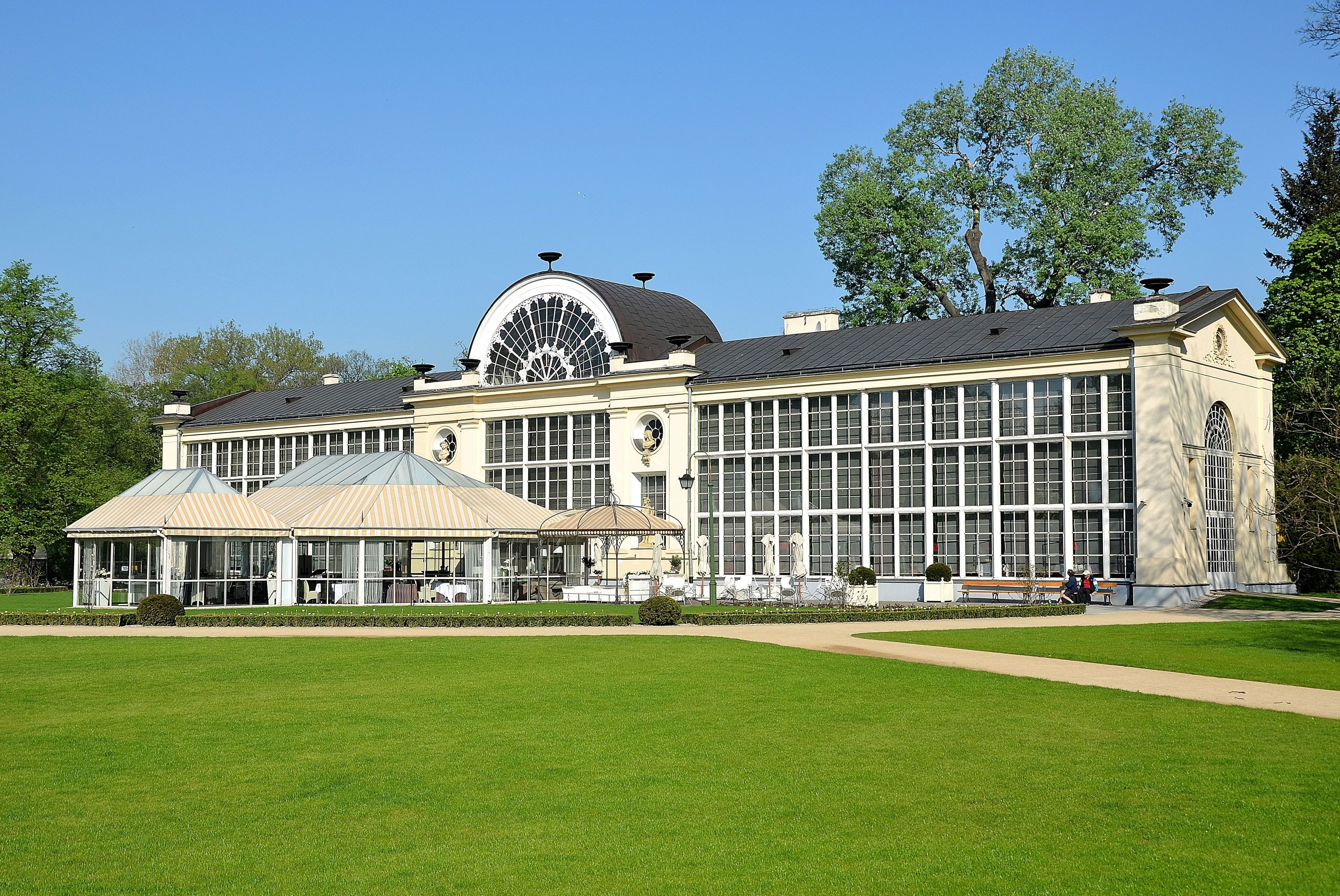
Royal Łazienki Park in Warsaw is the capital's largest palace-and-garden complex, founded in the 18th century as the summer residence of Poland's last king, Stanisław August Poniatowski. Today it is the green heart of the city, where peacocks stroll past Neoclassical architecture. The whole estate covers around 76 hectares and stretches along the Royal Route.
How did Łazienki come to be?
The story starts in the 17th century, when Stanisław Herakliusz Lubomirski ordered a garden pavilion with a bath to be built here. The bath gave the whole estate its name, since "łazienki" means "baths". The real transformation came under Stanisław August Poniatowski. Between 1770 and 1790 the king turned the old property into a summer residence with gardens, Classicist buildings and avenues designed for the court's strolls. Since 1960 the complex has been run by the Royal Łazienki Museum in Warsaw.
What to see in Łazienki
The Palace on the Isle (also called the Łazienki Palace) is the most famous building in the park. The former bath house was expanded into a Classicist residence surrounded by water, inspired by Italian models. Its white facade reflected in the lake is among the most photographed views in Warsaw.
The Amphitheatre makes clever use of the water: the stage sits on an island while the audience gathers on the shore. It shows how the king blended architecture with landscape.
The Fryderyk Chopin Monument shows the composer seated beneath a stylised willow, its drooping branches arching over his head. Wacław Szymanowski won the design competition in 1908, the sculpture was unveiled in 1926, and German occupiers destroyed it in 1940. After the war it was rebuilt from the surviving plaster model and unveiled again on 11 May 1958.
Concerts at the Chopin Monument
One of Warsaw's best-loved traditions is the open-air Chopin recital. Concerts take place on Sundays from May to the end of September. Listeners sit on benches and on the grass around the monument while the music mixes with the rustle of the trees. Arrive early, as the spots closest to the monument fill up fast.
Planning your walk
The park is large, so allow a few hours for an unhurried visit. You can start in the northern part, head to the Palace on the Isle, and then loop around the ponds and smaller buildings. The paths are flat and comfortable, which suits families with children. Peacocks, squirrels and ducks accompany visitors almost everywhere, and in spring and autumn the park changes colour, making it attractive in every season.
Frequently asked questions
Who founded Royal Łazienki? Its present form is the work of King Stanisław August Poniatowski, who between 1770 and 1790 turned the earlier estate of Stanisław Herakliusz Lubomirski into a summer residence.
Where does the name Łazienki come from? From the garden bath pavilion built here in the 17th century.
When are the Chopin concerts held? On Sundays, from May until the end of September, at the Chopin Monument.
Can I see peacocks in the park? Yes, peacocks roam freely along the paths, especially around the palace and gardens.
What is the monument's connection to the war? Occupiers destroyed it in 1940; it was rebuilt from the original model and unveiled again in 1958.
How long should I plan for a visit? A few hours cover the main sights, but the park can easily fill a whole day.
Earn badges for the places you visit
Download NextOnTrip, discover new places and check off your trails.