- Mines
Kopalnia Soli w Bochni
About this place
The Bochnia Salt Mine is the oldest salt mine in Poland, worked from 1251 until 1990. Salt is no longer extracted here, but the underground workings remain open to visitors and to people seeking health treatment. The site is a Polish Historic Monument and has been on the UNESCO World Heritage List since 2013.
When did mining in Bochnia begin?
Salt mining in Bochnia traces back to 1248, when an underground deposit of rock salt was discovered. Extraction began in 1251. The mine was a royal enterprise and played an important part in the economy of the kingdom, bringing the treasury considerable income. For almost seven centuries Bochnia salt fed state finances and trade, and the town itself grew up around the mine.
What makes this place special?
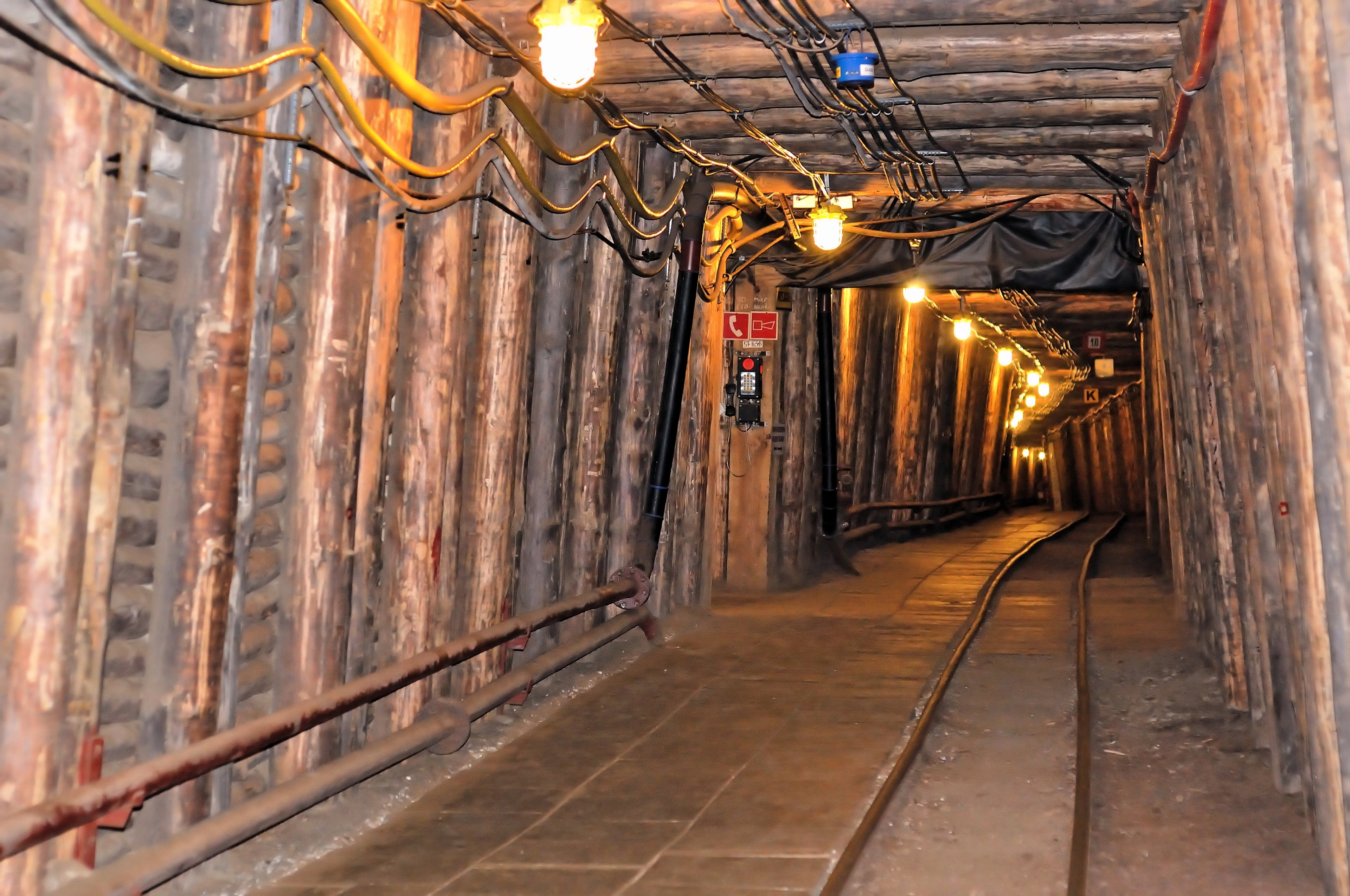
The mine's emblem is the Sutoris shaft in the town centre. It is regarded as the oldest shaft in Europe in continuous operation since 1251, and it is where visitors begin their journey underground. Below the surface lies a maze of chambers, galleries and inclines that miners carved over the centuries. A visit shows how working methods changed over time and what life underground was like.
Which tourist routes are available?
The mine offers several routes with different characters.
- The "Past/Future" route starts at the Sutoris shaft. From ground level you walk down about 70 metres of stairs, then follow passages through the oldest part of the mine, known as the "old workings", to a depth of roughly 170 metres.
- The "Salt Witness" route also begins at the Sutoris shaft. After descending 70 metres by stairs to the Danielowiec level, it continues down to 212 metres, the August level.
The route offer is sometimes updated, so check the mine's website for the current list before you go.
Can you take a health cure in the mine?
Yes. The site is open for both tourism and therapy. One of the notable chambers is Kołdras, where guests can rest and take brine treatments in an underground laboratory. The salt-rich microclimate has long been used to ease respiratory complaints.
Why visit Bochnia?
The mine offers something rare: a place where Poland's economic history can be seen in the walls and timbering of the workings. The UNESCO listing confirms the monument's exceptional value. For many travellers it is a quieter alternative to the better-known Wieliczka in the same region, and both can be combined in one trip from the Kraków area.
Practical tips
The temperature underground is low and stable, so bring warm clothing even in midsummer. Wear comfortable, sturdy shoes, since the routes include many steps. The descent via the Sutoris shaft is on foot, so visitors with limited mobility should ask about accessibility of a given route in advance. In summer and at weekends it is wise to book tickets ahead.
Frequently asked questions
Does the Bochnia mine still produce salt? No. Extraction ended in 1990, and the site now serves tourism and health treatment.
How deep do visitors go? Depending on the route, from about 70 to 212 metres below the surface.
Is the mine a UNESCO site? Yes, it was inscribed on the World Heritage List in 2013.
Where does the visit begin? At the historic Sutoris shaft in the town centre, from which you descend into the mine.
Is it the oldest salt mine in Poland? Yes, it is regarded as the oldest salt mine in the country.
Earn badges for the places you visit
Download NextOnTrip, discover new places and check off your trails.