Culture and art in Spain
A guide to 354 Culture and art in Spain — with descriptions, photos and traveler visits from the NextOnTrip community. Locations spread across 167 cities and towns. Most visited by the community: Casa Núñez, Centro de Documentación de las Artes Escénicas de Andalucía, Centre de Documentació i Museu de les Arts Escèniques.
-
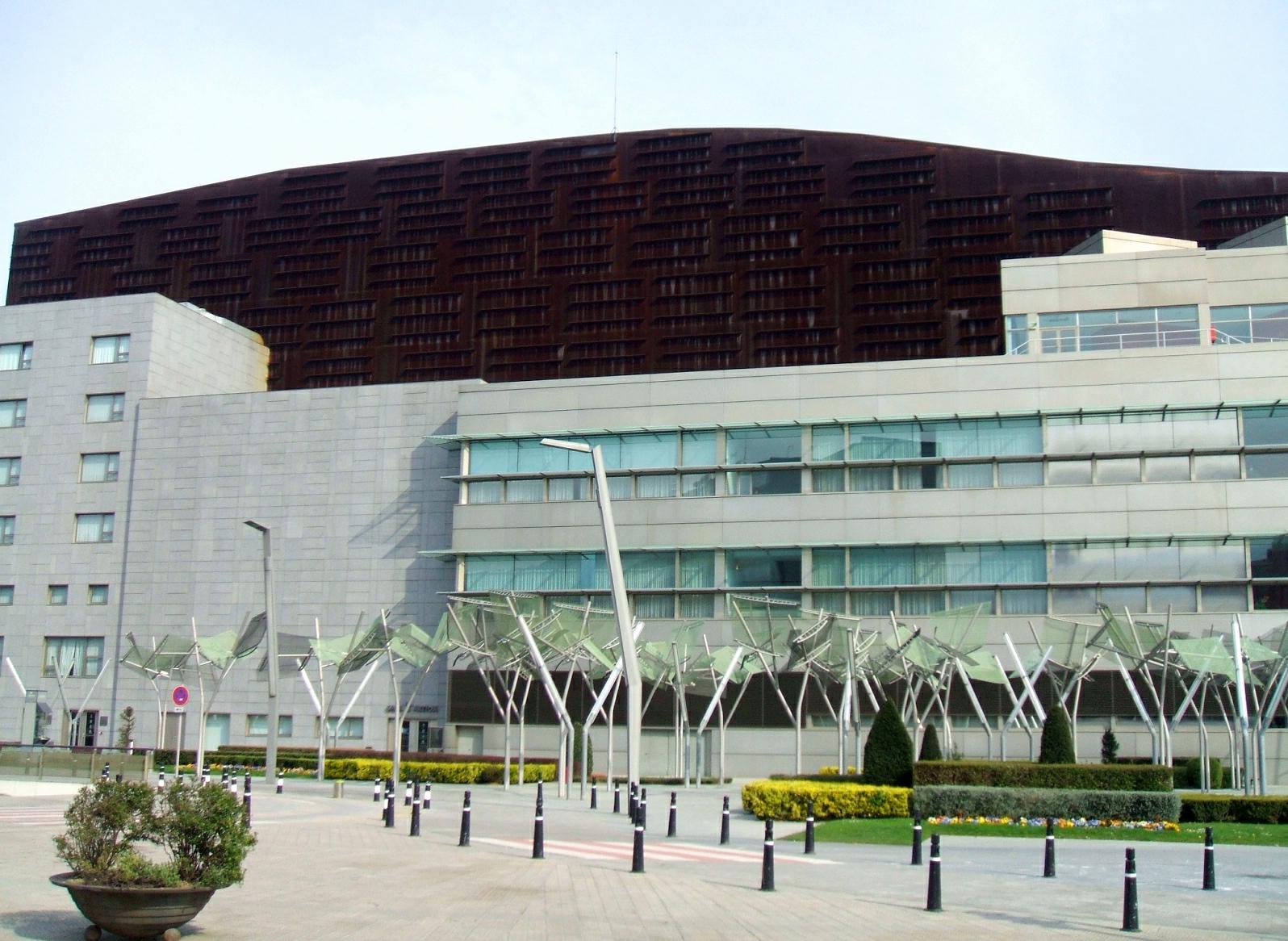
Euskalduna Conference Centre and Concert Hall
Bilbao
Euskalduna Conference Centre and Concert Hall rises on the bank of Bilbao's estuary, on ground once occupied by one of the city's shipyards. Also known as Euskalduna Palace, or Euskalduna Jauregia in Basque, the building works as both a congress centre and a concert hall, and it stands as one of the clearest physical markers of how Bilbao remade itself from an industrial river port into a city built around culture and design. Why does the building look like an unfinished ship? The architects behind the project, Federico Soriano and Dolores Palacios, are a married couple - he from Madrid, she from Bilbao - and their design was a deliberate response to the site's industrial past. The building is clad in corten steel, a material that rusts into a stable reddish patina over time, and its irregular, angular volume is meant to evoke a ship's hull still under construction inside a dry dock rather than a finished vessel. The reference is not accidental: the site had previously been home to the Compañía Euskalduna de Construcción y Reparación de Buques, a shipyard founded in 1900 by Ramón de la Sota and Eduardo Aznar. Even the name carried over from the shipyard to the building that replaced it - "euskalduna" means "Basque person" in the Basque language. How did a shipyard site turn into a concert hall? The project took shape in the early 1990s, when Basque authorities were looking for a way to bring new life to a stretch of Bilbao's waterfront left behind by industrial decline, around the same time the Guggenheim Museum was rising on the opposite bank of the river. The first stone was laid on 20 June 1994, and the building opened to the public in February 1999. Since then it has stood alongside the Guggenheim as one of the reference points for Bilbao's broader urban renewal. What actually happens inside - conferences or concerts? Euskalduna serves two functions at once. As a congress centre, it hosts conferences, trade fairs, and corporate events throughout the year. As a music venue, it is the permanent home of the Bilbao Symphony Orchestra and hosts the annual opera season staged by ABAO, the Asociación Bilbaína de Amigos de la Ópera, one of the more prominent opera programs in Spain. How many people can the main hall seat? The Main Hall holds around 2,164 seats, with capacity for up to 2,200 depending on configuration, spread across three levels: the stalls and terrace level (1,270 seats), the boxes (500 seats), and the balconies with upper gallery (430 seats). The stage itself covers roughly 1,770 square metres, large enough to stage full opera productions and symphonic concerts without the space constraints common to smaller halls. Has the building received any recognition? The Soriano and Palacios design won the Enric Miralles Award at the 6th Spanish Architecture Biennial in 2001. Two years later, the International Congress Palace Association singled out Euskalduna as one of the world's best-regarded congress venues, recognition that helped cement Bilbao's place among Europe's congress destinations. Frequently asked questions What is the Euskalduna Conference Centre and Concert Hall? A multi-purpose complex in Bilbao that combines a congress centre and a concert hall, opened in 1999 on the site of the former Euskalduna shipyard. Who designed it, and why does it look like a ship? Architects Federico Soriano and Dolores Palacios shaped the building to resemble an unfinished ship's hull in a dry dock, referencing the shipyard that previously occupied the site. How many seats does the main auditorium have? The Main Hall seats around 2,164 people across three levels: stalls and terraces, boxes, and balconies with an upper gallery. What kind of music events take place there? The venue is home to the Bilbao Symphony Orchestra and hosts the annual opera season organized by ABAO, the Asociación Bilbaína de Amigos de la Ópera.
-
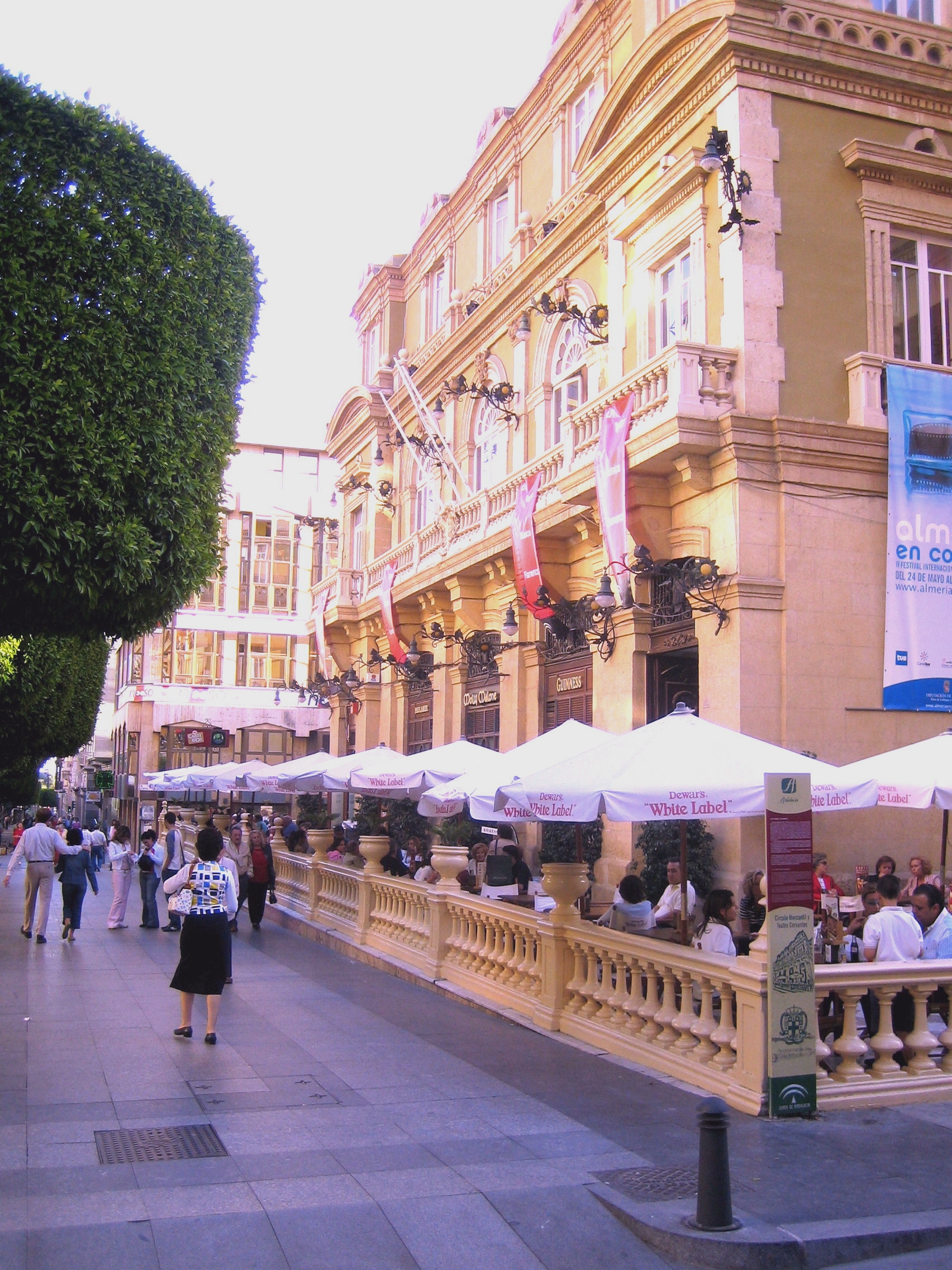
Edificio del Círculo Mercantil e Industrial y Teatro Cervantes
Almería
The Edificio del Círculo Mercantil e Industrial y Teatro Cervantes is one of Almería's most distinctive landmark buildings, standing on Paseo de Almería in the heart of the city. Behind a single ornate facade, it holds two institutions at once: a working theatre and the historic seat of a merchants' and industrialists' association. Why does the building have two names? The double name reflects its dual purpose. Teatro Cervantes traces its roots to 1864, when José Cassinello Baglietto drove the creation of the Sociedad Propietaria y Constructora del Teatro Cervantes, a company set up to build and run a theatre for the city. The Círculo Mercantil e Industrial, a club for local merchants and industrialists, was founded separately in 1889 and only settled permanently into this building in 1921. When was it built, and who designed it? The architect Enrique López Rull drew up the design in 1898. Construction and interior finishing took over two decades, and the building was formally inaugurated on 16 July 1921. From that date onward it has served simultaneously as a stage for public performances and as the club's headquarters. What does the facade look like? The building combines late-19th-century eclectic architecture with Art Nouveau decorative flourishes typical of the period in Spain. It has four facades, but the one facing Paseo de Almería is by far the most elaborate: a three-storey projecting section with five window bays, dressed in pilasters, dentilled cornices, balustrades and curved pediments. Reliefs referencing theatrical themes, carved mask ornaments, and a round medallion bearing Cervantes' portrait complete the decoration, while the street lamps along the front carry a sunflower motif. Is the building protected as heritage? Yes. The Círculo Mercantil e Industrial and Teatro Cervantes building was declared a Bien de Interés Cultural, in the Monument category, by a decree of the Andalusian regional government issued in March 2002. This is the highest level of legal protection Spain grants to sites of historical and artistic value. What happens inside the building today? The theatre continues to host cultural events for the city, and the Círculo Mercantil e Industrial still operates as an association carrying on a tradition stretching back more than a century. More recently, the cultural management of the building has been tied to a long-term agreement with Fundación Cajamar, covering the site's use for the next hundred years. Frequently asked questions Where exactly is the building located? On Paseo de Almería, the main boulevard through the centre of Almería, in southern Spain. Is this the same Teatro Cervantes as the one in Málaga? No. They are two separate theatres in different Andalusian cities — this one is in Almería, not Málaga. When did the building open to the public? On 16 July 1921, although the architectural design dates back to 1898. Who was the architect? Enrique López Rull. Can visitors go inside? The building is an active theatre and club headquarters, so interior access usually depends on scheduled performances or Círculo Mercantil events — it's worth checking the local programme before visiting.
-
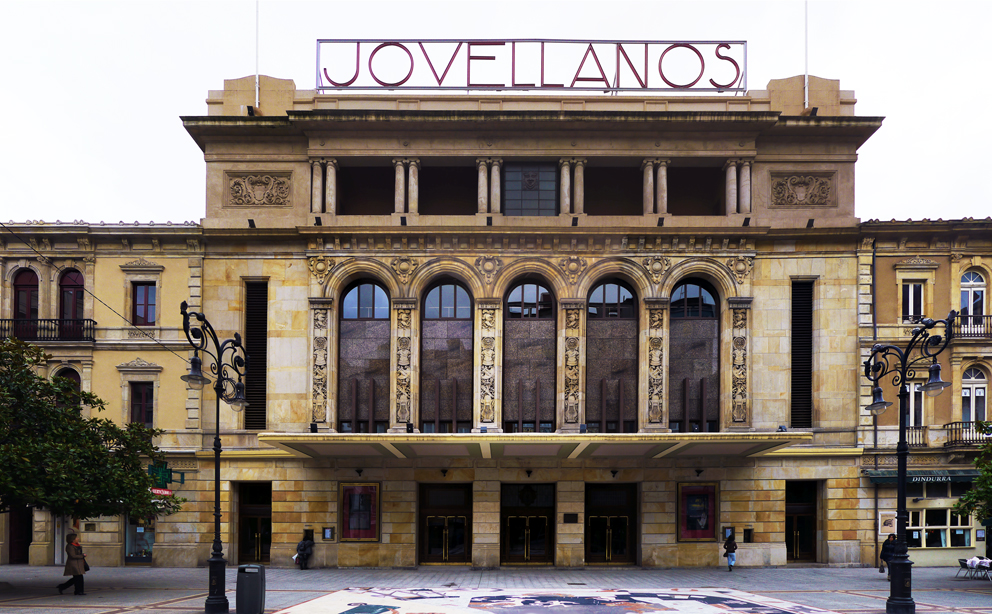
Teatro Jovellanos
Gijón/Xixón
Teatro Jovellanos is a historic theatre in the centre of Gijón, in the Spanish region of Asturias, and one of the most important cultural venues on Spain's northern coast. The building stands on the elegant Paseo de Begoña and has served as the city's main stage for more than a century. Where is the theatre located? Teatro Jovellanos sits right in the heart of Gijón, on Paseo de Begoña — one of the city's most attractive promenades, lined with greenery and buildings from the late 19th and early 20th centuries. The coordinates are 43.5391, -5.66127, making it easy to plan a route on foot from the city centre or from San Lorenzo beach, only a short walk away. Its central position means a visit here pairs naturally with exploring Gijón's old town and other landmarks nearby. What is the story behind the building? The current building opened in July 1899 under the name Teatro Dindurra, built at the initiative of a growing city that wanted a stage worthy of its ambitions. The project was designed by the noted architect Mariano Marín. The theatre lived through a turbulent 20th century: during the Spanish Civil War it was taken over by the Republic's public entertainment authorities and used for political rallies and plays supporting the republican cause, before being left in ruins by a bombing in 1937. It was rebuilt in 1942, and it was then that it received its current name, honouring Gaspar Melchor de Jovellanos — a writer, jurist and statesman of the Enlightenment born in Gijón, and one of the most significant figures in Asturian history. What will you find inside? The interior has been thoroughly modernised over the decades: a rehabilitation took place in 1995, followed by a further restoration in 2010 that reworked the seating area and the stage housing. The main hall now seats 1,123 people, making it one of the larger theatre venues in the region. The result blends the building's classic 19th-century form with up-to-date technical equipment, allowing it to host everything from intimate performances to large-scale public events. What events take place here? Teatro Jovellanos is far more than a performance venue on paper — it is one of the settings associated with the Princess of Asturias Awards, among the most prestigious prizes given out in Spain, and it also serves as a regular venue of the Gijón International Film Festival, a major event on the Spanish cultural calendar. Throughout the year the theatre stages a steady programme of plays, concerts and other live shows, functioning as a genuinely active cultural hub rather than simply a landmark to admire from outside. When is the best time to visit? The ideal time to visit is while the theatre's artistic season is running or when a major event is taking place, such as the Gijón Film Festival, usually held in the autumn. It is worth checking the current programme ahead of time, since tickets for some performances sell out in advance. The building itself and its surroundings on Paseo de Begoña can be enjoyed year-round, simply by strolling through central Gijón, whether or not a specific show is on the agenda. Frequently asked questions Where does the theatre's name come from? The theatre is named after Gaspar Melchor de Jovellanos, a writer and statesman of the Enlightenment born in Gijón. It received this name when the building was rebuilt in 1942. Is this the same building that opened in 1899? The 1899 building, originally known as Teatro Dindurra, was destroyed by a bombing in 1937. The current structure is the 1942 reconstruction, later renovated twice, in 1995 and 2010. How many people can the main hall seat? The main auditorium of Teatro Jovellanos has a capacity of 1,123 seats. What major events are held at the theatre? The venue hosts events tied to the Princess of Asturias Awards and the Gijón Film Festival, alongside its regular programme of theatre and concerts.
-
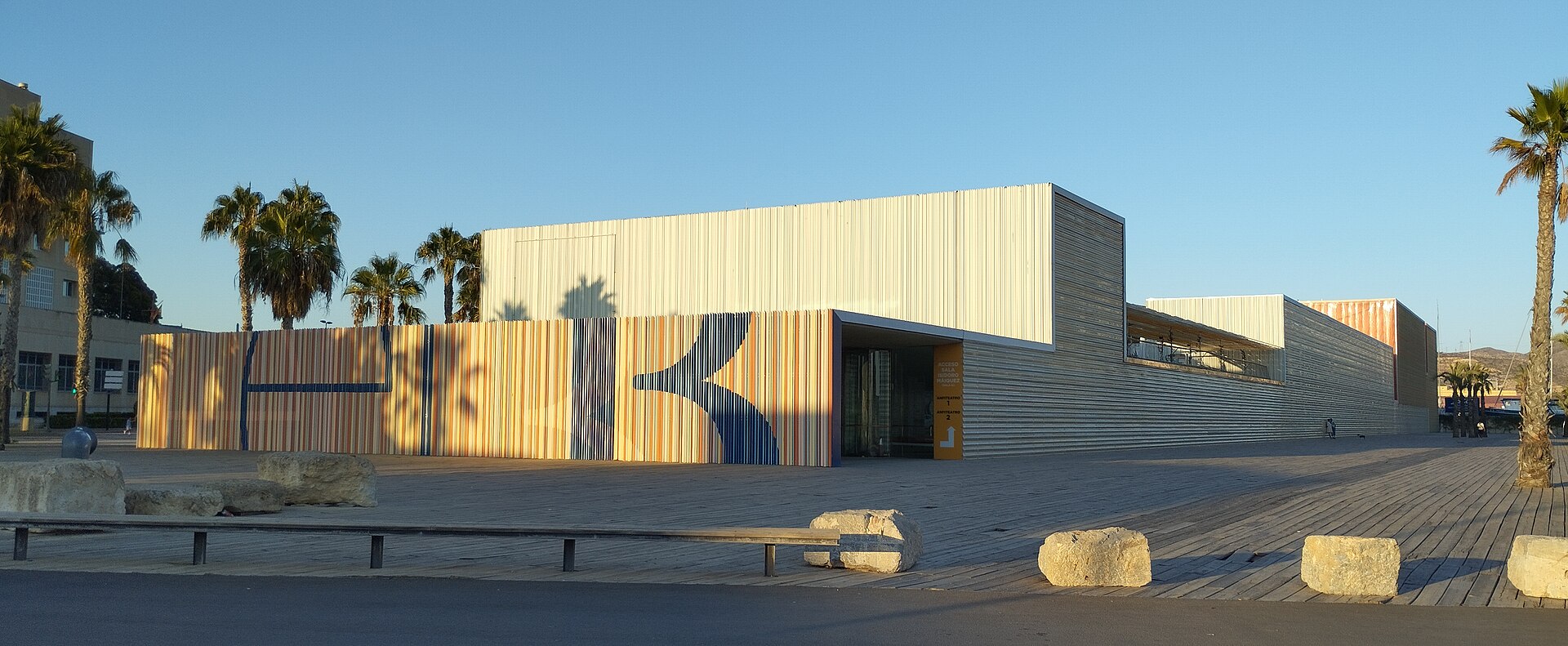
El Batel Auditorium and Convention Center
Kartagena
El Batel Auditorium and Convention Center is one of the most recognisable modern landmarks in Cartagena, in Spain's Region of Murcia, rising directly from the waterfront of the city's harbour. Where is El Batel located and how do you get there? The building occupies a prominent spot on Paseo Alfonso XII, right on the water, next door to ARQUA, the National Museum of Underwater Archaeology. It sits within easy walking distance of Cartagena's old town and passenger port, so anyone exploring the historic centre can simply stroll along the harbourfront to reach it. The distinctive silhouette is visible from far away and doubles as a natural landmark along the waterside promenade. What is the story behind the building? Planning began in 2001, when an architectural competition drew seventy submitted proposals; the winning design came from Selgascano, the Madrid-based studio led by architects José Selgas and Lucía Cano. Construction started in 2004, but serious financing problems repeatedly slowed the project, and the centre was not completed until 2011. That long, troubled build-out meant the eventual opening was an event the city had been anticipating for years. What will you find inside? Inside, El Batel is organised into nine halls with a combined capacity of roughly 2,500 people. At its core are two auditoriums: a larger one seating 1,401 and a smaller one seating 444, suited respectively to major concerts and more intimate performances. Alongside them sits around 600 square metres of congress space that can be reconfigured, via a movable panel system, into as many as seven separate meeting rooms — a feature conference and business-event organisers particularly value. The architecture itself, with its flowing, almost organic forms and the way light plays across the façade, is worth a look on its own; walking around the exterior reveals quite different perspectives from the harbour side and the city side. What kind of events take place here? The venue serves a dual role as concert hall and convention centre. Its calendar regularly includes classical and popular music concerts, theatre performances, galas, industry conferences, and large corporate or academic gatherings. Thanks to the flexible layout, El Batel can host several separate events under one roof on the same day. When is the best time to visit? El Batel operates year-round, so the best approach is to check the current events schedule before planning a trip. Evenings, when the façade catches the reflected lights of the harbour and the promenade fills with strollers, are an especially rewarding time to see the building — even without a ticket to a specific show. Frequently asked questions Can you visit El Batel without a ticket to an event? The exterior and the surrounding promenade can be admired for free at any time of day; getting inside the halls themselves usually requires attending one of the scheduled events. How do you get to El Batel from central Cartagena? The building sits on Paseo Alfonso XII, within walking distance of the old town and the port — the easiest route is on foot along the waterfront, passing the ARQUA museum on the way. How many people can El Batel hold? Across its nine halls the venue holds about 2,500 people in total, including two auditoriums seating 1,401 and 444 respectively. Who designed the building? It was designed by Selgascano, the studio led by José Selgas and Lucía Cano, whose proposal was chosen from seventy entries in a 2001 competition.
-
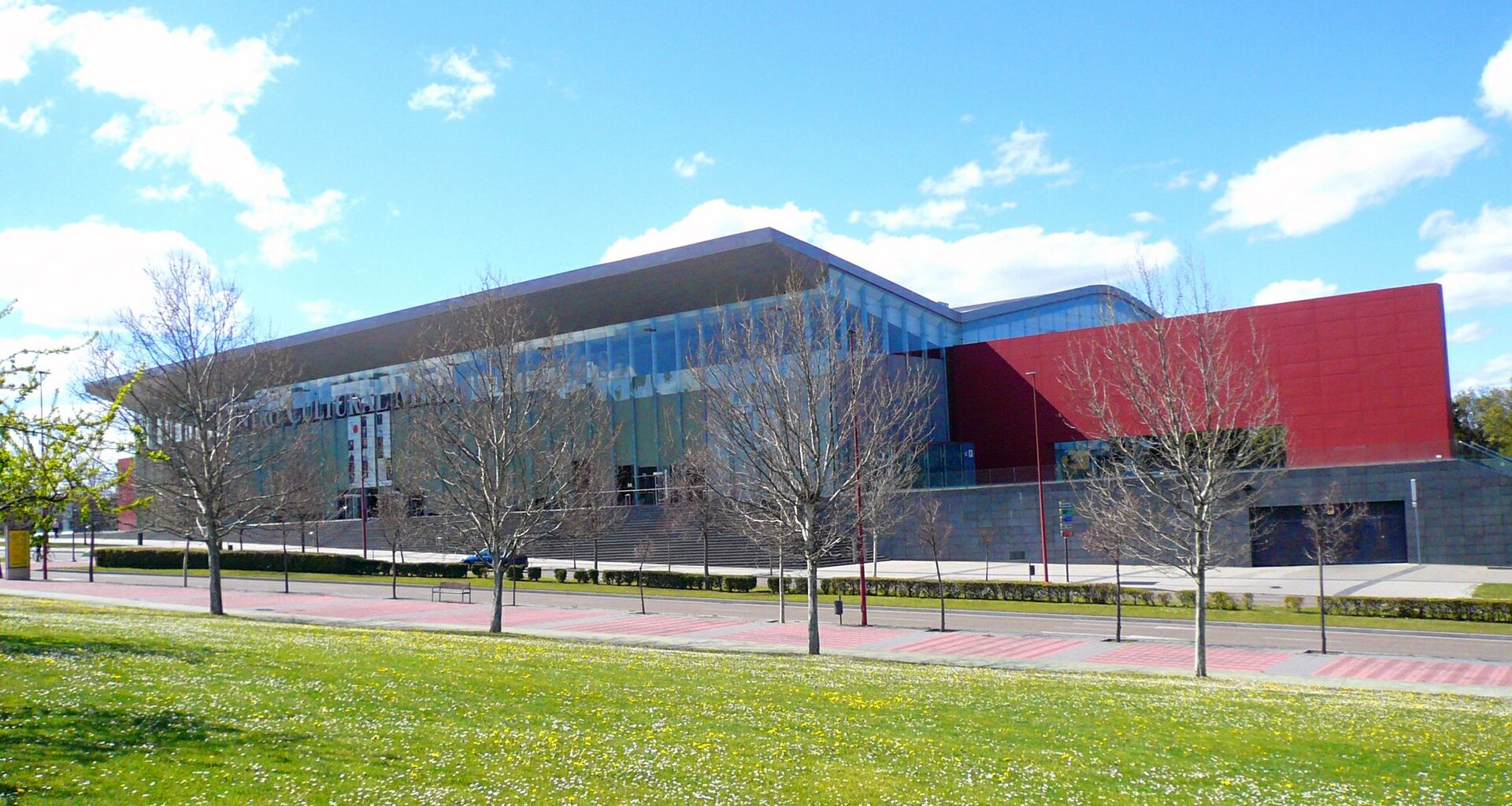
Centro Cultural Miguel Delibes
Valladolid
Centro Cultural Miguel Delibes is one of the major cultural venues in Valladolid, the capital of the Castilla y León region in Spain. The building anchors the city's music and theatre scene, hosting symphonic concerts, dance performances and events spanning traditional repertoire and avant-garde stage work under one roof. Where does the name come from, and who designed it? The venue is named after Miguel Delibes, a Valladolid-born writer of the 20th century and one of the most celebrated figures in Spanish literature. The building itself was designed by Catalan architect Ricardo Bofill Levi, known for monumental, geometric structures that blend modern forms with classical order. The centre opened in March 2007 with a concert by the Castilla y León Symphony Orchestra under conductor Alejandro Posada, an inaugural performance that set the tone for the institution's ongoing programme. What will you find inside? The complex covers more than 70,000 square metres and contains three main performance spaces. The largest is the main auditorium, seating 1,700 people and built for large-scale symphonic and stage productions. A second, more intimate chamber music hall seats 500 and suits recitals and smaller ensembles. The third space is an experimental theatre hall, used for drama and productions exploring new stage formats. Programming ranges across classical music, pop, jazz and flamenco, alongside dance performances that mix traditional and avant-garde styles. Who performs here? Centro Cultural Miguel Delibes is the permanent home of the Castilla y León Symphony Orchestra (OSCyL), one of the region's leading symphonic ensembles. The building also houses the Castilla y León Higher School of Dramatic Art and the Professional Dance School, making it as much a training ground for performers as a concert venue. How to get there, and when to visit? The centre sits on Avenida del Real Valladolid, 2, in the Villa de Prado neighbourhood, between the José Zorrilla football stadium and the seat of the Castilla y León regional parliament (Cortes de Castilla y León). It is well connected to the city centre by bus and within walking distance of surrounding residential areas. Timing a visit around a specific concert or show is the best approach — the OSCyL season typically runs from autumn through spring, so that window offers the fullest symphonic programme. Summer brings fewer regular fixtures, though the venue often hosts festivals and guest performances during that period. Who is it for? The venue appeals first to fans of classical music, theatre and dance, though the programme is varied enough to draw jazz and flamenco audiences too. The building's architecture — monumental and geometric, characteristic of Bofill's style — is reason enough to visit even without a ticket, if only to see the structure from outside. Frequently asked questions Who designed Centro Cultural Miguel Delibes? The building was designed by architect Ricardo Bofill Levi and opened in March 2007. Why is the centre named after Miguel Delibes? It honours a Valladolid-born 20th-century writer, one of the most important names in Spanish literature. Which orchestra is based here? The Castilla y León Symphony Orchestra (OSCyL) is the resident ensemble; it inaugurated the venue with a concert in 2007. How many performance halls does the building have? Three: a main auditorium for 1,700 people, a chamber music hall for 500, and an experimental theatre hall.
-
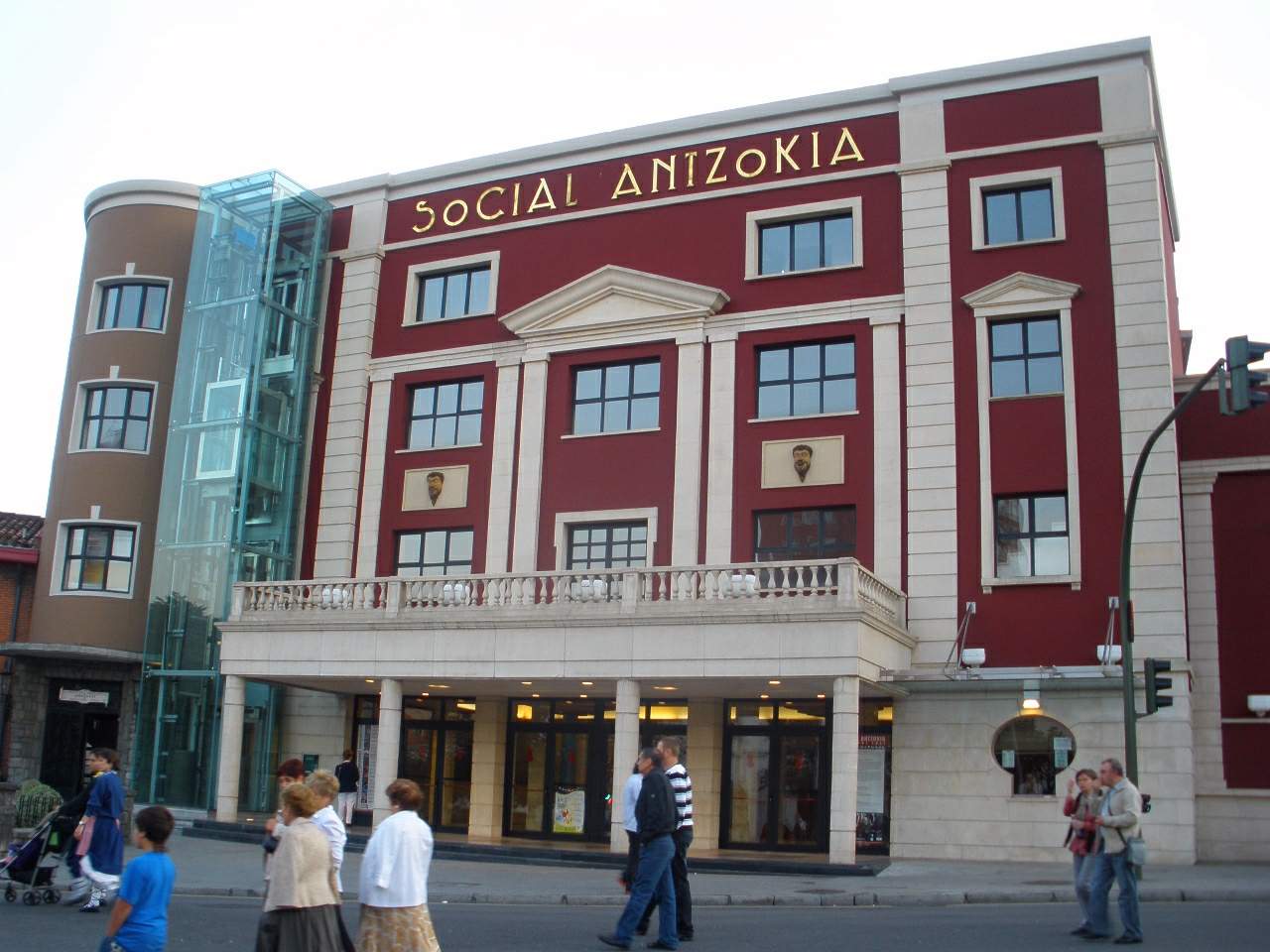
Social Antzokia
Basauri
Social Antzokia is the theatre and cultural centre at the heart of Basauri, a town in the Basque Country just outside Bilbao. Its Basque name simply means "theatre" (antzokia), and for nearly seven decades the building has served as the town's main cultural stage — starting life as a company social club and evolving into a modern venue that mixes cinema, theatre, music and dance. Where is Social Antzokia located? The venue sits at Kale Nagusia 2, right in the centre of Basauri, a town in the province of Biscay (Bizkaia) on the Nervión river, only a few kilometres from Bilbao. Basauri belongs to the Greater Bilbao metropolitan area, so the theatre is an easy stop for anyone based in the Bilbao region rather than a destination requiring a special trip. What is the history behind the building? The story starts in the mid-1950s. Construction began in 1955, commissioned by the La Basconia company as part of its social welfare programme for workers, and the resulting Centro Social San Pedro opened its doors on 27 April 1957. The original complex centred on a large parish hall used for plays, film screenings, conferences, award ceremonies and music recitals, complemented by smaller rooms for meetings and games, a small library, and a separate residence for the parish priests. Decades later the building was reborn: on 29 May 1993 it reopened as a dedicated venue for the performing arts and cinema, quickly earning a reputation as one of the reference theatres in Biscay, the Basque Country and Spain more broadly. A comprehensive renovation followed, and the theatre reopened in its current form on 26 February 2011. What can you expect inside today? Social Antzokia now offers 756 seats, spacious dressing rooms and modern technical facilities. The venue is run by the Basauri Municipal House of Culture, and its year-round multimedia programme blends cinema, theatre, music and dance — mixing crowd-pleasing entertainment with more demanding cultural proposals. That balance means the calendar has something for families looking for mainstream films as much as for visitors chasing independent cinema or contemporary theatre. How should you plan a visit? Check the theatre's online listings before you travel, since the programme changes weekly and tickets for the more popular shows sell out fast. Because Social Antzokia sits in the middle of Basauri, a visit pairs naturally with a walk through the town centre and the surrounding Nervión valley. The venue can be reached by phone or email for practical questions such as group bookings or accessibility for visitors with reduced mobility. Frequently asked questions How many seats does Social Antzokia have? The auditorium holds 756 spectators, making it one of the larger performance venues in the Greater Bilbao area. What does the name "Antzokia" mean? It is the Basque word for "theatre," so the name is a direct description of the building's function as a performing arts venue. Does the building have a long history? Yes. It was built between 1955 and 1957 as the Centro Social San Pedro, a company-funded social centre for La Basconia workers, and it has operated continuously as a theatre since its 1993 reopening, followed by a full renovation completed in 2011. How do you get to Social Antzokia from Bilbao? Basauri is part of Bilbao's metropolitan area and sits right next to the city, so the trip by local or regional transport typically takes only a short ride.
-
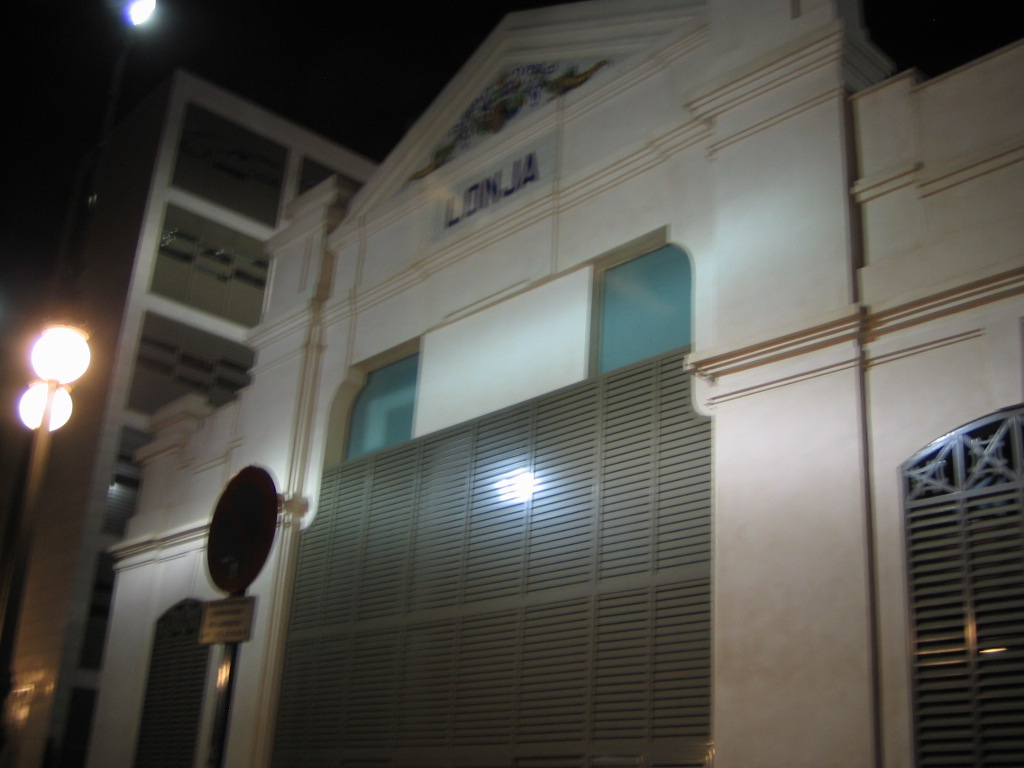
Lonja Municipal
Orihuela
Lonja Municipal is one of Orihuela's most distinctive civic landmarks, standing on Calle Aragón in this Alicante-province town. Nearly a century after it opened, the building has traded its original job as a marketplace for a new life as a cultural venue. What is the story behind the building? The Lonja was built in 1926 to a design by architect Severiano Sánchez Ballesta. It opened as the town's municipal market, the place where residents bought the fresh produce that kept Orihuela fed. As the town grew and trading needs outpaced the old hall's capacity, the market itself moved out to an industrial zone on the outskirts, where a wholesale fruit-and-vegetable market still supplies the wider Vega Baja area today. The original building on Calle Aragón, however, kept its place in the town's life: a thorough restoration in 2007 gave it an entirely new purpose. What does the architecture look like? Lonja Municipal ranks among the finest examples of Valencian modernisme in Orihuela. The interior is divided into three naves, with the central one rising higher and wider than the two flanking it, giving the hall a genuinely monumental feel. Four doors, one on each façade, provide access to the building, and above each entrance the word "Lonja" is spelled out in large decorative tiles. The ceramic detailing, ironwork and carefully judged façade proportions make it one of the more photographed buildings for visitors exploring the historic centre. What is the building used for today? Since its 2007 restoration, the Lonja has functioned as an auditorium and multipurpose hall. It hosts concerts, performances and events run by the town's cultural department, and part of the building is used by a music conservatory. What began as a produce market has become one of Orihuela's key cultural venues, a place where the town's commercial past meets its contemporary performing arts scene. How do you get there? Lonja Municipal sits right in the centre of Orihuela on Calle Aragón, within walking distance of the cathedral and the other landmarks of the old town. Arriving by car or train works well — Orihuela's railway station is only a short walk from the centre — and regional buses connect the town with Alicante and Murcia for travellers relying on public transport. When is the best time to visit? The building is best experienced around a specific cultural event, since access to the interior outside concerts and performances tends to be limited — check the auditorium's programme before planning a visit. The surrounding old town looks its best in spring and autumn, when temperatures are milder than during the height of summer. Frequently asked questions What was the Lonja Municipal building originally used for? It served as Orihuela's municipal market, where residents bought the food supplies for daily life in the town. Who designed the building? Architect Severiano Sánchez Ballesta designed it, and construction was completed in 1926. Can visitors go inside? The building now works as an auditorium and concert hall, so interior access usually depends on a scheduled cultural event — it's worth checking the programme beforehand. What makes the building's architecture distinctive? Its three naves with a taller central nave, four façade entrances each marked by large tiled lettering spelling "Lonja," and its overall Valencian modernisme style from the 1920s set it apart from surrounding buildings.
-
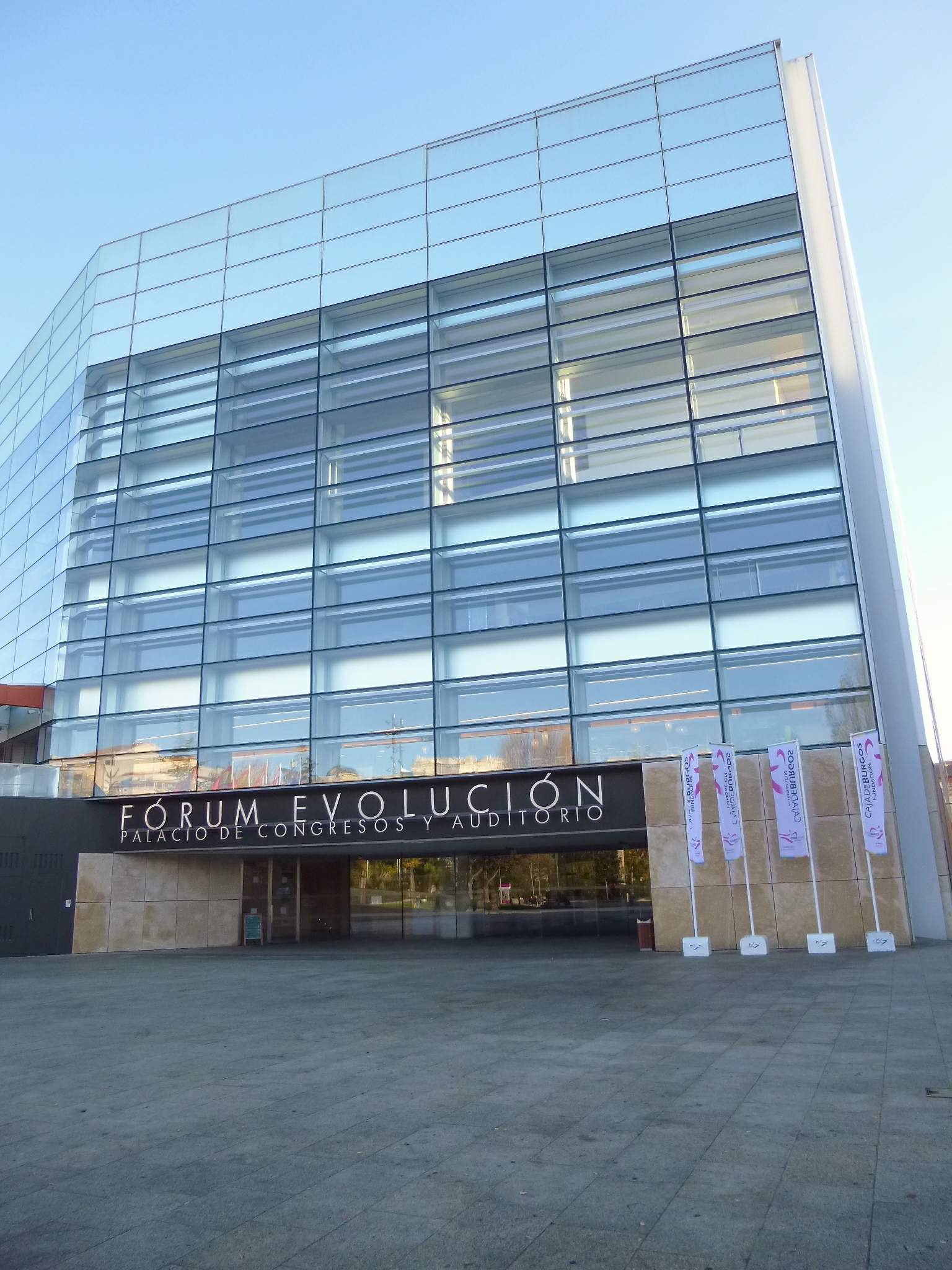
Auditorio y Palacio de Congresos de Burgos
Burgos
Auditorio y Palacio de Congresos de Burgos (Fórum Evolución) The Auditorio y Palacio de Congresos de Burgos, better known locally as Fórum Evolución, is a modern convention and performance venue in Burgos, capital of the province of the same name in Castile and León. The building sits on the bank of the Arlanzón River, within the city's pedestrian zone, just a short walk from the historic centre and the cathedral. Together with the neighbouring Museum of Human Evolution, it forms the so-called Human Evolution Complex, one of the key cultural landmarks of present-day Burgos. What is this venue and who designed it? The building was designed by Spanish architect Juan Navarro Baldeweg, known for combining bold, industrial-looking volumes with large glazed surfaces that flood interiors with natural light. Construction started in 2005, and Fórum Evolución was officially inaugurated in 2012. It was built to give Burgos the infrastructure needed to host national and international congresses, as well as concerts, theatre productions and other cultural events. How big is the complex and what does it contain? The complex covers roughly 35,000 square metres spread across six floors. Its centrepiece is the main auditorium, seating 1,550 people, fitted with a large stage, an orchestra pit and an amphitheatre-style layout that works equally well for symphonic concerts and large conferences. A smaller, more intimate secondary auditorium sits alongside it, better suited to events that call for a closer, more low-key setting. The building also holds exhibition space distributed across three floors, plus numerous meeting and conference rooms equipped with up-to-date technology. Throughout, the interiors are open and spacious, with plenty of natural light pouring in through the glass facades — a defining trait of Navarro Baldeweg's architectural style. How do you get there? Fórum Evolución sits inside a pedestrian zone right on the Arlanzón riverbank, so the most convenient way to reach it is on foot from central Burgos — the walk from the cathedral typically takes only a quarter of an hour or so. Visitors arriving from outside the city can reach the train or bus station first, then continue by a short walk or local public transport to the complex. The riverside promenades make the approach pleasant at any time of year. When is the best time to visit? Timing largely depends on what is scheduled at the venue — Fórum Evolución hosts concerts, theatre performances, trade congresses and cultural events year-round, so it is worth checking the current programme before planning a visit. The surrounding area, the Arlanzón riverfront and the green spaces around the complex, is especially appealing in spring and summer, when a stroll here pairs well with a visit to the neighbouring museum. What else is worth seeing nearby? Right next to the auditorium stands the Museum of Human Evolution, which together with Fórum Evolución forms a cohesive cultural complex along the river. A short walk along the Arlanzón leads to Burgos's historic centre and its famous Gothic cathedral, making it easy to combine a look at modern architecture with a dive into the city's medieval heritage. Frequently asked questions What is Fórum Evolución in Burgos? It is a multi-purpose congress and performance venue combining a convention centre with an auditorium, designed by Juan Navarro Baldeweg and opened in 2012. How many people can the main hall hold? The main auditorium seats 1,550 people and includes a stage and an orchestra pit, allowing it to host both concerts and large conferences. Are there other attractions nearby? Yes, it stands next to the Museum of Human Evolution, together forming the Human Evolution Complex on the bank of the Arlanzón River, close to the historic centre of Burgos. Is it easy to walk there from the city centre? Yes, the venue lies in a pedestrian zone by the Arlanzón, and the walk from the cathedral area usually takes about fifteen minutes.
-
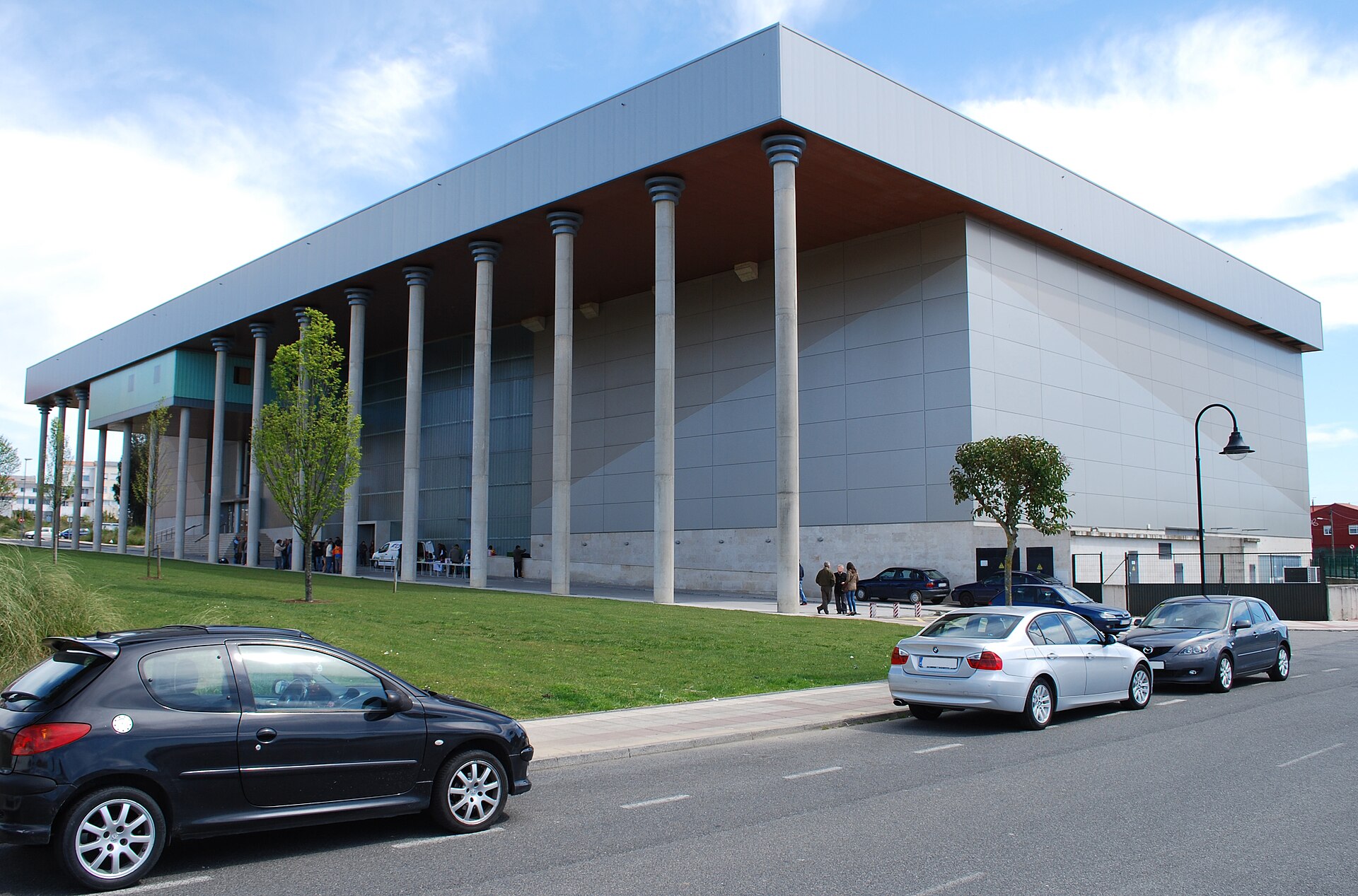
Pazo da Cultura de Narón
Narón
Pazo da Cultura de Narón is the leading cultural venue of Narón, a town in the province of A Coruña, in Spain's Galicia region. Combined under one roof, it houses a major theatre hall, performing-arts schools and a public library, making it one of the busiest cultural hubs on the Galician coast. What is this place? The building was developed by the Narón town council together with the local Padroado da Cultura, the municipal body in charge of cultural programming, and opened its doors in 2008. Since then it has grown into the second-largest performance venue in the whole of Galicia, trailing only a handful of larger regional stages. That standing means the hall regularly hosts touring productions from across Spain rather than only local events. What can you see inside? The main auditorium seats around 900 people and hosts the bulk of the programme: theatre productions, dance performances, concerts and magic shows. Next to it, a smaller café-theatre space with roughly 80 seats accommodates more intimate formats, from book presentations to chamber concerts. The complex is also home to the Professional School of Theatre (Escola Profesional de Teatro) as well as the dance and music schools run by the Padroado da Cultura. A public library and a youth information service complete the offer, turning the Pazo da Cultura into a combined performance venue, arts school and community centre. For local families, it is as much a place where children take drama classes as one where adults come for an evening show. How do you get there? The building stands on Rúa Holanda in Narón, close to the town centre and a short distance from neighbouring Ferrol, with which Narón forms a connected urban area. Its coordinates are 43.496212, -8.195212. Access has been designed for visitors with reduced mobility, with wheelchair ramps, adapted parking spaces and accessible restrooms throughout the venue, and there is also a restaurant on site. When should you visit? Programming runs year-round, with theatre, dance, live music, comedy and magic shows appearing regularly on the calendar, so checking the current schedule before a visit is worthwhile. If the appeal is the arts-education side rather than the shows themselves, the school term is the best time to see the venue at its most active, when the theatre, dance and music classes are in full swing. Frequently asked questions How many people fit in the main hall? The main auditorium holds about 900 spectators, making it the second-largest performance hall in Galicia. Is there a smaller space for intimate events? Yes, a café-theatre area next to the main hall seats around 80 people and is used for smaller shows, talks and gatherings. Is the venue wheelchair accessible? Yes, the building includes wheelchair ramps, adapted parking and accessible restrooms. When did the Pazo da Cultura de Narón open? It opened in 2008, built by the Narón town council in partnership with the local Padroado da Cultura.
-
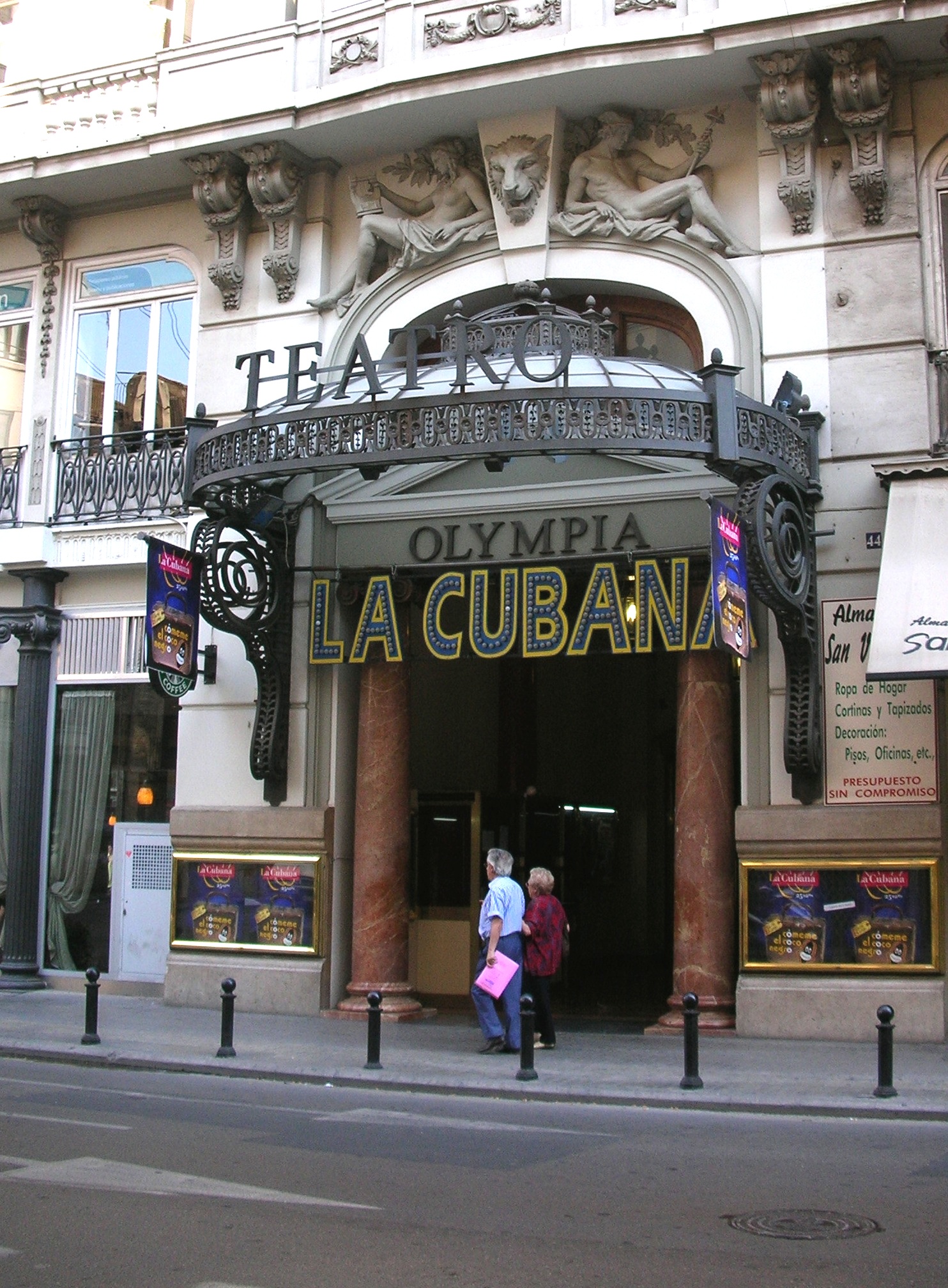
Edifici i Teatre Olympia
València
Edifici i Teatre Olympia is a historic residential and theatre building in the heart of Valencia, Spain, standing on Carrer de Sant Vicent Màrtir, one of the city's main streets linking Ayuntamiento square with the area around the railway station. Where does the building come from? The Olympia rose in 1915 on the site of the former San Gregorio convent, demolished in 1911. Valencian architect Vicente Rodríguez Martín designed the project, combining upper-floor apartments with a theatre hall on the ground level - a hybrid layout considered progressive for its time. What makes the architecture stand out? The building was among the first in Valencia to be built on a metal frame rather than traditional masonry, a technique borrowed from contemporary European trends that allowed wider spans and taller floors. It was also one of the earliest Valencian buildings fitted with a passenger lift, a rare feature for 1915. The facade blends decorative elements typical of early twentieth-century eclectic architecture with a theatre entrance opening directly onto the street. How has the stage's story unfolded? The theatre opened on 10 November 1915 with a performance of "The Barber of Seville." From 1924 the hall changed its purpose and operated mainly as a cinema for more than fifty years, part of Valencia's golden age of moviegoing. It returned to its original theatrical use in 1984 and has functioned as a live stage ever since, today seating around 900 spectators. Is the building protected? Given its historical value and construction innovations, the Valencia city council has opened proceedings to declare the Teatre Olympia an Asset of Local Relevance (Bé de Rellevància Local), aimed at securing formal heritage protection going forward. How do you get to Teatre Olympia? The building sits at Carrer de Sant Vicent Màrtir 44, right in central Valencia, within walking distance of Ayuntamiento square and the cathedral. The location is well served by city bus routes and is easily reached on foot from the main sights of the old town; Estación del Norte railway station is also a short walk away. When is the best time to visit? The interior can be seen when attending a performance - check the current programme before visiting, since Olympia operates as a working theatre rather than a museum. The facade and exterior are viewable year-round, best appreciated in daylight when the architectural details stand out. Frequently Asked Questions When was Edifici i Teatre Olympia built? It was completed in 1915, designed by architect Vicente Rodríguez Martín, on the former site of the San Gregorio convent. What sets this building apart from other buildings of its era? It was one of the first in Valencia built with a metal structural frame and one of the first fitted with a lift - both unusual features for the early twentieth century. Is the theatre still active? Yes. After decades as a cinema (1924 to around 1984), the hall returned to theatrical use and now stages performances for audiences of about 900. Where exactly is the theatre located? At Carrer de Sant Vicent Màrtir 44, in central Valencia, close to Ayuntamiento square.
-
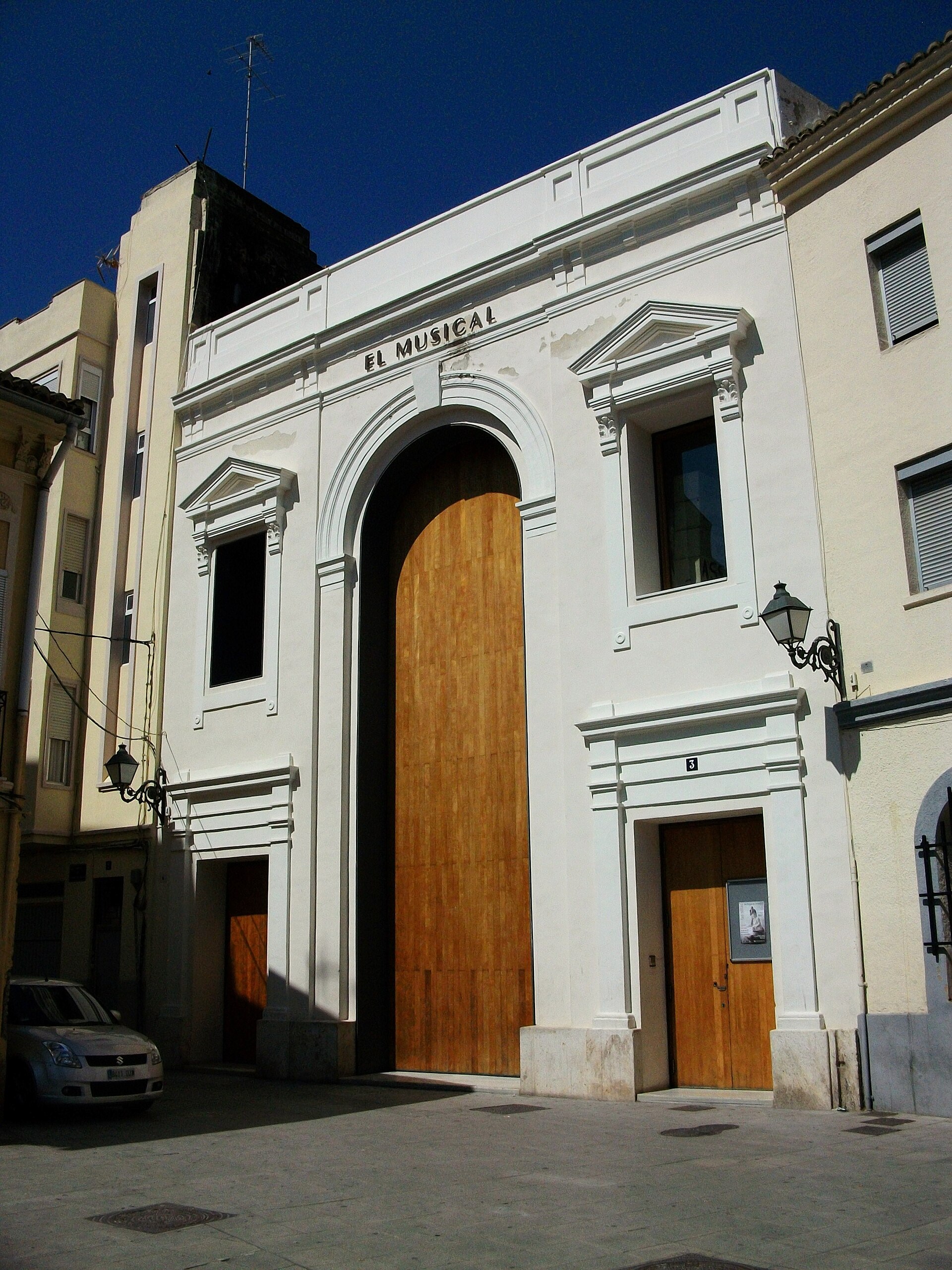
Teatre El Musical
Walencja
Teatre El Musical is a municipal performing-arts venue in Valencia, located in the seaside Cabanyal-Canyamelar neighbourhood rather than in the historic old town its name might suggest. Where is the theatre and how do you get there? The building stands at Plaza del Rosario 3, in the heart of Cabanyal-Canyamelar, a district known for its colourful architecture and closeness to the beach. Since it's a fair distance from Ciutat Vella, the best way to reach it is by metro (lines L5, L6, L7 and L8) or bus (routes 19, 92, 94, 95 and 99) rather than on foot from the old town. What will you find inside? The building itself has an interesting past: it opened as the "Musical" cinema serving the residents of Cabanyal, long before becoming a theatre. At the start of the 21st century the Valencia City Council carried out a major renovation, and the venue reopened on 23 September 2004 as a multi-purpose musical theatre. The opening production was "Excusas", written by J. Joan and J. Sánchez. Since then the theatre has gone through repeated closures and reopenings, shaped by funding troubles and shifting political priorities for the city's cultural policy. Today it operates under direct management of the Valencia City Council and works as more than just a performance hall — it's a genuine cultural centre for the neighbourhood, running workshops and participatory activities together with local associations. The auditorium seats 420 people, and the programme ranges across theatre, music, dance, circus, exhibitions, children's shows, talks and conferences. One distinctive detail of the building is its entrance gate, said to be the tallest of any doorway in Valencia, which makes it an easy landmark to spot in the surrounding streets. When should you visit and what are the opening hours? The box office is open Thursday to Sunday, from 12:00 to 14:00 and 17:00 to 19:00; on performance days it stays open later, until thirty minutes before curtain. The theatre is closed on Mondays. It's worth checking the season programme in advance, since it changes regularly and mixes local productions with touring shows. Who is this venue for? Teatre El Musical suits travellers who want to see a side of Valencia beyond the usual sightseeing route. Cabanyal has its own distinct character, with colourful houses and the Malvarrosa beach nearby, so a visit to the theatre pairs naturally with a stroll through the neighbourhood and a meal at one of the local bars. Anyone planning to explore the monuments of old Valencia should keep in mind that this is a different part of the city entirely from the Cathedral square or La Lonja — getting here takes a separate trip, but the reward is the authentic, less touristy atmosphere of a former fishing district. Frequently Asked Questions Is Teatre El Musical in central Valencia? No, the theatre is located in the seaside district of Cabanyal-Canyamelar, several kilometres from the historic centre (Ciutat Vella). Metro or bus are the most convenient ways to get there. How many seats does the auditorium have? The auditorium has 420 seats. What kind of programme does the theatre offer? The line-up includes theatre, concerts, dance, circus, exhibitions, children's shows, talks and conferences. What are the box office opening hours? The box office is open Thursday to Sunday from 12:00 to 14:00 and 17:00 to 19:00, staying open later on performance days until thirty minutes before the show starts. The theatre is closed on Mondays.
-
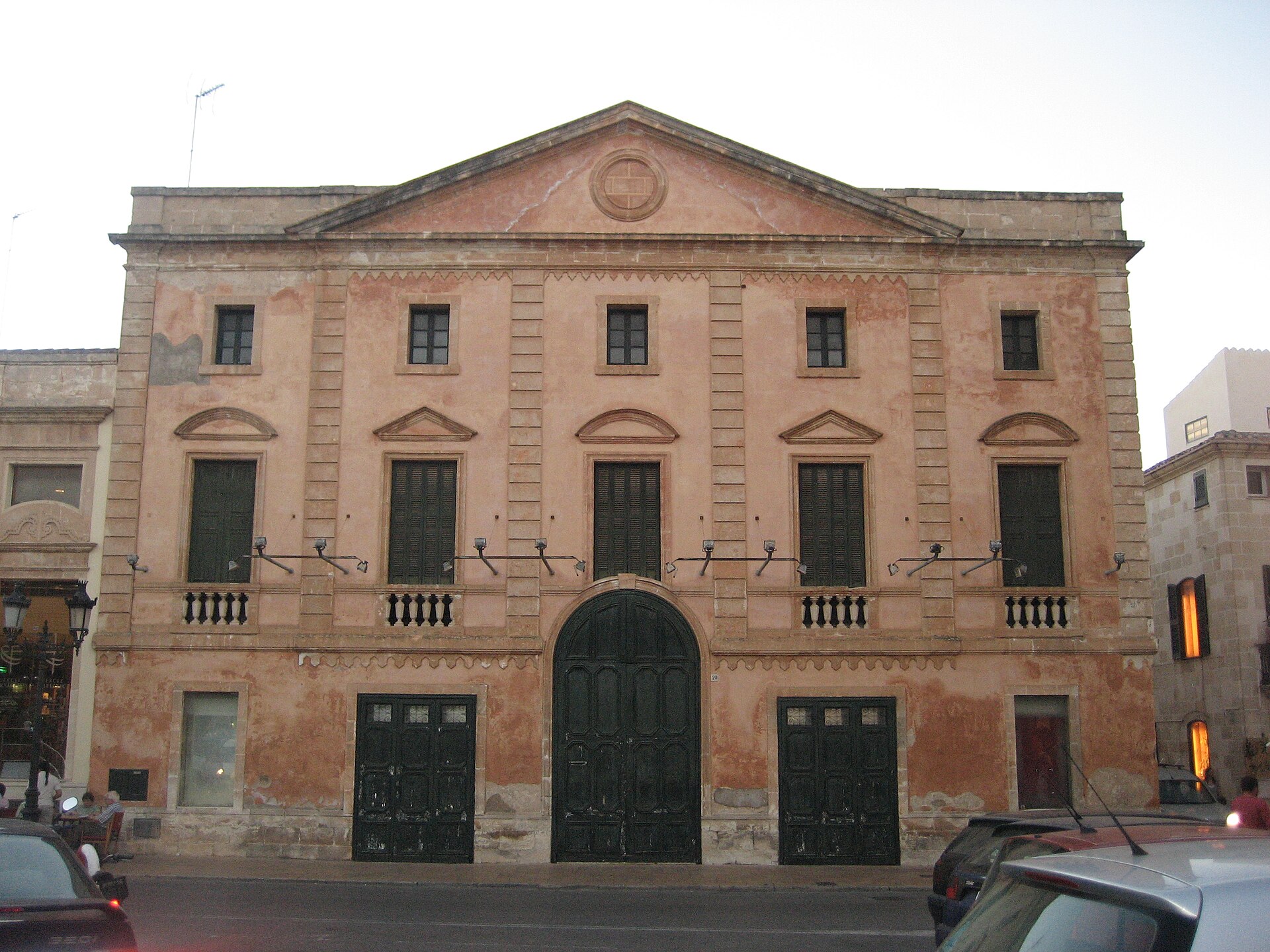
Teatre des Born
Teatre des Born is a historic municipal theatre in Ciutadella de Menorca, standing on Plaça des Born at the heart of the old town. It is one of the island's few stages that has remained active since the 19th century, and today it functions as a key cultural venue in Ciutadella, drawing visitors curious about the town's architecture and heritage alongside its theatre programme. Where did this theatre come from? The building was the initiative of three Ciutadella residents — Gaspar J. Saura, Antoni Sancho and Antoni Florit — who set out to give the town its own theatrical stage. Construction ran from 1873 to 1875, and the venue was formally inaugurated on 10 November 1875. The design came from architect Ramon Cavaller Gelabert, who laid out the auditorium in a very open horseshoe shape with two tiers of boxes, a floor plan typical of theatres from that period and one that keeps every seat close to the stage. What does the inside look like? The horseshoe-shaped auditorium and its stacked boxes remain the most recognisable features of the interior. After successive rounds of renovation, the theatre now seats 454 people — a modest scale, but one that keeps the connection between stage and audience genuinely intimate. That closeness, paired with the period detailing of the hall, is what sets Teatre des Born apart from a modern purpose-built auditorium. Why was the theatre closed, and when did it reopen? The building underwent a lengthy rehabilitation that kept it shut for fifteen years, work that touched both the structure and the stage equipment after decades of use in a historic property. The theatre came back to life in October 2020, reopening with a refurbished hall and a stage ready for contemporary productions while keeping the building's historic character intact. What can you see there? Teatre des Born runs a varied programme that spans theatre, live music, dance, opera, film cycles and family shows. The line-up mixes local productions with larger national and international touring shows, which makes the venue one of the most significant cultural addresses on Menorca, not just in Ciutadella itself. How do you get there? The theatre sits on Plaça des Born, Ciutadella's main square, ringed by grand buildings and just steps from the harbour and the old town. It is an easy walk from anywhere in the historic centre — a few minutes from either the port or the cathedral. Visitors arriving by car will find the nearest parking on the edges of the old town, since much of central Ciutadella is reserved for pedestrians. When is the best time to visit? Timing a visit around the current programme of events pays off, since the theatre runs seasonally, with a fuller cultural calendar outside the peak summer months when Menorca's rhythm shifts toward beach life. The square and the building's façade can be admired year-round, but seeing the auditorium itself and experiencing its atmosphere means catching one of the shows on the current schedule. Frequently asked questions When was Teatre des Born built? The building went up between 1873 and 1875 and was formally inaugurated on 10 November 1875. How many people can the theatre seat? Following successive renovations, the hall now holds 454 spectators. Was the theatre ever closed? Yes, it stayed shut for fifteen years for a major rehabilitation and reopened in October 2020. What kind of events does Teatre des Born host? Its programme covers theatre, concerts, dance, opera, film screenings and family events, including both local and national or international productions.
-
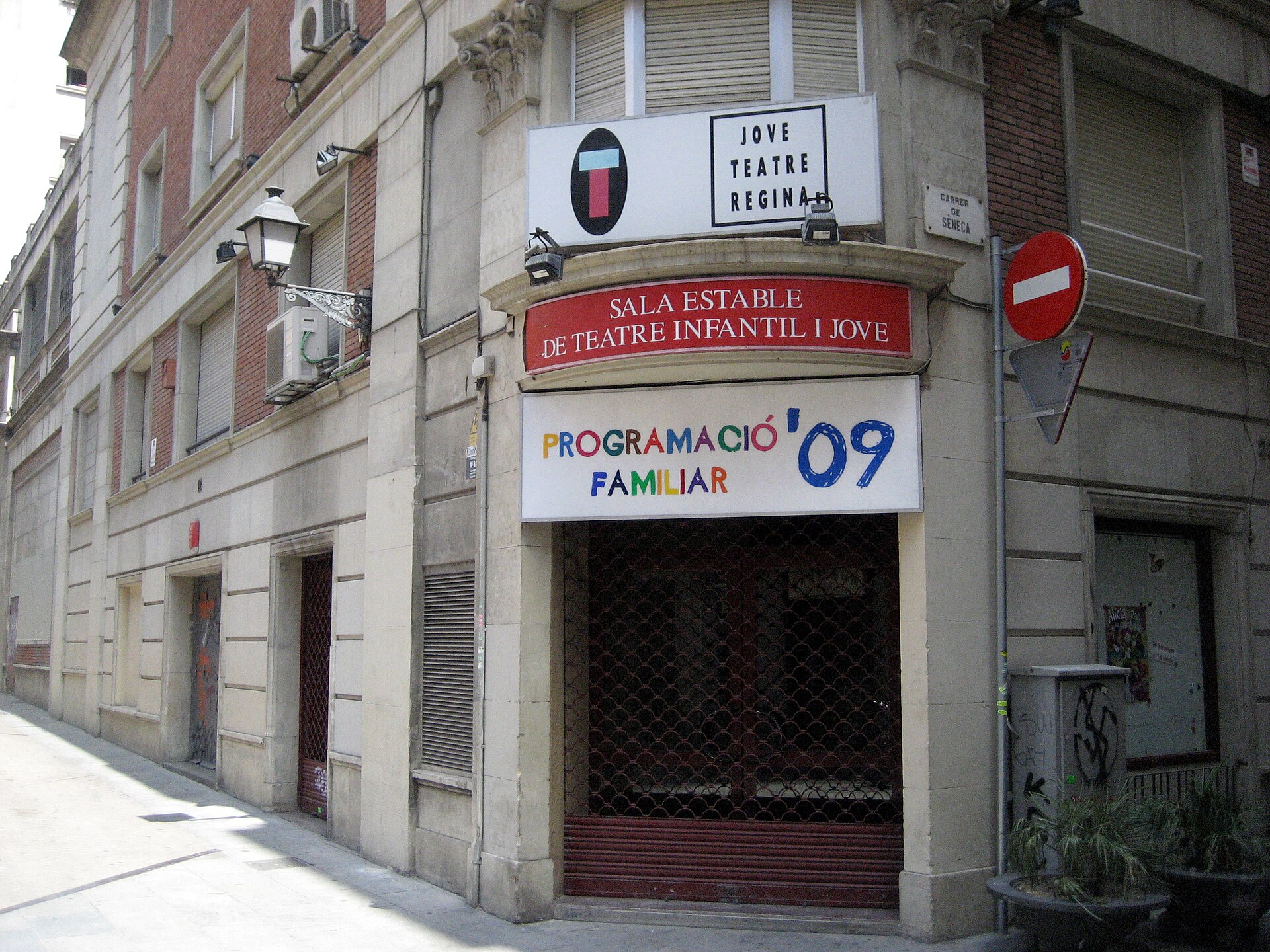
Jove Teatre Regina
Jove Teatre Regina is a small theatre in Barcelona's Gràcia district that has been staging shows for children, young people and adults since 1988. Where is Jove Teatre Regina and how do you get there? The venue sits at Carrer de Sèneca 22, just behind Diagonal avenue, between Jardinets de Gràcia and Via Augusta. This is a quiet, residential corner of Gràcia — one of Barcelona's most characterful districts, known for its narrow streets and neighbourhood cafés. The easiest way in is by metro: stations on lines L3 and L4 near Diagonal and Gràcia are within a short walk, and several bus routes also stop close by. From the city centre, the trip usually takes no more than 15–20 minutes. What's the story behind the building? Before it became a theatre, the space housed a cinema and later the general-purpose Teatre Regina. In 1988 the La Trepa theatre company took over the building and turned it into a stage largely dedicated to family audiences — the same company has run it ever since. The word "Jove" (Catalan for "young") signalled the new focus from the start: a home for productions aimed primarily at younger audiences. What can you see there? The programme centres on children's and youth theatre — puppet shows, musical productions and text-based plays. Afternoons are reserved for family and school performances, while evening programming for adult audiences returned in 2013, so the venue now runs both lines side by side. The auditorium seats around 300 and is adapted for visitors with reduced mobility. The schedule also includes regular theatre workshops for children, usually timed around seasonal premieres. How should you plan a visit? Tickets are normally booked through the theatre's own website or through Barcelona's standard theatre-ticket platforms. For family shows, especially during school holidays, it's worth booking ahead, since afternoon performances tend to sell out quickly. Families with young children can also use the nearby Jardinets de Gràcia square as a spot to rest before or after the show. Is it worth checking the current status before visiting? Yes. In 2026 press reports emerged that the building's owner had put it up for sale, raising questions about whether the theatre could keep operating at this address after nearly four decades. Before planning a visit, check the current programme and venue status through Barcelona's official listings or the theatre's own social media. Frequently asked questions Where exactly is Jove Teatre Regina located? At Carrer de Sèneca 22, in the Gràcia district of Barcelona, just off Diagonal avenue. Who is the programme aimed at? Mainly children and young people during the day, with adult evening programming added back in 2013. How long has the theatre been running? Since 1988; the building previously housed a cinema and then the general Teatre Regina. Is the venue accessible for visitors with reduced mobility? Yes, the auditorium has been adapted for that purpose.
-
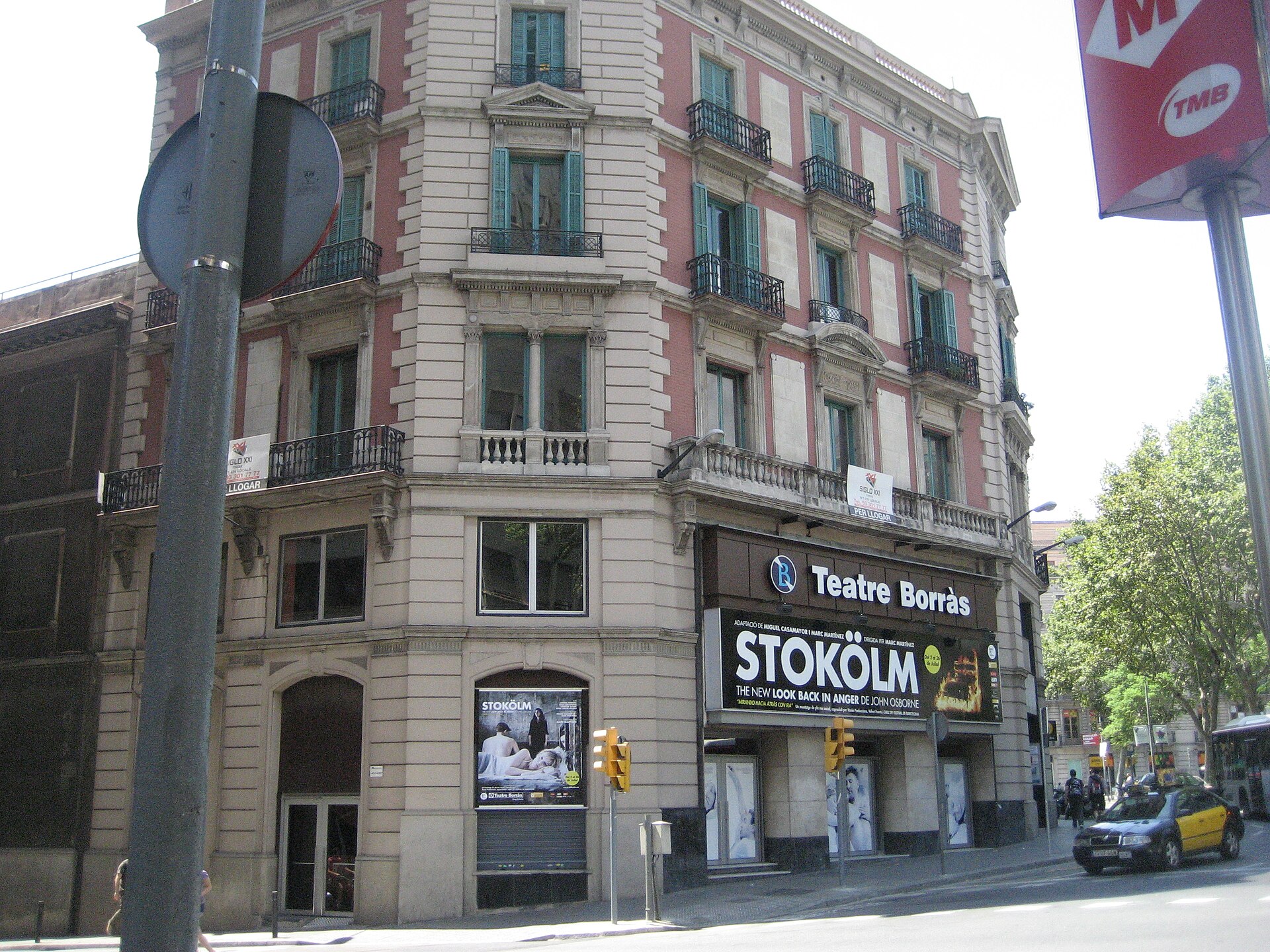
Teatre Borràs
Teatre Borràs is a historic theatre in Barcelona, standing on Plaça Urquinaona at the edge of the Eixample district and the old town. Nearly a century old, the building has moved from silent-era cinema to a working stage that still hosts live performances today. Where is Teatre Borràs located? The venue sits on Plaça Urquinaona (coordinates 41.388788, 2.173572), right in central Barcelona, a short walk from Plaça Catalunya and the Gothic Quarter. That makes it an easy stop whether you're based near the old town or staying closer to the Eixample grid. How did the building change over the decades? A cinema from the start The building opened on 16 May 1931 as Cine Urquinaona, an Art Deco picture house with stalls and a balcony that originally seated around 950 people. From its earliest years it screened international films and quickly became a notable cinema in this part of the city. Civil War years and changing names The Spanish Civil War brought a change of name: from 1937 the cinema operated as Cine Francisco Ferrer, reverting to Cine Urquinaona once the war ended in 1939. Another renaming followed in 1943, when the building took the name Cine Borràs, honoring Enric Borràs, a well-regarded Catalan stage actor. The Balañá takeover and a return to live shows In 1953 the Balañá group, a longstanding Barcelona operator of cinemas and theatres, took over the venue. After renovation work, it reopened in 1966, with titles shown at the time including the musical film "My Fair Lady" starring Audrey Hepburn. By the early 1970s the hall had shifted to second-run screenings, showing films after their initial theatrical run elsewhere. The final shift to theatre From 1990 the building combined film screenings with stage productions, and after 1995 films were dropped entirely in favor of live theatre. Today Teatre Borràs seats around 740 people and regularly stages Catalan and Spanish theatre productions, including comedies and musical shows popular with local audiences. What should you know before visiting? The programme at Teatre Borràs changes seasonally, so it's worth checking the current schedule and booking tickets ahead — central Barcelona theatres tend to sell out quickly for well-known titles. The building still carries traces of its interwar architectural character, which is itself of interest to anyone curious about the city's cinema and theatre history. Performances typically run in the evening, so pairing a visit with dinner in the nearby Eixample or a stroll through the Gothic Quarter beforehand works well. Frequently asked questions Is Teatre Borràs a cinema or a theatre? It's a theatre today — film screenings stopped here after 1995. For most of the 20th century the building operated as a cinema, briefly combining both functions during the early 1990s. Where does the theatre's name come from? The name honors Enric Borràs, a noted Catalan stage actor. The building adopted his name in 1943, when it was still known as Cine Borràs. How many people can the theatre seat? The venue currently holds around 740 seats, fewer than the roughly 950 it had when it opened in 1931, reflecting later renovations to the space. How do you get to Teatre Borràs? The theatre stands on Plaça Urquinaona, close to Plaça Catalunya and the Gothic Quarter. It's easily reached on foot or by metro, with Urquinaona station right on the square.
-
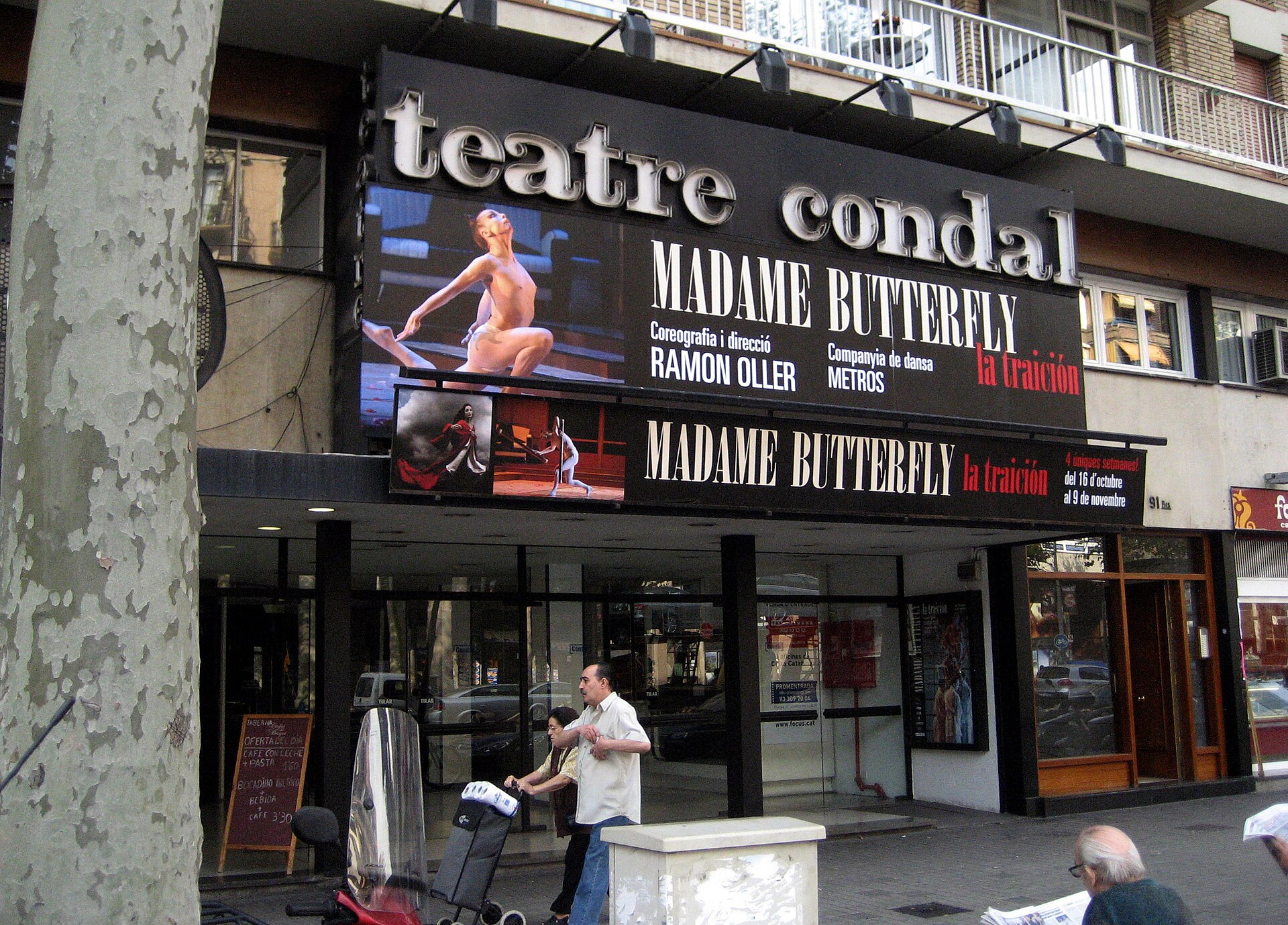
Teatre Condal
Barcelona
Teatre Condal is one of Barcelona's well-known commercial theaters, standing at Avinguda del Paral·lel 91 in the Poble Sec neighborhood. For more than a century it has been part of the city's entertainment scene, and it continues to draw audiences with comedies and musical productions. Where is Teatre Condal located? The venue sits on Paral·lel, a boulevard once known as Barcelona's answer to Montmartre thanks to its dense concentration of theaters, cabarets and music halls. The closest metro stop is Paral·lel, served by lines L2 and L3, just a short walk from the entrance. Tram and bus routes also pass nearby, making the theater easy to reach from most parts of the city. What can you see at Teatre Condal? The programming leans heavily toward comedy and light entertainment. Productions staged here have included "La cena de los idiotas," "El enfermo imaginario," "Los Vecinos de Arriba," and "La Jaula de las locas," titles that have pulled in both local audiences and visitors looking for Spanish- or Catalan-language entertainment. The venue is run by Grupo Focus, one of the larger theatrical production companies in Spain, which keeps the schedule refreshed with new shows throughout the year. What is the history behind the building? The theater opened in 1903 under the name Gran Teatro Onofri. Since then it has changed names and formats several times, mirroring the broader transformation of Paral·lel itself, a street that was one of Barcelona's liveliest entertainment hubs in the first half of the 20th century. Teatre Condal is now one of the few venues from that era still operating continuously. When is the best time to visit? Shows run year-round, though the busiest stretch of premieres typically falls in the autumn-to-spring season, when Barcelona's theater calendar is at its fullest. It is worth checking the current schedule before planning a visit, since productions rotate seasonally and popular shows can sell out well in advance. Is the theater accessible for visitors with disabilities? Yes. Teatre Condal is equipped to accommodate visitors with physical disabilities, making it accessible to a wider range of audiences. Frequently asked questions How do you get to Teatre Condal? The easiest way is by metro: the Paral·lel station, on lines L2 and L3, is just a few minutes' walk from the theater's entrance. What kind of shows does Teatre Condal put on? Mostly comedies, musicals and other light entertainment productions aimed at a broad audience. Is Teatre Condal a historic building? The building dates back to 1903 and is part of the historic fabric of Paral·lel, once Barcelona's theater and cabaret district, though today it operates as a modern commercial venue. Is the theater wheelchair accessible? Yes, the building is adapted for visitors with physical disabilities.
-
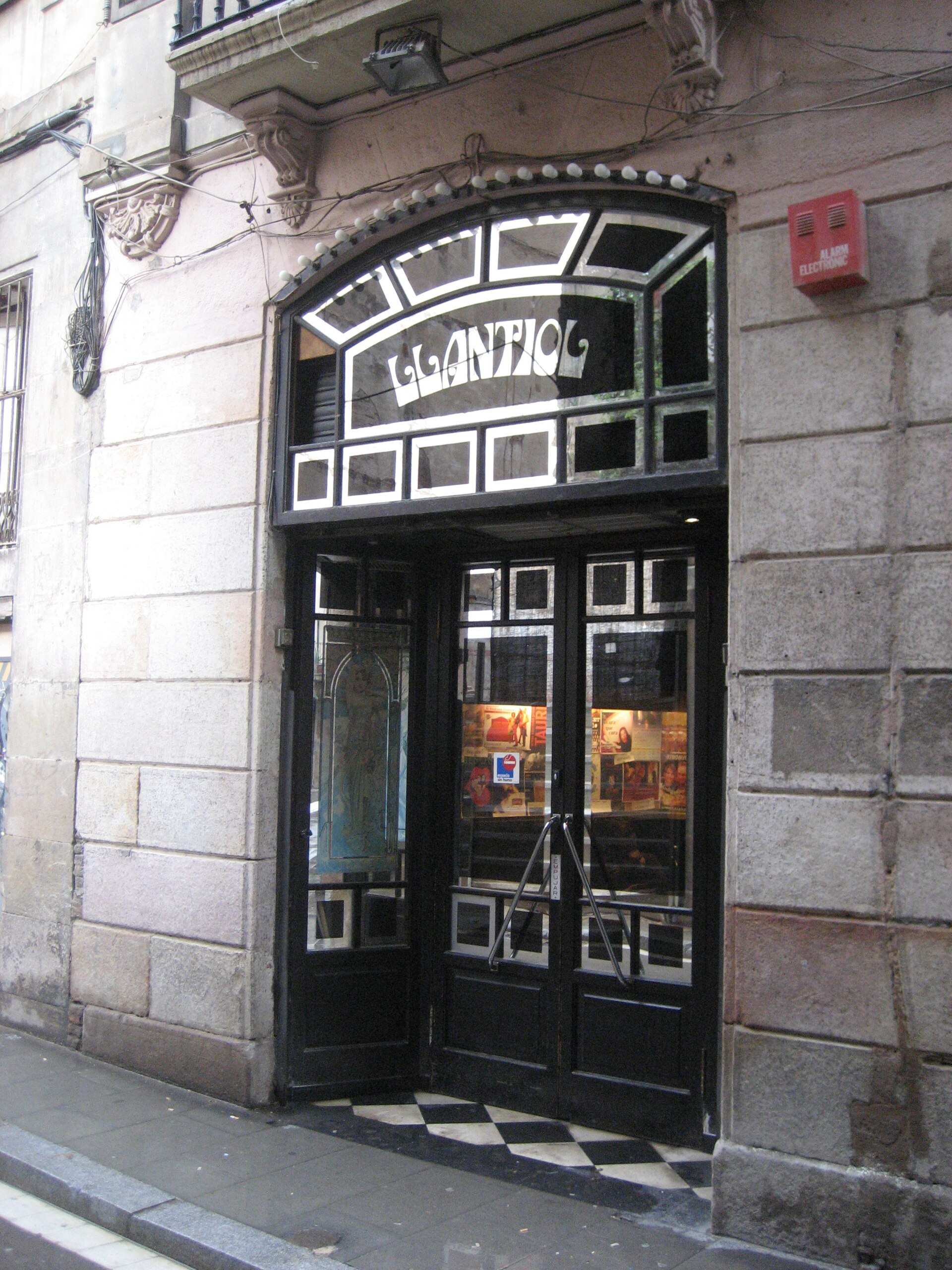
El Llantiol
Barcelona
El Llantiol is a small café-theater in Barcelona's Raval district and one of the city's longest-running independent stages. Running continuously since 1980 from its home at Carrer Riereta 7, it has spent more than four decades building a reputation as the kind of place where you sit at a table, order a drink, and watch comedy or theater up close. What is El Llantiol like inside? The venue keeps the feel of an old-fashioned artistic café: modernist-style details, low lighting, and a small stage ringed by tables rather than rows of seats. The room holds around a hundred people, which gives every show an almost domestic intimacy — even well-known performers appear here without microphones or the distance typical of larger theaters. The programming leans heavily on comedy and monologue — stand-up, cabaret, improvisation — alongside shorter dramatic pieces. Names who have played this stage include the comedy trio El Tricicle, Eugenio, Ángel Pavlovsky, Alfred Lucchetti, Arnau Vilardebó, Carlo Mô, Pepe Carrol, and even British comedian Eddie Izzard, a sign that Llantiol has long drawn both local and international acts. How do you get to El Llantiol? The theater sits in the heart of Raval, one of central Barcelona's most multicultural and lively neighborhoods, within easy walking distance of La Rambla and Plaça MACBA. The metro is the simplest way in: Liceu station (line L3) is a few minutes on foot, as is Sant Antoni (line L2). The surrounding streets are packed with bars and restaurants, so an evening here pairs easily with dinner before or after the show. When should you go, and how do you book? Llantiol runs a fairly stable schedule — the same shows typically stay on the bill for several weeks or even months, so there's no need to time a visit around a single opening night. The lineup rotates seasonally and usually includes a handful of different titles running on different nights of the week. Booking ahead is recommended, since the room is small and seats sell out fast, especially on Fridays and Saturdays; tickets are available through the theater's own site or common ticketing platforms. It's worth checking the language of the show in advance — most performances are in Spanish or Catalan, which can be a barrier for non-speakers unless you pick something more visual, such as mime or clown work. Who is this venue for? El Llantiol suits travelers who want to experience Barcelona's local performing-arts scene rather than only its headline attractions. It's a more intimate, direct, and informal alternative to the city's bigger downtown theaters. It works well as an evening plan for anyone comfortable with Spanish or Catalan, but it's also a good way to soak up the atmosphere of Barcelona's cabaret scene even without following every word. Frequently asked questions Where exactly is El Llantiol located? At Carrer Riereta 7, in the Raval district of central Barcelona, close to La Rambla and Plaça MACBA. How many people does the venue hold? Around a hundred, making it one of the city's smaller, more intimate theaters. Can you eat or drink during the show? Yes — it's a café-theater, so guests sit at tables and can order a drink or a snack while watching. How long has this theater been running? Since 1980, making it one of Barcelona's oldest independent cabaret and theater venues.
-
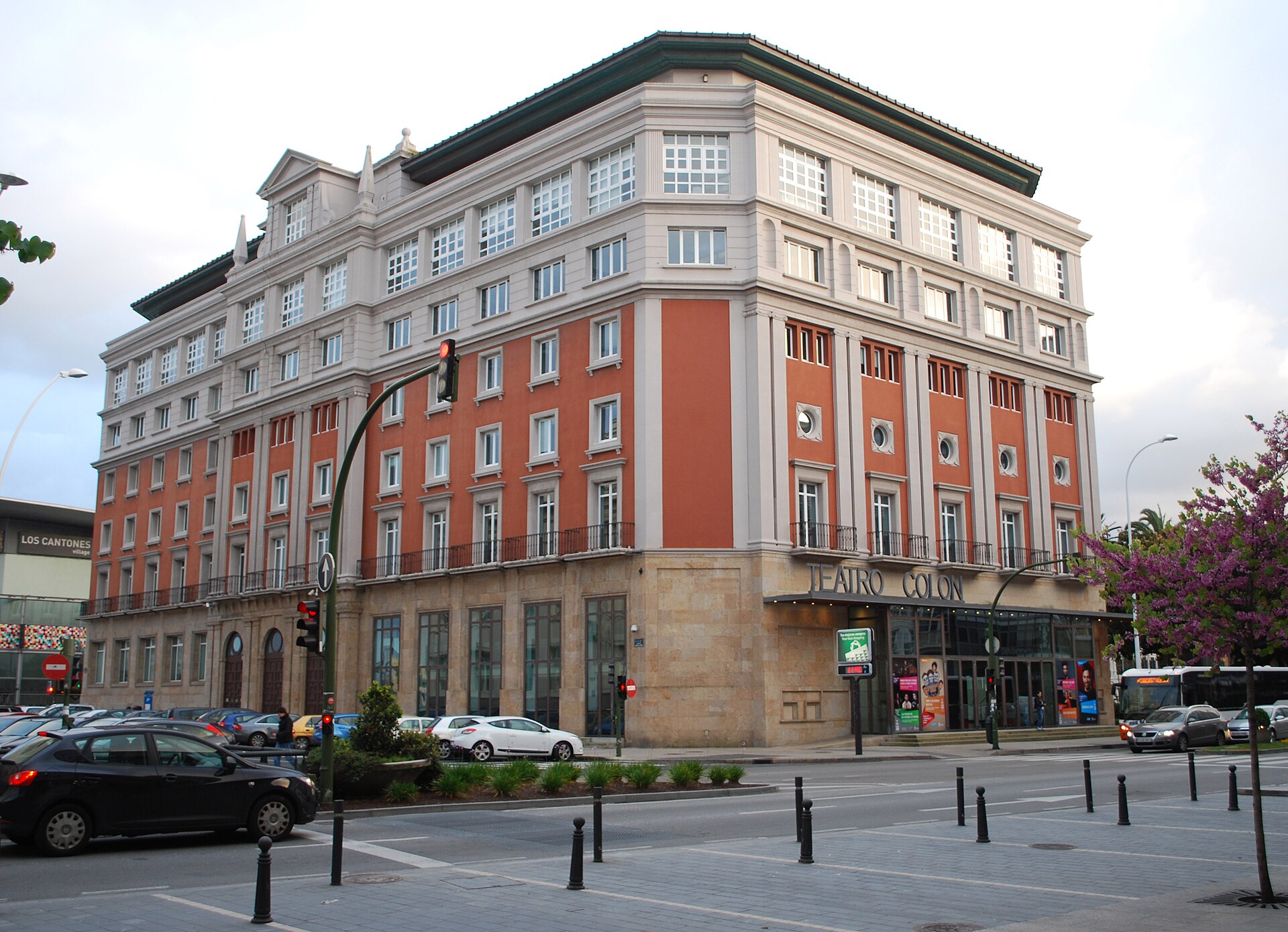
Teatro Colón
A Coruña
Teatro Colón is one of the leading cultural venues in A Coruña, a coastal city in Galicia, Spain, standing on the seafront Avenida de la Marina next to the Jardines de Méndez Núñez gardens. How do you get to Teatro Colón? The theatre sits at Avenida Marina 7A, right in the centre of A Coruña, within easy walking distance of the harbour and the old town (Ciudad Vieja). Because it faces the seaside avenue, a visit pairs naturally with a stroll along the promenade, passing the glass-fronted galerías that give this stretch of the Galician coast its distinctive look. The adjacent Jardines de Méndez Núñez are a popular spot to linger before or after a show, whether you arrive in the morning or in the evening. What is the history behind the building? The theatre opened in 1948, designed by architect Jacobo Rodríguez-Losada Trulock. Its facade follows a classicist style typical of mid-20th-century Spanish architecture, while the auditorium layout echoes traditional Italian opera houses, with a horseshoe-shaped hall wrapped in tiers of boxes that keep sightlines good from almost every seat. The building belongs to the Diputación de A Coruña, the provincial council, which explains its role as the region's main institutional stage rather than a private or purely commercial venue. How many people can the auditorium hold? Teatro Colón seats 845 people across three sections: the stalls (521 seats), the boxes (107 seats), and the upper gallery (217 seats). This layout lets the venue host anything from intimate recitals and chamber concerts to full-scale theatre, opera, or dance productions that fill the whole house. What kind of programme can you expect? The schedule regularly features theatre plays, music concerts, dance performances, film screenings, and comedy shows. As the main cultural stage for the province of A Coruña, the programming is broad, ranging from classic drama to popular music acts and family-oriented events. When is the best time to visit? Most performances take place on weekends - Friday through Sunday - making the theatre a natural highlight for anyone planning a weekend trip to A Coruña. If a specific show matters to you, check the current schedule and book tickets online ahead of time, since popular performances tend to sell out quickly. Frequently asked questions Where exactly is Teatro Colón located? At Avenida Marina 7A in A Coruña, right next to the Jardines de Méndez Núñez gardens and the seafront promenade, within walking distance of the old town. Who designed the building and when was it built? The theatre was designed by architect Jacobo Rodríguez-Losada Trulock and opened in 1948. Its style is classicist, drawing inspiration from traditional Italian opera house design. How many seats does the theatre have? The auditorium holds 845 seats in total: 521 in the stalls, 107 in the boxes, and 217 in the upper gallery. Who owns Teatro Colón and what is it used for? It is owned by the Diputación de A Coruña and serves as the province's main institutional venue, hosting concerts, theatre plays, dance performances, and film screenings, mostly on weekends.
-
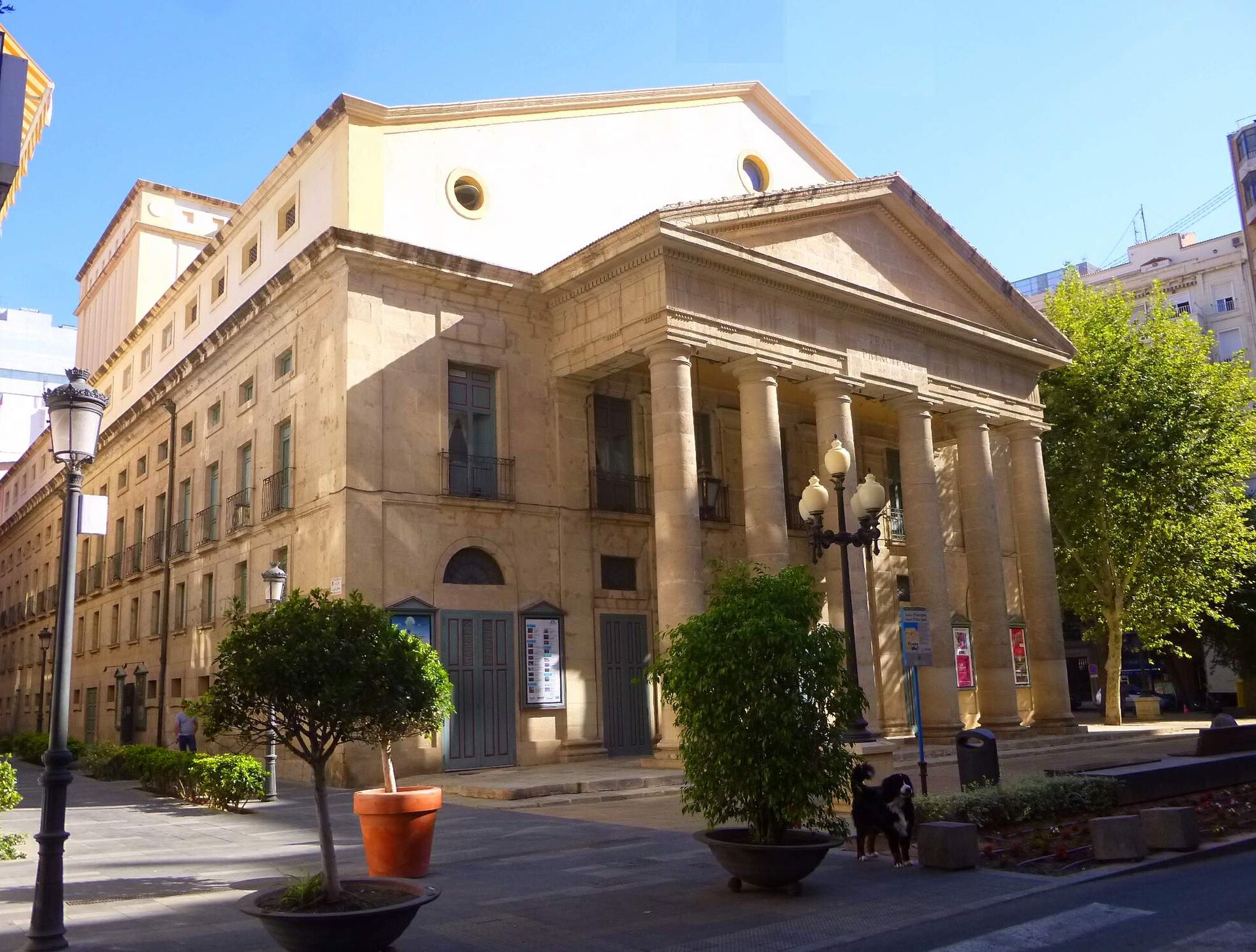
Teatro Principal
Alicante
Teatro Principal is the oldest and most prominent theatre in Alicante, the Mediterranean city on Spain's Costa Blanca, and it has anchored the city's cultural life since the mid-19th century. How do you get to Teatro Principal? The theatre stands in Alicante's historic centre, an easy walk from the seafront Explanada and the old town. Most visitors simply reach it on foot while exploring downtown Alicante, though city buses also stop nearby. How was the theatre built? The story begins on 23 September 1845, when a group of local merchants, two aristocratic families and several landowners agreed to fund a new theatre for the city. Alicante's city council responded just a month later, on 18 October 1845, by granting the plot on what was then Plaza del Barranquet. Construction started on 28 January 1846 and took twenty months, costing a total of 960,000 reales of the period. The neoclassical design came from Alicante-born architect Emilio Jover Pierrón. The building opened its doors on 25 September 1847 with a staging of "Guzmán el Bueno", a romantic drama by Antonio Gil de Zárate. A decade later it was renamed Teatro de Alicante, and soon afterwards it took the name it still carries today, Teatro Principal. What will you see inside? A 19th-century Italian-style playhouse The building keeps the classic layout of a 19th-century theatre: a formal neoclassical facade, an auditorium arranged with boxes and a gallery, and a stage whose technical machinery was significantly expanded during a renovation carried out in 1990-1991. Marks left by history Teatro Principal has hosted Spanish royalty on several occasions - Queen Isabel II in 1858, King Amadeo I in 1871, Alfonso XIII in 1909, and in more recent times Queen Sofía in 1991 and King Juan Carlos with Queen Sofía in 1995. During the Spanish Civil War (1936-1939) a bombing raid partially destroyed the building, which was rebuilt in 1941. An earlier major refurbishment had already taken place in 1876. When should you visit? The theatre runs an active programme all year round, mixing drama, dance, music concerts, circus, zarzuela, opera and family shows. Because the line-up changes constantly, it is worth checking what is playing before a trip to Alicante - there is almost always something on stage. Frequently Asked Questions How old is Teatro Principal in Alicante? The theatre opened in 1847, making it nearly 180 years old, with periods of reconstruction after wartime damage and later renovations. Who designed the building? Architect Emilio Jover Pierrón designed the theatre, giving it the neoclassical style typical of Spanish civic theatres of the period. Was Teatro Principal ever destroyed? Yes - during the Spanish Civil War the building was partially destroyed by bombing and was rebuilt in 1941. What kind of shows does the theatre put on? Its programme covers drama, dance, music, circus, zarzuela, opera and family-friendly productions, making the offering notably varied.
-
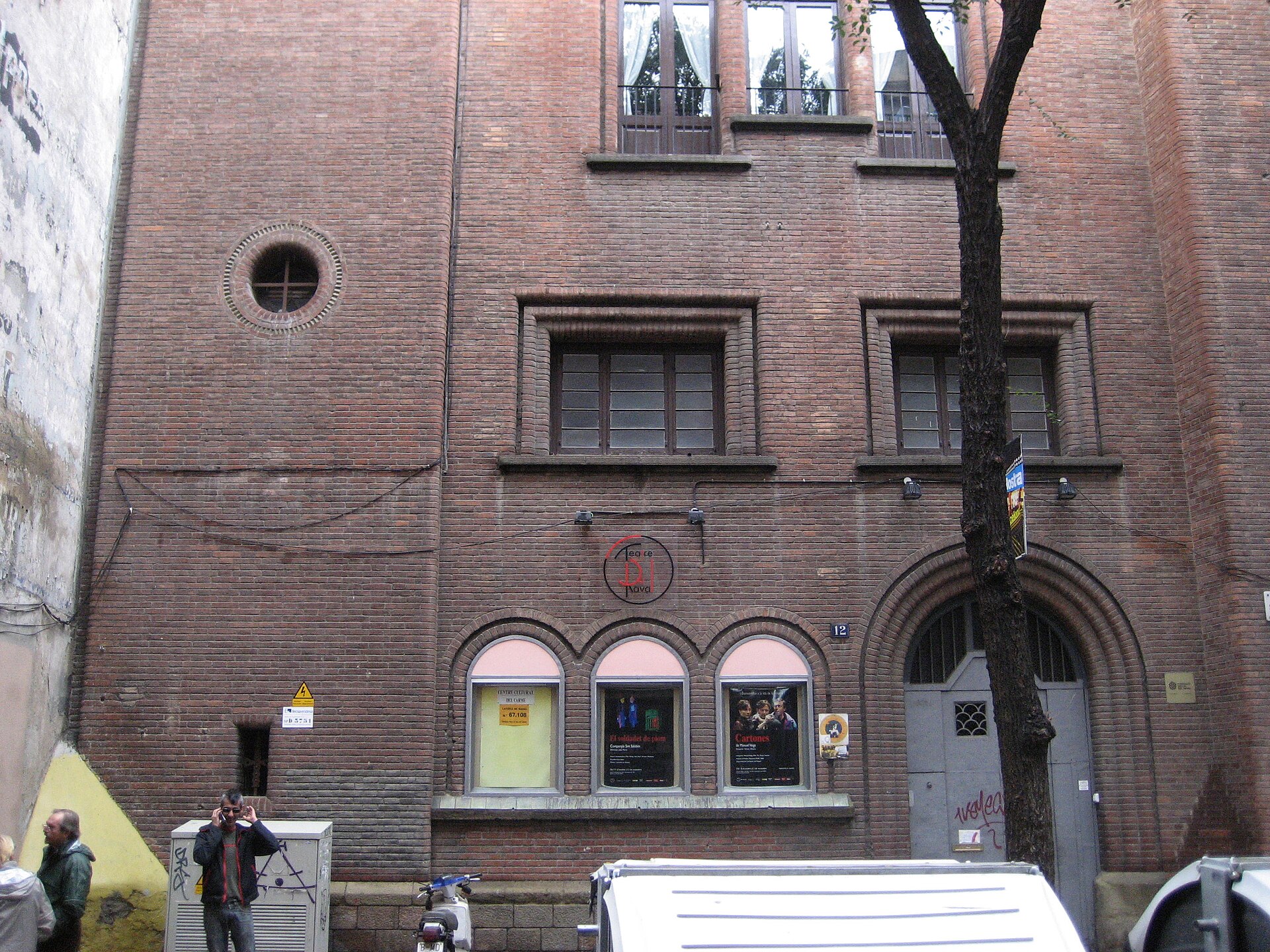
Teatre del Raval
Barcelona
Teatre del Raval is a small, intimate stage in the heart of Barcelona's Raval district, housed in a building that once belonged to the El Carme church complex. The structure dates back to 1930, but it only became a theatre in 2007, when Empar López — who still serves as the venue's artistic director — turned it into a space dedicated to theatrical research, creation and performance. Where is Teatre del Raval located? The theatre sits on Carrer de Sant Antoni Abat, right in the middle of Raval, one of Barcelona's most culturally diverse and lively neighborhoods. The area blends narrow historic streets, local bars and cultural venues, so a visit here pairs easily with exploring the district on foot. Its coordinates are roughly 41.3791, 2.1651, placing it within easy reach of other cultural spots nearby. What can you expect inside? Step inside and you'll find an Italian-style auditorium with a distinctly romantic feel: seating split between the stalls and a gallery, plus a red velvet curtain that echoes classic theatre design. The stage sits unusually close to the audience, giving performances an intimate, almost shared-space quality that pulls spectators directly into the emotional rhythm of each show. Following an extensive renovation completed in May 2026, the venue gained a second, multipurpose room — Espai Damià Huguet — built specifically for small-format performances. That means visitors today can choose between two distinct stage spaces under one roof. What's the story behind this theatre? The venue hasn't had a smooth ride. In September 2024, the theatre's leadership announced its closure due to a lack of public funding, a decision that resonated widely among Barcelona's theatre community. The story didn't end there: new managers Pep Tosar and Evelyn Arévalo took over and carried out renovation works that culminated in the theatre reopening with its new, more intimate second room. That turnaround makes Teatre del Raval a notable example of an independent stage bouncing back from financial hardship. Who is this theatre for? From the start, the venue has leaned toward experimental productions and compact staging formats built for a small, close-knit space. That makes it an appealing choice for visitors looking for something beyond the large commercial stages — a place where the connection with performers is direct and the programming often pushes into new theatrical territory. When should you visit? Because the theatre focuses on shows with a limited number of seats, it's worth checking the current program and booking tickets ahead of time — the intimate size of the room means far fewer seats than a big city theatre. Evening performances make up most of the schedule, so plan your visit for the evening and consider lingering in Raval afterward to soak up the neighborhood's nightlife. Frequently asked questions Is Teatre del Raval a large venue? No — it's a small, intimate stage with seating split between the stalls and a gallery, designed for close contact between performers and audience rather than large-scale productions. Has the theatre been running continuously since it opened in 2007? Not quite — in September 2024 it announced its closure due to a lack of public subsidies, but new management renovated the space and reopened it in May 2026 with an additional room. What is Espai Damià Huguet? It's the second, smaller multipurpose room added during the 2026 renovation, built for very small-format performances. Which neighborhood is the theatre in? It's located in Raval, one of central Barcelona's most culturally diverse districts, inside a building formerly linked to the El Carme church.
-
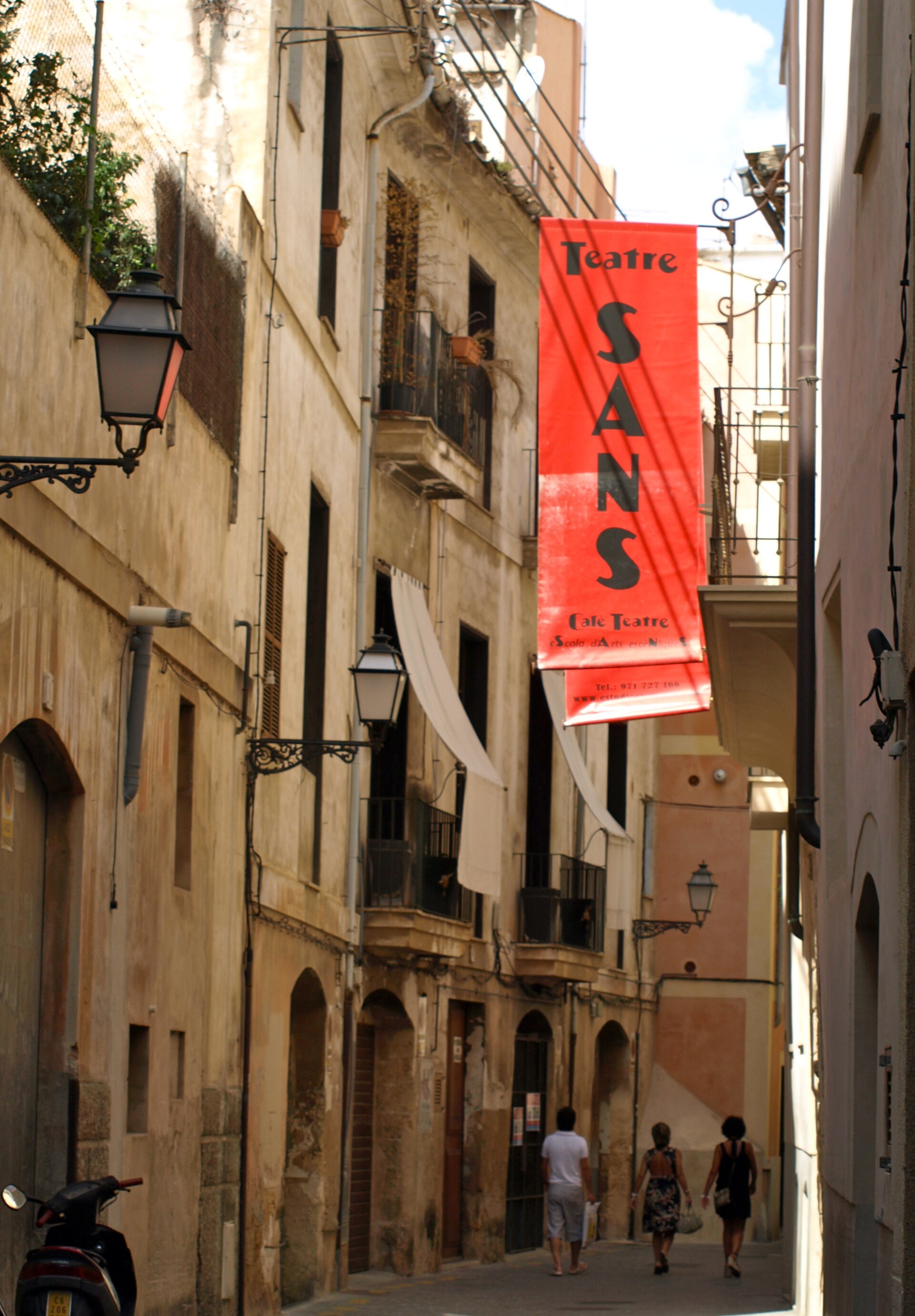
Teatre Sans
Palma
Teatre Sans is a small theatre in the old town of Palma de Mallorca, housed inside a Gothic building dating from the 14th and 15th centuries on Carrer de Can Sanç. Where is Teatre Sans located? The theatre sits in the historic centre of Palma, at Carrer de Can Sanç 5, just a short walk from La Seu cathedral and the main streets of the old quarter. The building itself is a former Gothic casal (a patrician townhouse), and its courtyard still preserves a catalogued arch and heraldic shields. What is the history behind the building? Long before it became a theatre, the building served several different purposes. In the Middle Ages it belonged to Olf de Pròixida, governor of Mallorca, who used it as an alfòndiga — a combined warehouse and trading exchange. During the 1930s, up until the end of the Second Spanish Republic, it housed the Centro Republicano Federal, also known as the Casino Republicano, a hub for political meetings and cultural life in the city. Under Franco's regime, between 1939 and 1978, the premises were occupied by the Círculo de Obreros Católicos (Catholic Workers' Circle), which ran its own theatre season featuring local companies such as Catina-Estelrich and Artis. When did it become a theatre? The building opened its doors as Teatre Sans on 27 March 1984 — fittingly, on World Theatre Day. Since then it has been run by the Estudi Zero Teatre company (previously known as Trip Trup Teatre), which restored the interior and still manages the venue today, along with an attached drama school and café. What can visitors expect to see? Since 1985, Teatre Sans has filled a niche as an alternative stage, meeting the need for small-format venues where local productions and touring shows alike can be presented. With just 101 seats, it is one of the more intimate venues in Palma. The programming season typically runs from October to June and includes theatre performances and, on occasion, literary gatherings or other cultural events — a continuation of a tradition on this site that stretches back to the 1930s. Who is this venue for? Teatre Sans appeals mainly to visitors looking for an authentic, close-up encounter with the stage, away from the city's larger, more tourist-oriented venues. It is a good choice for anyone interested in Mallorca's local theatre scene, and the building's architecture is worth a look in its own right — a Gothic courtyard with a historic arch and coats of arms is a rare find in this part of the old town. Frequently Asked Questions Where exactly is Teatre Sans located? At Carrer de Can Sanç 5, in the old town of Palma de Mallorca, near the cathedral. Who runs the theatre? Since 1984 it has been managed by the Estudi Zero Teatre company, which also operates a drama school and café on the premises. How many seats does the venue have? Teatre Sans has 101 seats, making it a compact stage focused on local and touring productions. Does the building have historical significance? Yes — it is a Gothic casal from the 14th–15th centuries that has served as a warehouse, the seat of a Republican political association, and home to a Catholic workers' circle, before becoming a theatre in 1984.
-
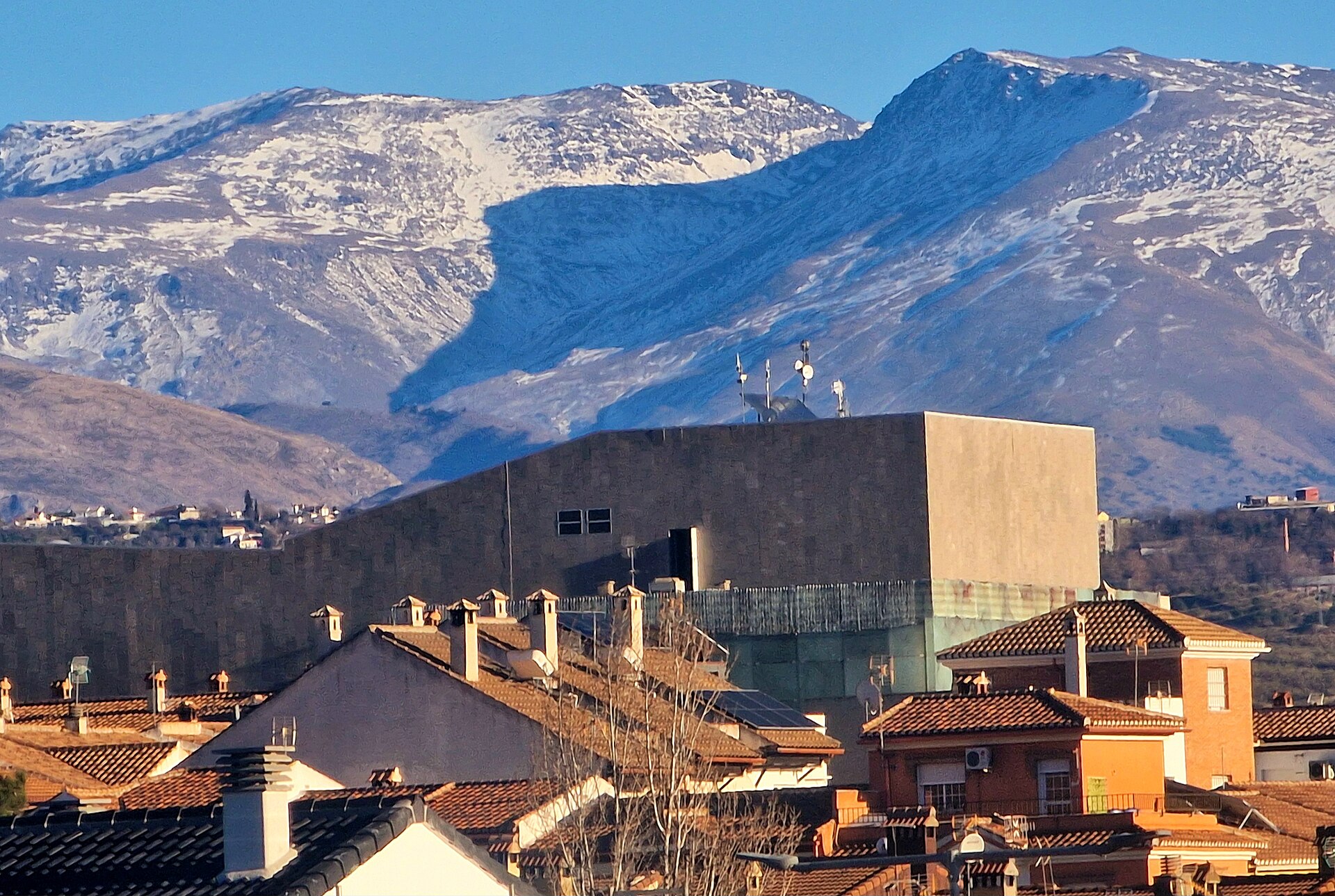
Teatro Pablo Neruda
Peligros
Teatro Pablo Neruda is the municipal theatre and cultural hub of Peligros, a small town in the province of Granada, Andalusia. Named after the Chilean poet and Nobel Prize in Literature laureate Pablo Neruda, the venue serves as the town's main stage for performing arts, hosting theatre productions, concerts, dance performances, and exhibitions for both local residents and visitors passing through the Granada area. What is Teatro Pablo Neruda? The theatre sits on Avenida de los Pechuelos in Peligros (postcode 18210), just a short drive from central Granada. Its auditorium seats around 400 people, making it one of the larger cultural venues in this part of the province. The building is designed as a showcase for the municipality, with a modern layout and stage facilities that allow it to host anything from intimate performances to larger-scale concerts. Who runs the venue? The theatre is managed by the culture department of the Ayuntamiento de Peligros (the town hall), which curates the programme and handles day-to-day event operations. It is listed in the regional Agenda Cultural de Andalucía directory and belongs to the FESETA network of Spanish performing arts venues, confirming its standing as a recognised cultural institution in the region. What can you see at Teatro Pablo Neruda? The programme is varied, spanning classic theatre plays and recitals, live music concerts, dance shows, and events aimed at families with children. The schedule changes seasonally, so every visit can bring something different — it's worth checking the current listings before you go, since the venue works as a living performance space rather than a fixed exhibition. Is it suitable for families with children? Yes. Family-oriented shows appear regularly in the programme, and the venue's own infrastructure — including accessible entrances and parking — makes it easy to visit with children or with visitors who have reduced mobility. How do you get to Teatro Pablo Neruda? Peligros sits right next to Granada, so the most convenient way to reach the theatre is by car or local public transport from the city centre. The venue offers a wheelchair-accessible entrance and accessible parking spaces, making it straightforward to reach regardless of how you travel. Is the theatre accessible for visitors with disabilities? Yes, both the entrance and the parking area have been designed with accessibility in mind — a feature frequently highlighted by visitors. When should you visit? The best time to visit is whenever a specific event is scheduled, so checking the Peligros municipal cultural agenda or the regional Andalusian events calendar in advance lets you plan your trip around a particular play, concert, or exhibition. The theatre runs an active programme year-round, with particularly busy stretches during the autumn-winter season and around local festivals. Frequently asked questions How many people does Teatro Pablo Neruda seat? The auditorium has a capacity of around 400 seats. Why is the theatre named after Pablo Neruda? The venue was named in honour of the Chilean poet and Nobel Prize in Literature laureate, underscoring the cultural ambitions of the space and its openness to art of international significance. How can visitors check the current programme? The easiest way is to contact the culture department of the Ayuntamiento de Peligros or check the venue's listing on Agenda Cultural de Andalucía, where upcoming events are published. Does the theatre host anything besides plays? Yes — alongside theatre productions, the programme includes concerts, recitals, dance performances, and exhibitions, making it appealing to a wide range of visitors.
-
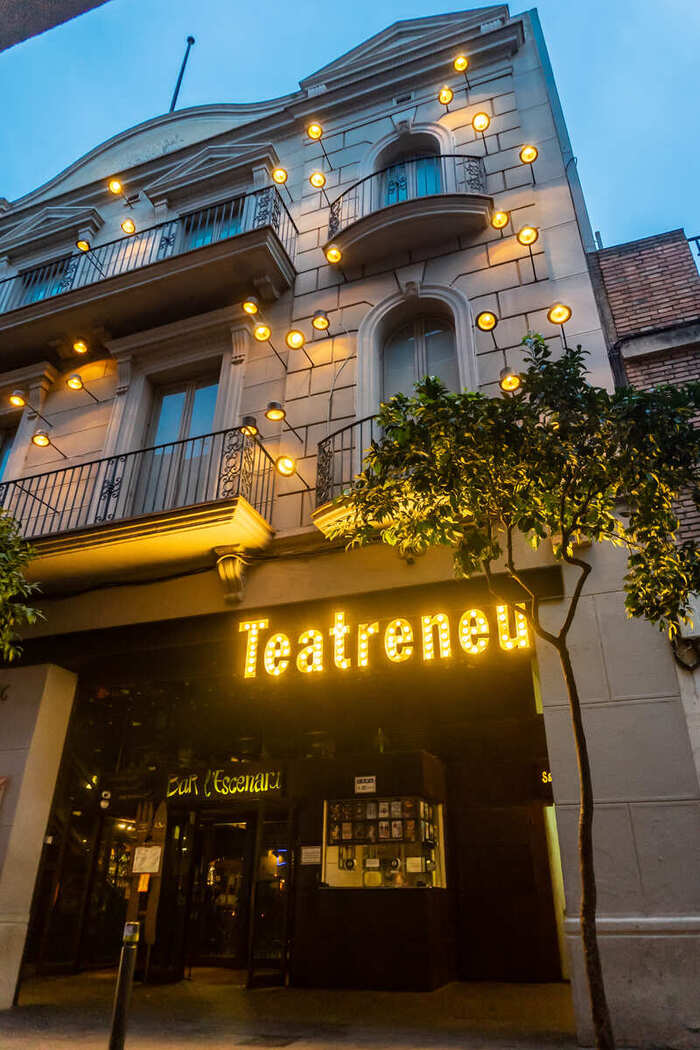
Teatreneu
Barcelona
Teatreneu is one of Barcelona's best-known comedy venues, tucked into the lively Gràcia neighborhood. Open since 1988 on Carrer de Terol 26-28, it has built a loyal following for stand-up, improv, cabaret, and musical theatre, drawing both locals and visitors keen to see a side of Barcelona nightlife well away from the main tourist trail. Where is Teatreneu and how do you get there? Teatreneu sits in the heart of Gràcia, a district known for narrow streets, small squares, and a neighborhood feel that contrasts with the more polished city center. The nearest metro stops are Fontana or Diagonal on line L3, both a short walk from the theatre. The surrounding streets are packed with bars and restaurants, making it easy to build a full evening around a show — dinner before or drinks after. What can you see at Teatreneu? The building holds three separate halls, the largest seating up to 360 people, which keeps Teatreneu on the more intimate end of Barcelona's theatre scene despite its packed calendar. Around 30 performances take place here every week, spanning stand-up monologues, improvised theatre, cabaret, musical shows, magic acts, and family-friendly productions. The lineup rotates often, so it's worth checking the current schedule before booking, especially if you're looking for a show that doesn't rely on fluent Spanish or Catalan. The theatre's name honors Xavier Fàbregas i Surroca, a Catalan theatre critic and historian regarded as one of the most influential figures in 20th-century Catalan theatre. Why did Teatreneu become internationally famous? In 2014, Teatreneu ran an experiment that made headlines worldwide: the "Pay per Laugh" system. Entry was free, but every seat was fitted with a tablet using facial-recognition technology to count how many times each guest laughed during the show. Every registered laugh cost 0.30 euros, capped at a maximum of 24 euros per performance. The idea was a direct response to a Spanish tax hike on theatre tickets, which jumped from 8% to 21% and hit attendance hard. The campaign's logic was simple: if people are paying for entertainment, they should pay in proportion to how much they actually enjoyed it. The results outperformed expectations — revenue per show rose from around 4,400 to 7,200 euros, the number of people queuing to attend increased by 35%, and the average amount paid per ticket climbed by nearly 6 euros. The concept went on to inspire similar pricing experiments at other comedy venues across Spain. When is the best time to catch a show? Teatreneu programs shows throughout the week, with the fullest lineup typically on Friday and Saturday nights, when the biggest improv and comedy productions take the stage. Visitors without Spanish or Catalan should look for physical formats — improv, acrobatics, magic — which work well without understanding the dialogue. Booking ahead is worth it for the long-running improv shows, which have built a steady, returning audience over the years. Frequently asked questions Is Teatreneu suitable if you don't speak Spanish? Partly — shows built around physical comedy, music, or visual improv are enjoyable without language skills, but stand-up monologues and verbal cabaret require solid Spanish or Catalan comprehension. Does the "Pay per Laugh" system still operate? No — the 2014 experiment was a time-limited campaign responding to a specific ticket tax hike, not a permanent pricing model. The theatre now runs on standard ticket sales. How many people can Teatreneu hold? The largest of its three halls seats up to 360 people, making Teatreneu one of the smaller, more intimate theatres in Barcelona. Where does the name Teatreneu come from? It pays tribute to Xavier Fàbregas i Surroca, a Catalan theatre critic considered one of the key figures of 20th-century Catalan theatre.
-
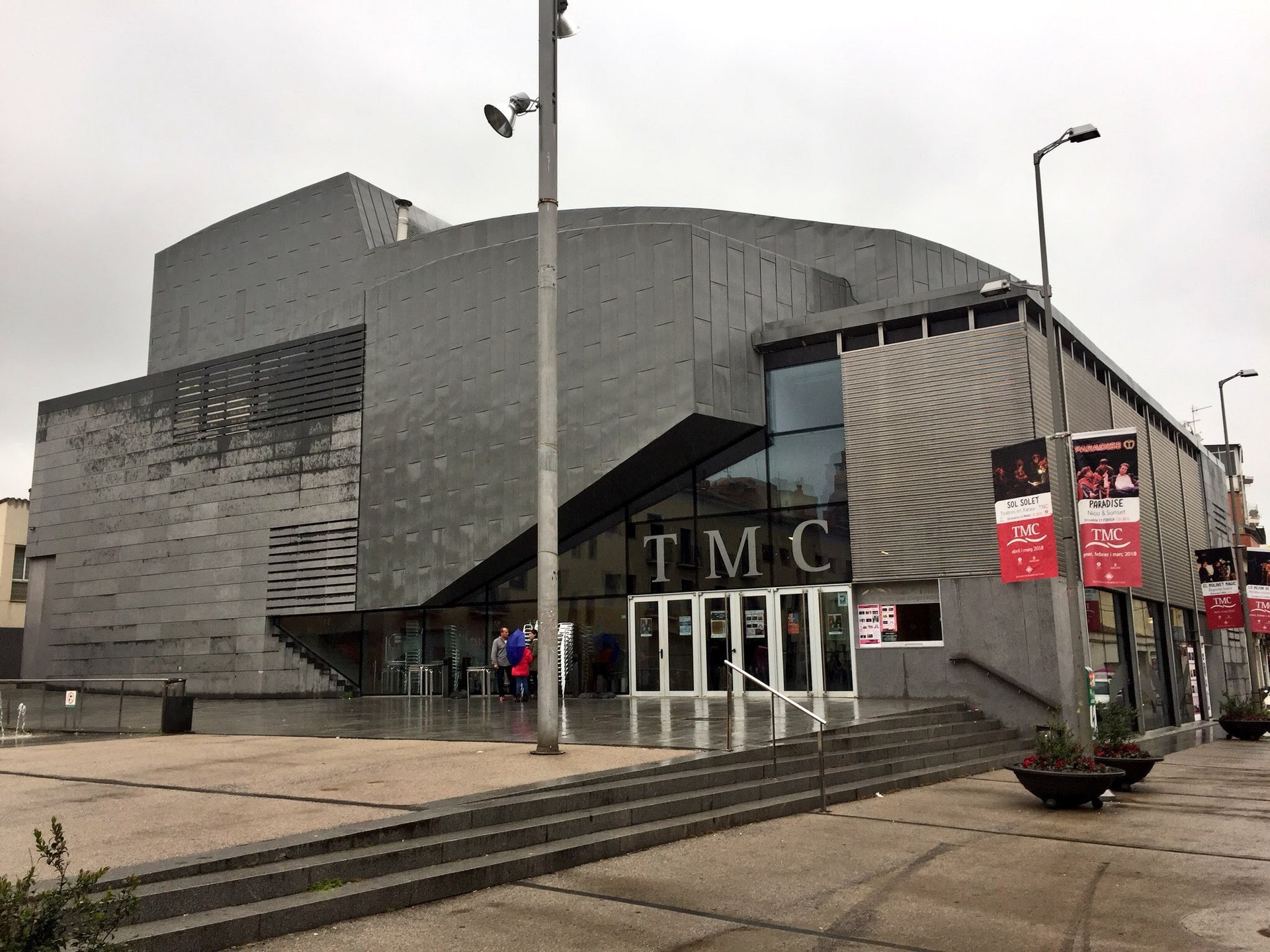
Teatre Municipal Cooperativa
Barberà del Vallès
Teatre Municipal Cooperativa is the municipal theater of Barberà del Vallès, a town in the province of Barcelona, Catalonia. Since opening on March 3, 2007, it has served as the town's main stage for theater, music and dance, drawing audiences from across the Vallès Occidental area. Where is the theater located? The building stands at Plaça Cooperativa 5, between Carrer Nemesi Valls and Passatge Cooperativa, right in the center of Barberà del Vallès. The site carries historical weight: it once housed a local agricultural cooperative, and the theater's name preserves that legacy. What is the story behind the name? In the early 20th century, residents founded "La Cooperativa" on this spot, an agricultural cooperative built on values of solidarity and shared work. Over the decades it grew into a hub for the town's economic, cultural, social and festive life. When the cooperative's original building reached the end of its use, a modern theater rose in its place, keeping the old name alive as a nod to the site's community roots. The result is a venue that blends contemporary stage architecture with the local tradition it grew out of. What can you expect inside? The venue is built specifically for the performing arts and offers two distinct spaces for theater, music and dance. Its main auditorium spans two levels and seats 480 people. Alongside it, the building holds a multipurpose room, a foyer, and a divisible hall used for rehearsals, exhibitions and public events. This layout lets several cultural activities run in parallel, from intimate gatherings to large-scale productions. What kind of program does TMC run? The schedule mixes theater productions, concerts and dance performances aimed at both local residents and visitors from neighboring towns in Vallès Occidental. The venue also hosts community and festival events, continuing the cooperative's old role as a meeting point for the town. The variety of rooms makes it possible to run major shows alongside smaller cultural events under the same roof. How do you get there? Barberà del Vallès sits a short distance northwest of Barcelona, and the theater is reachable by local train and bus connections linking the town to Barcelona and the rest of Vallès Occidental. The full address is Plaça Cooperativa 5, 08210 Barberà del Vallès, Barcelona, in an easily accessible, central part of town. When is the best time to visit? Since the program changes with the season and includes both evening shows and daytime or family events, it's worth checking the current listings before planning a trip. Barberà del Vallès' cultural calendar is centered largely around this stage, and tickets for popular events can sell out quickly. Frequently asked questions When did the theater open? Teatre Municipal Cooperativa opened on March 3, 2007. How many seats does the main hall have? The main auditorium has two levels and seats 480 people. Where does the theater's name come from? It refers to "La Cooperativa," an early 20th-century agricultural cooperative that previously occupied the same site. What is the exact address? The theater is located at Plaça Cooperativa 5, 08210 Barberà del Vallès, in the province of Barcelona.
-
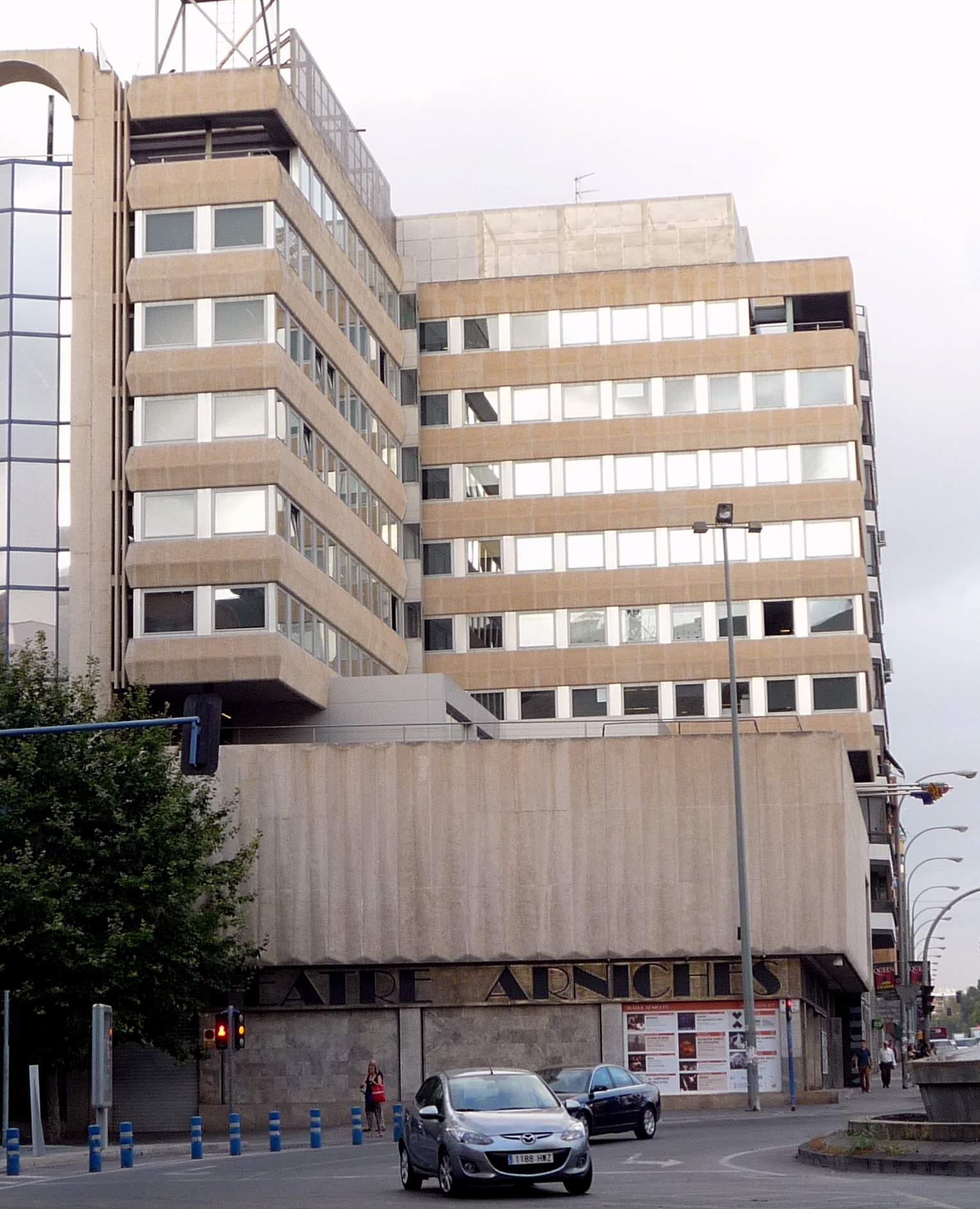
Teatre Arniches
Teatro Arniches in Alicante Teatro Arniches (Teatre Arniches) is a theatre venue in the centre of Alicante, in Spain's Valencian Community. Standing on Avenida de Aguilera, the building has long served as one of the city's main stages for performing arts and is run by the Institut Valencià de Cultura (IVC), the regional government's cultural institution. Why is it called Arniches? The theatre is named after Carlos Arniches, an Alicante-born playwright known for his sainetes — short, comic plays rooted in everyday Spanish life — and regarded as one of the leading figures of popular Spanish theatre in the late 19th and early 20th centuries. Naming the venue after him is a tribute to a local writer whose plays are still staged in Spain today. How do you get there? The building sits at Avenida de Aguilera 1, in an easily reachable part of central Alicante. It's a convenient stop for both residents and visitors staying near the city's main shopping streets, within walking distance of most of the historic centre and served by local city buses. What will you see inside? The auditorium was refurbished in 2004: the stage height was raised and a second tier was added to the seating area, bringing total capacity to 264 seats — 170 on the ground floor and 94 on the balcony. The renovation lets the venue host larger theatrical productions, concerts and conference events while keeping the intimate feel typical of a house this size, where the audience stays close to the stage. What's on the programme? Each season brings more than 30 events — theatre productions, dance, contemporary circus, music concerts and film screenings. The line-up serves both local audiences and visitors to Alicante looking for a cultural break from the beaches of the Costa Blanca. Cinema at the theatre — the Filmoteca Since 2013, the building has also housed the Filmoteca of the Generalitat Valenciana in Alicante, which runs regular screenings of films in their original language with subtitles. It's a distinctive offering in the region for fans of art-house and classic cinema, staged in the same space used for live performances. When should you visit? The venue follows the rhythm of the cultural season, with the busiest programme running through autumn, winter and spring, when most theatre premieres and concerts take place. The summer schedule tends to be lighter, so it's worth checking what's actually on before planning a visit around a specific show rather than the building alone. Frequently asked questions Where exactly is Teatro Arniches located? At Avenida de Aguilera 1 in Alicante, in Spain's Valencian Community, close to the city centre. Who was Carlos Arniches, the theatre's namesake? An Alicante-born playwright famous for his sainetes and comedies, considered one of the most important figures in Spanish popular theatre at the turn of the 20th century. How many people can the auditorium hold? 264 — 170 seats on the ground floor and 94 on the balcony, following the 2004 renovation. Can you watch films here, or only live shows? Both — since 2013 the venue has hosted the Filmoteca of the Generalitat Valenciana, screening films in their original language with subtitles alongside its regular theatre, concert and dance programme. Who manages the theatre? It's run by the Institut Valencià de Cultura (IVC), the Valencian regional government's cultural body.
Earn badges for the places you visit
Download NextOnTrip, discover new places and check off your trails.