About this place
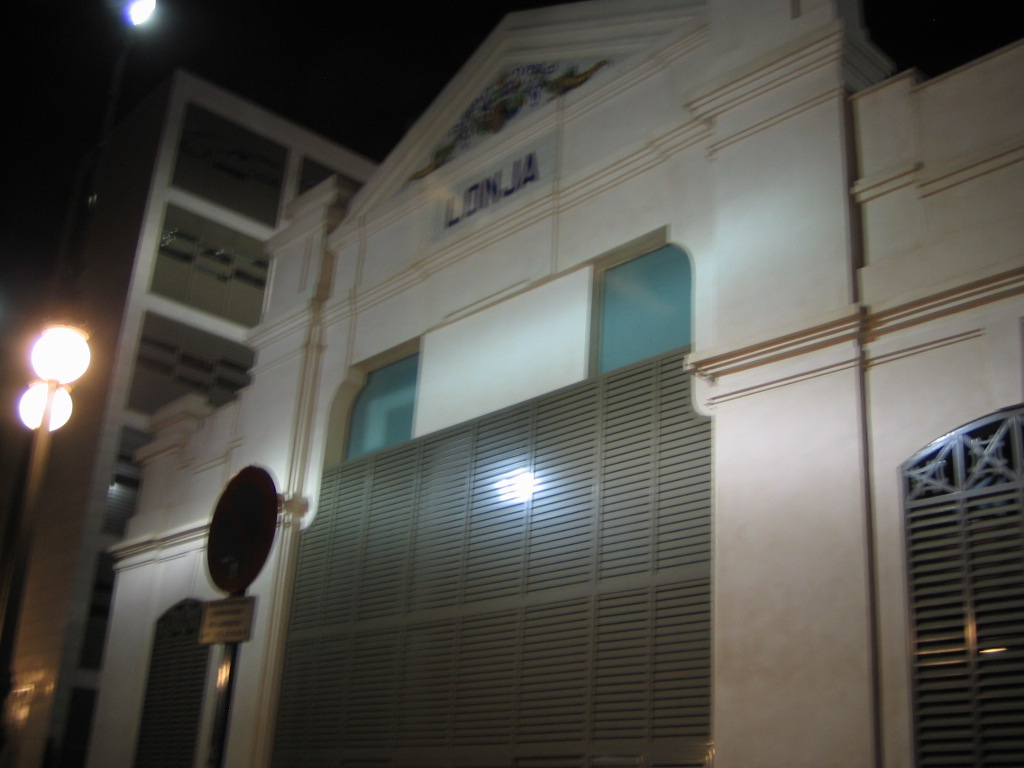
Lonja Municipal is one of Orihuela's most distinctive civic landmarks, standing on Calle Aragón in this Alicante-province town. Nearly a century after it opened, the building has traded its original job as a marketplace for a new life as a cultural venue.
What is the story behind the building?
The Lonja was built in 1926 to a design by architect Severiano Sánchez Ballesta. It opened as the town's municipal market, the place where residents bought the fresh produce that kept Orihuela fed. As the town grew and trading needs outpaced the old hall's capacity, the market itself moved out to an industrial zone on the outskirts, where a wholesale fruit-and-vegetable market still supplies the wider Vega Baja area today. The original building on Calle Aragón, however, kept its place in the town's life: a thorough restoration in 2007 gave it an entirely new purpose.
What does the architecture look like?
Lonja Municipal ranks among the finest examples of Valencian modernisme in Orihuela. The interior is divided into three naves, with the central one rising higher and wider than the two flanking it, giving the hall a genuinely monumental feel. Four doors, one on each façade, provide access to the building, and above each entrance the word "Lonja" is spelled out in large decorative tiles. The ceramic detailing, ironwork and carefully judged façade proportions make it one of the more photographed buildings for visitors exploring the historic centre.
What is the building used for today?
Since its 2007 restoration, the Lonja has functioned as an auditorium and multipurpose hall. It hosts concerts, performances and events run by the town's cultural department, and part of the building is used by a music conservatory. What began as a produce market has become one of Orihuela's key cultural venues, a place where the town's commercial past meets its contemporary performing arts scene.
How do you get there?
Lonja Municipal sits right in the centre of Orihuela on Calle Aragón, within walking distance of the cathedral and the other landmarks of the old town. Arriving by car or train works well — Orihuela's railway station is only a short walk from the centre — and regional buses connect the town with Alicante and Murcia for travellers relying on public transport.
When is the best time to visit?
The building is best experienced around a specific cultural event, since access to the interior outside concerts and performances tends to be limited — check the auditorium's programme before planning a visit. The surrounding old town looks its best in spring and autumn, when temperatures are milder than during the height of summer.
Frequently asked questions
What was the Lonja Municipal building originally used for? It served as Orihuela's municipal market, where residents bought the food supplies for daily life in the town.
Who designed the building? Architect Severiano Sánchez Ballesta designed it, and construction was completed in 1926.
Can visitors go inside? The building now works as an auditorium and concert hall, so interior access usually depends on a scheduled cultural event — it's worth checking the programme beforehand.
What makes the building's architecture distinctive? Its three naves with a taller central nave, four façade entrances each marked by large tiled lettering spelling "Lonja," and its overall Valencian modernisme style from the 1920s set it apart from surrounding buildings.
Nearby places

Earn badges for the places you visit
Download NextOnTrip, discover new places and check off your trails.