Culture and art in Croatia
A guide to 20 Culture and art in Croatia — with descriptions, photos and traveler visits from the NextOnTrip community. Locations spread across 12 cities and towns. Most visited by the community: Galerija Klovićevi dvori, Lauba, Galerija umjetnina Branislav Dešković.
-
Cultural and Scientific Center "Milutin Milanković"
Dalj
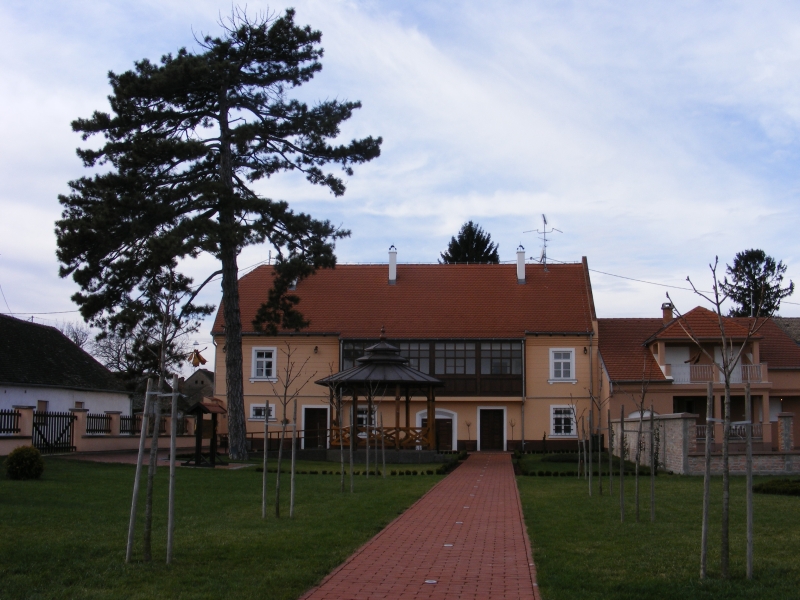
The Cultural and Scientific Center "Milutin Milanković" is a public cultural and educational institution in Dalj, a small village in eastern Croatia on the Danube. It occupies the house where one of the twentieth century's most celebrated Serbian scientists was born, and it is dedicated to keeping his legacy alive. Who was Milutin Milanković? Milutin Milanković was born in Dalj in 1879. He was a mathematician, astronomer, climatologist, geophysicist, civil engineer and popularizer of science. He studied in Vienna and later built his career in Belgrade, where he taught at the university. He died in 1958. He is best known for a theory explaining long-term climate change on Earth through regular variations in the planet's movement around the Sun: the shape of its orbit, the tilt of its axis and its precession. These variations are now called Milankovitch cycles, and scientists still use them to study ice ages. His principal work, the "Canon of Insolation of the Earth", describes how much solar energy reaches different latitudes. What does the center do? The institution was established in 2009. Its core mission is to present Milanković's life and work, but its scope is wider. It organizes cultural events and exhibitions, publishes books and produces audiovisual and promotional materials, preserves the traditional heritage of the region, hosts cultural and scientific meetings, promotes sustainable development and popularizes science. The building holds a permanent museum exhibition about the scientist, including a copy of his "Canon of Insolation of the Earth". Plans also included a space-themed room with a model of the precession cycle and a large telescope in the yard in front of the house. Who is it for? It suits anyone interested in the history of science, astronomy or climate, as well as travelers following the Croatian stretch of the Danube who want something beyond the usual sights. No scientific background is needed: the story of a man who calculated the climates of past ages from his study is easy to follow. In 2012 the center welcomed more than 5,000 visitors. Nearby, in Dalj's Orthodox cemetery, is Milanković's grave, which makes the village a natural stop for anyone following his biography. Frequently asked questions Where is Dalj? In eastern Croatia, in the Slavonia region, close to the Danube and the Serbian border. Is it a museum? It is a cultural and scientific institution with a museum exhibition, plus a program of exhibitions, meetings and publications. Who was Milanković? A Serbian scientist born in Dalj, author of the theory of astronomical cycles that influence Earth's climate. Should I check opening hours? Yes. Confirm current hours and entry rules on the center's official website before you travel, as a small village venue may not keep fixed hours for visitors. Summary Dalj is not a major tourist hub, but Milutin Milanković's house offers a rare chance to combine travel, history and science in one stop. If you are planning a route through Slavonia or along the Danube, an hour here is well spent.
-

Croatian National Theatre in Zagreb
Zagreb
The Croatian National Theatre in Zagreb is the oldest and central theatre institution in Croatia, and one of the city's most prestigious neo-Baroque buildings. Three permanent companies share the house: opera, ballet and drama. For a visitor it is both an architectural landmark and a working stage, where you can watch a performance in the same auditorium that has hosted audiences since the late 19th century. How did Zagreb get its national theatre? Professional theatre in Zagreb began in 1834, thanks to a private merchant, Kristofor Stankovic. The stage stood in the Upper Town, near St. Mark's Square. More companies followed: the opera was founded in 1870 and the ballet in 1876. The turning point was the 1880 earthquake, which damaged the earlier building. The following year the Croatian parliament passed a law to build a new theatre. The commission went to the Viennese architects Ferdinand Fellner and Hermann Helmer, specialists in theatre design. Construction started in May 1894. When did the current building open? The official opening took place on 14 October 1895, performed by Emperor Franz Joseph I. The inaugural production was Ivan Zajc's opera "Nikola Subic Zrinjski", and Zajc also served as the theatre's first conductor. Since then opera, ballet and drama have operated together in one house. What do the building and interior look like? Fellner and Helmer designed the theatre in a rich neo-Baroque style, then considered the most fitting choice for theatres. The interior features work by notable artists. The 1895 curtain, titled "The Reformation of Croatian Literature and Art", was painted by Vlaho Bukovac, one of the leading Croatian painters of the period. The Viennese painter Alexander Demetrius Goltz created the paintings on the auditorium ceiling. Sources give different seating figures, so treat the capacity as approximate: roughly seven hundred seats. How has the building changed over time? In 1937 modern electrical installations meeting the safety requirements of the day were fitted. Between 1967 and 1969 the west wing was renovated. Despite later upgrades, the theatre keeps the character of a historic late 19th-century stage. What to know before you visit The theatre is a working venue, with opera, ballet and drama on the programme, so the best way to see the interior is to buy a ticket for a performance. Check the current repertoire, ticket prices and any guided tours on the theatre's official website (hnk.hr). It stands in central Zagreb, on the Square of the Republic of Croatia, so it fits easily into a walk around the city centre. Dress slightly smarter than usual for an evening performance, as this is the national flagship stage. Frequently asked questions When did the Croatian National Theatre in Zagreb open? The current building opened on 14 October 1895, in the presence of Emperor Franz Joseph I. Who designed the building? The Viennese architects Ferdinand Fellner and Hermann Helmer, who designed many theatres across Europe. Which companies perform there? Opera, ballet and drama. The opera dates from 1870 and the ballet from 1876. What was performed at the opening? Ivan Zajc's opera "Nikola Subic Zrinjski". Who painted the famous curtain? Vlaho Bukovac. The 1895 curtain is titled "The Reformation of Croatian Literature and Art". Why was a new theatre built? The earlier building was damaged by the 1880 earthquake, and in 1881 parliament decided to build a new one.
-
Croatian National Theatre in Osijek
Osijek
The Croatian National Theatre in Osijek (Hrvatsko narodno kazalište u Osijeku) is the main drama, opera and ballet stage of Slavonia, housed in a historic building in the heart of the city. It is one of the most recognisable landmarks in Osijek and a natural stop on any walk through the Upper Town and the streets around Ante Starčević Square. Where is the theatre and how do you get there? The theatre stands in central Osijek, the capital of Slavonia in eastern Croatia, a short walk from the main squares, cafés and the promenade along the Drava river. Its coordinates are roughly 45.56 N, 18.68 E. Most points in the city centre are within a few minutes on foot, and much of the surrounding area is restricted to cars, so it is easiest to park nearby and explore on foot. What is the history of the building? The origins of the building go back to 1866. Sources disagree about what the original structure was used for. What is certain is that the building was enlarged and finally completed in 1907 to plans by the local architect Karlo Klausner. On 7 December 1907 organised, systematic theatrical life began, and the institution carries on today as the Croatian National Theatre. During the Croatian War of Independence in the 1990s, the building was damaged by shelling from the Yugoslav People's Army. After extensive restoration, it was officially reopened in December 1994 by Croatian President Franjo Tuđman. For the people of Osijek, the restored building became a symbol of the city's recovery and of the return of normal cultural life. What does the architecture look like? Klausner's design draws on historicist styles. The facade is described as neo-Moorish, with decoration that echoes Moorish architecture, while the auditorium is in a neo-baroque style. The contrast between the exotic exterior and the traditional, richly ornamented interior makes the building stand out among theatres in the region. It is worth pausing in front of the entrance for a moment to take in the facade details. What can you see here? The main draw is the programme itself. The theatre stages drama, opera and ballet, with performances in Croatian. For visitors who do not speak the language, ballet and opera are easiest to follow, since music and movement carry much of the story. You can also admire the building from outside without a ticket. Frequently asked questions Can I visit the theatre without buying a ticket? The facade and surroundings can be viewed at any time. Entering the interior normally requires a ticket for a performance or an arrangement with the theatre; check the official website for current details. What language are the performances in? Plays are performed in Croatian. Opera and ballet are easier for foreign visitors to enjoy. When was the theatre built? The building dates back to 1866, and it took its final form through an expansion completed in 1907 to plans by Karlo Klausner. Did the theatre suffer in the war? Yes, it was damaged in the 1990s during the Croatian War of Independence. After restoration it reopened in December 1994. What else is worth seeing nearby? Nearby you will find the historic Upper Town, the Drava riverside promenade and the Tvrđa fortress, one of Croatia's largest baroque defensive complexes. Who is it for? The theatre suits lovers of historicist architecture, anyone interested in the history of Slavonia and Croatia, and travellers who like to combine sightseeing with an evening at the theatre. Even a short stop at the building shows how important culture is to everyday life in Osijek.
-
Croatian National Theatre Ivan pl. Zajc in Rijeka
Rijeka
The Croatian National Theatre Ivan pl. Zajc in Rijeka (HNK Zajc) is the city's house for theatre, opera and ballet, and one of its most representative buildings. This neo-Renaissance landmark from the late nineteenth century is still a working stage, and it makes an excellent stop on a walk through the historic centre. What is HNK Zajc? It is one of four national theatres in the Republic of Croatia. The institution runs three companies, drama, opera and ballet, so the programme covers plays as well as operas and ballet productions. The theatre is named after Ivan pl. Zajc, a composer associated with Rijeka. It received its present name in 1991, when it became a national theatre. How was the building created? Rijeka previously had the Adamich theatre, in use since 1805. Over time it no longer met the standards of the Austro-Hungarian Monarchy, especially regarding fire safety. In 1883 the city government, led by Mayor Giovanni Ciotta, decided to build a grand new house. The design came from the Viennese office of Fellner & Helmer, which planned dozens of theatres across the Monarchy. Construction ran from 1883 to 1885. The theatre opened on 3 October 1885 with Verdi's Aida, under the name Teatro Comunale. In 1913 it was renamed Teatro comunale Giuseppe Verdi, and after 1946 it became Teatro del popolo. What does the building look like? The exterior is neo-Renaissance, while the interior is neo-Baroque. The facade carries sculptures by Augusto Benvenuti and Viennese sculptors. The auditorium ceiling was painted by the Klimt brothers and Franz Matsch. The theatre ranks among the most important examples of Habsburg-era architecture in Rijeka. Why does this theatre matter to Rijeka? In the nineteenth century Rijeka was a significant port of the Austro-Hungarian Monarchy, and a new theatre was meant to reflect the city's standing. Buildings of this kind were symbols of prestige and civic identity. Today it remains a centre of cultural life, and its history, from Teatro Comunale to national theatre, shows how the city and the states it belonged to changed over time. Tips for visitors Check the programme and showtimes on the theatre's website before you arrive. Come early to see the facade and the foyer. The historic interior is most impressive in the evening light, so attending a performance is the best way to experience the building. Frequently asked questions When did the theatre in Rijeka open? On 3 October 1885, with Verdi's Aida. Who designed the building? The Viennese firm Fellner & Helmer. Since when has it had its current name? Since 1991, when it became one of Croatia's four national theatres. What is performed here? Drama, opera and ballet. Where is it? In the centre of Rijeka, near the main sights, at roughly 45.324 N, 14.445 E.
-
Satirical Theatre Kerempuh
Zagreb
Satirical Theatre Kerempuh (Satiričko kazalište Kerempuh) is one of Zagreb's best-known comedy stages. Since 1964 it has entertained audiences with satire, cabaret and political humour, right in the city centre next to the main shopping street, Ilica. Where is Kerempuh Theatre? The building sits on a small slope behind Ilica 31, with the entrance reached through a passage named after the theatre's founder, Fadil Hadžić. It is only a few minutes' walk from Ban Jelačić Square, so a show fits easily into an evening of exploring the Lower Town. The surrounding streets are full of cafés and restaurants, handy for dinner before curtain time. How did the theatre begin? Its story starts in 1964. The stage was born as a cabaret called Jazavac, which had grown out of the Bled café on Medulićeva street. Fadil Hadžić, a distinguished theatre and film director, comedy writer and journalist, pushed for its opening. The repertoire consisted mostly of satirical cabaret collages: strings of sketches, songs and monologues commenting on everyday life. A building with a long past The building dates from 1912 and was originally Zagreb's first purpose-built cinema. After the Second World War it housed the Varijete stage, which merged with Jazavac in 1971. In 1981 the theatre opened a second stage, Vidra, on Draškovićeva street. Why "Kerempuh"? The theatre has carried its present name since 1994. It honours Petrica Kerempuh, a jester and sage from Croatian folk literature who used plain speech to mock the powerful and human folly. The choice suits the house well: sharp satire combined with local Zagreb humour. What to know before you go Performances are mainly in Croatian, and the jokes often rely on local references and wordplay, so some knowledge of the language, or a Croatian-speaking friend, helps. Check the theatre's official website for the current programme and showtimes, as they change through the season. Book tickets ahead, especially for weekend evenings. Frequently asked questions Who founded Kerempuh Theatre? Fadil Hadžić, a well-known Croatian theatre and film director, in 1964. Since when has it been called Kerempuh? Since 1994. Before that the stage operated under other names, including the Jazavac cabaret. Is it only for locals? Shows are in Croatian, but the building, its history as an early cinema and the atmosphere around Ilica also appeal to visitors. How far is it from Ban Jelačić Square? A short walk along Ilica in central Zagreb.
-
Gavella Drama Theatre
Zagrzeb
Gavella Drama Theatre (Gradsko dramsko kazalište Gavella) is a drama theatre on Frankopanska Street in central Zagreb. It ranks among the most important dramatic stages in Croatia and is a good choice for an evening out if you want to see Croatian theatre life up close. Where is the theatre? The building stands at Frankopanska 10, in the central part of Zagreb, close to the main streets and squares of the city. The coordinates are roughly 45.812 N, 15.969 E. It is an easy walk from the Lower Town, so a visit fits neatly into a stroll through the centre. How did the theatre begin? The story starts in 1953, when a group of young actors and directors left the Croatian National Theatre to form their own company. Dr Branko Gavella led them as the first among equals. They took over the building of the former Small Theatre (Malo kazalište) on Frankopanska and founded the Zagreb Drama Theatre. Accounts of the building's earlier life differ. English Wikipedia says the theatre succeeded the Helios cinema, financed by the industrialist Adolf Müller, while the theatre's own website points to the Small Theatre. The theatre opened on 30 October 1954 with Miroslav Krleža's "Golgota", directed by Gavella himself. Because the premises were being renovated, an earlier performance was staged as a guest appearance in Subotica. Who was Branko Gavella? Branko Gavella (1885–1962) was a director, theatre manager, teacher and critic. He also helped found the Zagreb Academy of Theatrical Arts, established in 1950. His name is now carried by both the theatre and a festival tied to this stage. Gavella Evenings The festival Gavellini večeri (Gavella Evenings) was launched in 1973. Until 2013 it held the status of a national festival, showcasing productions from stages across Croatia over many years. Is Gavella worth visiting? It suits anyone who enjoys spoken drama and wants to meet Croatian culture through its stage. Performances are mainly in Croatian, so before buying tickets it helps to check whether a given show offers surtitles or whether knowing the plot beforehand will be enough. The building and its history are also a good reason to stop on Frankopanska even if you are not planning to see a show. Frequently asked questions Where is Gavella Drama Theatre? At Frankopanska 10 in central Zagreb. When was it founded? The company was formed in 1953, and the first premiere in its home took place on 30 October 1954. Who founded it? A group of actors and directors who left the Croatian National Theatre, led by Branko Gavella. What was the first production? Miroslav Krleža's "Golgota", directed by Gavella. Are performances in English? The repertoire is chiefly in Croatian, so check the programme and subtitle availability on the theatre's website before your visit.
-
Croatian National Theatre in Varaždin
Varaždin
The Croatian National Theatre in Varaždin (HNK Varaždin) is a historic theatre in northern Croatia and one of the city's main cultural venues. The building opened in 1873, but theatre in the town goes back much further, to school performances in the seventeenth century. Where is the theatre and how do you get there? The theatre stands in Varaždin, in the north of Croatia, not far from the Slovenian and Hungarian borders. According to the local tourist board, the building sits at the southern entrance to the old town, so it is easy to combine with a walk through the centre. Its coordinates are roughly 46.3057 N, 16.3372 E. From the main sights of the city it is usually only a few minutes on foot. What does the building look like and who designed it? The Viennese architect Hermann Helmer designed it, and Varaždin was his first theatre commission. Helmer later teamed up with Ferdinand Fellner, and together they founded the Fellner & Helmer firm, which designed theatres in many cities across Central Europe. The building is an example of Historicism; some descriptions call its style neo-Renaissance. For architecture enthusiasts it is an interesting early work by the pair who shaped the look of European playhouses in the late nineteenth century. What is the history of theatre in Varaždin? Theatre life in the city began with performances staged at the Jesuit school in 1637. The building that opened in 1873 was the third theatre building in so-called Civil Croatia. In 1898 a professional Croatian ensemble was formed, and until 1915 the stage was run by a drama society led by Ivan Mičetić. This helped make the venue a place where Croatian stage culture developed outside Zagreb. What kind of venue is it and what can you see? Databases describe it as an opera house in Varaždin, and its name marks it as a national theatre. The programme and performance dates change with the season, so check the theatre's website or the city tourist information office. Even without a ticket, the facade and surroundings are worth a look, and in the evening you can see how the cultural life of the town gathers around the building. Frequently asked questions When did the Varaždin theatre open? In 1873. Who designed the building? Hermann Helmer, a Viennese architect who later co-founded the Fellner & Helmer firm. Is it the same theatre as the one in Zagreb? No. The Croatian National Theatre in Zagreb is a separate institution that opened in 1895, although it is also linked to Fellner & Helmer. Is it worth visiting while sightseeing in Varaždin? Yes, especially if you are interested in nineteenth-century architecture and Croatian cultural history. It lies close to the old town, so it hardly requires a detour. Where can I check the programme? On the theatre's official website and at the Varaždin tourist information office.
-
Croatian National Theatre in Šibenik
Šibenik
The Croatian National Theatre in Šibenik (Hrvatsko narodno kazalište u Šibeniku) is a historic playhouse in the heart of the old town and one of the finest examples of nineteenth-century architecture in Dalmatian Šibenik. It stands close to the waterfront promenade and St James's Cathedral, so it fits naturally into a stroll through the historic centre. When did the theatre open? The building opened in 1870. It is regarded as the second oldest theatre in Croatia and the oldest one still in use. Its origins are unusual too: neither the state nor the city paid for it. Instead, a group of 28 prominent citizens of Šibenik financed the construction, which makes it a project born of civic ambition rather than official decree. What does the building look like? The architect was Josip Slade, who later also designed the Zetski Dom theatre in Montenegro. The facade evokes the Middle Ages, mixing Gothic and Romanesque references, and the whole is usually described as nineteenth-century eclecticism. It sits comfortably among the stone lanes of the old town while still standing out from them. The auditorium was modelled on the Teatro La Fenice in Venice. Look up at the painted ceiling by Antun Zuccaro, which portrays the citizens who funded the theatre, a kind of public thank-you to its patrons. Tourism sources date the ceiling decoration to 1868, before the theatre opened. Notable moments in its history In 1896 the theatre gained electric lighting, making it one of the first theatres in the world to have it. It suffered war damage in 1991 and was restored between 1996 and 2001, and it again welcomes audiences today. What can you see here? The theatre has its own repertory company and also hosts guest performances. The programme changes with the season, so check the current schedule and ticket availability on the theatre's website or at the tourist information office before you go. Even if you are not planning to see a show, the facade is a great photo stop on a city walk. Frequently asked questions Can I visit the theatre without a performance ticket? Access depends on the theatre's management and schedule, so ask at the Šibenik tourist office. The exterior can be admired freely. Who designed it? Josip Slade, who also designed a theatre in Montenegro. Who paid for it? A group of 28 prominent local citizens, not a government body. Is it still active? Yes. It has its own company and regularly presents guest productions. How long should I allow? A quarter of an hour is enough to look at the building from outside; a performance takes an evening. It pairs well with a walk around the old town, other nearby Šibenik landmarks and dinner by the water. If you are curious about Dalmatian culture, this theatre shows how much the townspeople valued the performing arts as early as the nineteenth century, and that the tradition has continued despite wartime damage and the need for rebuilding.
-
Ljetna Pozornica
Grad Opatija
Ljetna Pozornica (the Open Air Theatre) in Opatija is one of the largest outdoor stages on Croatia's Adriatic coast. It sits on a peninsula in Angiolina Park, right by the sea, at roughly 45.335° N, 14.310° E. In summer it hosts concerts, festivals and stage productions, and the setting itself, with the park's greenery and views over the Kvarner Bay, is part of the appeal. What is Ljetna Pozornica? It is a theatre under the open sky. The main auditorium seats about 2,500 people, and for standing concerts the crowd can reach 5,000. The stage measures around 21 by 12 metres. A smaller stage next to it holds about 600 spectators and is used for more intimate events. How did the theatre come about? The story is tied to Opatija's history as a health resort. In the early 20th century a spa palace was planned for this spot, and an architectural tender was held in 1911. After the First World War, under the 1920 Treaty of Rapallo, Istria, Opatija included, came under Italian rule. Instead of the palace, an open-air stage was built. Build dates are given differently. Some accounts say the theatre was built in 1954 as one of few such stages in the Mediterranean. Others credit its present form to a 1957 design by architect Neven Šegvić. It is safest to say the place has a long tradition and that its current shape dates from the mid-20th century. What has happened on the stage? The venue has a rich concert history. In 1934 Beniamino Gigli, one of the most celebrated tenors of his time, gave a concert here. A year later, in 1935, the first international operetta festival, devoted to the works of Franz Lehár, took place on the same stage. Today the stage is a key part of Opatija's summer festival programme. Check the schedule before you go, because dates and tickets depend on each event's organiser. What to know before visiting Location: Angiolina Park, in the heart of the resort, reachable on foot from the seafront promenade and most hotels in town. Weather: the stage is uncovered, so performances depend on the weather. The city has considered a movable roof covering about 3,300 m² of the 7,200 m² total area. For now it is a proposal, not a finished change. Capacity: for big concerts, arrive early, especially when tickets do not carry assigned seats. Frequently asked questions How many people does Ljetna Pozornica hold? The main auditorium has around 2,500 seats, or up to 5,000 standing places. The smaller stage takes about 600. Where is the theatre? In Angiolina Park in Opatija, on a small peninsula above the Adriatic. Is the theatre roofed? No, it is an open-air stage. A roof is a city project, but there is no certainty it will be built. When is the best time to visit? In summer, during festivals and concerts. Outside the season you can still see the venue on a stroll through Angiolina Park. How old is the venue? Sources differ on the exact date. The 1950s is usually cited, while concerts were already held here in the 1930s.
-
Croatian National Theatre in Split
Split
The Croatian National Theatre in Split (HNK Split) is one of the oldest surviving theatres in Dalmatia, first opened in 1893. The building is owned and run by the City of Split. It stands in the city centre, a short walk from the seafront promenade and Diocletian's Palace, so it fits easily into a day of sightseeing. How did the theatre come to be built? The building went up in 1893 as Split's municipal theatre, during the term of mayor Gajo Bulat. Local architects Emilio (some sources say Emil) Vecchietti and Ante Bezić drew up the design. The interiors were decorated by Eugenio Scomparini, Napoleone Cozzi and Josip Varvodić. Its predecessor was the Bajamonti theatre, tied to Antonio Bajamonti, a prominent figure in the city's history and a principal investor in that earlier stage. A fire almost completely destroyed the old house in 1881, and plans to rebuild on the original site never materialised. The new building replaced it twelve years later. How big was it? When finished, the auditorium held about a thousand spectators. That was a remarkable number for a city of roughly 16,000 people at the time. By available accounts it was the largest theatre in Southeast Europe of its day. The 1970 fire and the restoration In 1970 another fire devastated most of the building, above all the auditorium and the stage area. Because of the theatre's importance to the city, it was not left to be lost. Restoration took around ten years, and the theatre reopened in 1980. Tips for visiting The theatre is a working repertory house, so the best way to see the interior is with a ticket to a performance. Check the official website for the current programme and times. Even without going inside, the facade and surroundings are worth a look if you enjoy late nineteenth-century architecture. It pairs naturally with a stroll through the old town and along the waterfront. Frequently asked questions When did the theatre in Split open? In 1893. Who designed the building? Local architects Emilio Vecchietti and Ante Bezić. Did the theatre suffer a fire? Yes. A fire in 1970 destroyed most of the building, and after roughly a decade of restoration it reopened in 1980. Who owns the theatre? It is owned and operated by the City of Split. Is it one of the region's oldest theatres? Yes, it is among the oldest surviving theatres in Dalmatia.
-
Franjo Krežma Concert Hall
Osijek
Franjo Krežma Concert Hall is the first dedicated concert hall in Osijek, located inside the Cultural Center Osijek at Knez Trpimir Street 2A. It opened on 27 September 2024 and quickly became one of the main addresses for live music in eastern Croatia. What is this place? The hall covers about 1,000 square metres and seats roughly 400 people. It is regarded as the second-largest concert hall in Croatia, after the Vatroslav Lisinski Concert Hall in Zagreb, and as one of the most modern in the country. The interior was designed for acoustic music: symphony orchestras, chamber ensembles and solo recitals. Who is it named after? The hall honours Franjo Krežma, a violinist and composer born in Osijek who was active in the second half of the 19th century. Giving the city's leading concert stage his name is a nod to Osijek's own musical heritage. How was it built? The project cost around 1.7 million euros, funded jointly by the Croatian Ministry of Culture and Media and the Ministry of Regional Development and EU Funds. The Cultural Center Osijek runs the hall and hosts a regular programme of events there. What concerts take place here? The opening concert was given by the Croatian Radio and Television Symphony Orchestra under conductor Pascal Rophé. The 2024/2025 season included the "Krežmin ciklus" series of visiting orchestras and soloists, a Sunday series featuring local performers, and a free series for young musicians. In April 2026 the Pannonian Philharmonic performed here with cellist Gabriel Schwabe. Frequently asked questions Where is the hall? In Osijek, inside the Cultural Center Osijek building at Knez Trpimir Street 2A. How many people does it seat? About 400. When did it open? On 27 September 2024. Is it the only concert hall in Osijek? It is the city's first purpose-built concert hall, and nationally only the Lisinski Hall in Zagreb is larger. How do I get tickets? Current programmes and ticket details are published by the Cultural Center Osijek and the city's official website. Check the current season schedule before you visit. Who is it for? Classical music lovers travelling in Slavonia, and anyone curious about Osijek's modern cultural architecture who wants to hear a concert in an acoustically designed hall. Osijek lies on the Drava River in the heart of Slavonia, so a concert evening pairs well with a walk along the riverside promenade and through the historic Tvrđa old town, which is a short distance from the centre.
-
Hvar Theatre
Hvar town
Hvar Theatre sits on the upper level of the Arsenal, the old Venetian naval building on the harbour square of Hvar town, on the Croatian island of Hvar. It opened in 1612 and is usually described as the oldest communal theatre in Europe, which makes it one of the most unusual cultural landmarks on the Adriatic coast. Why is the Hvar Theatre special? Most European stages of the early 17th century were built for courts and noble families. Hvar went another way. The theatre was created as a public space, and accounts of its history stress that it was open to people of every social standing, not only to the local nobility. That idea was remarkable for its time and is the main reason the building is known far beyond Croatia. Who built it and why? The theatre was set up in 1612 on the initiative of Pietro Semitecolo, the Venetian governor of the island. At that time Hvar belonged to the Republic of Venice, and its port and Arsenal were important for the fleet of galleys that sailed the Adriatic. The Arsenal was rebuilt, and the theatre was fitted into the space above the ground-floor boat bays. According to some tourist sources, the project also had a social aim: giving nobles and commoners a shared place and easing tension between the two groups. How old is it compared with other theatres? Two Italian theatres are older: the Teatro Olimpico in Vicenza (1585) and the Teatro all'antica in Sabbioneta (1588). Both were court theatres, however. For that reason Hvar is called the oldest communal, or town, theatre in Europe rather than simply the oldest theatre. Sources also differ on small details, such as the exact construction date of the Arsenal itself, so treat precise numbers about the building with caution. What does the building look like today? The interior seen by visitors dates from a later rebuild in 1803, which is why the theatre is also described as the oldest still-standing theatre in Croatia. The Arsenal facade faces the harbour, with a large arch through which galleys once entered the building. The theatre itself is a small, intimate hall with traditional tiers of boxes and seating. Can you visit it? Hvar Theatre went through a long period of closure after the last performance before its renovation, in 2003, because the building was in poor condition. Restoration work followed, and it has been presented as a restored monument. Opening arrangements change, and some sources mention visits by appointment, so check locally before you plan your day around it. The Arsenal is in the very centre of Hvar town, a short walk from the main square and the cathedral, so it is easy to fit into a stroll around the old port. Frequently asked questions Is Hvar Theatre really the oldest in Europe? It is widely called the oldest communal theatre in Europe. Older court theatres exist in Italy, so the title depends on how "public" is defined. When was it opened? In 1612, under the Venetian governor Pietro Semitecolo. Where exactly is it? In the Arsenal building, on the harbour side of the main square in Hvar town. Is it still used for performances? Its history includes centuries of performances, but its use today depends on restoration and opening schedules, so confirm current information before visiting.
-
Marin Držić Theatre
Dubrownik
Marin Držić Theatre in Dubrovnik The Marin Držić Theatre (Croatian: Kazalište Marina Držića) is the main drama stage of Dubrovnik, set inside the Old Town next to the City Hall. The 19th-century building has been the center of the city's theatre life for decades and is one of the most atmospheric interiors in town. Who was the namesake? Marin Držić (c. 1508–1567) is Dubrovnik's most celebrated Renaissance comedy writer. His play "Dundo Maroje" remains a classic of Croatian literature and is staged across the country. A bronze statue of the playwright stands in front of the theatre and is a popular photo stop. The theatre took his name in the 20th century, marking the 400th anniversary of his death. A short history of the building Theatre in Dubrovnik has a much longer tradition than the present building. Performances were earlier held in several places around the city, including rooms of the old arsenal and a hall tied to the city's governing bodies. The current building went up in the 1860s as the first structure in town built specifically as a theatre. Thanks to a donation from a local benefactor, Luko Bonda, the stage long operated as the Bonda Theatre. A professional national theatre was founded here in 1944, and the later renaming honored the city's greatest playwright. What to see inside The interior keeps a traditional 19th-century look with a horseshoe-shaped auditorium. The painted ceiling is the work of Vlaho Bukovac, one of Croatia's most important painters and a native of the Dubrovnik region. The festive stage curtain was made by Matko Trebotić in 2008. The theatre and the Summer Festival In summer the stage is one of the venues of the Dubrovnik Summer Festival, the city's biggest cultural event. Outside summer the theatre runs year-round, with drama, comedy, concerts and guest productions. Frequently asked questions Where exactly is the theatre? In Dubrovnik's Old Town, close to the City Hall and the statue of Marin Držić. It is a few minutes' walk from the main sights. Do I need to speak Croatian to attend? Most plays are in Croatian, but concerts and festival events do not depend on the language. Check the current program before you go. Can I visit without a performance ticket? Visiting rules change, so ask at the box office or check the theatre's website. The facade and the statue can be seen at any time. Why is it worth a stop? It is a rare chance to see Dubrovnik's culture from the inside: a historic hall, a Bukovac ceiling and a repertoire rooted in the local literary tradition. When is the best time to visit? Summer, when the festival fills the city with events, although autumn and winter offer a calmer, more local atmosphere. The theatre fits naturally into a walk through the Old Town: the City Hall is next door and the main squares and monuments are a few steps away. An evening performance in a 19th-century hall is a fine way to end a day of sightseeing, and a reminder that Dubrovnik is not only walls and views but also a living stage with centuries of tradition.
-
EXIT Theater
Zagrzeb
EXIT Theatre (Teatar Exit) is an independent theatre in Zagreb whose productions are aimed mainly at adult audiences. It is one of the best-known alternative stages in Croatia, and in 2009 it was named one of the country's top Croatian brands. What is EXIT Theatre? It is a repertory theatre without a permanent acting ensemble. Performers are brought together for individual productions, and each show is built as a separate project. The theatre operates independently of city and state institutions, which gives it room for a bolder, more author-driven programme. How did it begin? The company was founded in 1994 by Matko Raguž and Nataša Lušetić. Since 1998 it has been based at Ilica 208, in a building that was formerly a cinema. The auditorium holds about 300 seats, large enough for a sizeable audience while keeping the intimate feel typical of an independent stage. What can you see here? The theatre is known for its own original productions and for staging socially critical works by contemporary foreign playwrights. The repertoire is geared mainly towards adults, so it is worth reading the description of a particular show before buying tickets. Performances are usually in Croatian, so check in advance whether the title you are interested in offers subtitles. Awards and work abroad The theatre has won hundreds of awards, including the City of Zagreb award twice. The company also performs abroad frequently, bringing its productions to international audiences. The 2009 recognition as one of the top Croatian brands shows that its reputation reaches well beyond the local scene. A second stage In 2018 a small second stage, Studio Exit, opened on Gundulićeva street. It hosts smaller, more experimental formats and complements the programme of the main hall on Ilica. Frequently asked questions Where is EXIT Theatre? The main stage is at Ilica 208 in Zagreb, in a former cinema building. Who are the shows for? Productions are aimed mainly at adults, so not every title is suitable for children or teenagers. Does the theatre have a permanent company? No. It is an independent repertory theatre that works with artists on individual productions. When was it founded? In 1994, and it has been on Ilica since 1998. Is there a second stage? Yes, Studio Exit on Gundulićeva street has been open since 2018. Is it worth visiting during a trip to Zagreb? If you enjoy contemporary, independent theatre for adults and want to see a less touristy side of the city's cultural life, it is a good choice. Check the language of the performance before you go.
-
Meštrović Pavilion
Zagreb
The Meštrović Pavilion (Meštrovićev paviljon) is a circular building in central Zagreb and, for decades, the official seat of the Croatian Society of Fine Artists (HDLU). It is also known as the Home of Croatian Visual Artists and, colloquially, as "the Mosque". It stands on the Square of the Victims of Fascism and is one of the city's most recognisable landmarks. Who designed the pavilion and when was it built? The sculptor Ivan Meštrović, one of the leading figures of twentieth-century Croatian art, designed the building, which was completed in 1938. It was meant to serve as an exhibition space for artists while also commemorating the late King Peter. Rather than commission a traditional monument, the organisers chose a building in which art could be shown. Construction took place in the second half of the 1930s, with architects working alongside Meštrović on the detailed plans. Why is it called "the Mosque"? The nickname comes from the building's turbulent history. Before World War II it operated as an art gallery. During the war, under the Independent State of Croatia (NDH), it was converted into a mosque. After the war, in socialist Yugoslavia, it became the Museum of the Revolution. Few buildings in the city changed purpose so many times within a few decades, and the pavilion reflects the political shifts of the region. What does the building look like? The pavilion has a circular plan and a prominent dome, a form that was unusual in the city when it was built. Its shape stands out from the surrounding architecture and is easy to spot from a distance. The monumental character of the whole is typical of Meštrović, who was also a prolific designer of sculptures and memorials. What is it used for today? In 1990 the building was returned to the Croatian Society of Fine Artists. After an extensive renovation, it has served since 2006 as an exhibition space and cultural venue. The programme consists mainly of temporary exhibitions of contemporary art organised by the society's members. There is no permanent collection, so what you see depends on the current schedule. Before visiting, check which exhibition is on and when the pavilion is open. Frequently asked questions Is the Meštrović Pavilion really a mosque? No. "The Mosque" is a colloquial name dating from the wartime period when the building was used that way. Today it is a gallery and cultural venue. Is there a permanent collection? No. The pavilion hosts temporary exhibitions, so every visit can be different. Where exactly is it? On the Square of the Victims of Fascism in central Zagreb, easy to combine with other sights in the city. Is it worth visiting if I am not into art? Yes, for the architecture and the history alone. The round, domed structure and its path from gallery to mosque to museum make it an interesting stop in the Croatian capital. Who is it for? Fans of twentieth-century architecture, people interested in the work of Ivan Meštrović, and visitors who want to see current shows by Croatian artists will appreciate the pavilion. The visit is short, so it fits easily into a walk around the centre. If you want a particular exhibition, check the artists' society programme first, as it changes regularly. The building itself is worth a pause even if you do not plan to go inside.
-
Art Pavilion in Zagreb
Zagreb
The Art Pavilion in Zagreb (Croatian: Umjetnički paviljon) is an art gallery in the heart of the Croatian capital, regarded as the oldest gallery in Southeast Europe. It has operated since 1898 and remains the only building in Zagreb designed from the start to house large-scale exhibitions. Where is the Art Pavilion in Zagreb? The building stands in the Lower Town, on the Lenuci Horseshoe, the chain of green squares linking the city centre. It sits on the northern side of King Tomislav Square, right by the Central Station, south of Nikola Šubić Zrinski Square. From the station it is only a few minutes on foot, which makes the gallery a natural first stop for anyone arriving by train. How was the Art Pavilion built? The idea of a gallery was first raised in the spring of 1895 by the painter Vlaho Bukovac. An opportunity came a year later: a prefabricated pavilion with a steel frame was erected for the 1896 Millennium Exhibition in Budapest. When the exhibition ended, the structure was taken down and its steel frame was moved to Zagreb. A competition was launched for the future gallery, and the Viennese architects Ferdinand Fellner and Hermann Helmer, known for their theatre designs, adapted the structure for its new site. Construction was carried out by local contractors under the supervision of engineer Milan Lenucci, whose name is tied to the whole green Horseshoe layout. When did the gallery open? The pavilion opened on 15 December 1898 with the Croatian Salon exhibition. The initiative came from a group of Croatian painters and sculptors led by Vlaho Bukovac and Robert Frangeš-Mihanović. Since that day the building has served art, and its story is closely tied to the growth of Croatian artistic life. What to know before you visit Character: this is a venue for temporary exhibitions. What you see depends on the current programme, so check the gallery's website before going. Architecture: a large, airy exhibition hall designed for big shows, which is rare in Zagreb. Location: ideal for a stroll through the Lower Town, with more squares of the Lenuci Horseshoe close by. Frequently asked questions Is the Art Pavilion the oldest gallery in the region? Yes. It has operated since 1898 and is considered the oldest gallery in Southeast Europe. Where exactly is the Art Pavilion in Zagreb? On King Tomislav Square, opposite the Central Station, in the Lower Town. Where does the building's structure come from? The steel frame comes from a pavilion built for the 1896 Millennium Exhibition in Budapest and was moved to Zagreb. Who designed the building? The Viennese architects Fellner and Helmer adapted the structure, and Milan Lenucci supervised construction. When was the opening? On 15 December 1898, with the Croatian Salon exhibition. Is it a good stop for a first day in the city? Yes. It lies beside the station and King Tomislav Square, so a visit combines easily with a walk through central Zagreb.
-
Galerija umjetnina Branislav Dešković
Općina Bol
The Branislav Dešković Art Gallery is the leading art institution on the island of Brač, occupying a historic palace right in the center of Bol. Its holdings rank among the most significant collections of twentieth-century Croatian painting and sculpture found anywhere on the Adriatic islands. Where is the gallery located? The building sits directly on the harbor waterfront in Bol, making it an easy stop while strolling through the town. The gallery itself occupies a Renaissance-Baroque palace dating from the end of the seventeenth century, one of the most striking historic structures in this part of the island. Because it borders the port, a visit pairs naturally with a walk through the old town, the promenade, and the nearby beaches. Why is it named after Branislav Dešković? The gallery takes its name from Branislav Dešković, a sculptor born in Pučišća who is regarded as Croatia's first sculptor to specialize in animal subjects. The institution was founded in 1963 and has served ever since as the main art center on Brač, bringing together work by artists connected to the island alongside a broader cross-section of twentieth-century Croatian art. What is on display inside? The permanent collection includes more than 400 works. The ground floor is given over mainly to sculpture, featuring pieces by Ivan Rendić, Ivan Meštrović, and Antun Augustinčić, three names recognized across Croatia. The upper floor holds painting, with canvases by Ignjat Job, Edo Murtić, Emanuel Vidović, and Jerolim Miše among others. A common thread runs through the collection: the Mediterranean light, colors, and motifs that echo the Dalmatian landscape outside the gallery's windows, so the art on view feels tied to the setting of Bol itself. When is the best time to visit? Beyond the permanent display, the gallery hosts temporary exhibitions of contemporary artists through the summer, turning it into one of the town's key cultural stops during the tourist season. That makes summer a good time to combine a visit with other events taking place in Bol, though the permanent collection itself is open for most of the year. Visiting during the cooler hours of the day is worth planning for, especially in summer when the town center gets crowded. Who is this attraction for? The gallery appeals to anyone with an interest in twentieth-century Croatian art, but it also works well as a change of pace from the beach for visitors staying in Bol. The compact layout, two floors with a clear curatorial arrangement, means a visit doesn't take up a whole day and fits easily into a plan that also includes a walk along the waterfront or a stop at nearby historic churches. Frequently asked questions How long does a visit to the gallery take? Because the exhibition is arranged compactly across two floors, a visit typically takes 30 to 60 minutes, depending on whether a temporary exhibition is also running at the time. Can visitors see works by Branislav Dešković himself inside? The gallery is named after him as the institution's patron and as a sculptor of major importance to Croatian art, while its collection covers a wider range of twentieth-century Adriatic art beyond his own work. Can the gallery be combined with other sights in Bol? Yes, the building sits on the harbor waterfront, so a visit pairs easily with a walk through the old town and nearby historic sites and the promenade. Are there extra events during the summer? Yes, in the summer season the gallery regularly hosts temporary exhibitions of contemporary artists alongside its permanent collection.
-
Ivan Meštrović Gallery
Split
The Ivan Meštrović Gallery is one of the cultural landmarks of Split, dedicated entirely to the work of Croatia's most celebrated 20th-century sculptor. The building sits on Šetalište Ivana Meštrovića, on the quiet, green Meje peninsula, an easy walk from the old town and Diocletian's Palace. What exactly is this place? Unlike many art museums housed in repurposed buildings, this gallery was built to Meštrović's own designs and was meant to serve three roles at once: home, studio, and exhibition space. The sculptor planned it so he could live and work on site while also opening his output to the public. Because of this, both the residence itself and the surrounding grounds are considered an architectural monument in their own right, not just a container for the art inside. What will you actually see? The permanent collection brings together Meštrović's key works across materials — bronze, marble, and wood sculptures sit alongside original plaster models that reveal the earlier stages of a piece before it was cast in metal. Beyond sculpture, the holdings include the artist's drawings, design work, and furniture, much of which he designed personally for the residence's interiors. That mix matters: it gives visitors a fuller sense of Meštrović as a working artist and designer, not just a portrait through finished statues. Walking through the rooms and terraces, pay attention to how the sculptures relate to the view of the Adriatic — several pieces were deliberately positioned so that the sea and natural light become part of the display itself. How do you get there? The gallery sits on the Meje peninsula, within comfortable walking distance of central Split. Following the seafront promenade typically takes 15–20 minutes and makes for a pleasant stretch of the visit on its own. If you'd rather not walk, local bus routes serve the Meje area, and parking is available nearby for those arriving by car. A lesser-known chapter of the building's history Before the site became an art gallery, it briefly served a very different purpose: from 1954 to 1968 it housed the second studio of Radio Split (at the time, Radio Zagreb – Studio Split). It's a detail that rarely makes it into guidebooks, but it's a reminder that the building had a life of its own long before its current role as a museum. When is the best time to visit? The gallery works best as a stop in the warmer months, when the walk along the promenade connecting it to the city centre is at its most enjoyable and the sea views along the way are at their best. During peak season, aim for the morning hours — the city is calmer then, and the light falls well on the sculptures displayed outdoors. How much time should you set aside? A full visit to the interior galleries and the surrounding sculpture garden usually takes around one to one and a half hours, depending on how closely you want to look at each room and whether you linger on the terraces overlooking the sea. Frequently asked questions What is the gallery dedicated to? The entire collection focuses on the work of Ivan Meštrović — bronze, marble, and wood sculptures, plaster models, and his drawings, designs, and furniture. Is the building itself architecturally significant? Yes. The residence and grounds were designed personally by Meštrović to combine a home, studio, and exhibition space, which is why the building is regarded as an architectural monument alongside the art it holds. How far is it from central Split? The gallery is on the Meje peninsula, within walking distance of the old town — the seafront promenade route usually takes about 15–20 minutes. Did the building have another use before becoming a gallery? Yes — from 1954 to 1968 it housed the second studio of Radio Split (Radio Zagreb – Studio Split), before the site was converted into the museum dedicated to the artist.
-
Lauba
Zagrzeb
Lauba Lauba is a privately owned contemporary art gallery in Zagreb, operating under its full name "Lauba – House for People and Art." It is located in Črnomerec, a district on the western side of the Croatian capital, and has become one of the city's notable stops for anyone interested in modern and postmodern art. What will you see at Lauba? The heart of the gallery's program is the Lauba collection itself — a large private collection of works by Croatian artists working in the modernist and postmodernist traditions. This collection is what gives the venue its distinct identity, setting it apart from other exhibition spaces in Zagreb that typically rely on public or museum-owned holdings. Beyond the permanent display drawn from the collection, Lauba regularly hosts temporary exhibitions dedicated to foreign contemporary artists. This means the gallery's program isn't limited to Croatian art alone — it opens up to a broader, international view of contemporary art practice. Visitors might encounter works by local post-war avant-garde figures on one visit and international artists on temporary display during another. Lauba also functions as an event space, hosting openings, gatherings and other art-related activities. That makes it more than a straightforward exhibition hall — it works as a meeting point for people engaged with Zagreb's current art scene. How do you get to Lauba? The gallery sits in Črnomerec, west of Zagreb's historic center. The district is well connected to downtown, so reaching it from the Upper or Lower Town doesn't take long. Travelers on foot or using public transport should plan their route to combine a visit to Lauba with a walk through Črnomerec itself, a neighborhood with a distinctly more local, less touristy feel than the city's showcase center. Because the gallery sits slightly off the main tourist track, it's a good choice for visitors who want to see a side of Zagreb favored by locals rather than one built around the standard sightseeing route. When should you visit? An art gallery is a destination that works year-round, unaffected by weather in the way outdoor sights are. It's still worth checking the current exhibition schedule before you go, since temporary shows rotate and largely determine what you'll actually see during your visit. Anyone planning a Zagreb trip with contemporary art in mind should check what's currently on display so the timing matches their interests. Who is Lauba for? The gallery is particularly recommended for admirers of modern and postmodern art, as well as anyone curious about Croatia's post-war art scene. Because the collection is privately assembled, the exhibition program differs from what's on offer at large national museums — it reflects a more intimate, curatorial point of view rather than an encyclopedic survey. Frequently asked questions What is Lauba? Lauba is a privately owned contemporary art gallery in Zagreb, officially named "Lauba – House for People and Art," showcasing a collection of works by Croatian modernist and postmodernist artists. Where is Lauba located? The gallery is located in the Črnomerec district of Zagreb, west of the city center. What else can you see at Lauba besides the permanent collection? Alongside the display drawn from the Lauba collection, the gallery hosts temporary exhibitions of foreign artists and various art-related events. Is Lauba a typical museum? Not quite — it's a private gallery built around its own collection, which gives it a more intimate and curatorial character compared to large public institutions.
-
Klovićevi dvori
Klovićevi Dvori Gallery is one of Zagreb's leading art venues, housed in a historic complex in Gornji Grad (the Upper Town) — the oldest and most picturesque part of the Croatian capital. The gallery opened in 1982 and takes its name from Juraj Julije Klović, a Croatian-born 16th-century painter widely regarded as one of the greatest manuscript illuminators of the Italian Renaissance. What should you know before visiting? Klovićevi Dvori isn't a museum with a permanent collection — it's an exhibition gallery, hosting rotating, temporary shows of international standing. Its program spans everything from surveys of historical art to exhibitions dedicated to modern and contemporary work, often produced in partnership with foreign cultural institutions. Because of this, the offering changes several times a year, so no two visits are quite the same. The building itself is woven into the historic fabric of the Upper Town, a district that also contains Zagreb Cathedral, St. Mark's Church, and rows of townhouses with Baroque and Renaissance details. The surroundings are an attraction in their own right, which makes it easy to pair a visit to the gallery with a walk through the city's oldest streets. How do you get there? The Upper Town is a pedestrian area best reached on foot from the Lower Town (Donji Grad) — the walk takes roughly fifteen minutes along a network of narrow, characterful streets. An alternative is the historic funicular (Uspinjača), one of the shortest in the world, which connects the lower and upper parts of the city in about a minute. From the upper funicular station, the gallery is just a short walk away across a square lined with historic buildings. If you're using public transport, Ban Jelačić Square in central Zagreb is a convenient starting point, with marked walking routes leading up into the Upper Town. What else is nearby? Proximity to the Upper Town's other landmarks is one of the gallery's biggest draws. Within a few minutes' walk you'll find St. Mark's Church with its distinctive tiled roof, several viewpoints over the Zagreb skyline, and quiet lanes filled with cafés and small local shops. It's worth treating a visit to the gallery as part of a longer stroll through the historic quarter rather than a standalone stop. When should you visit? Since Klovićevi Dvori runs temporary exhibitions, it's worth checking the current program before you go — the lineup changes throughout the year, and some shows draw visitors from across the region. The Upper Town is pleasant to explore in almost any season, though spring and autumn let you avoid both the summer crowds and the winter chill. Frequently asked questions What is Klovićevi Dvori Gallery? It's an art gallery in Zagreb, opened in 1982, that hosts temporary exhibitions of historical and contemporary art, often with an international scope. Where does the gallery's name come from? It's named after Juraj Julije Klović, a Croatian-born 16th-century artist considered one of the finest manuscript illuminators of the Renaissance era. Where exactly is the gallery located? In Zagreb's Upper Town (Gornji Grad), the historic heart of the Croatian capital, surrounded by the district's other landmark buildings. Does the gallery have a permanent collection? No — Klovićevi Dvori focuses on temporary exhibitions, so it's a good idea to check what's currently on display before planning your visit.
Earn badges for the places you visit
Download NextOnTrip, discover new places and check off your trails.