About this place
Zillebeke Churchyard, Commonwealth Plot is a small but striking war cemetery in the village of Zillebeke, just outside Ypres in Belgium. It is a dedicated section of the local parish churchyard, maintained by the Commonwealth War Graves Commission as a burial ground for soldiers who died during the First World War. Unlike the large, sprawling military cemeteries scattered across the Ypres Salient, this plot sits within an ordinary village churchyard, giving it a far more intimate, low-key character.
Why were soldiers buried here?
In the early stages of the war, while the front line was still mobile, purpose-built military cemeteries were rare. The dead were typically buried close to where they fell — often in local parish or municipal burial grounds. Zillebeke sat on or near the front line for much of the conflict, so its village churchyard, previously used solely by local residents, began receiving the graves of soldiers who died fighting in the surrounding area.
Who is buried in the Commonwealth Plot?
The plot contains 32 Commonwealth burials and commemorations from the First World War. Fourteen of them — mostly officers — belonged to the Foot Guards or the Household Cavalry and died in 1914, in the opening months of the war. Six of the graves belong to unidentified soldiers. Two casualties whose original graves were destroyed by shellfire are instead commemorated with special memorials rather than conventional headstones — a solution the CWGC used whenever a known soldier's physical grave no longer existed.
The layout of this section was designed by architect W. H. Cowlishaw, one of the designers who worked for the Commission on commemorative sites across Flanders after the war.
Where does the nickname "The Aristocrats' Cemetery" come from?
This part of Zillebeke Churchyard is sometimes informally known as "The Aristocrats' Cemetery." The name reflects the background of many of the men buried here: a notable number came from aristocratic British families, which was not unusual among officers serving in elite guards regiments such as the Foot Guards and the Household Cavalry. This concentration of aristocratic names gave rise to the plot's popular nickname.
What can visitors see there?
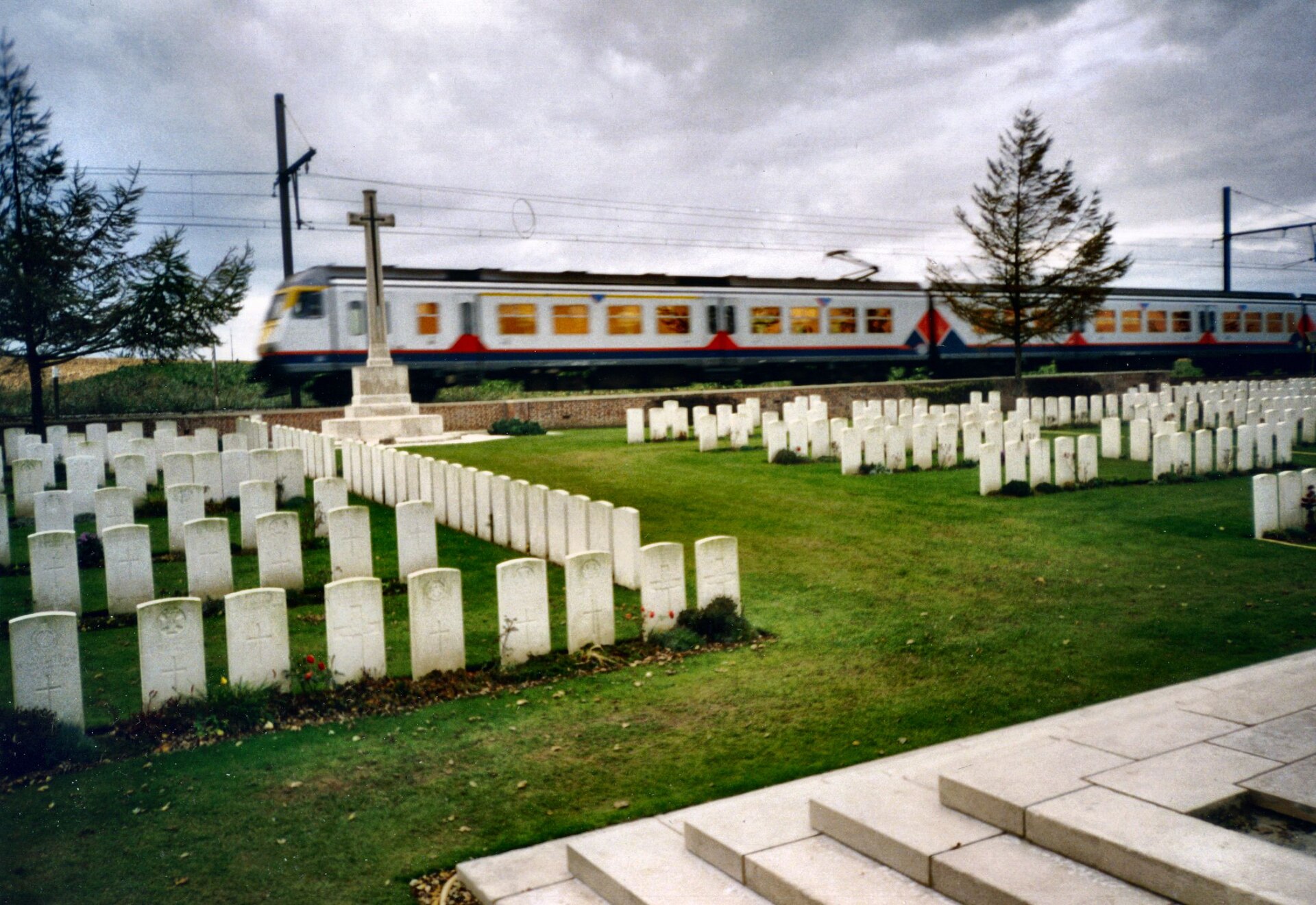
Visitors will find the familiar white CWGC headstones set within the grounds of an otherwise ordinary rural parish cemetery. The proximity of the church and the everyday life of the local community stands in quiet contrast to the history recorded on the headstones — a combination that gives the site a different atmosphere from the large, monumental war cemeteries found elsewhere in the region. For those following the remembrance trail around Ypres, it offers a glimpse of how the earliest, improvised forms of commemoration looked, before the large, carefully planned cemeteries were built later in and after the war.
Frequently asked questions
How many graves are in the Commonwealth Plot at Zillebeke? The plot holds 32 Commonwealth burials and commemorations from the First World War, including six unidentified graves.
Why is it called "The Aristocrats' Cemetery"? Because of the number of officers from aristocratic British families, many serving in elite guards regiments, buried in this section.
Who designed this part of the cemetery? The Commonwealth Plot was designed by architect W. H. Cowlishaw.
Is this a standalone war cemetery? No — it is a dedicated section within the ordinary parish churchyard of Zillebeke, maintained by the Commonwealth War Graves Commission.
Nearby places

Earn badges for the places you visit
Download NextOnTrip, discover new places and check off your trails.