About this place
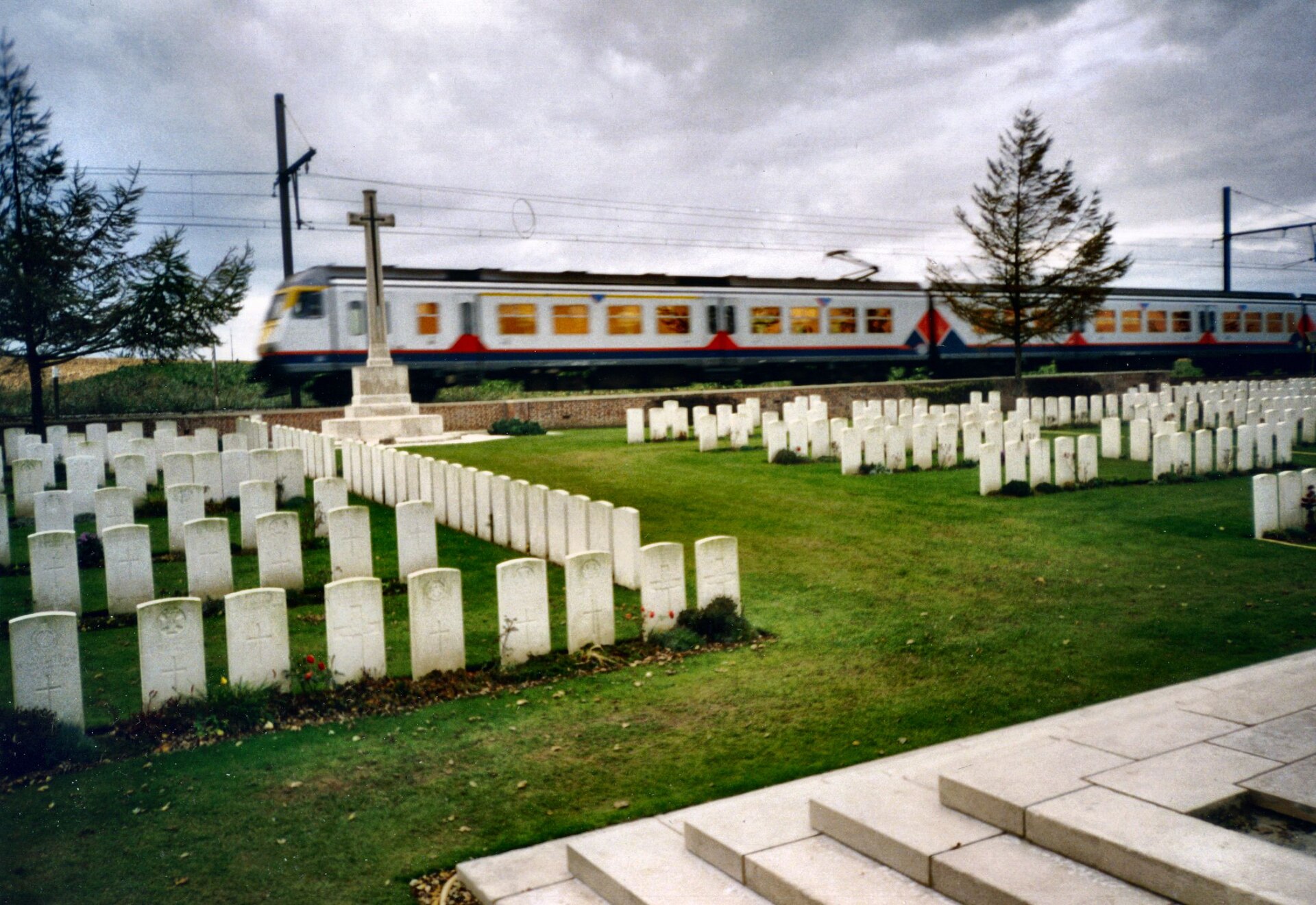
Blauwepoort Farm Cemetery is a small First World War burial ground located roughly 3 kilometres south-east of the centre of Ypres, on a single-track road branching off the Komenseweg, the road connecting Ypres to the village of Komen. It is one of dozens of compact cemeteries scattered across the former Ypres Salient, the stretch of front line where some of the deadliest fighting of the Western Front took place over four years of war.
How did this cemetery begin?
The site's history goes back to November 1914, when the first burials were made by a French battalion of Chasseurs Alpins, elite mountain infantry. After the Armistice in 1918, the French graves were exhumed and moved elsewhere, leaving behind the graves of Commonwealth soldiers. The cemetery was then used by British units between February 1915 and February 1916, a period when this part of Flanders saw particularly intense fighting.
Who is buried here?
Every burial in Blauwepoort Farm Cemetery is connected to the fighting for Hill 60 — an artificial rise made of spoil excavated during construction of a nearby railway line, which became a fiercely contested position because of its strategic elevation. The hill saw brutal infantry assaults, underground mine warfare, and gas attacks. The cemetery holds 82 identified First World War casualties, all men killed in this localized but exceptionally intense struggle over less than a year of active use.
Who designed the cemetery?
The layout and architecture of Blauwepoort Farm Cemetery were designed by W. H. Cowlishaw, one of the architects who worked with the Commonwealth War Graves Commission on the construction of war cemeteries across Belgium and France after the First World War. Like most sites of this kind, it follows a simple, restrained design: rows of uniform white headstones set within mown lawn and light planting, with no elaborate ornamentation, reflecting the Commission's principle of equal treatment for every fallen soldier regardless of rank.
What is the legal status of the site?
The cemetery grounds were granted to the United Kingdom in perpetuity by King Albert I of Belgium, in recognition of the sacrifices made by the British Empire in the defence and liberation of Belgium during the war. This gesture, repeated across many similar sites in the region, reflects Belgium's lasting gratitude toward its wartime allies and explains why these small enclosures — technically British territory — still sit today among Belgian farmland and country lanes.
Frequently asked questions
Where exactly is Blauwepoort Farm Cemetery located? It lies about 3 km south-east of Ypres, on a side road off the Komenseweg (N336) toward Komen, near the village of Zillebeke.
How many people are buried here? The cemetery contains 82 identified graves of British soldiers who died between 1915 and 1916.
What battle are these burials connected to? All the graves relate to the fighting for Hill 60, a strategically important rise within the Ypres Salient and the scene of some of the fiercest close combat in the sector.
Was the cemetery used by other forces before the British? Yes — the first graves were dug in 1914 by a French battalion of Chasseurs Alpins, though these burials were later exhumed and relocated after the war.
Is the cemetery open to visitors? Yes, like most CWGC cemeteries in the Ypres area, it is open to the public year-round and requires no advance booking.
Nearby places

Earn badges for the places you visit
Download NextOnTrip, discover new places and check off your trails.