About this place
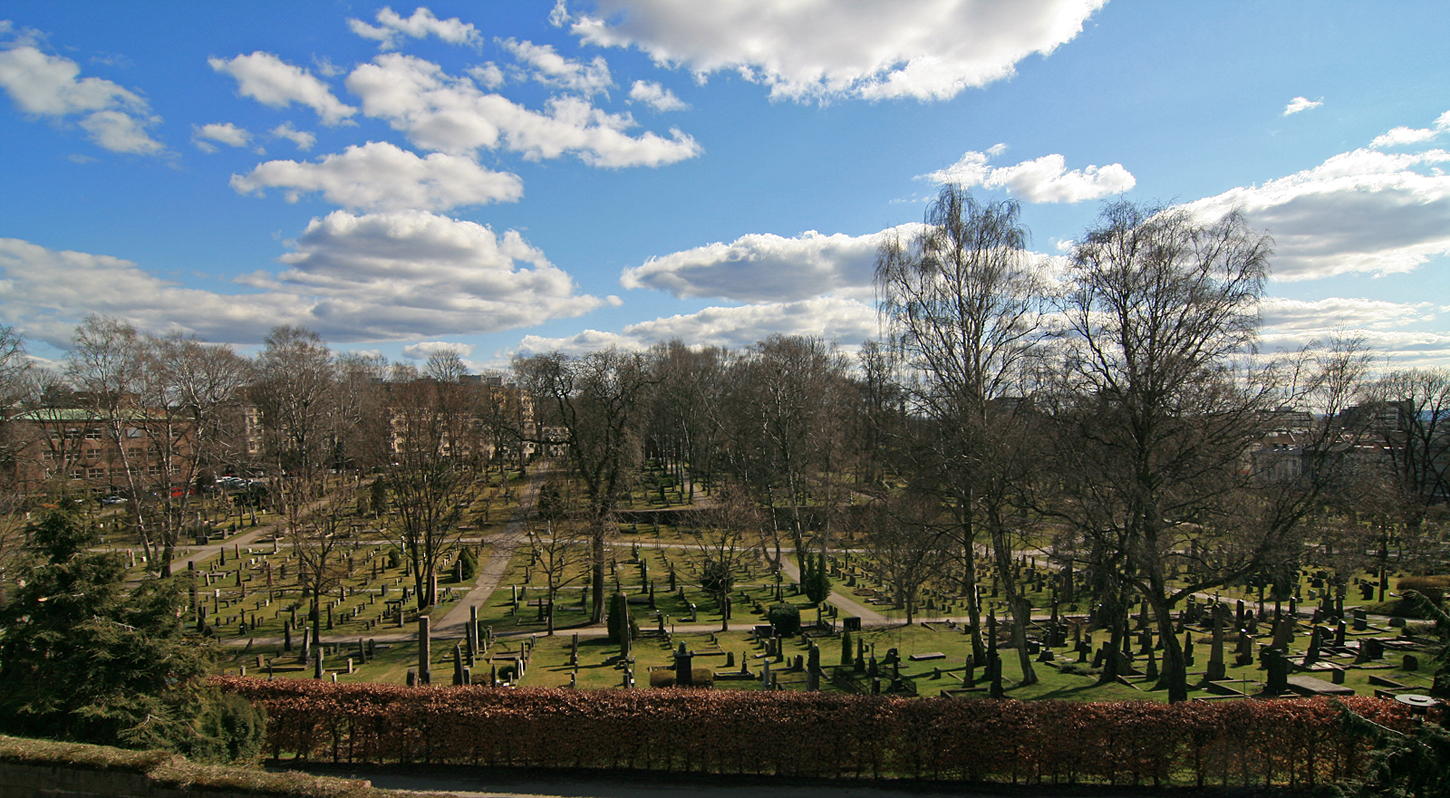
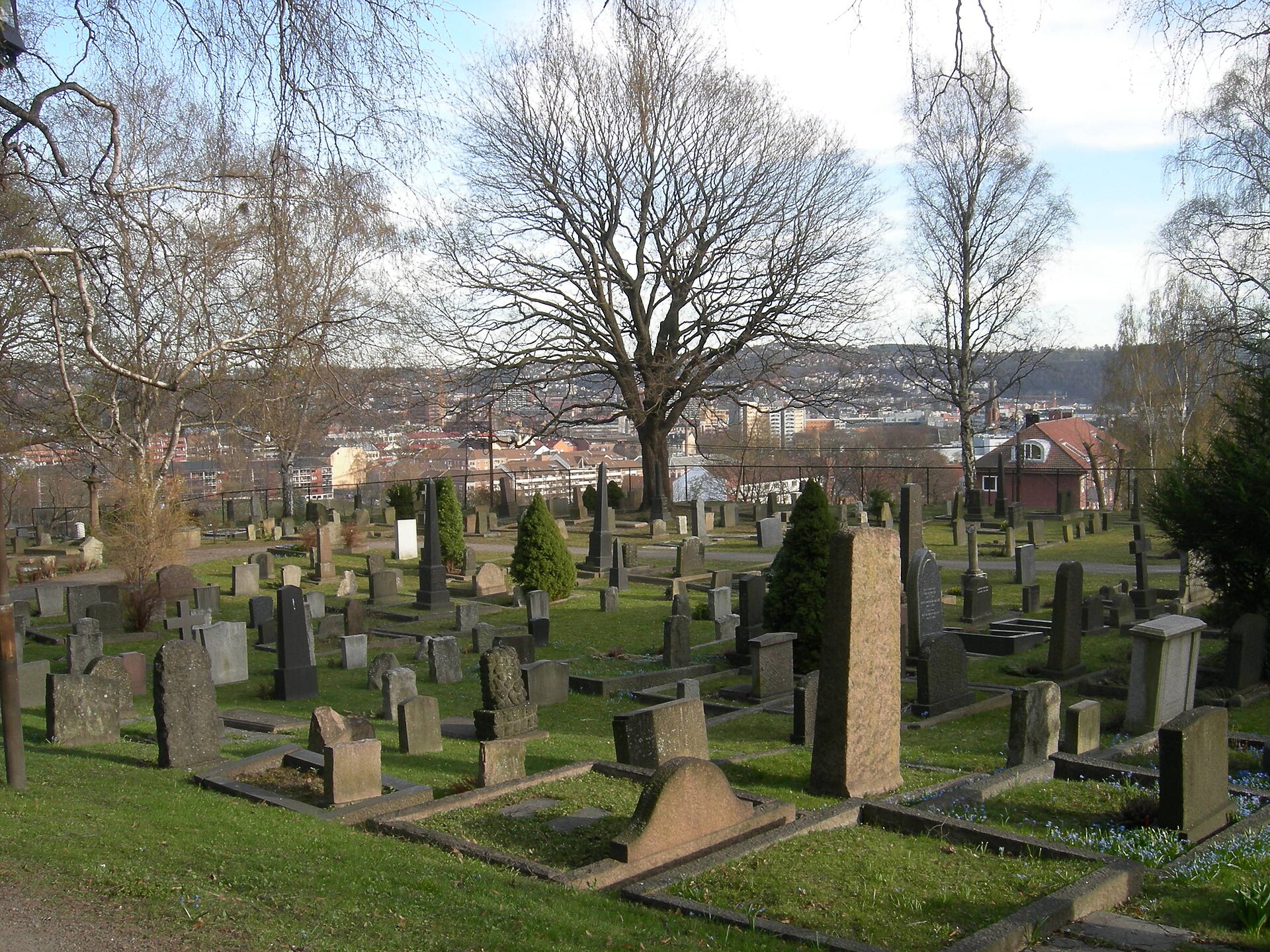
Vestre gravlund (Western Cemetery) is the largest cemetery in Norway, located in the Frogner borough of Oslo. It covers about 60 acres (0.24 km²) next to Borgen metro station and behind Vigeland Park. For visitors it is both a quiet place to walk and an important site of remembrance for the Second World War.
How do I get to Vestre gravlund and how big is it?
The easiest way is the metro to Borgen station, right beside the cemetery. The grounds are extensive enough that seeing every section takes a long time, so it helps to choose the areas you want to visit in advance. The cemetery is still in use for burials, so quiet and respectful behaviour is expected.
When did Vestre gravlund open?
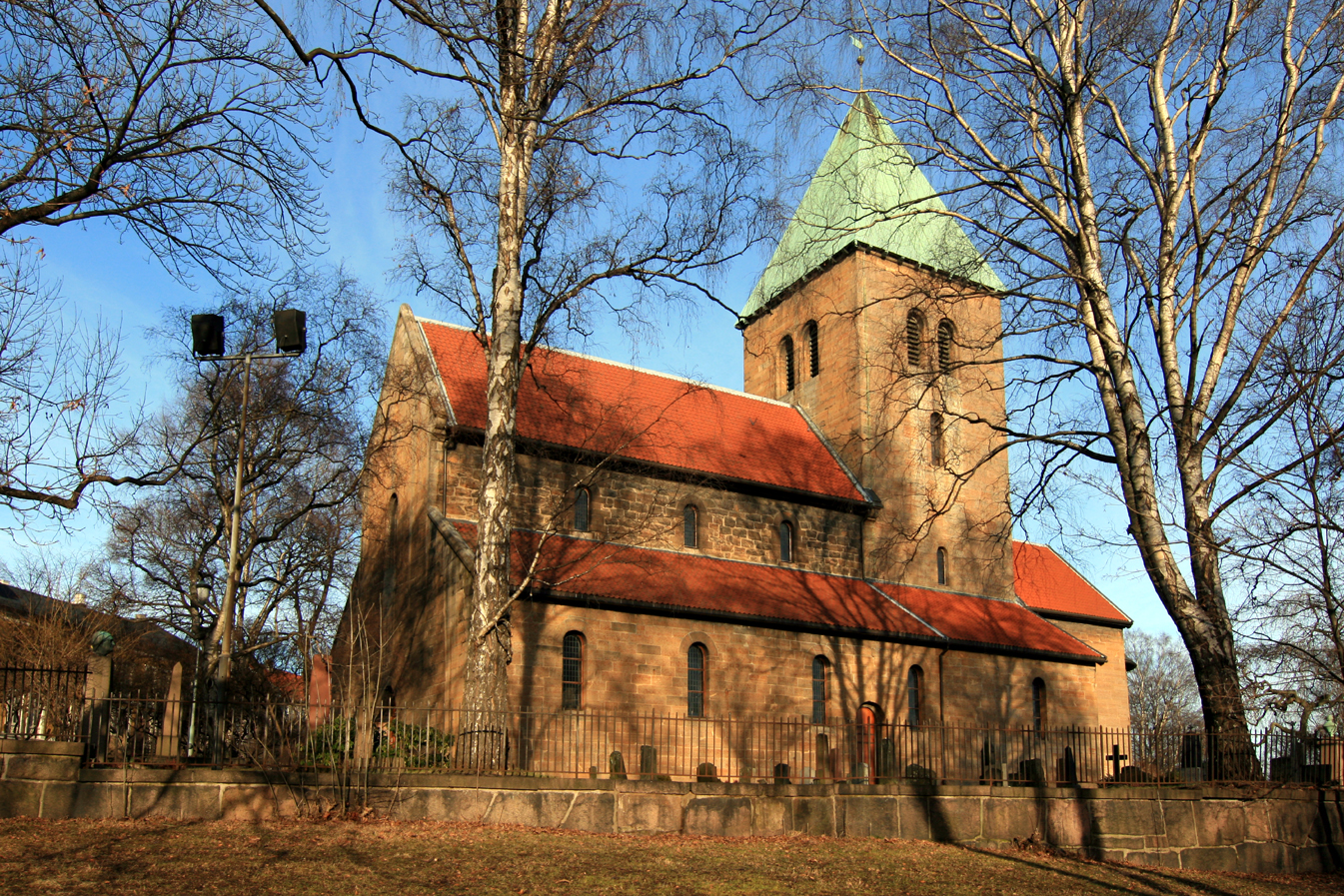
The cemetery was inaugurated in September 1902. It also contains a chapel (Gravkapellet) and a crematorium. The first cremation took place here in 1909. The crematorium closed in 2009, when the Alfaset crematorium took over all cremations in Oslo. The naturally laid out urn graves with stone settings date from 1939.
Who is remembered in the war cemetery?
The most moving part is the war cemetery, where soldiers and civilians from several countries rest. It holds Oslo's largest war memorial, the final resting place of 331 Soviet and 102 British war dead, together with Danish, Yugoslav, Polish, Swedish and Norwegian casualties.
Is there a Polish memorial?
Yes. A separate memorial commemorates 34 Polish citizens who lost their lives in Norway: 10 were pilots killed in action and 24 died in German captivity. For Polish visitors it is one of the key places of remembrance in Oslo.
Who is buried in the resistance section?
In a section near Borgen metro station, several graves relate to the Norwegian resistance movement. Those buried here include Gunnar Sønsteby, Arvid Storsveen and Martin Linge. Arne Christiansen, the first Norwegian to fall in international military operations after the Second World War (Korea, 1952), is also buried here.
What is the link to the White Buses?
In the Dutch section lie some of the people freed from concentration camps through Folke Bernadotte's White Buses operation who died during transport. Their graves recall the fate of prisoners in the last months of the war.
The children's memorial grove
A newer place within the cemetery is the children's memorial grove. It opened in autumn 2016, and the first coffin was laid there in 2017.
Frequently asked questions
Is Vestre gravlund the largest cemetery in Norway? Yes. At around 60 acres (0.24 km²) it is the largest in the country.
Does the crematorium still operate? No. It closed in 2009, and Oslo's cremations are handled by the Alfaset crematorium.
Which stop is nearest? Borgen metro station, right next to the cemetery.
Can I visit? Yes, but it is an active burial ground. Keep quiet, stay off the graves and be considerate of mourners.
Are resistance figures buried here? Yes, including Gunnar Sønsteby, Arvid Storsveen and Martin Linge.
Nearby places

Earn badges for the places you visit
Download NextOnTrip, discover new places and check off your trails.