About this place
Verraco del puente is a stone animal figure standing at the entrance to the Roman bridge in Salamanca, and it is the oldest monument in the city. Many visitors walk past it on their way onto the bridge without realizing they're looking at a statue older than the Roman crossing itself.
What exactly is a verraco?
A verraco is a type of stone animal sculpture associated with the Vettones, a Celtic people who once inhabited what is now western Spain and whose economy was largely pastoral. The Spanish word "verraco" literally means boar, but the Salamanca figure is also popularly known as "the bull" (toro), and it appears as a bull on the city's coat of arms. The statue is generally believed to date from the reign of Emperor Augustus, around the turn of the 1st century BC, though this dating isn't universally settled — Vettone stone-carving traditions in the region predate that period as well.
How big is the statue?
The stone figure measures 2.10 meters in length, 1.57 meters in height, and 0.70 meters in width. Its head is damaged and the body was once split into two pieces, which have since been rejoined so the figure can be viewed intact today.
Why was it thrown into the river?
The statue's history has not been peaceful. On 10 October 1834, the politician José María Cambronero ordered it thrown into the Tormes river, believing it had been erected on the orders of Charles I of Spain in connection with the Comunidades revolt — the uprising of Castilian cities in 1520–1521. That mistaken belief cost the monument nearly a century of absence from the city's streets.
How did it return to the bridge?
After being retrieved from the river, the figure was kept in the Provincial Museum of Salamanca until 1954. It was returned to the bridge to mark the anniversary of the publication of "Lazarillo de Tormes," one of the most important picaresque novels in Spanish literature, whose story begins in Salamanca. Since then, the verraco has stood once again at the bridge entrance, much as it did centuries earlier.
Where can you find it?
The statue stands at the entrance to the Puente Romano (Roman Bridge) in Salamanca, on the side connecting the historic center to the Tormes riverbank. It is one of the most photographed spots along the bridge route, alongside the bridge's characteristic arches and the view of the cathedral.
Frequently Asked Questions
What is a verraco? A verraco is a stone animal sculpture erected by the Vettones, a Celtic pastoral people who once lived in western Spain. The word means boar, though individual figures were sometimes read as bulls or other animals.
Why is Salamanca's verraco also called a bull? Although "verraco" literally means boar, local tradition settled on calling this particular figure "toro" (bull), and it appears in that form on Salamanca's coat of arms.
How old is the statue? It is generally dated to the reign of Emperor Augustus, around the turn of the 1st century BC, which makes it the oldest monument in Salamanca — older even than the Roman bridge itself.
Is the figure original? Yes, though not fully intact — the head is damaged and the body had to be rejoined after decades spent in the Tormes river and in museum storage.
Nearby places
-

Monumento al Lazarillo de Tormes
Salamanka
-
Monumento al Padre Cámara.Aniceto Marinas García. Salamanca
Salamanka
-
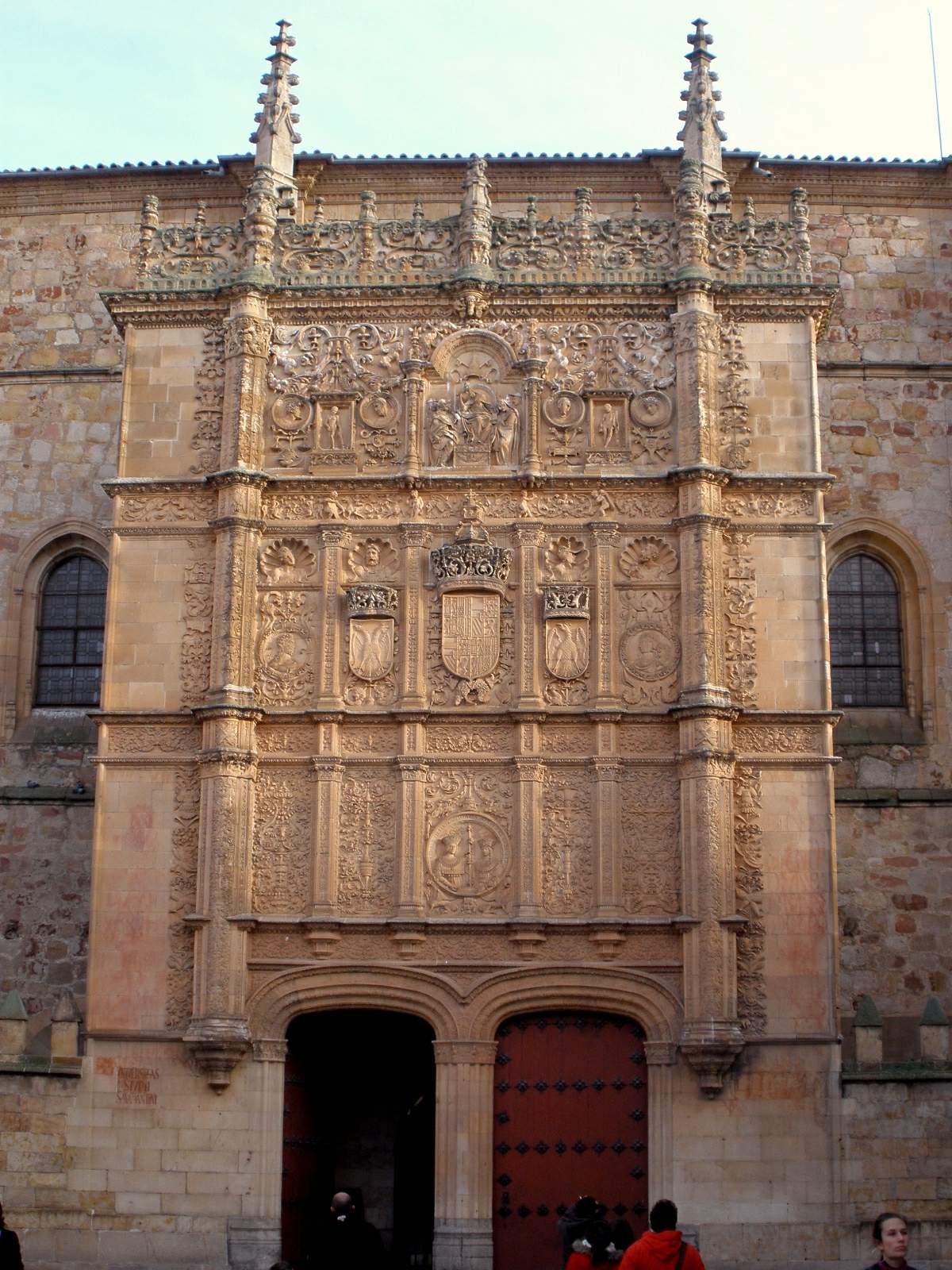
Fachada de la Universidad de Salamanca
Salamanka
-
Monumento a San Juan de la Cruz. Fernando Mayoral. Salamanca
Salamanka
-
Monumento a Francisco de Vitoria
Salamanka
-
Palacio de Orellana
Salamanka
Earn badges for the places you visit
Download NextOnTrip, discover new places and check off your trails.