- City Parks
- Recreation and entertainment
Tournay-Solvay Park
About this place
Tournay-Solvay Park is an almost twenty-hectare green space in Watermael-Boitsfort, one of the municipalities of the Brussels-Capital Region, tucked among trees that once formed part of the Sonian Forest. It's a place where the legacy of the industrial Solvay family meets quiet ponds, meadows and mature woodland, while the ruins of a former mansion hint at the site's eventful past.
Where does the park's name come from?
The name honours the Solvay family, one of the most influential Belgian industrial dynasties of the 19th and 20th centuries. In 1881, Alfred Solvay, brother and business partner of the industrialist Ernest Solvay, built a country house on a rise known as the Vijverberg. Architects Constant Bosmans and Henri Vandeveld designed the building in a Flemish neo-Renaissance style, alternating white stone and red brick.
How did the park grow over time?
After Alfred's death, his widow Marie Masson expanded the estate, extending it from 1894 onward toward the chaussée de la Hulpe. In the early 20th century, King Leopold II bought the surrounding ponds and part of the adjoining land to protect this stretch of landscape from development linked to the opening of the boulevard du Souverain and the new districts spreading with Brussels' growth. The park's present character dates largely from 1911, when landscape architect Jules Buyssens redesigned it in the informal, picturesque style typical of English-style parks, with winding paths and views that unfold gradually as visitors walk through.
What happened to the old mansion?
The Brussels-Capital Region purchased the park in 1980 and opened it to the public the following year. In 1984, however, a fire destroyed the former Solvay family château; only ruins remain today, now woven into the park's scenery as a reminder of its turbulent history.
What can visitors see in the park today?
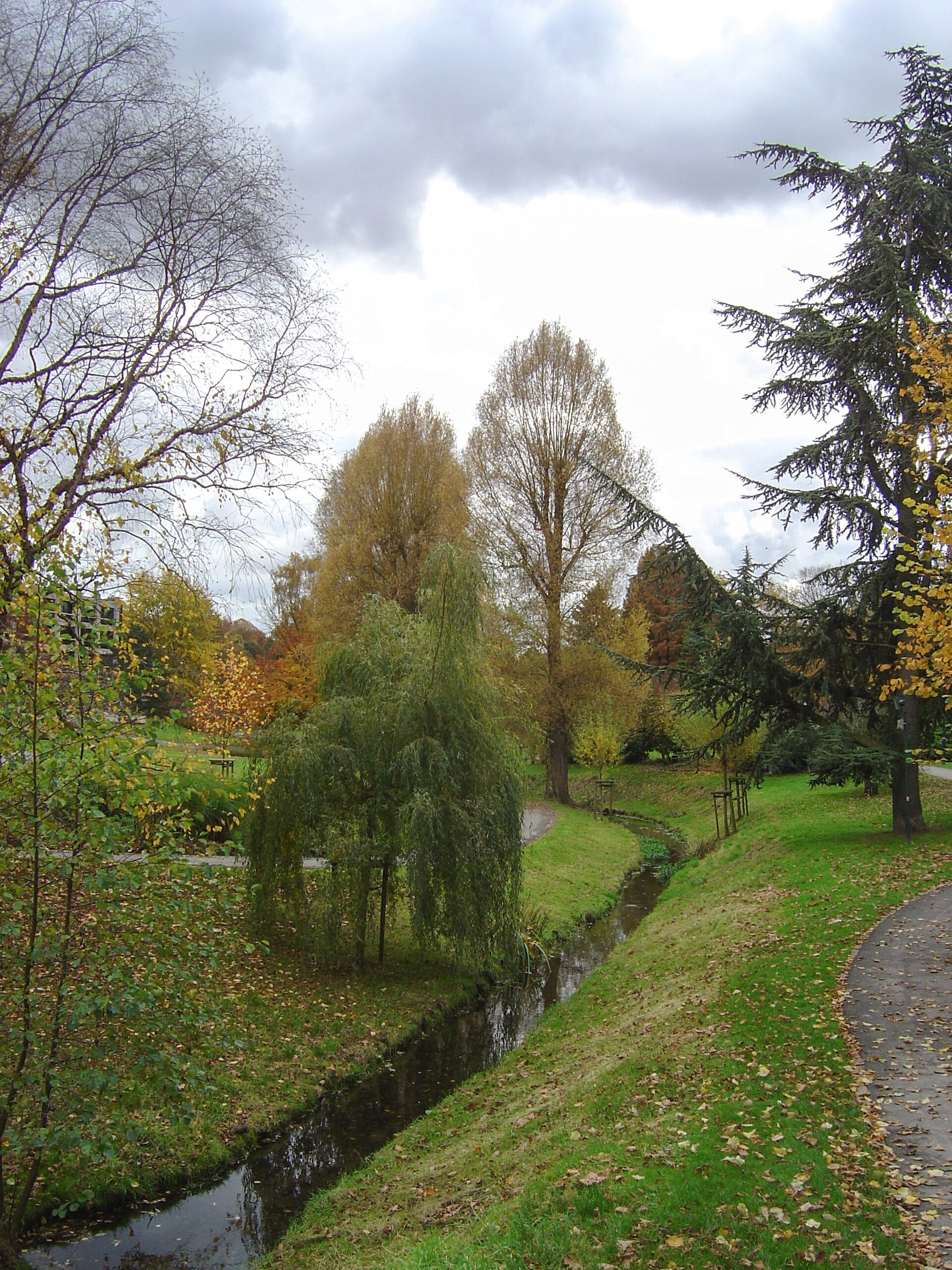
The grounds include several ponds fed by natural springs and by the Woluwe river flowing in from the nearby Sonian Forest, among them the Mill and Hermit ponds belonging to the Royal Donation. Walkers can admire tall beech trees over a century old, remnants of the original forest, alongside exotic species planted when the park was laid out, such as a Byzantine hazel, a hemlock and a cedar of Lebanon. The park also hosts a European sculpture centre based in the Villa Blanche and the Regional Centre for Environmental Education (CRIE). Along one of the avenues overlooking the chaussée de la Hulpe stands a replica of an Olmec head by Ignacio Pérez Solorzano.
Who is this park for?
Tournay-Solvay combines natural, historical and cultural appeal, drawing both visitors who enjoy walking among old trees and still water and those interested in contemporary art or Brussels' industrial history. Its proximity to Boitsfort railway station makes it an easy destination without a car.
Frequently asked questions
Is entry to the park free? Yes, the park is open to the public and can be visited daily during its set opening hours.
Are there still traces of the former mansion? Yes, the 1984 fire left ruins of the Solvay family château, which remain visible within the park grounds.
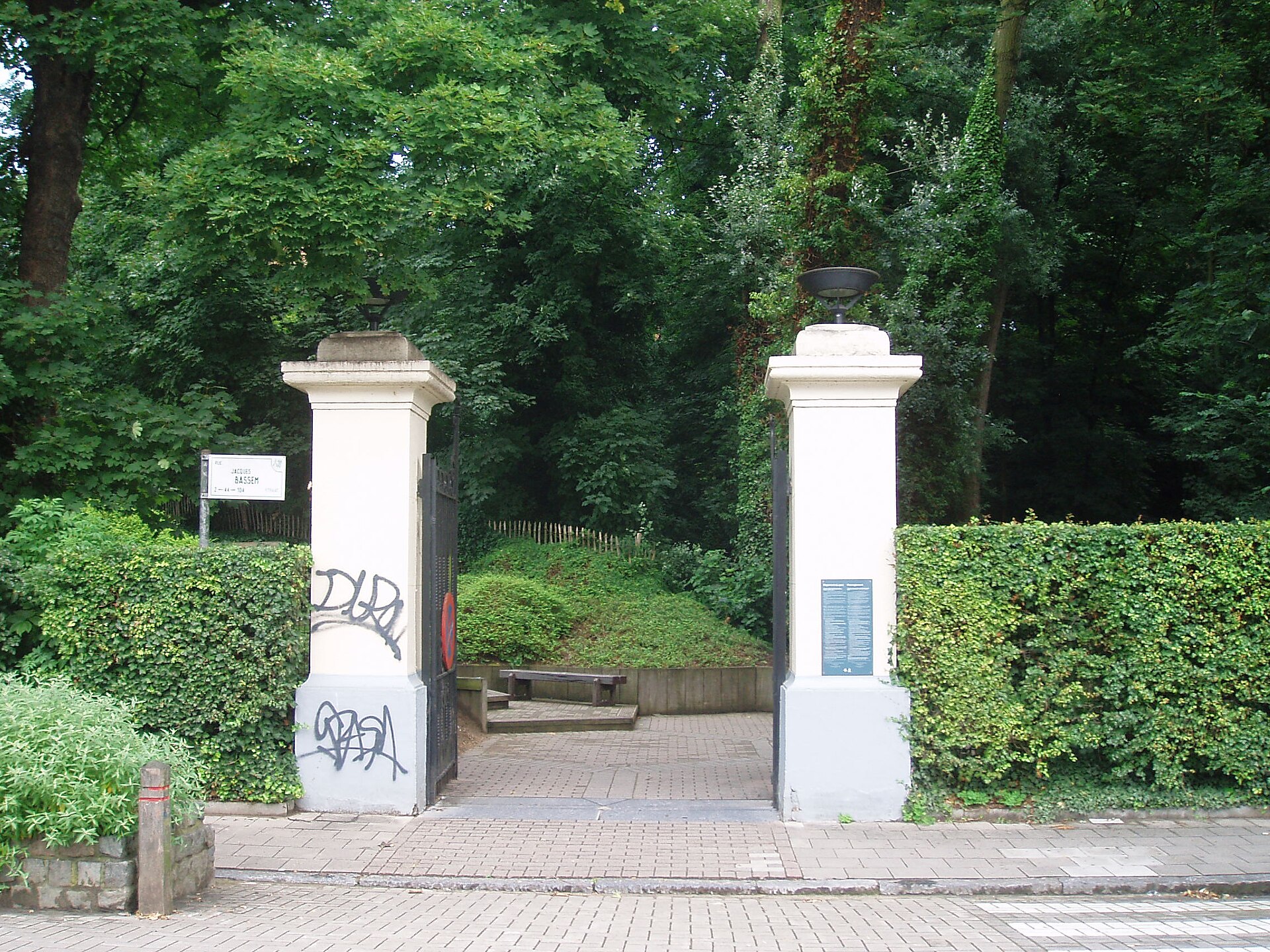
How do you get to the park? The easiest way is via Boitsfort railway station, with the main entrance reached from the chaussée de la Hulpe.
Nearby places

Earn badges for the places you visit
Download NextOnTrip, discover new places and check off your trails.