About this place
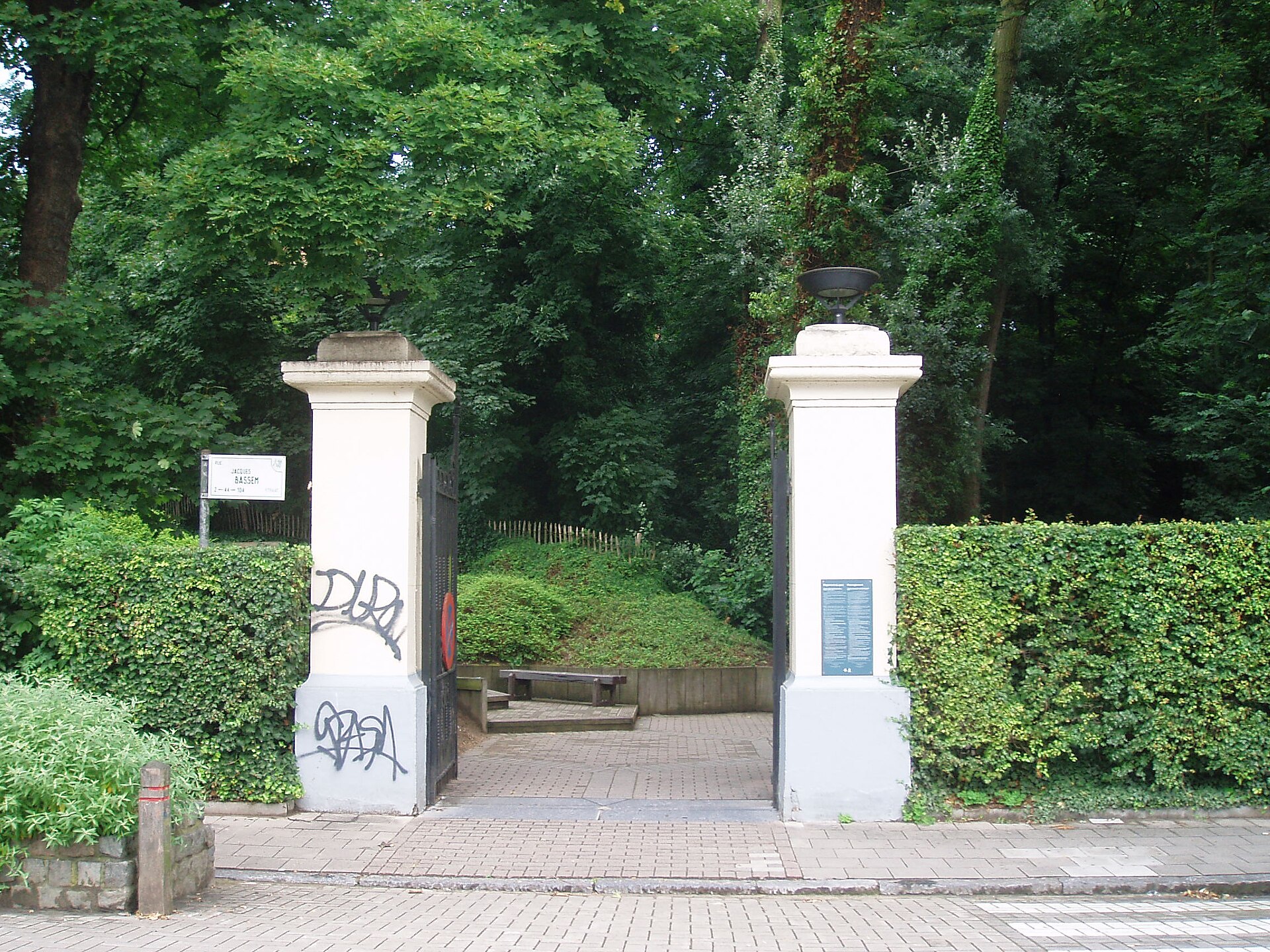
Tervuren Park is a sprawling landscape park in the town of Tervuren, roughly 15 kilometres east of central Brussels, in the Flemish Region of Belgium. Covering more than 200 hectares, it ranks among the best-known green spaces around the Belgian capital, drawing both local residents and visitors looking for a quiet escape from city life.
Where does the park come from?
The land now occupied by the park served for centuries as hunting grounds for the Dukes of Brabant. That aristocratic origin left the area with substantial stretches of mature woodland and a naturally shaped terrain, rather than the geometric layout typical of formal urban parks. Over time the grounds shifted from private ducal property into a grand public space, gradually opened up to residents and visitors alike.
What can you find inside the park?
A defining feature of the landscape is a chain of ponds running through the central section of the park, forming a visual axis around which the surrounding paths and lawns are arranged. Two neoclassical buildings stand within the grounds, giving the site an unusually monumental character for a park: the Africa Palace and the building housing the Royal Museum for Central Africa, now known as the AfricaMuseum. Their presence is tied directly to Belgium's colonial history in Congo — both structures trace back to the Colonial Section of the 1897 Brussels International Exposition, which King Leopold II had relocated to Tervuren. The museum was formally inaugurated by King Albert I in 1910.
Why visit?
For most visitors, the park is first and foremost a place to unwind — long tree-lined paths, open meadows and pond views make it well suited to walking, jogging or family cycling trips. Its proximity to the museum, however, means a visit to the park pairs naturally with exploring exhibitions dedicated to the history of Central Africa, including Belgium's difficult colonial legacy. Following a major renovation of the museum building completed in 2018, the exhibitions were reworked to present a more balanced account of the shared history between Belgium and Central African countries, incorporating the darker sides of colonialism that had previously been downplayed or left out altogether.
The park therefore serves a dual purpose: it is both a green retreat just outside Brussels and, in a sense, an entry point into reflecting on Belgium's complex historical relationship with Africa. A walk through its avenues carries visitors almost seamlessly from the pastoral scenery of former hunting grounds to the monumental architecture associated with the colonial era, making this a rare combination of nature and history in a single location.
Frequently asked questions
How large is Tervuren Park? The park covers more than 200 hectares, making it one of the larger green spaces in the Brussels area.
What else is there besides greenery? The grounds include two neoclassical buildings — the Africa Palace and the AfricaMuseum (Royal Museum for Central Africa) — along with a chain of ponds running through the park.
What is the history behind this site? The land was formerly hunting grounds for the Dukes of Brabant, and around the turn of the 20th century became linked to Belgium's colonial history in Congo after the colonial section of the 1897 exhibition was moved here.
Is it worth combining a walk with a museum visit? Yes — the AfricaMuseum's location right next to the park makes it easy to pair a stroll with a visit to its exhibitions on Central African history and its ties to Belgium.
Nearby places

Earn badges for the places you visit
Download NextOnTrip, discover new places and check off your trails.