About this place
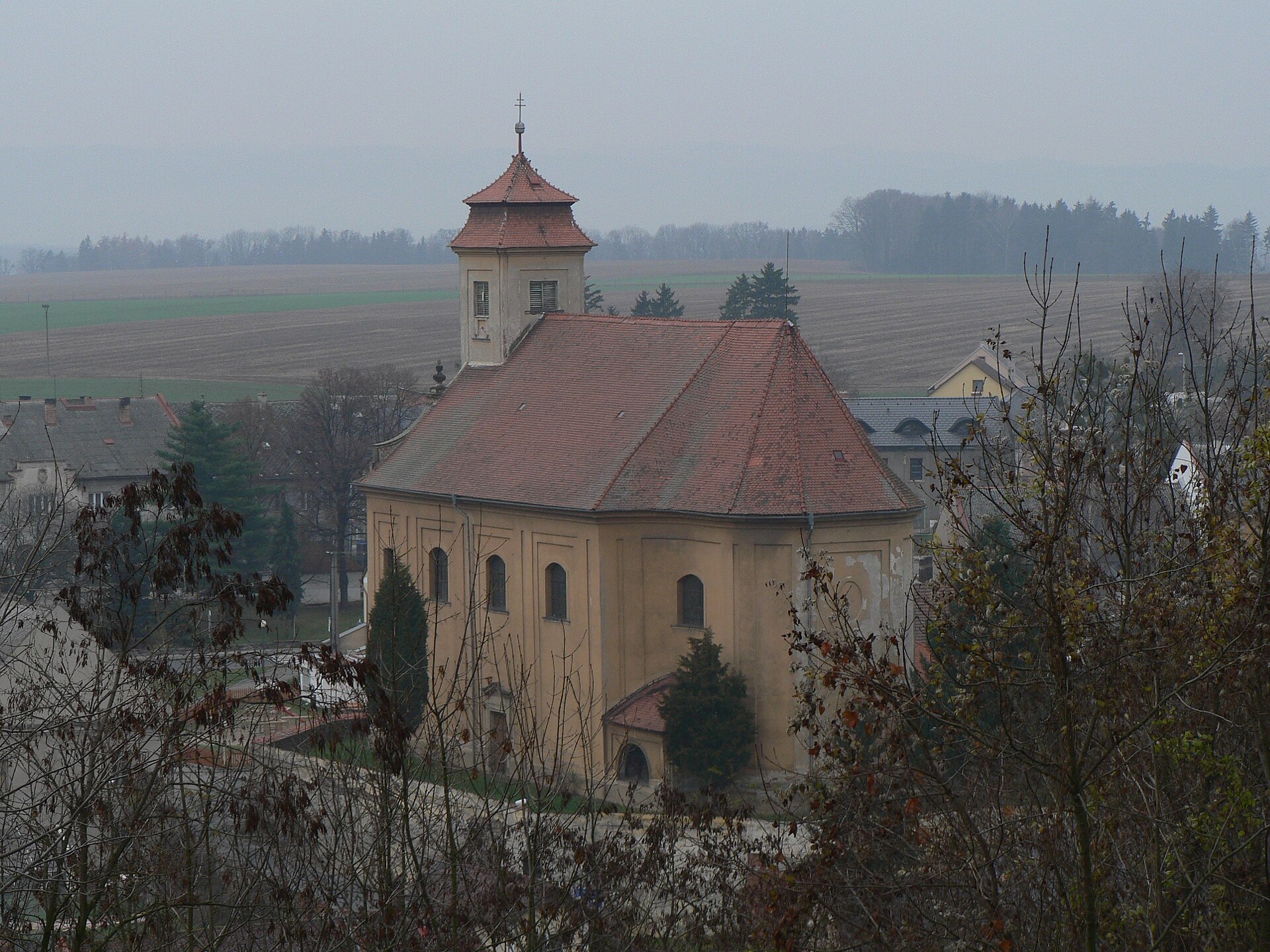
The Synagogue in Loštice is one of the best-preserved pieces of Jewish heritage in Moravia, now serving as a museum dedicated to the history of the town's former Jewish community. Located in the small town of Loštice near Šumperk, it has drawn visitors interested in religious architecture and 20th-century history since its restoration was completed in the 2010s.
When did a Jewish community first settle in Loštice?
The earliest record of Jewish settlement in Loštice dates back to 1544. The community's arrival was likely connected to expulsions of Jews from Moravian royal towns around that time, which pushed Jewish families toward smaller settlements offering more tolerant conditions. By 1581, the community was established enough to set up its own religious organization, and a first wooden synagogue was built alongside it.
How did the synagogue building change over time?
That original wooden structure has not survived — timber synagogues of the era were highly vulnerable to fire and decay. In 1727, the Jewish quarter was relocated to the western edge of town, to the area now covered by Žádlovická, Ztracená, and Palackého streets. That same year, a brick synagogue was built on Ztracená Street. The building visible today owes its current classicist appearance to a reconstruction carried out in 1805–1806.
What happened to the synagogue during World War II?
The fate of Loštice's Jewish community in the 20th century was devastating. Of the 59 Jewish residents deported to concentration camps in 1942, only three returned to the town in May 1945. During the Nazi occupation, the synagogue itself was looted and subsequently repurposed as a storage facility for confiscated Jewish property. After the war, before 1950, the building was purchased by the town and used successively as a warehouse, a music school, and a pottery museum — functions unrelated to its original purpose, but ones that ensured its physical survival.
How was the synagogue restored?
A turning point came in 2006, when the town of Loštice, together with the civic association Respekt a tolerance, launched a comprehensive reconstruction of the building. The main restoration work was completed in 2014. Even before that, in 2011, a permanent museum exhibition documenting the history of Jewish communities in the region opened inside the building. The restoration gave the synagogue back its dignified appearance while turning it into an educational site covering both its architecture and the history of the local Jewish community before and during the Holocaust.
What can visitors see inside today?
The interior now houses an exhibition documenting the everyday life, religious customs, and history of the Jewish residents of Loštice and the surrounding region. Visitors can follow the community's story from the 16th century through to the tragic events of the 1940s, gaining insight into both the local history and the broader tragedy of Moravian Jewry during the Holocaust.
Frequently asked questions
Can the synagogue be visited? Yes, the building now functions as a museum and is open to visitors, who can see a permanent exhibition on the history of the local Jewish community.
How old is the current synagogue building? The brick structure dates from 1727, with its present classicist appearance resulting from a reconstruction completed in 1805–1806.
Why did the synagogue need restoration? After the war the building spent decades serving unrelated purposes — as a warehouse, a music school, and a pottery museum — which left it in poor condition, prompting a comprehensive restoration that began in 2006.
Who manages the synagogue today? The restoration and its ongoing educational programs are run by the town of Loštice in cooperation with the association Respekt a tolerance.
Nearby places

Earn badges for the places you visit
Download NextOnTrip, discover new places and check off your trails.