About this place
San Andrés Cemetery is a modest, historically significant burial ground on the edge of the fishing village of San Andrés, just outside Santa Cruz de Tenerife. It sits in a raw volcanic landscape between the San Roque hill and Traslarena beach, near the Las Huertas ravine — a setting that leaves an impression well before you reach the gate.
Why did San Andrés need a cemetery in the first place?
San Andrés is one of the oldest settlements on the Canary Islands, founded in the late 15th century after Lope de Salazar received the surrounding lands following the Spanish conquest of Tenerife in 1497. For centuries afterward, the dead were buried inside the local church in keeping with Christian custom — a practice tied to the chapel dedicated to Saint Andrew and Saint Lucy that had stood in the valley since the area's earliest years, with the settlement formally becoming a parish in 1747.
That changed for public-health reasons. King Carlos IV ordered the creation of civil cemeteries in open, well-ventilated locations away from churches, aiming to stop worshippers from being exposed to the effects of bodies decomposing so close to where they gathered. Following that royal order, the Santa Cruz council petitioned the Provincial Delegation in 1814 for permission to build a civil cemetery in San Andrés. Construction went ahead in 1828, right behind the parish church — the site is now occupied by Manuel Cruz Martín square.
Why was a second, newer cemetery built?
The first cemetery didn't stay adequate for long. In December 1893, a cholera epidemic struck San Andrés hard enough to kill forty residents, and the existing burial ground had no room left to accommodate them. A new cemetery had to be built further from the village center, on the stretch of land between San Roque hill and Traslarena beach, close to the Las Huertas ravine. This second cemetery — built in the shadow of an epidemic — is the one still standing today, sometimes referred to as the Traslarena cemetery.
What is its condition today?
Given its historical and ethnographic value, the cemetery has been granted heritage protection by the Santa Cruz de Tenerife city council and included in the city's Catalog of Built Ethnographic Heritage. For decades it fell into neglect, but it has recently undergone a full restoration carried out by the Canary Islands government — a response to years of advocacy from the local community pushing to restore the site's historical and symbolic standing.
Why is it worth a visit?
San Andrés Cemetery isn't a conventional must-see attraction; it's a stop for visitors curious about the history of one of Tenerife's oldest villages and how a 19th-century epidemic reshaped the coastline of a small fishing community. The stark volcanic setting between the hill and the beach, the proximity of the ravine, and the quiet of the grounds create an atmosphere quite different from the touristic stretches of the coast nearby.
Frequently asked questions
When was San Andrés Cemetery built? The cemetery standing today, located between San Roque hill and Traslarena beach, was built in 1893 in response to a cholera outbreak. An earlier civil cemetery had already been built closer to the village center in 1828.
Why was a new cemetery built in 1893? A cholera epidemic killed forty residents of San Andrés, and the existing cemetery lacked the capacity to handle that many burials in such a short time.
Is the cemetery a protected site? Yes. The Santa Cruz de Tenerife city council has listed it in the city's catalog of ethnographic heritage, and it has undergone restoration work in recent years.
Nearby places
-

Iglesia de San Pedro Apóstol
Santa Cruz na Teneryfie
-
La Iglesia de Nuestra Señora del Pilar
Santa Cruz na Teneryfie
-
Iglesia de la Concepción
Santa Cruz na Teneryfie
-
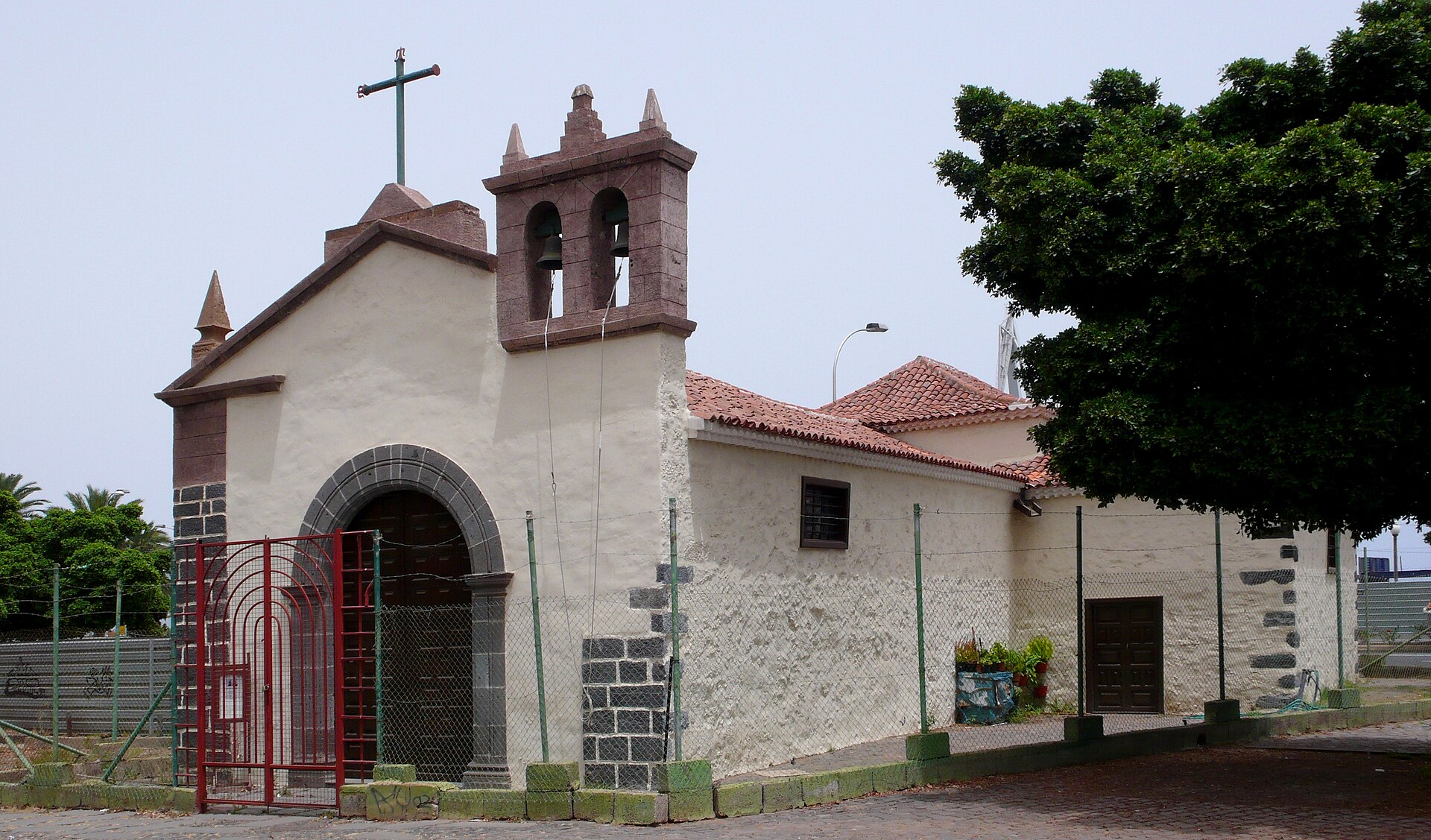
Capilla de San Telmo Santa Cruz de Tenerife
Santa Cruz na Teneryfie
-
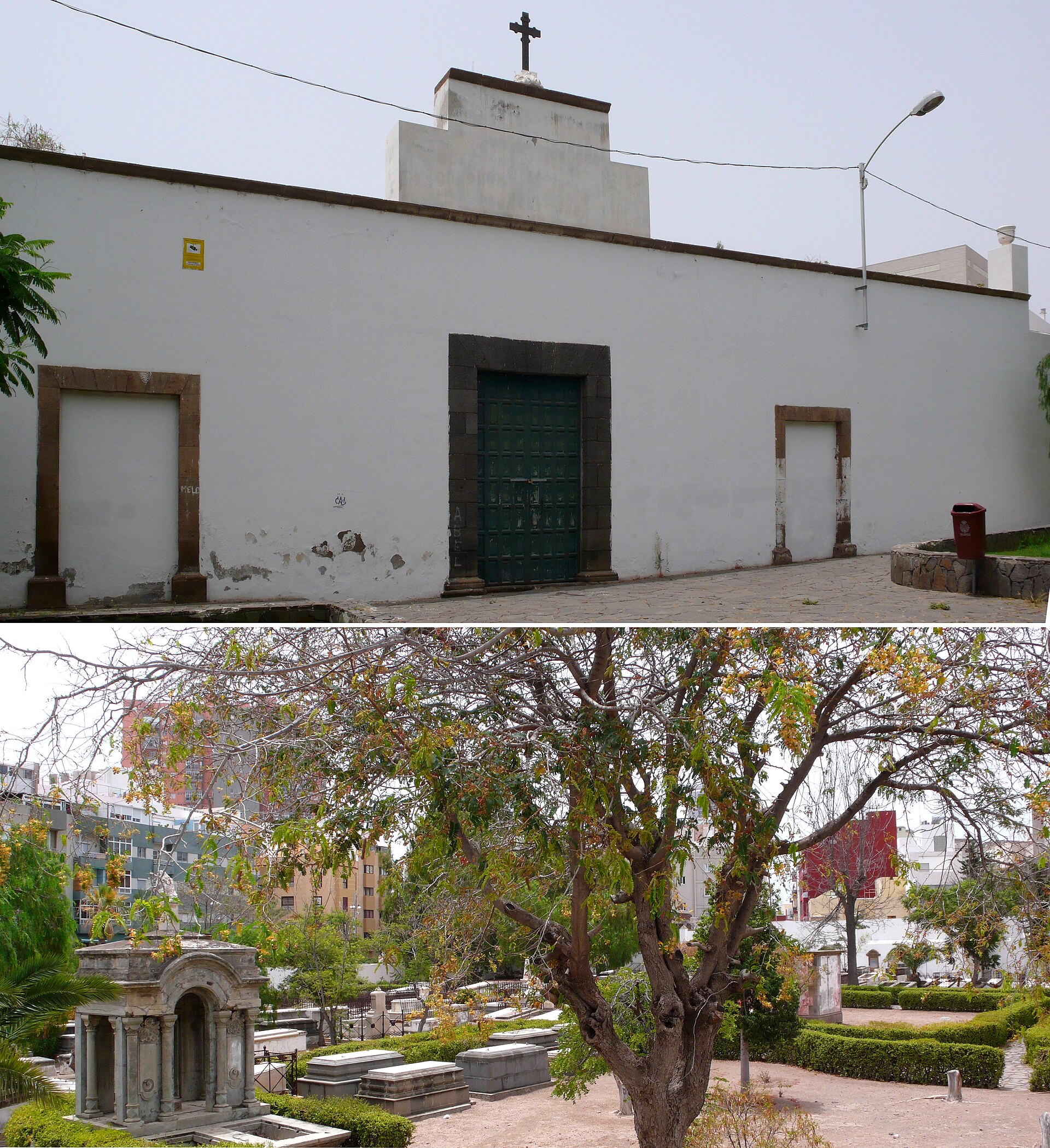
Cemetery of San Rafael y San Roque
Santa Cruz na Teneryfie
-
Parroquia de María Auxiliadora
Santa Cruz na Teneryfie
Earn badges for the places you visit
Download NextOnTrip, discover new places and check off your trails.