About this place
La Iglesia de Nuestra Señora del Pilar is an 18th-century parish church standing in the historic center of Santa Cruz de Tenerife, one of the few religious landmarks in the city that has survived largely unchanged since it was built. Located along one of the oldest streets of Tenerife's capital, it remains an active parish to this day.
Where does the name come from and how was it built?
The church was commissioned by Juan Francisco Guillén Isso, bishop of the Canary Islands diocese from 1741 to 1751 and a native of Zaragoza. That origin explains the church's dedication: Zaragoza is home to the cult of the Virgen del Pilar, the city's patron saint, and the bishop brought this devotion with him to the islands. In 1742 he brought over his nephew, the priest José Guillén Piró, to oversee the entire project.
The formal blessing of the plot and the laying of the first stone took place on 2 February 1750. Construction itself did not begin until 7 July 1752, and the building was completed on 5 May 1768 — meaning the whole process, from conception to finished church, spanned nearly three decades.
What can you see inside and outside?
The church was designed as a single-nave building with a transept and a main chapel. Two side chapels were added later, expanding the interior with additional liturgical space. Outside, the decorative stonework finishes at the roofline stand out, typical of Canary Island religious architecture of the period.
Inside are two 18th-century carvings of considerable importance to local religious tradition: an image of the Virgen de las Angustias (Our Lady of Sorrows) and a figure of the Virgen del Pilar, the church's patron. Both sculptures date from the same century as the building itself and form part of its original furnishings.
What historic event is tied to this church?
The church played a notable role in one of the defining moments in the history of Santa Cruz de Tenerife. On 29 July 1797, four days after the city repelled a British invasion attempt led by Rear Admiral Horatio Nelson, the town's authorities and residents gathered here for a public assembly. During that meeting, Santa Cruz and the Apostle Santiago (Saint James) were proclaimed co-patrons of the city, and a formal request was sent to the Spanish Crown asking that Santa Cruz be granted the status of an exempt Villa with its own jurisdiction. That event permanently tied the church to the city's historical memory as the place where one of its greatest defensive victories was commemorated.
How do you get there, and when's the best time to visit?
The church sits in the historic center of Santa Cruz de Tenerife, within easy walking distance of the capital's main squares and shopping streets. Given its central location, the easiest ways to reach it are on foot, by city bike, or by local bus (Titsa) — the center has a dense network of connections. It's worth pairing a visit with a walk through the surrounding old-town landmarks.
As a working parish, the church is generally accessible during service hours and morning or evening Mass — it's best to check the current schedule on-site or through parish notices. Visiting outside peak tourist season (autumn, spring) makes it easier to avoid crowds and take in the interior at a relaxed pace.
Frequently asked questions
Why is the church named "del Pilar" if it's in the Canary Islands, not Aragon? The name comes from Bishop Juan Francisco Guillén Isso, who was born in Zaragoza — the city where devotion to the Virgen del Pilar originated. The founder carried that devotion with him to Tenerife.
How long did construction take? Eighteen years passed between the blessing of the plot in 1750 and the church's completion in 1768, although the actual building work only started in 1752.
What happened at the church in 1797? Four days after repelling Nelson's invasion attempt, the residents and authorities of Santa Cruz gathered here to proclaim the city's co-patrons and to petition for Villa status.
Are there any historic carvings inside? Yes — 18th-century figures of the Virgen de las Angustias and the Virgen del Pilar, dating from when the church was originally built.
Nearby places
-

Iglesia de la Concepción
Santa Cruz na Teneryfie
-
Parroquia de María Auxiliadora
Santa Cruz na Teneryfie
-
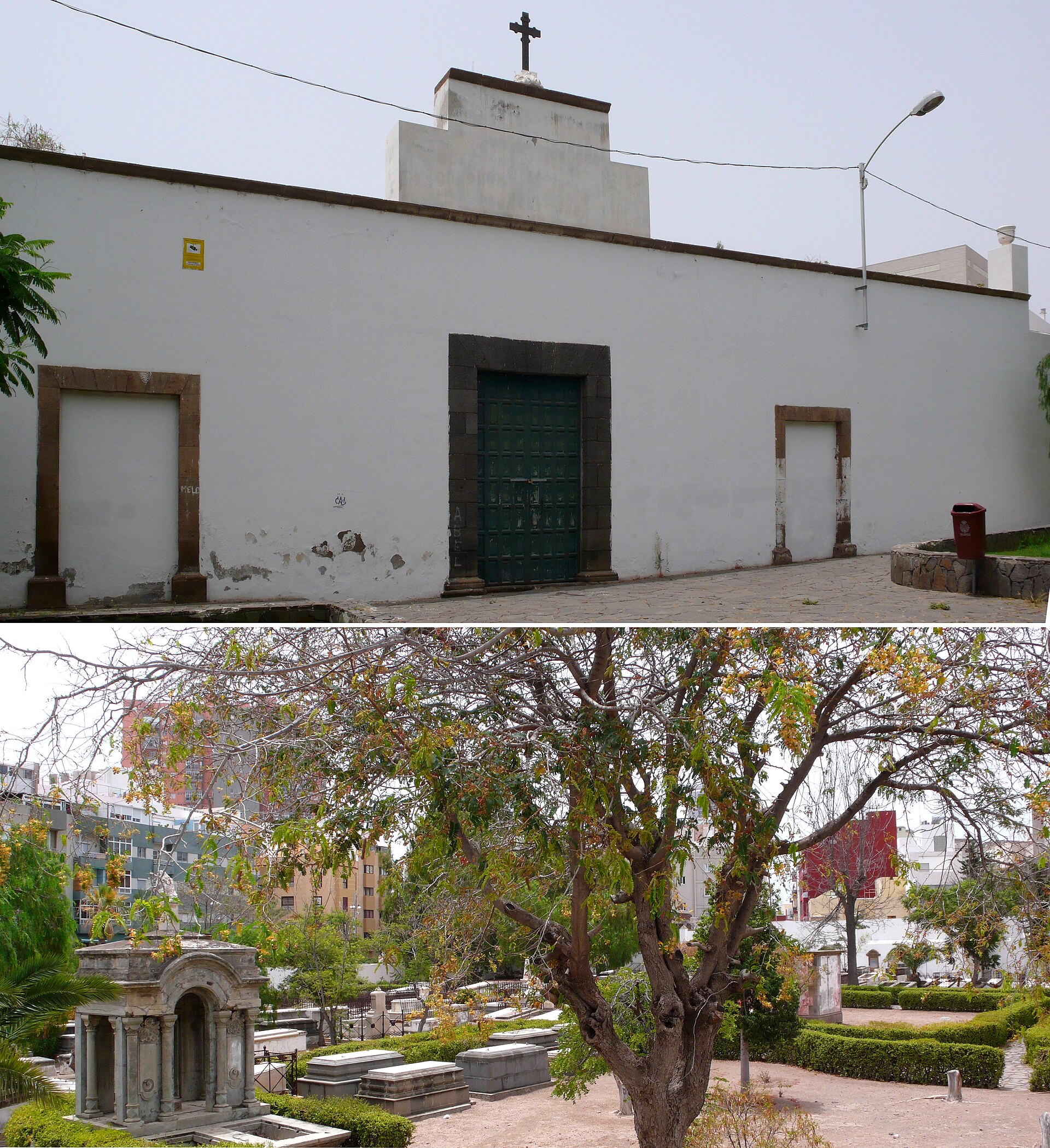
Cemetery of San Rafael y San Roque
Santa Cruz na Teneryfie
-
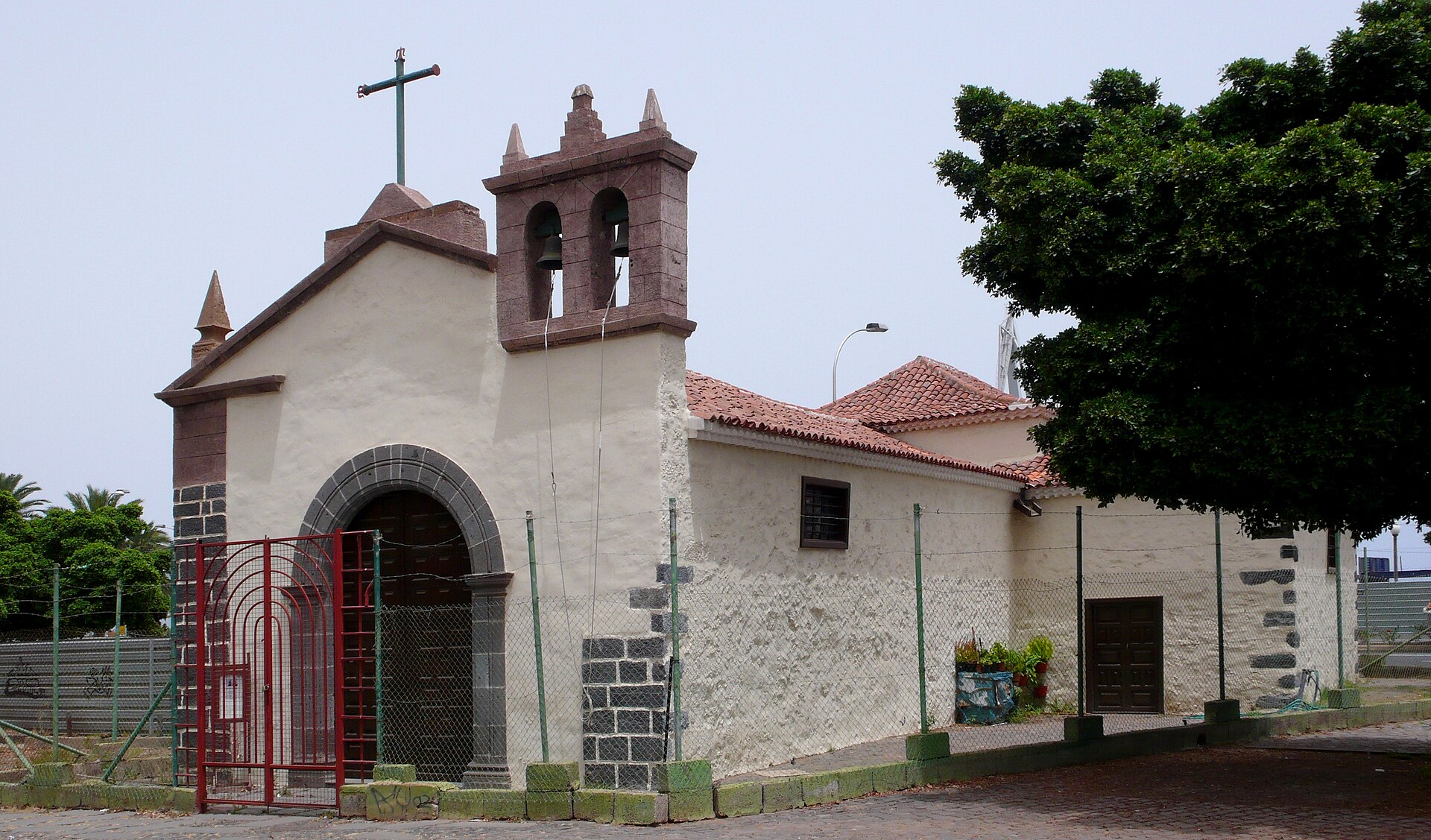
Capilla de San Telmo Santa Cruz de Tenerife
Santa Cruz na Teneryfie
-
Cementerio de Santa Lastenia, Santa Cruz de Tenerife
Santa Cruz na Teneryfie
-
Iglesia de de Nuestra Señora de las Nieves
La Cuesta
Earn badges for the places you visit
Download NextOnTrip, discover new places and check off your trails.