- Sacred Monuments
- Cemeteries
Cementerio de Santa Lastenia, Santa Cruz de Tenerife
About this place
Cementerio de Santa Lastenia is the main municipal cemetery of Santa Cruz de Tenerife, spread across the hills of the Llano Alegre neighborhood in the southwestern part of the city. Far more than a burial ground, it is a place with a distinct architectural and historical identity, overlooking the city and the Atlantic Ocean.
Why was a new cemetery built outside the city center?
By the late 19th century, the older Cementerio de San Rafael y San Roque, located in central Santa Cruz, could no longer keep up with the growing population. Its central location left no room for expansion, and public health concerns following an 1893 epidemic added urgency to finding a new site on the outskirts of the city. The chosen plot, purchased in 1909 from municipal architect Antonio Pintor, lay about one kilometer from the last houses of Santa Cruz at the time. The city allocated 700,000 pesetas for construction, a sum that reflects the scale of the undertaking.
Where does the name Santa Lastenia come from?
The cemetery's name does not refer to a saint from the liturgical calendar but to a real person: María Lastenia del Pino Rodríguez, a sixteen-year-old girl who became the first person buried there in 1916. A private family tragedy thus became permanently woven into the city's topography. A century later, in 2016, the cemetery's centenary was marked with a ceremony led by the Bishop of Tenerife, Bernardo Álvarez Afonso — a sign of how deeply the site is embedded in local collective memory.
How large is the cemetery and what does it contain?
Santa Lastenia covers an estimated 64,000 to 70,000 square meters and has undergone repeated expansions since its founding, growing alongside the city and its population. As a result, the layout is layered, with older historic sections sitting alongside newer ones. The cemetery also mirrors the religious diversity of Santa Cruz: it includes dedicated areas for Jewish, Muslim, and Protestant burials, as well as a Hindu crematorium — an unusual feature in the Canary Islands that reflects the international character of this port city's community.
Who is buried at Santa Lastenia?
Over more than a century, the cemetery has become the resting place of numerous figures significant to the history and culture of Santa Cruz de Tenerife and the island as a whole — politicians, artists, members of prominent local families, and people who shaped the city's civic life. Graves and mausoleums ranging from modest to monumental in design trace shifting architectural tastes across the decades.
Frequently asked questions
Where exactly is the cemetery located? In the southwestern part of Santa Cruz de Tenerife, in the Llano Alegre neighborhood, on a hillside overlooking the city.
When was it established? The land was purchased in 1909, and the first burial took place in 1916 — the date generally regarded as the true starting point of the cemetery's operation.
Why is it called Santa Lastenia? After María Lastenia del Pino Rodríguez, the first person buried there.
Is it the only major cemetery in the city? Santa Lastenia replaced the older, centrally located San Rafael y San Roque cemetery, which had become too small, and has served as the city's main municipal cemetery for over a century.
Can visitors walk through it? As an active municipal cemetery, it is open to visitors during standard opening hours, much like other historic Spanish cemeteries valued for their architecture.
Nearby places
-
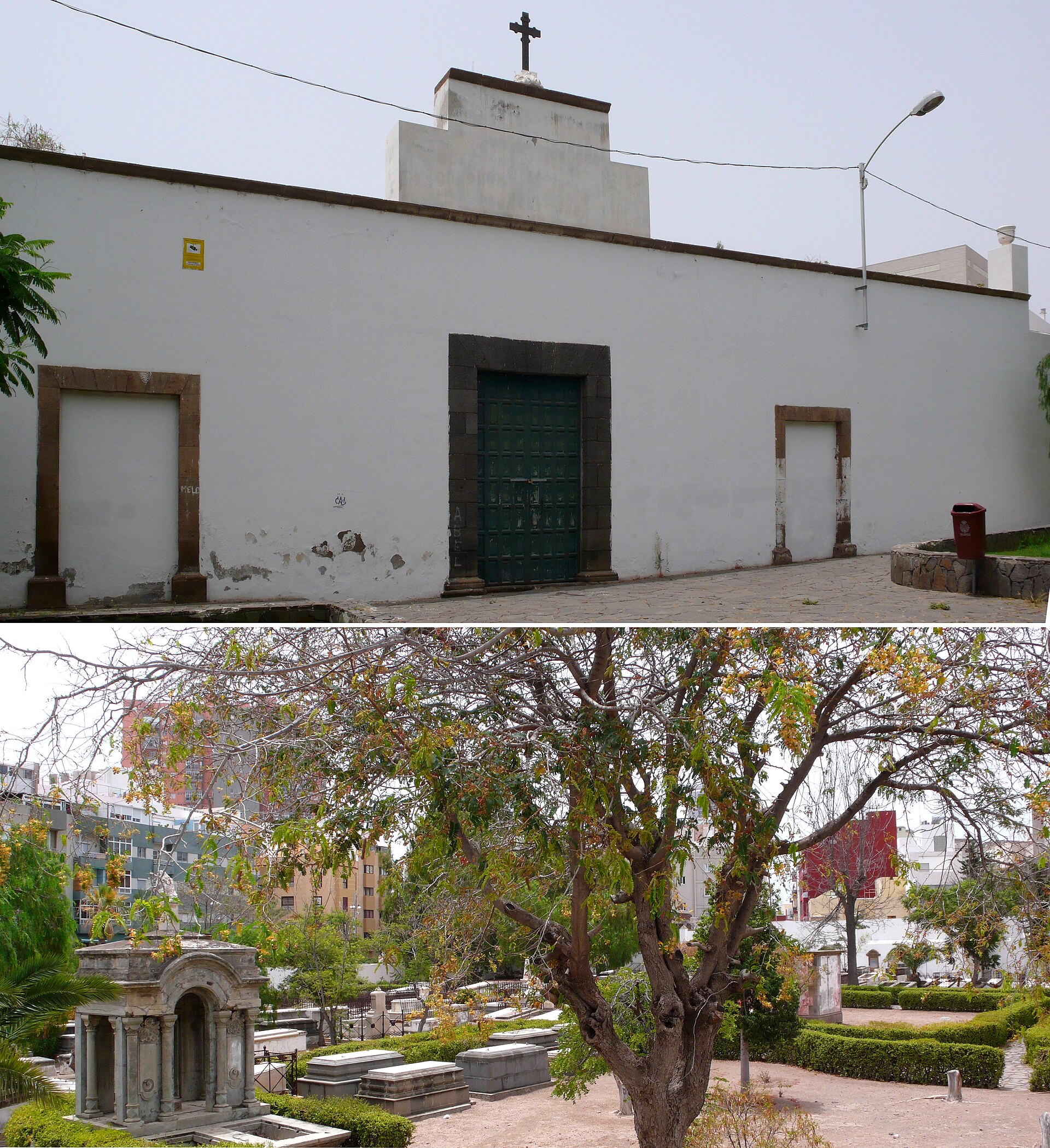
Cemetery of San Rafael y San Roque
Santa Cruz na Teneryfie
-

Parroquia de María Auxiliadora
Santa Cruz na Teneryfie
-
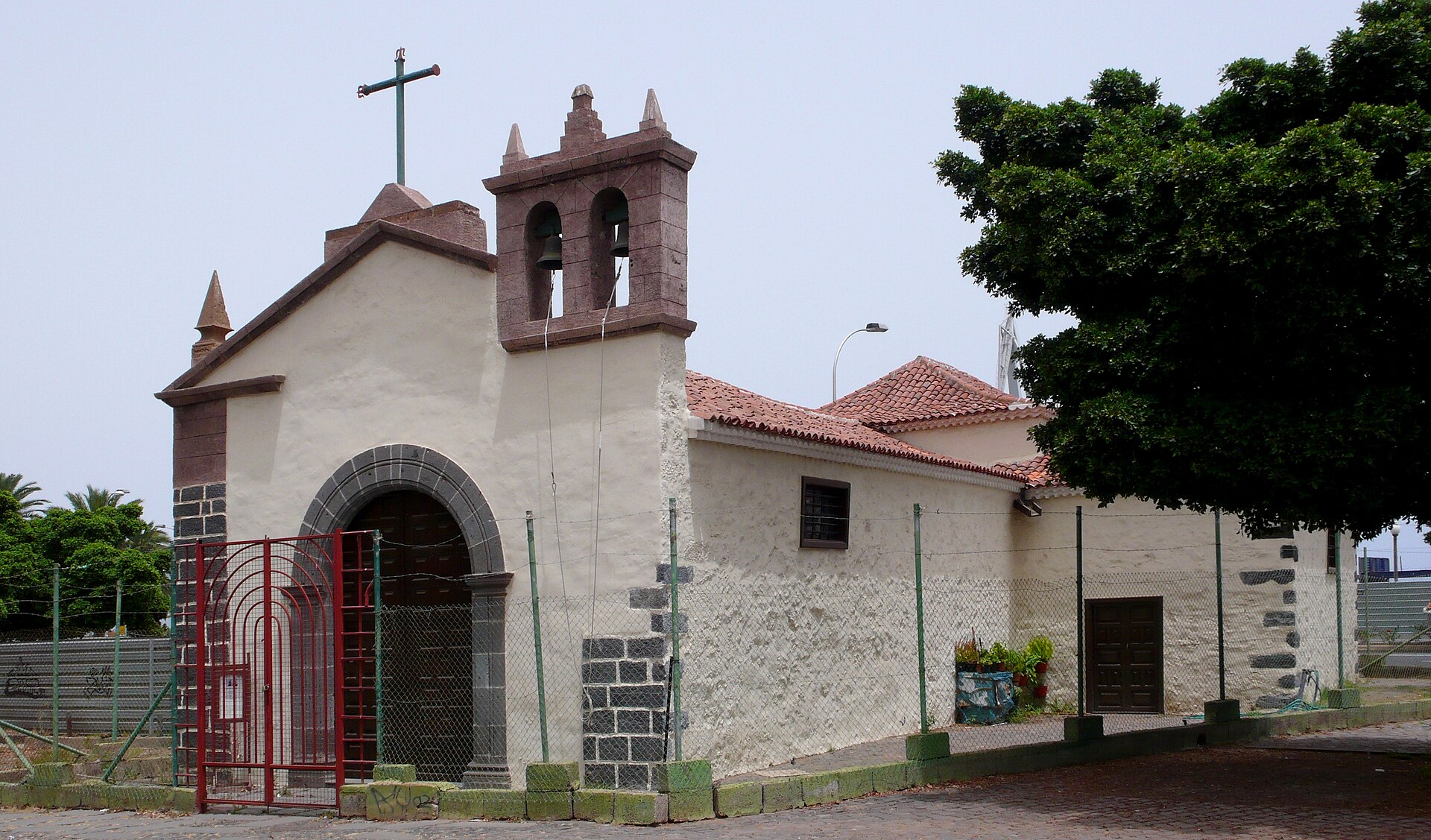
Capilla de San Telmo Santa Cruz de Tenerife
Santa Cruz na Teneryfie
-
Iglesia de la Concepción
Santa Cruz na Teneryfie
-
La Iglesia de Nuestra Señora del Pilar
Santa Cruz na Teneryfie
-
Iglesia de de Nuestra Señora de las Nieves
La Cuesta
Earn badges for the places you visit
Download NextOnTrip, discover new places and check off your trails.