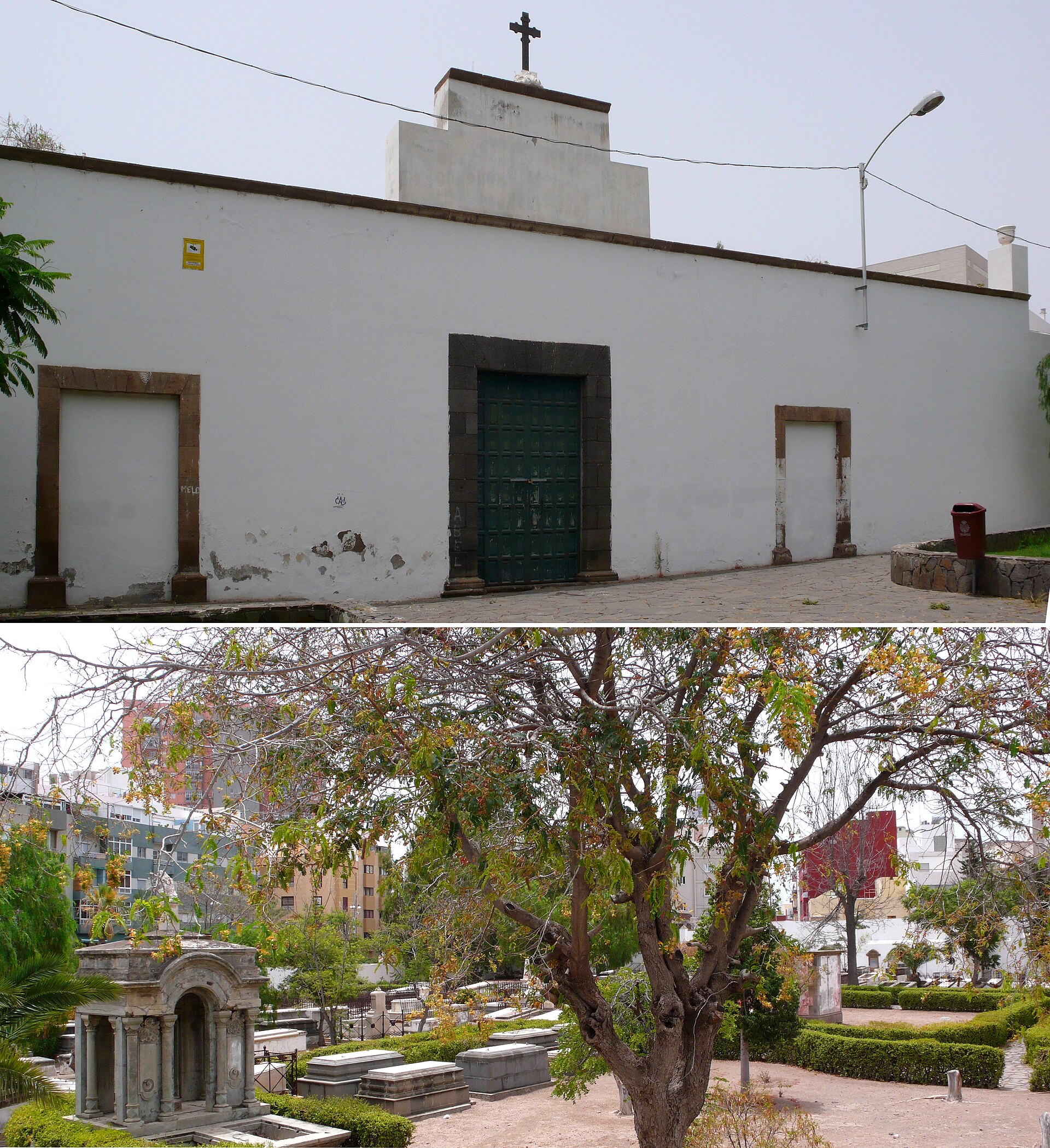
About this place
The Cemetery of San Rafael y San Roque is the oldest surviving burial ground in Santa Cruz de Tenerife, located in the Cuatro Torres neighborhood, on land once situated between the old hermitages of La Regla and San Sebastián. It stands today as both an architectural landmark and a physical record of one of the darkest chapters in the city's history.
Why was this cemetery built?
Until the early 19th century, burials in Santa Cruz de Tenerife followed the traditional Spanish practice of interring the dead near churches, inside the city itself. As early as 1799, King Charles IV had already ordered the creation of cemeteries outside city limits across Spain, aiming to reduce the risk of contagion from decomposing bodies buried within religious buildings. Santa Cruz, however, felt no urgent need to change its customs until disaster struck.
In 1810, a yellow fever epidemic, introduced by ships arriving from Cádiz, killed 1,332 residents of the city. The scale of the tragedy forced local authorities into swift action: by 1811, the boundaries and layout of a new civil cemetery had been drawn up, designed to hold as many as 20,000 burials. Construction took over a decade, and the cemetery was officially completed on March 4, 1823.
How is the cemetery divided?
One of the site's most distinctive features is its division into two separate sections: Catholic and Protestant. The Protestant section was added later than the Catholic one — its construction was authorized by the Santa Cruz Council on November 13, 1831, invoking the Treaty of Utrecht, which governed the religious rights of foreign nationals in the Canary Islands. This arrangement allowed non-Catholic residents to be buried on consecrated ground, a rare accommodation in Spain at the time and one that reflected the international character of a port city frequented by merchants and sailors from across Europe.
When did the cemetery stop being used?
The cemetery of San Rafael y San Roque served the city for nearly a century. Burials ceased on January 27, 1916, when a new cemetery opened at Montaña de Hoya Fría, better suited to the growing needs of an expanding Santa Cruz de Tenerife. From that point on, the old cemetery gradually lost its role as an active burial site, while gaining new significance as a historical witness to earlier times.
What is the site's current status?
The historical and architectural value of the cemetery was formally recognized on October 27, 2004, when it was declared a Site of Cultural Interest in the Monument category (Bien de Interés Cultural, categoría Monumento). This legal protection shields the site from deterioration and obliges local authorities to preserve it for future generations.
Today, the Cemetery of San Rafael y San Roque is a quiet place that draws visitors interested in the history of Santa Cruz de Tenerife, 19th-century funerary architecture, and the traces left by the epidemics that shaped the city's development. It also offers a rare opportunity to see, within a single enclosed space, the coexistence of two distinct religious traditions spanning several decades.
Frequently Asked Questions
Why was the cemetery built in this particular location? The site was chosen outside the city's boundaries at the time, between the old hermitages of La Regla and San Sebastián, following the sanitary regulations of the period that required cemeteries to be kept away from residential areas.
How many burials was the cemetery designed to hold? It was designed with a capacity for 20,000 burials.
What is the difference between the Catholic and Protestant sections? The Catholic section was built first, as part of the original 1811–1823 project, while the Protestant section was added in 1831 following municipal approval, allowing burials of people of other Christian denominations.
Is the cemetery still in use today? No, burials ended in 1916 when a new cemetery opened at Montaña de Hoya Fría.
Nearby places
-
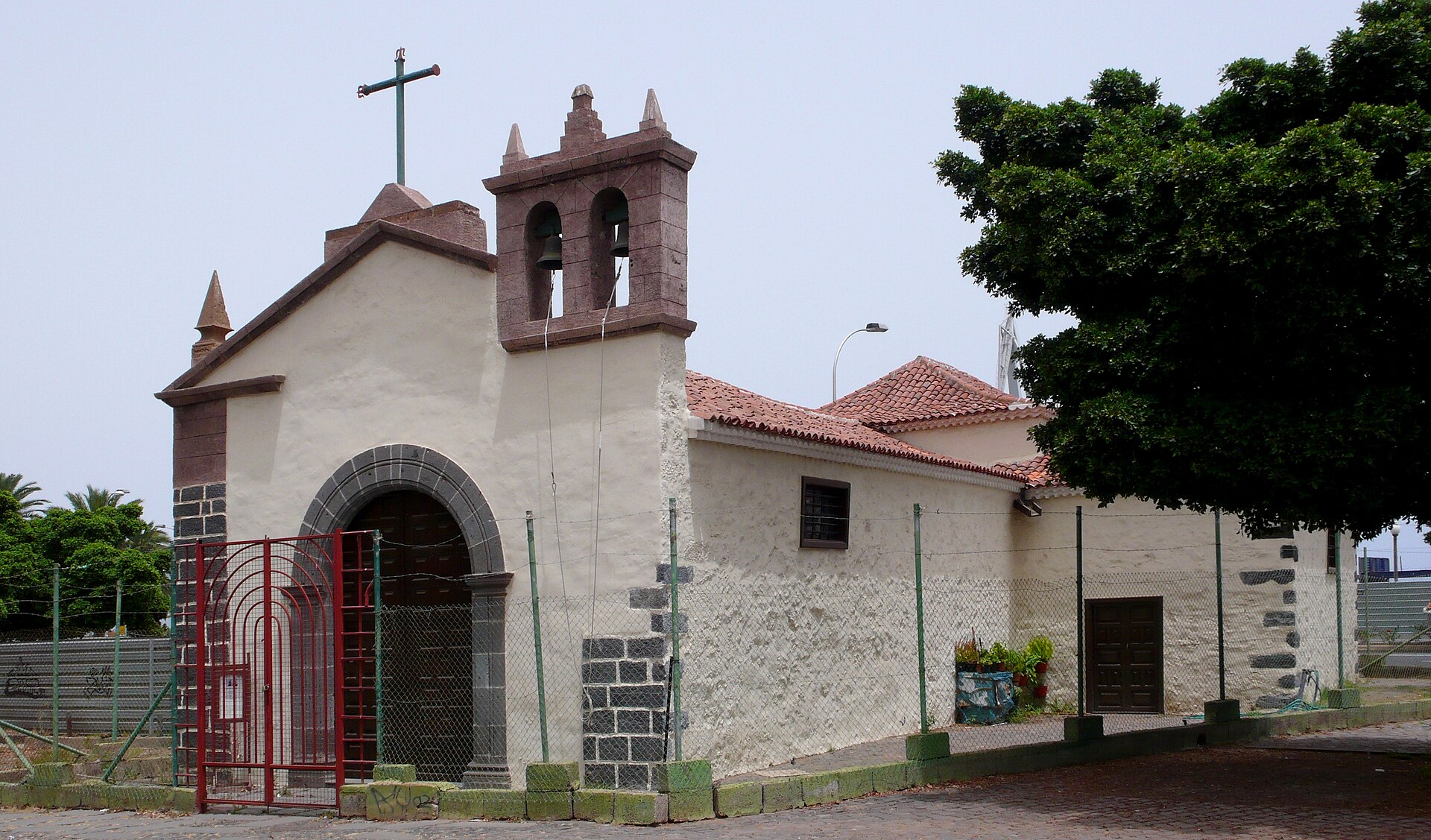
Capilla de San Telmo Santa Cruz de Tenerife
Santa Cruz na Teneryfie
-

Iglesia de la Concepción
Santa Cruz na Teneryfie
-
Parroquia de María Auxiliadora
Santa Cruz na Teneryfie
-
La Iglesia de Nuestra Señora del Pilar
Santa Cruz na Teneryfie
-
Cementerio de Santa Lastenia, Santa Cruz de Tenerife
Santa Cruz na Teneryfie
-
Iglesia de de Nuestra Señora de las Nieves
La Cuesta
Earn badges for the places you visit
Download NextOnTrip, discover new places and check off your trails.