- Sacred Monuments
- Cemeteries
Cementerio Igueste San Andrés
About this place
Cementerio Igueste San Andrés is a small rural cemetery perched on a rocky ledge above the coastline, right by the hamlet of Igueste de San Andrés in the municipality of Santa Cruz de Tenerife, on the island of Tenerife. Locally known as the Cementerio de Santa Rosalía, it counts among the island's more unusual burial grounds, mainly because of how difficult it is to reach.
Why was this cemetery built?
Until the late 19th century, residents of Igueste de San Andrés buried their dead in the cemetery of nearby San Andrés. That changed in 1889, when the hamlet was struck by a malaria outbreak. The rising death toll, combined with the difficulty of transporting bodies to the more distant cemetery, pushed the community to build a burial ground of its own, closer to home. The land was donated by the Cruz family, and the construction effort brought together villagers and the local ecclesiastical community — giving the site a distinctly grassroots, communal origin.
What does it look like, and where is it located?
The cemetery sits on a small rocky outcrop overlooking the sea, within the Anaga massif — one of Tenerife's steepest and most rugged, wild corners. Its coordinates are approximately 28.524°N, 16.150°W. The surrounding landscape is stark and volcanic, typical of the island's northeastern tip, where the mountains drop almost sheer toward the Atlantic.
Today the cemetery holds around 150 burial plots, a number that comfortably meets the needs of the small, scattered community of Igueste de San Andrés. Its modest scale mirrors the size of the settlement itself, which remains one of the less populated parts of the municipality of Santa Cruz de Tenerife.
What makes it stand out among Tenerife's cemeteries?
What sets Cementerio Igueste San Andrés apart is its accessibility — or rather, the lack of it in any conventional sense. The site can only be reached on foot, via a path that runs along the mountainside. Because there is no road suitable for vehicles, visiting the cemetery — let alone organizing a funeral — requires extra logistical effort: coffins and wreaths have traditionally been carried by hand or with the help of pack animals, a practice kept alive here for generations.
This isolation, while a real burden for local residents, has led municipal planners to consider building a proper access road for years. The issue has repeatedly resurfaced in discussions about the general urban development plan (PGO) for Santa Cruz de Tenerife, though implementation still depends on the approval of that new plan.
Frequently asked questions
Can you drive to the cemetery in Igueste de San Andrés? No. The only way in is on foot, along a path that runs across the slopes of the Anaga massif — there is no road suitable for vehicles.
Where does the name Cementerio de Santa Rosalía come from? It references Saint Rosalia, traditionally invoked as a protector against epidemics — a fitting link, given that the cemetery was built during the 1889 malaria outbreak.
How many burial plots does the cemetery have? It has around 150 plots, enough to serve the small community of Igueste de San Andrés.
Is the cemetery land private or municipal? The land was donated in 1889 by the Cruz family, and its construction was funded jointly by local residents and the local ecclesiastical community.
Nearby places
-

Iglesia de San Pedro Apóstol
Santa Cruz na Teneryfie
-
San Andrés cemetery
Santa Cruz na Teneryfie
-
La Iglesia de Nuestra Señora del Pilar
Santa Cruz na Teneryfie
-
Iglesia de la Concepción
Santa Cruz na Teneryfie
-
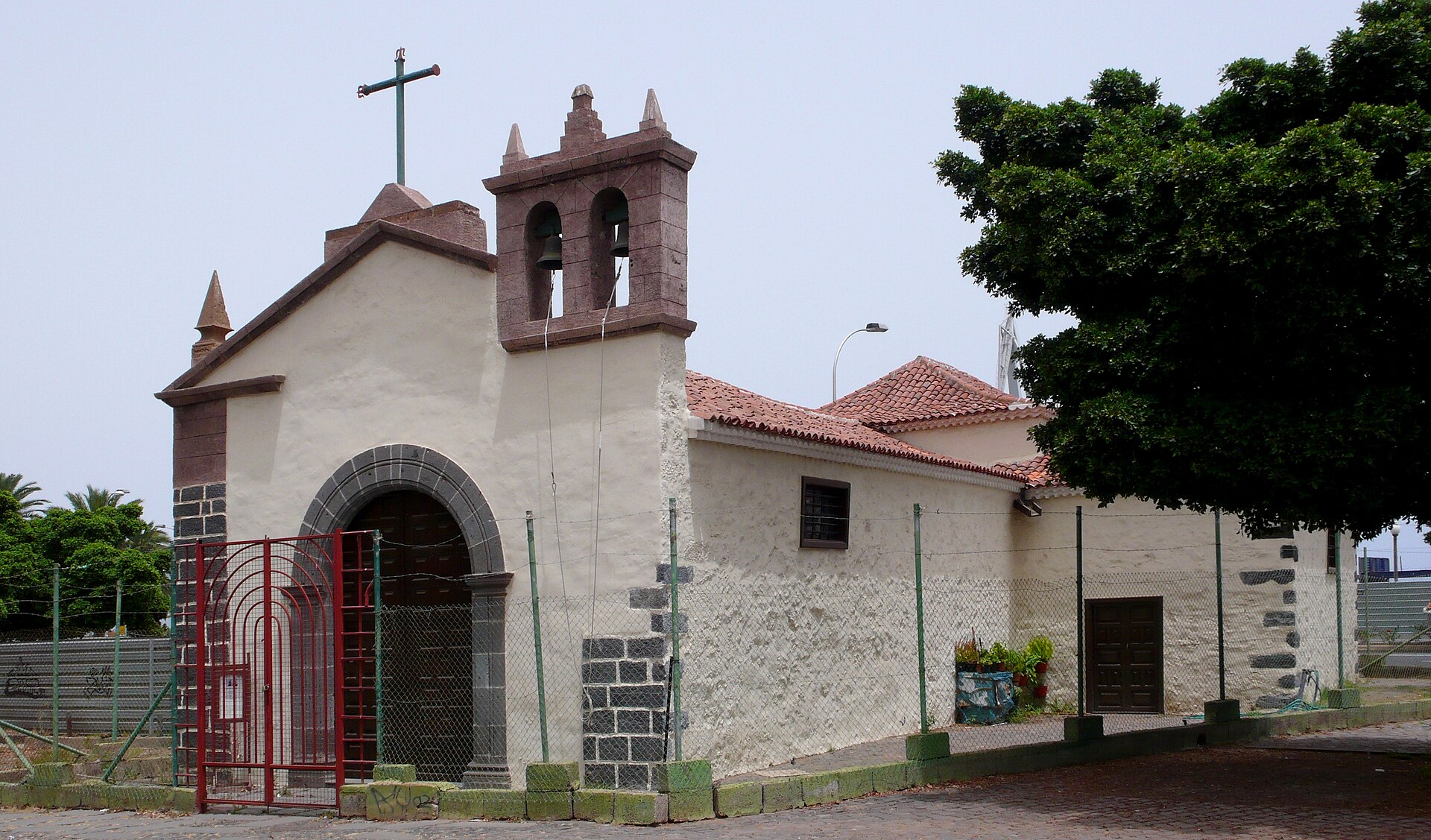
Capilla de San Telmo Santa Cruz de Tenerife
Santa Cruz na Teneryfie
-
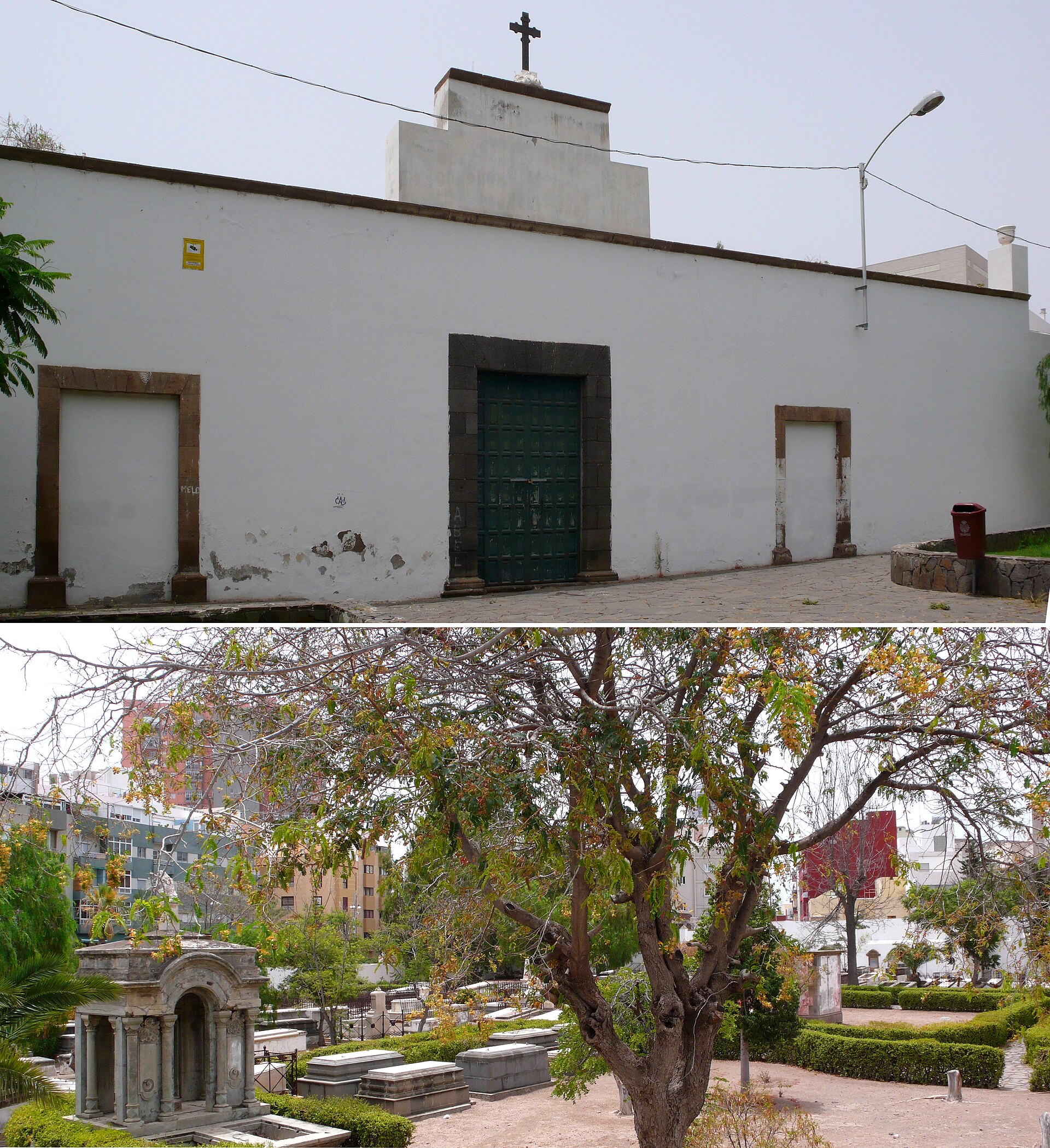
Cemetery of San Rafael y San Roque
Santa Cruz na Teneryfie
Earn badges for the places you visit
Download NextOnTrip, discover new places and check off your trails.