About this place
Saint-Sever-de-Rustan Abbey is a former Benedictine monastery in the village of Saint-Sever-de-Rustan, in the Hautes-Pyrénées department, close to the border with Gers. Almost a thousand years of successive building campaigns left it with a layered mix of Romanesque, Gothic, classical and Baroque work, making it one of the more striking architectural ensembles in the foothills of the Pyrenees.
Where does the abbey's name come from?
The site takes its name from Saint Sever, a wealthy nobleman and clergyman from the Bigorre region whose charitable works were recorded and praised by Gregory of Tours. After his death he was venerated as a saint, and his relics were brought to the church at Rustan, which has carried his name ever since.
How far back do its origins go?
A monastic community is thought to have existed on the site as early as the 7th century, though that first foundation appears to have been wiped out during a Saracen raid. The earliest firm documentary record dates to 1022, when Abbot Arsius refounded the community — a sign that a religious settlement had already been established here before that date. In 1087, Centulle I, Count of Bigorre, placed the abbey under the authority of the abbey of Saint-Victor in Marseille, a decision later confirmed by Pope Urban II.
Why did it matter to pilgrims heading to Compostela?
By the 14th century the abbey had become a significant waypoint for pilgrims travelling the Piedmont route toward Santiago de Compostela, close to the château de Mauvezin. For travellers crossing the Bigorre countryside, it ranked among the key stops on that stretch of the journey.
What happened to it during the Wars of Religion?
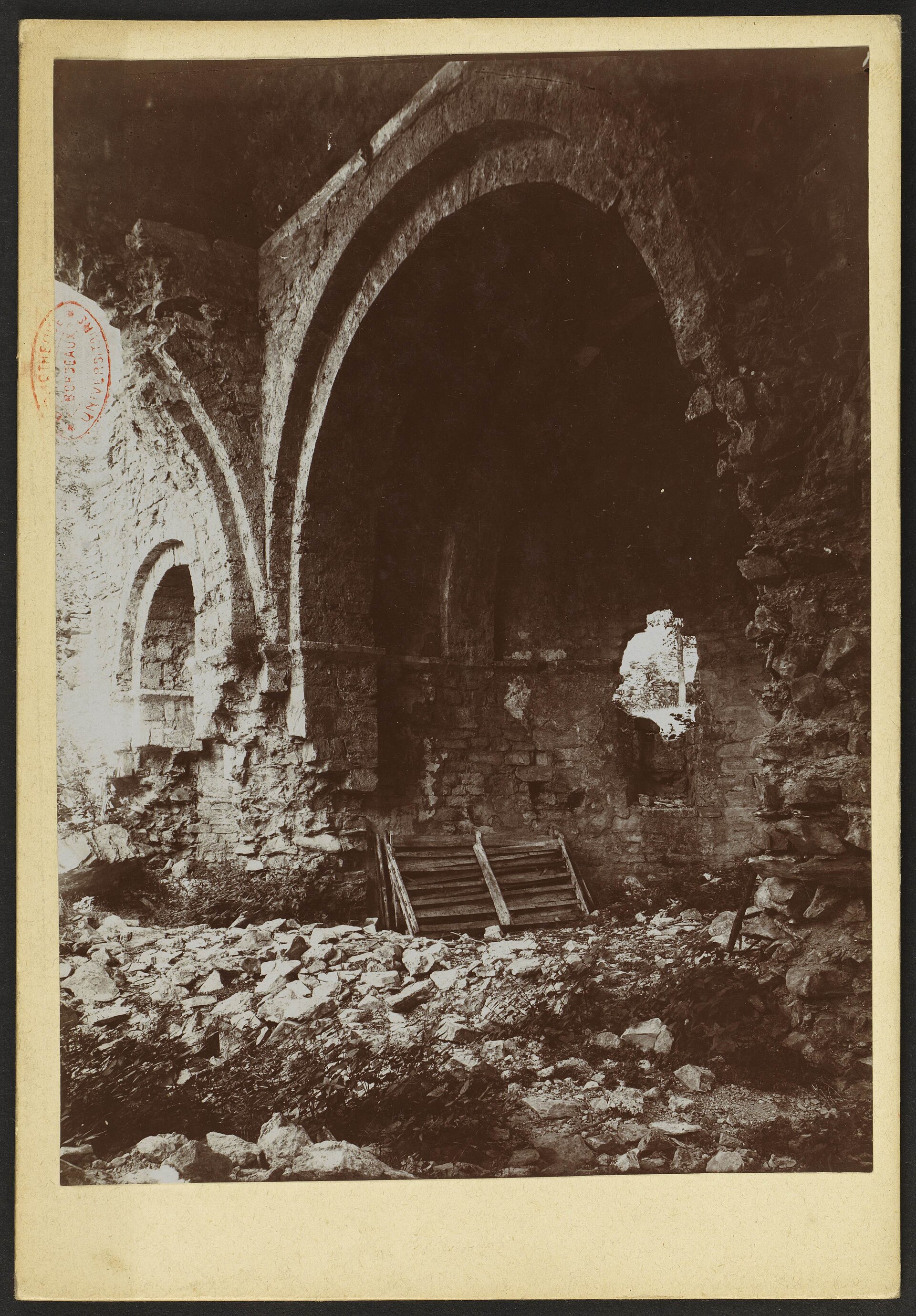
In 1575 (some accounts place it as early as 1573), Huguenot forces seized the abbey during the Wars of Religion. The buildings were looted and set on fire, the resident monks were killed, and Saint Sever's relics were lost for good. The event brought monastic life at the site to an abrupt halt for decades.
How was the abbey rebuilt in the 18th century?
Recovery began in 1646, when the abbey was placed under the Congregation of Saint-Maur, which set about restoring it piece by piece. The most ambitious work came in the 18th century, when grand classical façades and lavish Baroque interior woodwork were added — enough to earn the building the nickname "the little Versailles of Gascony." The French Revolution, however, put a definitive end to monastic life: the buildings were sold off, and part of the complex eventually passed into municipal hands, later housing the town hall.
What is there to see at the abbey today?
The complex went through five major phases of construction or restoration, in the 10th, 12th, 15th, 16th and 18th centuries, and the architecture still reflects that layered history. The abbey church is notable for its seven parallel, staggered apses at the east end, considered one of the fullest expressions of this design in Benedictine architecture. Inside, visitors can see Romanesque capitals, Gothic vaulting, and the Baroque woodwork installed during the abbey's 18th-century heyday. The site is now protected as a listed historic monument.
Frequently asked questions
Where is Saint-Sever-de-Rustan Abbey located? In the village of Saint-Sever-de-Rustan, in the Hautes-Pyrénées department, near the border with the Gers department.
Why is it called Saint-Sever-de-Rustan? It is named after Saint Sever, a clergyman from Bigorre known for his charity, whose relics were brought to the church at Rustan.
Was the abbey on the pilgrimage route to Santiago de Compostela? Yes — in the 14th century it served as an important stop for pilgrims following the Piedmont route toward Compostela.
Why is it nicknamed "the little Versailles of Gascony"? Because of the grand classical façades and rich Baroque interiors added during its 18th-century reconstruction under the Congregation of Saint-Maur.
What destroyed the original abbey buildings? In 1575, Huguenot forces looted and burned the abbey during the Wars of Religion, killing the monks who lived there.
Nearby places

Earn badges for the places you visit
Download NextOnTrip, discover new places and check off your trails.