About this place
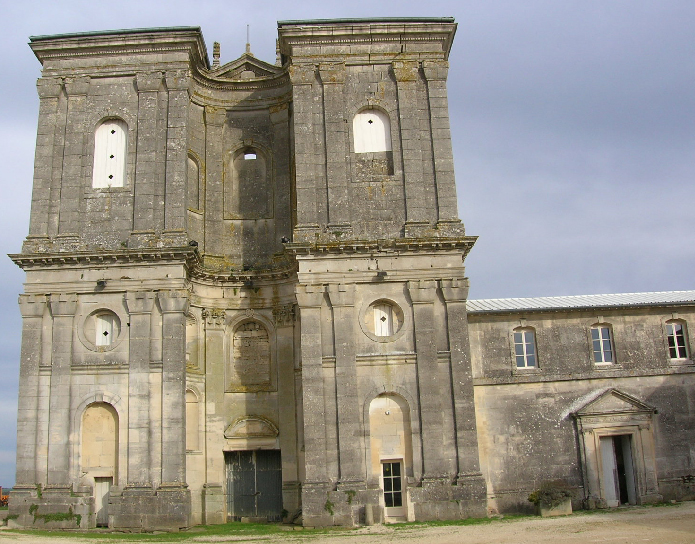
Saint-Mihiel Abbey is a former Benedictine abbey in the town of Saint-Mihiel, in the Meuse department of Lorraine, a short distance from Verdun. The monks are long gone, but the abbey buildings still stand, and within them sits one of the most remarkable libraries in France.
When was the abbey founded?
The monastery traces its origins to 708 or 709, when Count Wulfoald and his wife Adalsinde established it during the Merovingian period. From the start it followed the Benedictine rule, which shaped its later reputation as a center of learning and manuscript production. The abbey reached particular prominence in the early 9th century under Abbot Smaragdus, a close adviser to Emperor Louis the Pious. That connection paid off: between 816 and 826 the emperor granted the abbey five imperial charters, which secured its legal standing and landholdings across the Barrois region for centuries to come.
What makes the Benedictine Library so celebrated?
The library building visitors associate with the abbey today was constructed between 1768 and 1775, near the end of the monastic community's existence. It is regularly ranked among the five most beautiful libraries in France. The collection holds close to 8,800 volumes, including several dozen manuscripts dating from the 9th to the 16th century and dozens of incunabula, books printed before 1501. Among the highlights are Carolingian biblical codices, illuminated books of hours, and Renaissance-era scientific treatises. The monks began assembling manuscripts as far back as the Merovingian founding of the abbey, and the collection expanded rapidly once printing arrived in the 15th century. By the 18th century the growing library needed two purpose-built rooms — one of them 50 meters long — to shelve more than 12,000 works.
How is the abbey connected to Ligier Richier?
A short walk from the library stands the Church of Saint-Michel, historically tied to the abbey. It houses the work of Ligier Richier, the sculptor born and active in Saint-Mihiel during the 15th and 16th centuries. His best-known piece, the monumental "Sépulcre" (Entombment of Christ), is considered one of the masterworks of Lorraine Renaissance sculpture. Thanks to Richier and the workshop associated with the abbey, Saint-Mihiel became one of the leading intellectual and artistic centers of the Barrois region during that era.
Can visitors tour the abbey today?
The Benedictine Library itself is currently closed to individual visitors, but the former abbey buildings and the neighboring Church of Saint-Michel, with Richier's sculptures, remain a fixture of any visit to the town. Saint-Mihiel, a picturesque riverside town on the Meuse, belongs to the Petites Cités de Caractère network, which recognizes small French towns with exceptional architectural heritage.
Frequently asked questions
Where is Saint-Mihiel Abbey located? In the town of Saint-Mihiel, in the Meuse department of Lorraine, not far from Verdun.
When was the abbey founded? The Benedictine monastery was founded in 708 or 709, during the Merovingian period.
What is the abbey's main attraction? The Benedictine Library, built between 1768 and 1775, holding nearly 8,800 volumes and dozens of medieval manuscripts — regarded as one of the most beautiful libraries in France.
What is the abbey's link to Ligier Richier? The sculptor was born and worked in Saint-Mihiel; his work, including the famous "Sépulcre," is displayed in the nearby Church of Saint-Michel, which has historic ties to the abbey.
Can the Benedictine Library be visited? The library is currently closed to individual visitors, though the abbey buildings and the church with Richier's sculptures remain open as part of a visit to the town.
Nearby places

Earn badges for the places you visit
Download NextOnTrip, discover new places and check off your trails.