About this place
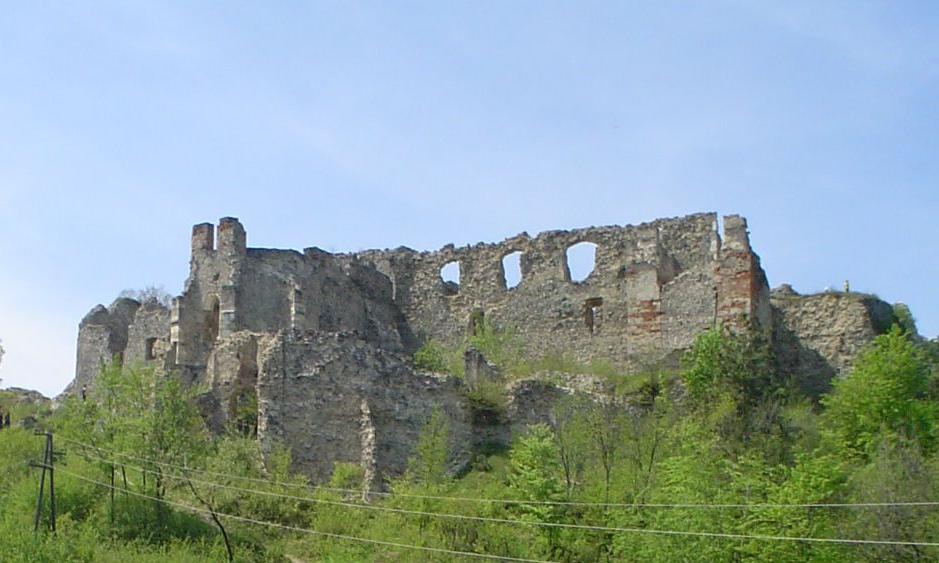
Ružica grad is a medieval castle ruin near Orahovica, in the Slavonia region of eastern Croatia, perched on the wooded slopes of Papuk Nature Park. It's one of the most atmospheric and least crowded historic sites in the area — a fortified complex on a rocky outcrop, reached only on foot through forest.
Where is Ružica grad?
The ruins sit on a steep cliff at the foot of the Papuk range, at an elevation just under 400 metres, roughly 2.5 km southwest of Orahovica town centre. The site's defensive value is obvious the moment you arrive: sheer rock faces on several sides gave defenders a natural advantage for centuries, and today reward visitors with views over the surrounding forest and valleys.
What's the history behind the castle?
Ružica first appears in written records in 1357, listed as a royal estate — but the exact date and circumstances of its construction were never documented and remain unknown. Over the following two centuries the castle passed through the hands of several Slavonian noble families. Nikola Kont of Orahovica is generally considered its most likely builder, and the property later belonged to Lovro Iločki, from the powerful Iločki noble house. Ružica grad is recognised as the largest preserved fortified settlement in all of Slavonia and is protected as a monument of the highest cultural category.
What will you see on site?
Surviving remains include sections of the defensive walls, towers and turrets. Within the complex stood a Gothic chapel dedicated to St Katherine, ceremonial halls, craft workshops, and even a dungeon. This wasn't just a noble residence — soldiers of the garrison and household servants lived here too, making it a largely self-sufficient fortified settlement rather than a single manor house. Despite centuries of decay, the scale of the ruins still makes an impression today.
How do you get there?
The standard route follows a forest trail starting at Jezero, Orahovica's popular local swimming spot, well used by residents and visitors in summer. The walk through the woods to the clearing at the base of the castle takes about an hour. It's a manageable hike for anyone in reasonable shape, no technical gear needed, though sturdy shoes are worth packing, especially after rain.
Where does the name come from?
Two legends are attached to the castle. The first tells of fairies who blocked construction until a magic rose was built into the walls — giving the fortress its name, Ružica, meaning "little rose." The second, darker story concerns Princess Ružica, who threw herself from the castle's tallest tower; where she fell, wild roses as red as blood are said to have grown. Both tales are still passed on by local guides and residents as part of the region's identity.
Frequently asked questions
How long is the walk to the castle? The forest trail from the Jezero swimming spot takes about an hour one way.
Are these genuine medieval ruins or a reconstruction? They're authentic medieval remains — the surviving walls, towers and chapel date from the original construction, with no later rebuild into a reconstructed showpiece.
Why is the castle called Ružica? The name comes from local legend, tied to the story of Princess Ružica and the wild roses said to have sprung up where she fell from the tower.
Who built the castle? No founding document survives, but Nikola Kont of Orahovica is generally credited as the likely builder; the castle is first documented in 1357 as a royal estate.
Nearby places

Earn badges for the places you visit
Download NextOnTrip, discover new places and check off your trails.