About this place
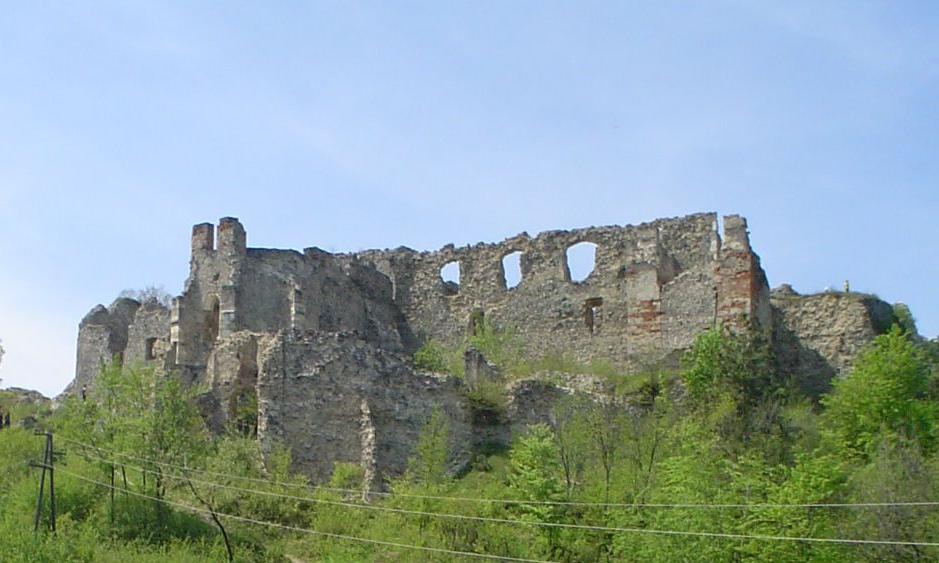
Stražemanski grad is a medieval castle ruin sitting on a hill known simply as Grad, at 584 metres above sea level, roughly 3 km north of the village of Stražeman in the Velika municipality (Požega-Slavonia County). The site rests on the southern slopes of the Papuk massif, surrounded by forest trails that now draw hikers and history enthusiasts exploring the region.
How do you get to Stražemanski grad?
The starting point is the village of Stražeman itself, about 13.7 km northwest of Požega and sitting at 351 metres above sea level at the foot of Papuk. From the village centre, a forest track climbs the slope toward the ruins — a typical approach for anyone visiting the cultural heritage sites scattered across Papuk Nature Park, so sturdy hiking shoes and water are worth packing before setting off.
What will you actually see there?
The castle survives only in fragments — little of the original walls remains, and vegetation has reclaimed most of the site. Even so, the hill of Grad itself carries historical and scenic weight: for centuries this high point controlled the surrounding countryside, and its name still recalls the fortress that once stood there. It's worth pairing the visit with a stop in Stražeman village, home to the Church of St Michael the Archangel, considered one of the finest churches in the Požega region.
What is the history behind the castle?
The estate of Stražemlje first appears in written sources in 1378, in connection with a legal dispute over the neighbouring Predišinac estate. The castle itself is documented from 1503 as castrum Ztrasemle, at that time belonging to the Stražemanski noble family, whose name gave the whole area its identity. Between 1537 and 1539 the fortress fell under Ottoman control, during the period when Ottoman forces were seizing strongholds across the Požega region, including nearby Kamengrad — though direct historical records from that exact period are scarce.
A telling detail about the castle's later fate is that its stone building material was reused to construct a manor house (kurija) in Biškupci. The Janković family, who owned that estate, adopted the surname Stražemanski because their property was cadastrally registered under Stražeman — a clear sign of how deeply the castle shaped local noble identity.
When is the best time to visit?
Spring and autumn are the most comfortable seasons for the hike, when temperatures on the Papuk slopes stay mild and the forest cover is easier to move through. In summer, an early start helps avoid the heat on the exposed approach. Winter conditions can make the forest paths muddy or snow-covered, so plan accordingly.
Frequently asked questions
Are there any standing walls left at the site? Only scattered, fragmentary remains survive — the castle is a genuine ruin, and picturing its original layout takes some imagination.
How long does the walk up to Grad hill take? The route from Stražeman village climbs through forest paths; allow at least an hour one way, depending on fitness and pace.
Is it worth combining the visit with other nearby sights? Yes — the area lies within Papuk Nature Park, known for its geological and cultural heritage, and the village of Stražeman itself has a historic church worth a short stop.
Where does the castle's name come from? It comes from the Stražemanski noble family, documented as owners of the fortress as early as 1503 — their name eventually became attached to the entire surrounding area.
Nearby places

Earn badges for the places you visit
Download NextOnTrip, discover new places and check off your trails.