About this place
Rode Dopheidereservaat is a small but remarkable nature reserve located west of Bruges, in the district of Sint-Andries, near the border with the municipalities of Zedelgem and Jabbeke. Its name refers to the bell heather (Erica cinerea), a plant with striking purple flowers that is exceptionally rare in Belgium.
What makes this place special?
Bell heather grows in only a handful of locations across the country — on heathlands south of Bruges and in a few spots in the eastern Kempen region. What sets this reserve apart is the presence of three different heather species growing side by side: bell heather, common heather, and cross-leaved heath. This particular combination cannot be found anywhere else in Flanders.
How did the reserve come to be?
The story of this site goes back to 1978, when a small 2.43-hectare plot owned by the water company De Watergroep (formerly VMW) came under the management of the conservation organization Natuurpunt. It was the first protected area within Bruges city limits and remains the oldest nature area managed by Natuurpunt in the region.
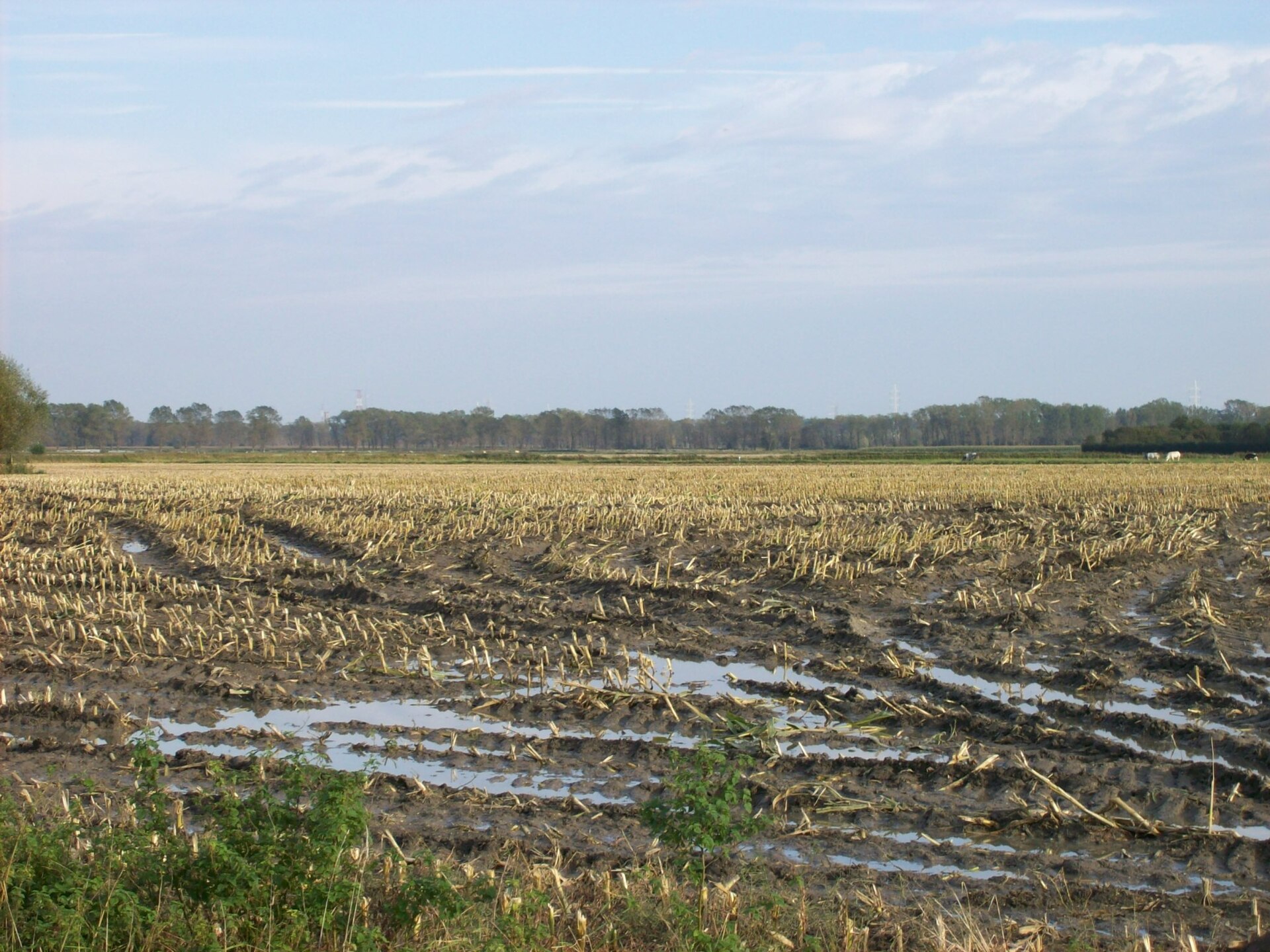
From 2011 onward, the area gradually expanded through an extended management agreement with De Watergroep and additional land purchases. Working together with the local Natuurpunt Jabbeke branch, the organization acquired further plots of poor grassland and woodland starting in 2015. A major expansion followed in 2022, adding 37 hectares of forest, pasture, and arable land, partly extending into the neighbouring municipality of Snellegem. As a result, the reserve now covers approximately 53 hectares.
What wildlife lives here?
Among the animals recorded in the reserve are the viviparous lizard and the slow worm, both reptile species that favour the damp, sandy conditions typical of heathland habitats.
How is the heathland maintained?
Preserving this distinctive vegetation requires ongoing, deliberate management. To prevent the land from naturally reverting to woodland, the site is regularly mown, sod-cut, and cleared of encroaching trees and shrubs. The mown vegetation and cut branches are removed from the heath entirely, which helps keep the soil nutrient-poor — a condition essential for the heather species to survive.
Can visitors explore the reserve?
Because of the area's biological sensitivity and its role in local water extraction, public access is limited. Visitors can experience the reserve during organized work days, guided walks, or by prior arrangement with Natuurpunt.
Frequently asked questions
Where exactly is the Rode Dopheidereservaat located? The reserve lies in Sint-Andries, west of central Bruges, between Bruges and Zedelgem, with parts extending into the municipalities of Jabbeke and Snellegem.
How large is the reserve? Following its 2022 expansion, the area now covers roughly 53 hectares.
What makes this site unique in Flanders? The coexistence of three heather species in one location, including the rare bell heather, which is found in only a few places in Belgium.
Is the reserve open to the public? Access is restricted to protect the ecosystem and the water extraction site — visits are mainly possible through organized Natuurpunt events.
Nearby places

Earn badges for the places you visit
Download NextOnTrip, discover new places and check off your trails.