About this place
Paddegat is a small but ecologically valuable wetland area squeezed between the Bruges–Ostend Canal and the railway line running alongside it, straddling the border between Varsenare (municipality of Jabbeke) and Ettelgem (municipality of Oudenburg) in the province of West Flanders. Covering roughly 10 hectares, it forms part of a larger nature complex known as Blankenbergse Polder Zuid.
Where exactly is Paddegat located?
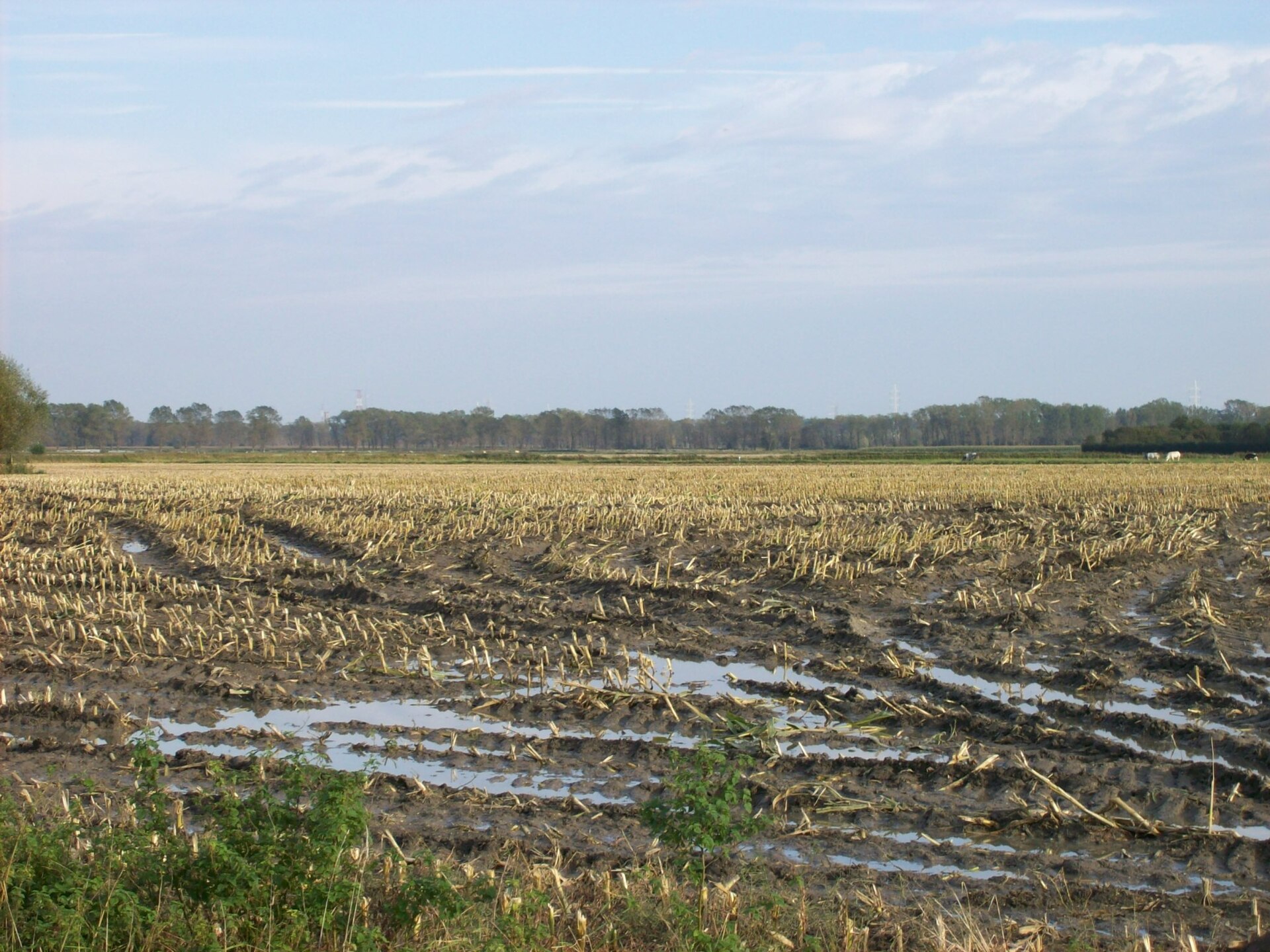
The reserve has a distinctive "wedged-in" position: on one side it is bordered by the water of the canal linking Bruges to Ostend, and on the other by the tracks of the same railway route. This layout leaves the site relatively shielded from heavy traffic and development, helping it retain the typical character of a Flemish polder landscape — flat, damp ground crossed by ditches and small pools.
What protected status does the area have?
Paddegat is part of the Natura 2000 network and falls under both the EU Habitats Directive and the Birds Directive, meaning it carries several official European site reference codes and is subject to specific rules protecting the species and habitats found there. Management is shared between the Agency for Nature and Forest (Agentschap Natuur en Bos), the conservation organization Natuurpunt, and private landowners — a common arrangement for Flanders' many small, scattered reserves.
Which birds and animals live here?
The wetland setting and proximity to the canal make Paddegat an important foraging ground for wading birds, ducks, and herons. The site also serves as a breeding area for several species considered indicators of healthy wetland habitat: Cetti's warbler, bluethroat, reed warbler, and kingfisher. The presence of kingfishers, which require clean water and suitable banks for nesting burrows, points to good ecological water quality within the reserve.
What is the Blankenbergse Polder Zuid complex?
Paddegat does not stand alone — it is one component of the wider Blankenbergse Polder Zuid nature complex, which also includes other regional reserves such as Lage Moere van Meetkerke, de Schobbejak, and 't Pompje. Integrated management plans have been developed for this whole complex, balancing bird protection with the continuation of traditional, low-intensity use of polder grasslands. The invertebrate fauna of the area, including spiders, has also been the subject of dedicated scientific surveys carried out to support the drafting of these conservation plans.
How can visitors reach Paddegat?
The area lies along the jaagpad, a historic towpath running beside the Bruges–Ostend Canal that today serves as a popular cycling route connecting the two cities. This is the most convenient way to approach the vicinity of the reserve without a car, since the route is flat and well signposted. Nearby, on Paddegatstraat in Ettelgem, a level crossing marks the point where the reserve meets the Bruges–Ostend railway line that borders it on the landward side.
Frequently asked questions
Is Paddegat a nature reserve open for visitors? It is not a conventional tourist attraction with visitor facilities, but a protected Natura 2000 site whose primary purpose is safeguarding wetland birdlife. The best way to experience the surrounding landscape is by cycling or walking along the nearby towpath.
Which municipality does Paddegat belong to? The area straddles the boundary between Varsenare (part of Jabbeke) and Ettelgem (part of Oudenburg), so it is sometimes associated with either municipality depending on the source.
What bird species best represent the site's ecological value? The breeding species most characteristic of Paddegat's value are Cetti's warbler, bluethroat, reed warbler, and kingfisher, all of which depend on healthy wetland habitats.
Nearby places

Earn badges for the places you visit
Download NextOnTrip, discover new places and check off your trails.