About this place
Kwetshage is a nature area straddling Snellegem and Varsenare, two districts of the municipality of Jabbeke in West Flanders, Belgium, located just under 6 km west of Bruges, immediately south of the Bruges–Ostend canal. The area covers nearly 90 hectares and is managed by the Agency for Nature and Forests (Agentschap voor Natuur en Bos) as part of the larger Blankenbergse Polder Zuid management unit.
Where does the name Kwetshage come from?
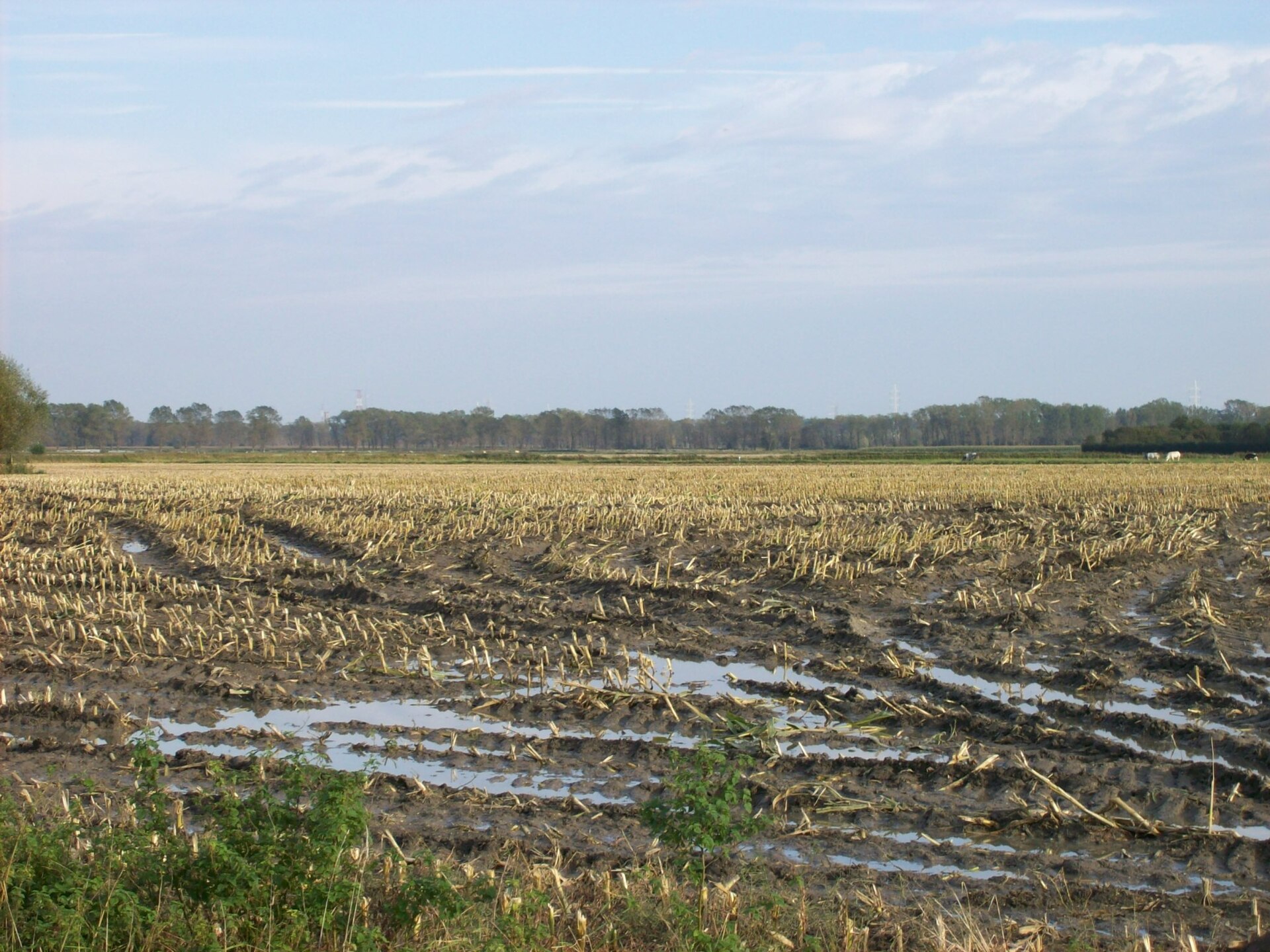
The place name Kwetshage has been documented since 1692, referring to a stretch of land between Jabbeke, Snellegem and Varsenare that was once marked by extensive marshland. The name roughly translates to "poor seedland," a reference to the waterlogged, hard-to-cultivate ground that once defined the area. Farms that gradually settled in Kwetshage helped drain the land over time. The Kwetshagestraat, a long, winding country road, still runs through the area today and forms the eastern boundary between Varsenare and Snellegem: buildings on the eastern side of the road, with even house numbers, belong to Varsenare, while those on the western side, with odd numbers, lie in Snellegem.
What does Kwetshage look like today?
The modern nature area is a mosaic of reed-fringed marshes alternating with wet meadows. Between 2022 and 2026, the Flemish Land Company (Vlaamse Landmaatschappij) carried out development works here, converting part of the former grasslands into a large marsh zone with open water, interspersed with reed beds and drier reed on the banks. The whole area functions as ecological compensation for the expansion of Zeebrugge's inner harbour — new, valuable wetland habitat was created here to offset nature lost elsewhere to port development.
Why is Kwetshage worth a visit for birdwatchers?
Kwetshage has become one of the more rewarding birdwatching sites near Bruges. Its marshes and wet meadows serve as breeding and hunting grounds for the Western Marsh Harrier, and also support other European-protected species such as the Eurasian Bittern. During autumn migration, birders occasionally record exceptional species like Glossy Ibis or Black Stork, and the site is considered an excellent spot to observe and photograph numerous large herons. Other species regularly recorded at Kwetshage include Eurasian Spoonbill, Great Egret, Black-winged Stilt, Northern Shoveler, Hen Harrier, Cetti's Warbler and Black-necked Grebe.
How do you get to Kwetshage and explore it?
The area is best explored on foot or by bicycle — it is an open nature reserve without the infrastructure of an urban park, aimed primarily at nature lovers and birdwatchers. Parking is available around 1.5 km from the main site, at the bridge over the Bruges–Ostend canal, which makes Kwetshage an easy cycling destination from Bruges itself or from nearby villages such as Jabbeke and Varsenare.
Frequently asked questions
Where exactly is Kwetshage located? Kwetshage lies between the villages of Jabbeke, Snellegem and Varsenare in West Flanders, roughly 6 km west of Bruges, just south of the Bruges–Ostend canal.
Who manages the area? It is managed by the Flemish Agency for Nature and Forests, as part of the larger Blankenbergse Polder Zuid nature complex.
What birds can you see there? Species regularly seen include the Western Marsh Harrier, Eurasian Bittern, Eurasian Spoonbill, Great Egret, Black-winged Stilt and Northern Shoveler, with rarer migrants like Glossy Ibis or Black Stork appearing in autumn.
Is there parking nearby? Yes, about 1.5 km from the site, at the bridge over the Bruges–Ostend canal; from there the area is explored on foot or by bike.
Where does the name Kwetshage come from? The name has been recorded since 1692 and roughly means "poor seedland," referring to the once marshy, waterlogged character of the land.
Nearby places

Earn badges for the places you visit
Download NextOnTrip, discover new places and check off your trails.