About this place
The Massif du Ventron National Nature Reserve stretches across two French departments – Haut-Rhin and Vosges – within the Grand Est region. Located inside the Ballons des Vosges regional nature park, the reserve spans the territory of five communes: Wildenstein, Kruth, Fellering, Cornimont, and Ventron. It ranks among the most significant protected areas in the Vosges mountain range, combining dense forests, peat bogs, and rocky slopes.
When was the reserve established?
The reserve was created in 1989. Its designation was tied to an environmental compensation measure for the construction of the Lande dam near La Bresse, a project that required the use of natural land in the region. In exchange, a much larger and ecologically richer mountain area was placed under protection, securing a lasting refuge for local wildlife and plant life.
How large is the protected area?
The reserve covers 1,647.08 hectares. Elevation within its boundaries ranges from 720 to 1,204 meters above sea level, with the Grand Ventron peak marking the highest point. The terrain is remarkably varied, moving from gentle forested slopes through damp hollows containing peat bogs to steep, rocky scree fields on the slopes facing the Rhine valley.
What habitats does the reserve protect?
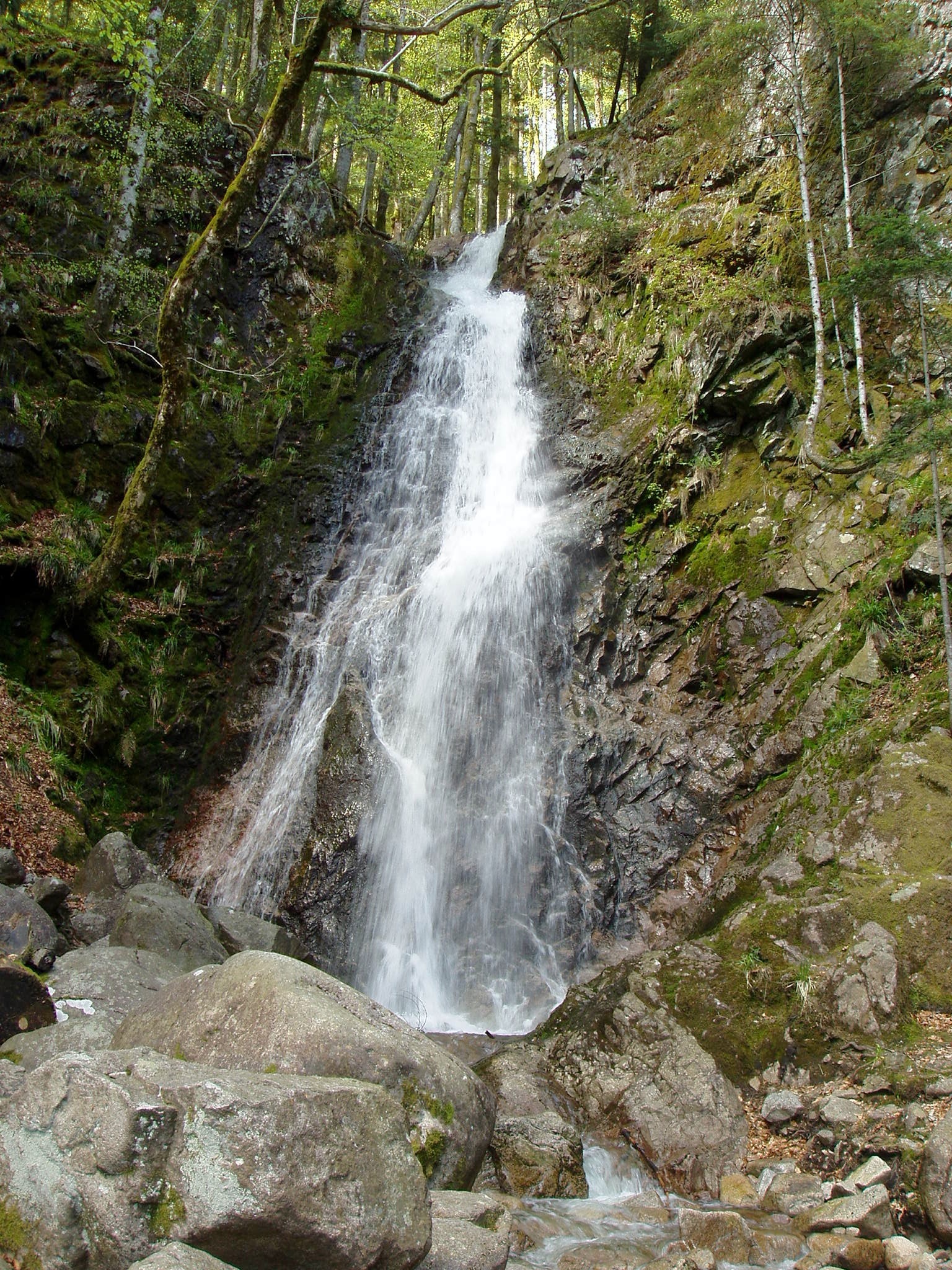
A vast forest complex dominates the landscape, interspersed with distinct types of vegetation. On the Vosges-facing slopes, clearings hold peat bogs that provide important habitat for species tied to wetland ecosystems. Higher up, near the summits, secondary meadows extend across the terrain, shaped over centuries by grazing livestock. On the Rhine-facing slopes, extensive rocky scree fields create a rugged, distinctive mountain landscape.
A particularly valuable section of the reserve, covering 400 hectares, has been designated as an Integral Forest Reserve. This area has been left entirely to natural evolution, with no timber exploitation whatsoever, allowing forest processes to unfold without human interference.
How rich is the reserve's biodiversity?
To date, 1,574 species have been inventoried within the reserve, spanning fauna, flora, and fungi. This figure reflects the exceptional biological richness of this mountain area, a result of its diverse habitats — from peat bogs and forests to rocky scree fields and high-altitude meadows.
Frequently asked questions
Where is the Massif du Ventron reserve located? The reserve lies in the Grand Est region of France, straddling the Haut-Rhin and Vosges departments, within the Ballons des Vosges nature park.
How large is the reserve? The reserve covers 1,647.08 hectares, with elevations ranging from 720 to 1,204 meters above sea level.
Why was this reserve created? It was established in 1989 as environmental compensation for the construction of the Lande dam near La Bresse.
What is the highest point in the reserve? The highest point is the Grand Ventron peak, reaching 1,204 meters above sea level.
How many species live in the reserve? So far, 1,574 species of fauna, flora, and fungi have been inventoried.
Nearby places

Earn badges for the places you visit
Download NextOnTrip, discover new places and check off your trails.