About this place
Reserva natural integral del Pijaral is one of the most strictly protected corners of Tenerife — a full nature reserve tucked into the northern slopes of the Anaga massif, within the municipality of Santa Cruz de Tenerife. It covers just over 300 hectares, yet the density and diversity of life packed into such a small area make it one of the most valuable ecosystems in the entire Canary Islands archipelago.
What is this reserve?
It protects a near-intact patch of laurel forest (monteverde) — an ecosystem that once covered large parts of the Mediterranean coastlines of Europe and North Africa, and today survives almost exclusively in the Canary Islands, Madeira, and the Azores as a living relic from the Tertiary period. The humid, shaded, and hard-to-reach terrain has allowed Pijaral's vegetation to remain close to its original, undisturbed state.
What grows in Pijaral?
The reserve is dominated by laurel-forest species alongside fayal-brezal scrub, a mix of myrtle-family trees (faya) and tree heather (brezo). But the true symbol of the reserve is a fern locally known as píjara (Woodwardia radicans), which lent the entire area its name. The humid microclimate and shaded ravines have created conditions exceptionally favorable to ferns: the reserve is home to nearly 38% of all fern species recorded on Tenerife and over 30% of every fern species found across the whole Canary archipelago. That concentration within such a limited area makes Pijaral a key reference point for botanists studying the fern flora of the Macaronesian region.
What does the landscape look like?
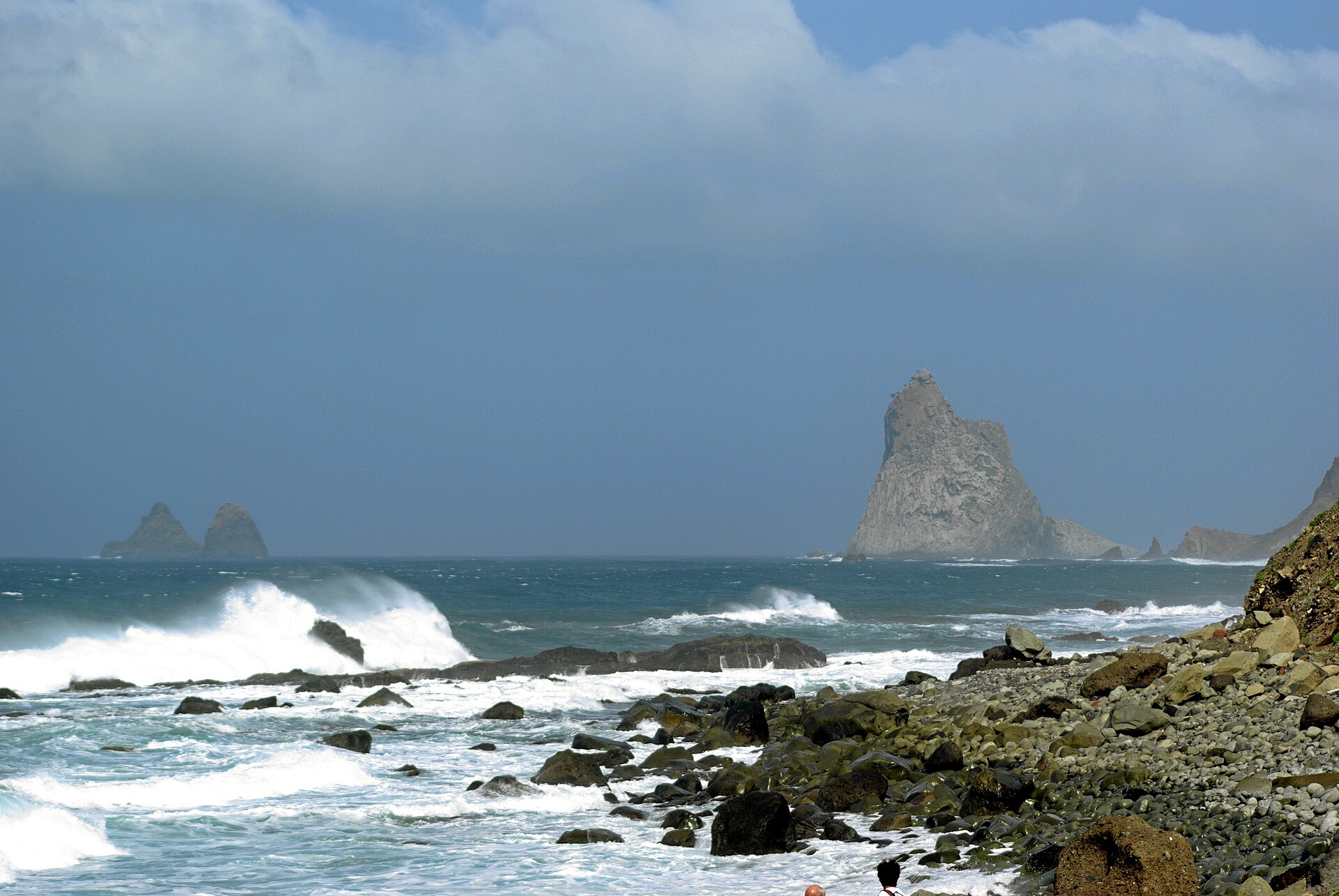
The terrain is steep and heavily folded, with sharp elevation changes over short distances. To the south, the reserve's boundary is marked by the distinctive rocky peaks of Anambro and Chinobre — formations of significant geological and geomorphological interest, considered among the more recognizable landscape features of this part of Anaga. Steep slopes, damp ravines, and dense vegetation make the area difficult to cross outside marked routes.
Can you visit Pijaral?
Yes, but access is tightly controlled. Because of its status as a full nature reserve and the sensitivity of its ecosystem, entry requires prior authorization, and the number of visitors allowed per day is capped at 45. This limit exists to protect the delicate vegetation and prevent excessive tourist pressure on an area that, given its small size, could easily be degraded.
Why does it matter?
Pijaral demonstrates how much biological diversity can be concentrated in a small space when climate and geography align to preserve relict ecosystems. For anyone interested in the natural history of the Canary Islands, it is one of those rare places where laurel forest survives in a form close to what existed millions of years ago — a living fragment of the region's climatic and botanical past.
Frequently asked questions
Where is Reserva natural integral del Pijaral located? On the northern slope of the Anaga massif, in the municipality of Santa Cruz de Tenerife, Tenerife.
How large is the reserve? Just over 300 hectares.
Is entry free and unrestricted? No — visitor numbers are capped at 45 per day and prior authorization is required.
What is Pijaral best known for? Its exceptionally rich fern flora, including the píjara fern (Woodwardia radicans) that gave the reserve its name, and a well-preserved laurel forest.
Nearby places

Earn badges for the places you visit
Download NextOnTrip, discover new places and check off your trails.